🌍 Overview
Quito, Ecuador, is a hidden gem for digital nomads seeking a vibrant remote work hub with a rich cultural heritage. As a digital nomad destination, Quito offers an unbeatable combination of affordability, community, and infrastructure, making it an ideal location for remote workers to call home for an extended period. With its mild climate, stunning colonial architecture, and breathtaking Andean landscapes, Quito provides a unique blend of urban and outdoor lifestyle that draws nomads from around the world.
Quito’s nomad scene is thriving, with a growing community of like-minded individuals sharing their experiences, knowledge, and resources. The city’s infrastructure, although not yet perfect, is rapidly evolving to cater to the needs of remote workers, with new coworking spaces, cafes, and amenities popping up regularly. While Quito may not be the most high-tech city, its laid-back atmosphere, delicious food, and warm hospitality make it an attractive option for digital nomads looking for a balanced lifestyle.
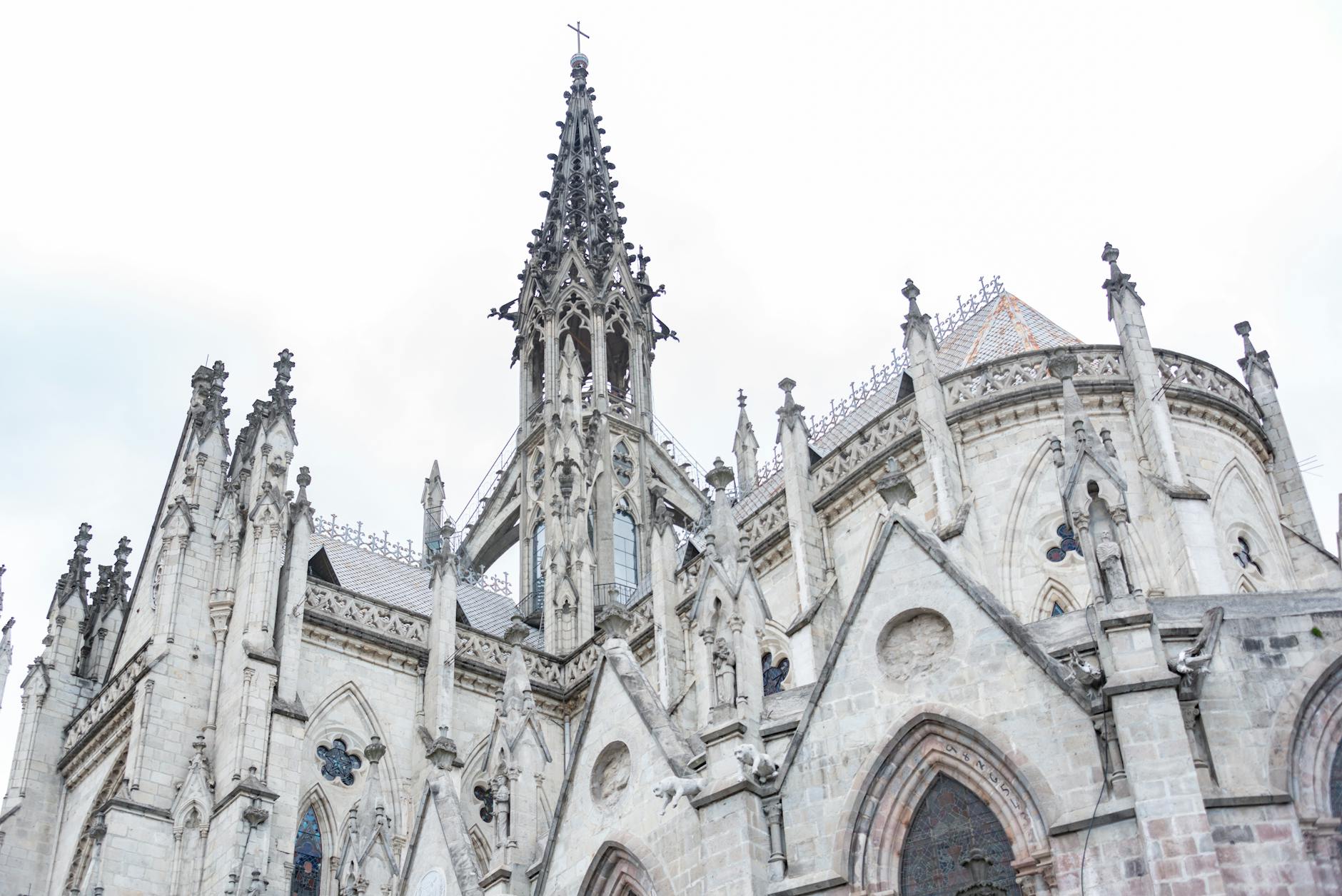
As you explore Quito, you’ll discover a city with a rich history, vibrant culture, and a strong sense of community. From its cobblestone streets to its modern coworking spaces, Quito offers a unique blend of tradition and innovation that will keep you engaged and inspired. As you navigate the city, you’ll notice a mix of old and new, with colonial-era buildings standing alongside modern structures, creating a fascinating visual landscape.
🏘️ Best Neighborhoods
Mariscal Sucre
Mariscal Sucre, also known as the “LGBTQ+ neighborhood,” is a lively and eclectic area that offers a unique blend of culture, entertainment, and shopping. This neighborhood is a hub for digital nomads, with numerous coworking spaces, cafes, and restaurants catering to the remote work community.
Pros: Mariscal Sucre is a hub for social activities, with many bars, clubs, and restaurants to choose from. The neighborhood is also relatively safe, with a strong police presence and a lively atmosphere.
Cons: As with any popular neighborhood, Mariscal Sucre can get noisy, especially on weekends. Additionally, the area can be quite crowded, which may not appeal to those seeking a more peaceful environment.
Rent: $300-$500 per month for a 1-bedroom apartment
La Floresta
La Floresta is a charming neighborhood with a mix of colonial-era architecture and modern amenities. This area is popular among digital nomads due to its proximity to the city center, affordability, and lively atmosphere.
Pros: La Floresta offers a unique blend of culture and entertainment, with many bars, restaurants, and shops to explore. The neighborhood is also relatively safe, with a strong sense of community.
Cons: As a popular area, La Floresta can get crowded, especially on weekends. Additionally, some areas of the neighborhood can be quite hilly, which may not appeal to those with mobility issues.
Rent: $250-$400 per month for a 1-bedroom apartment
El Parque
El Parque is a tranquil neighborhood located in the heart of the city, just a short walk from the main square. This area is popular among digital nomads due to its affordability, peaceful atmosphere, and proximity to the city center.
Pros: El Parque offers a peaceful and relaxing environment, perfect for those seeking a break from the hustle and bustle of city life. The neighborhood is also relatively safe, with a strong sense of community.
Cons: El Parque is a more laid-back area, which may not appeal to those seeking a more lively atmosphere. Additionally, some areas of the neighborhood can be quite hilly, which may not appeal to those with mobility issues.
Rent: $200-$350 per month for a 1-bedroom apartment
Quitumbe
Quitumbe is a rapidly developing area located in the north of the city, known for its modern amenities and affordable housing. This neighborhood is popular among digital nomads due to its proximity to the airport, affordable rent, and modern infrastructure.
Pros: Quitumbe offers a modern and affordable lifestyle, with many amenities and services catering to remote workers. The neighborhood is also relatively safe, with a strong police presence.
Cons: Quitumbe is a developing area, which may not appeal to those seeking a more established neighborhood. Additionally, some areas of the neighborhood can be quite far from the city center, which may not appeal to those seeking a more central location.
Rent: $150-$250 per month for a 1-bedroom apartment
Digital Nomad Guide
Coworking Spaces
Quito has a growing number of coworking spaces catering to digital nomads, each offering unique amenities and services. Some popular coworking spaces include:
- La Casa de los Abuelos: A community-driven coworking space with a relaxed atmosphere, offering flexible membership plans and a variety of events.
- The Hive: A modern coworking space with high-speed internet, a gym, and a rooftop bar, catering to entrepreneurs and startups.
- Casa de la Cultura: A coworking space with a focus on innovation and entrepreneurship, offering workshops, events, and networking opportunities.
Membership rates:
- La Casa de los Abuelos: $150-$250 per month (day passes available)
- The Hive: $200-$400 per month (day passes available)
- Casa de la Cultura: $100-$200 per month (scholarships available)
Internet Quality
Quito’s internet infrastructure has improved significantly in recent years, with many areas offering high-speed connections. Average internet speeds range from 5-12 Mbps, with some areas offering faster connections.
- Fiber availability: Yes, fiber is available in many areas, including Mariscal Sucre, La Floresta, and El Parque.
- Internet providers: Claro, Entel, and Movistar offer high-speed internet plans in Quito.
Nomad Community
Quito’s nomad community is growing rapidly, with many events, meetups, and groups catering to remote workers. Some popular resources include:
- Quito Nomads: A Facebook group with over 1,000 members, offering networking opportunities, event announcements, and advice on living in Quito.
- Quito Coworking: A meetup group for coworking spaces, entrepreneurs, and innovators, hosting events, workshops, and networking sessions.
- Expats in Quito: A Facebook group for expats and digital nomads, offering advice, resources, and networking opportunities.
Cafes and Workspaces
Quito has a plethora of cafes and workspaces catering to digital nomads, each offering a unique atmosphere and amenities. Some popular options include:
- Café de la Parroquia: A cozy café with high-speed internet, a relaxed atmosphere, and delicious coffee.
- The Coffee Shop: A modern café with high-speed internet, a rooftop bar, and a variety of food and drink options.
- Biblioteca Pública: A public library with high-speed internet, a quiet atmosphere, and a vast collection of books and resources.
Visa Options
Quito offers various visa options for remote workers, including:
- Tourist visa: Free, 90-day visa for tourists, can be extended for an additional 90 days.
- Business visa: $100-$200, 6-month visa for entrepreneurs and business owners, requires a minimum investment of $5,000.
- Residency visa: $300-$500, 1-year visa for remote workers, requires a minimum income of $1,000 per month.
Banking and Practical Setup
Quito offers various banking options for remote workers, including:
- Banco Pichincha: A popular bank with high-speed internet banking, offering a wide range of services, including cash withdrawal, bill payment, and money transfer.
- Banco Internacional del Ecuador: A bank with high-speed internet banking, offering a wide range of services, including cash withdrawal, bill payment, and money transfer.
- Money changers: Various money changers, including Western Union and MoneyGram, offer currency exchange services.
🎨 Culture & Vibe
Quito is a city with a rich cultural heritage, offering a unique blend of tradition and innovation. Some essential aspects of Quito’s culture include:
- Local customs: Quito is a conservative city, with a strong emphasis on family, respect, and tradition. Visitors should respect local customs, including not eating in public during Lent.
- Food: Quito is known for its delicious cuisine, including traditional dishes like locro de papas, seco de carne, and llapingachos.
- Nightlife: Quito’s nightlife scene is vibrant, with many bars, clubs, and restaurants catering to locals and tourists alike.
- Arts and culture: Quito has a rich cultural scene, with many museums, galleries, and performance venues showcasing local artists and performers.
⭐ Highlights
Quito offers a plethora of attractions and experiences, including:
- Old Town: A UNESCO World Heritage Site, Quito’s Old Town is a must-visit, with its cobblestone streets, colonial-era architecture, and vibrant cultural scene.
- Mitad del Mundo: A famous monument marking the equator, offering stunning views and a unique cultural experience.
- Quito’s cable car: A popular attraction, offering panoramic views of the city and surrounding landscape.
- Quito’s markets: Various markets, including the San Francisco Market and the Otavalo Market, offering a wide range of local goods, crafts, and cuisine.
- Quito’s hiking trails: Several hiking trails, including the Cruz Loma trail and the Pichincha Volcano trail, offering stunning views and a unique cultural experience.
- Quito’s festivals: Various festivals, including the Fiestas de Quito and the Fiestas de la Virgin de Quito, offering a unique cultural experience and a glimpse into local traditions.
💡 Practical Tips
Quito offers various tips and advice for visitors, including:
- Visa requirements: Free tourist visa for 90 days, can be extended for an additional 90 days.
- Getting around: Quito’s public transportation system is efficient, with buses, taxis, and colectivos available.
- Safety: Quito is generally a safe city, but visitors should take normal precautions, including avoiding walking alone at night and keeping valuables secure.
- Money: Quito’s official currency is the US dollar, but euros and other currencies are also accepted.
- Healthcare: Quito has several quality hospitals and medical facilities, including the Clínica Kennedy and the Hospital Militar.
- Language: Spanish is the official language, but English is widely spoken, especially among younger people and those in the service industry.
By following these practical tips, visitors can ensure a smooth and enjoyable trip to Quito, making the most of the city’s unique culture, attractions, and experiences.