🌍 Overview
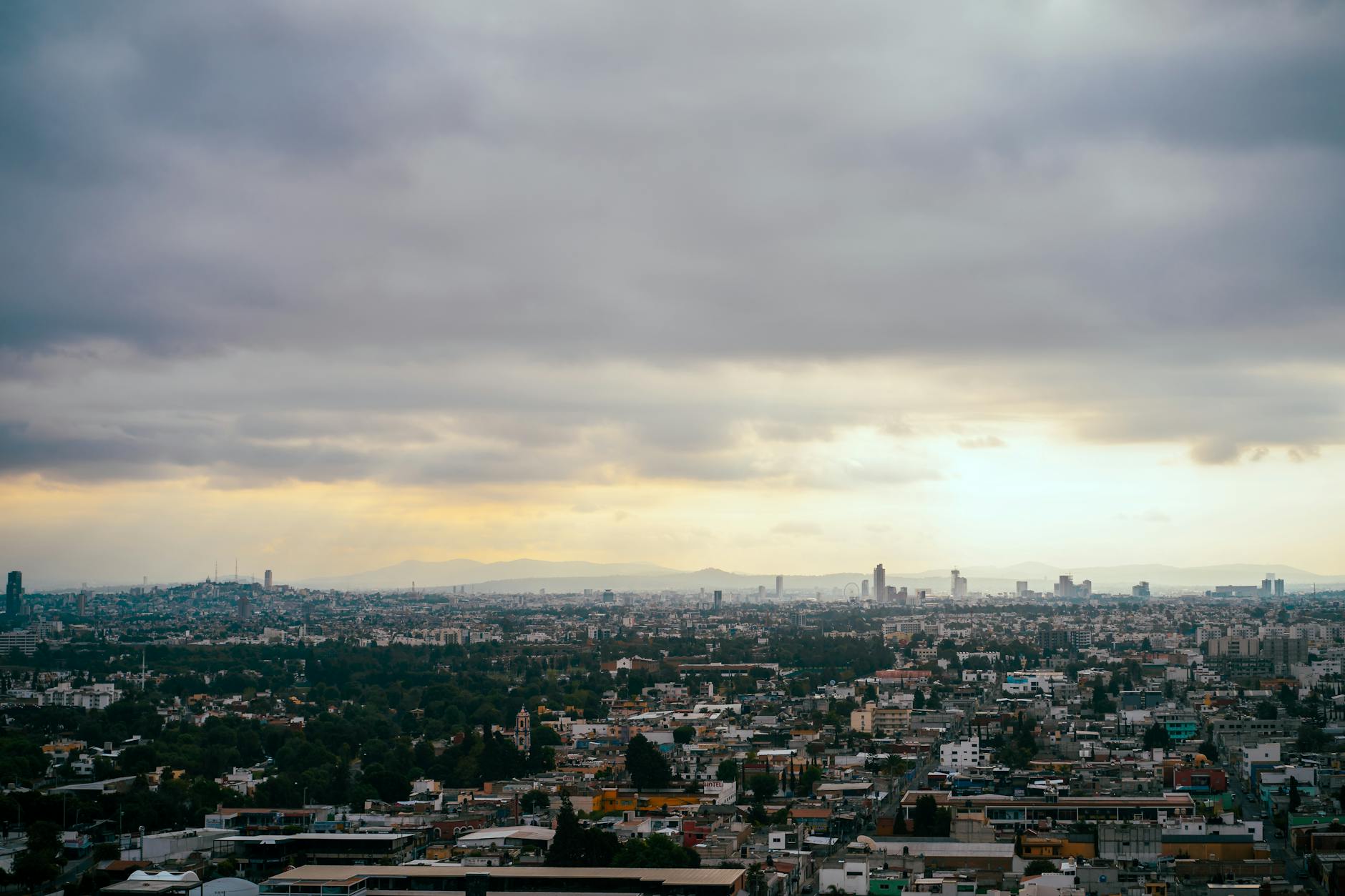
Mexico City, a sprawling metropolis of over 21 million people, is an unlikely haven for digital nomads. Yet, it’s become a hotspot for remote workers, thanks to its affordable cost of living, rich cultural scene, and rapidly evolving coworking infrastructure. As a digital nomad who’s spent over three months in Mexico City, I can attest to its unique charm and the reasons why it’s become a magnet for like-minded individuals.
Mexico City’s digital nomad scene is thriving, with a growing community of expats and locals who share a passion for coworking, cultural immersion, and lifestyle flexibility. The city’s affordability, with a 1-bedroom apartment costing around $454 per month, makes it an attractive option for remote workers on a budget. Additionally, the city’s vibrant food scene, with a meal averaging $5.4, and coffee culture, with a cup costing around $1.7, offer a rich and affordable lifestyle.
🏘️ Best Neighborhoods
Condesa
Condesa, a trendy neighborhood in the heart of Mexico City, is a popular choice among digital nomads. Its leafy streets, lined with cafes and restaurants, offer a relaxed atmosphere perfect for remote work. A 1-bedroom apartment in Condesa can cost between $400-$700 per month, making it an attractive option for those on a budget. However, be prepared for crowds and noise levels, especially on weekends.
Condesa’s Avenida Amsterdam is a hub for coworking spaces, with several options available, including WeWork and The Farm. The neighborhood also boasts a strong nomad community, with regular meetups and events hosted at venues like the Condesa coworking space.
Roma Norte
Roma Norte, a hip neighborhood in the city’s center, is known for its vibrant cultural scene and coworking spaces. Its narrow streets are lined with art galleries, boutiques, and restaurants, making it an ideal spot for creatives and entrepreneurs. A 1-bedroom apartment in Roma Norte can cost between $500-$900 per month, reflecting its popularity among expats and locals.
Roma Norte is home to several coworking spaces, including the popular WeWork and the more laid-back, boutique-style coworking space, The Nest. The neighborhood also boasts a strong nomad community, with regular meetups and events hosted at venues like the Roma Coworking space.
Cuauhtémoc
Cuauhtémoc, a historic neighborhood in the city’s center, is a hub for coworking spaces and digital nomads. Its wide streets are lined with colonial-era buildings, now home to trendy boutiques, restaurants, and coworking spaces. A 1-bedroom apartment in Cuauhtémoc can cost between $350-$650 per month, making it an attractive option for those on a budget.
Cuauhtémoc is home to several coworking spaces, including the popular Hub Mexico and the more laid-back, boutique-style coworking space, The CoLab. The neighborhood also boasts a strong nomad community, with regular meetups and events hosted at venues like the Cuauhtémoc coworking space.
Polanco
Polanco, a upscale neighborhood in the city’s west, is a popular choice among digital nomads seeking a more affluent lifestyle. Its wide streets are lined with luxury boutiques, restaurants, and coworking spaces. A 1-bedroom apartment in Polanco can cost between $700-$1,200 per month, reflecting its popularity among expats and locals.
Polanco is home to several coworking spaces, including the popular WeWork and the more exclusive, boutique-style coworking space, The Polanco Club. The neighborhood also boasts a strong nomad community, with regular meetups and events hosted at venues like the Polanco coworking space.
Digital Nomad Guide
Coworking Spaces
Mexico City offers a range of coworking spaces, from budget-friendly options to luxurious, boutique-style spaces. Some popular options include:
- WeWork (Condesa, Roma Norte, Polanco): $250-$500 per month (day passes available)
- The Farm (Condesa): $200-$400 per month (day passes available)
- The Nest (Roma Norte): $150-$300 per month (day passes available)
- Hub Mexico (Cuauhtémoc): $100-$250 per month (day passes available)
- The CoLab (Cuauhtémoc): $80-$200 per month (day passes available)
Internet Quality
Mexico City’s internet quality is generally good, with average speeds of 20 Mbps. However, fiber availability is limited in some neighborhoods, so it’s essential to research your coworking space or apartment’s internet options before committing.
Nomad Community
Mexico City’s nomad community is thriving, with several Facebook groups and meetups dedicated to connecting like-minded individuals. Some popular groups include:
- Mexico City Digital Nomads: over 2,000 members
- Remote Workers in Mexico City: over 1,000 members
- Digital Nomads Mexico: over 500 members
Regular meetups and events are hosted at venues like the Condesa coworking space, The Farm, and the Roma Coworking space.
Cafes and Workspaces
Mexico City is home to a range of cafes and workspaces, from trendy coffee shops to co-working spaces. Some popular options include:
- Café Central (Condesa): a popular spot for remote work, with reliable wifi and power outlets.
- The Coffee Joint (Roma Norte): a trendy coffee shop with a relaxed atmosphere and decent wifi.
- Hub Mexico (Cuauhtémoc): a co-working space with reliable wifi and a range of amenities.
- The CoLab (Cuauhtémoc): a co-working space with reliable wifi and a relaxed atmosphere.
Visa Options
Mexico offers a range of visa options for remote workers, including:
- Temporary Resident Visa (TRV): $300-$500 per year
- Resident Visa (RV): $500-$1,000 per year
- Business Visa (BV): $1,000-$2,000 per year
It’s essential to research your visa options and requirements before committing to a stay in Mexico City.
Banking and Practical Setup
Mexico City has several banks and financial institutions that cater to remote workers, including:
- Banco Santander ( multiple locations)
- BBVA Bancomer (multiple locations)
- Citibank (multiple locations)
It’s essential to research your banking options and requirements before committing to a stay in Mexico City.
🎨 Culture & Vibe
Mexico City is a city like no other, with a rich cultural scene, vibrant nightlife, and a welcoming attitude towards tourists and expats. Some must-try experiences include:
- Visiting the ancient Aztec temple, Templo Mayor
- Exploring the vibrant markets, Mercado San Juan and Mercado La Merced
- Enjoying the city’s famous street food, tacos al pastor
- Visiting the trendy neighborhoods, Condesa and Roma Norte
- Exploring the city’s many museums and art galleries
Language Situation
Spanish is the official language of Mexico, but many locals speak some English, especially in the tourism and business sectors. However, it’s still essential to learn some basic Spanish phrases to navigate the city and connect with locals.
Food Scene
Mexico City’s food scene is a highlight of any visit, with a range of delicious and affordable options available. Some must-try dishes include:
- Tacos al pastor
- Tacos de carnitas
- Chiles rellenos
- Sopes
- Empanadas
The city’s many markets and street food stalls offer a range of affordable options, with meals starting from around $5.4.
⭐ Highlights
Some must-see attractions and experiences in Mexico City include:
- Templo Mayor: an ancient Aztec temple and one of the city’s most iconic landmarks.
- Palacio de Bellas Artes: a stunning art nouveau palace and one of the city’s most beautiful buildings.
- Museo Frida Kahlo: a museum dedicated to the life and work of the famous Mexican artist.
- Mercado La Merced: one of the city’s largest and most vibrant markets.
- Plaza Garibaldi: a historic square and one of the city’s most lively and colorful spots.
💡 Practical Tips
Visa Requirements
Mexico offers a range of visa options for remote workers, including:
- Temporary Resident Visa (TRV): $300-$500 per year
- Resident Visa (RV): $500-$1,000 per year
- Business Visa (BV): $1,000-$2,000 per year
It’s essential to research your visa options and requirements before committing to a stay in Mexico City.
Getting Around
Mexico City has a comprehensive public transportation system, including buses, metro lines, and taxi services. Some popular apps for getting around include:
- Moovit: a trip-planning app that helps you navigate the city’s public transportation system.
- Uber: a ride-hailing app that offers a range of transportation options.
- Didi: a ride-hailing app that offers a range of transportation options.
Safety Considerations
Mexico City is generally a safe city, but as with any major metropolis, there are areas to avoid and precautions to take. Some tips for staying safe include:
- Avoid traveling alone at night
- Use reputable taxi services or ride-hailing apps
- Be mindful of your belongings and personal security
- Avoid carrying large amounts of cash
Money Matters
Mexico City has several banks and financial institutions that cater to remote workers, including:
- Banco Santander (multiple locations)
- BBVA Bancomer (multiple locations)
- Citibank (multiple locations)
It’s essential to research your banking options and requirements before committing to a stay in Mexico City.
Healthcare and Insurance
Mexico City has a range of healthcare options available, including public and private hospitals, clinics, and medical centers. Some popular health insurance options for expats include:
- Cigna Global Health Insurance
- Allianz Global Health Insurance
- AXA Global Health Insurance
It’s essential to research your healthcare options and requirements before committing to a stay in Mexico City.