🌍 Overview
Chicago is an exciting digital nomad destination that offers a unique blend of Midwestern charm, world-class infrastructure, and a thriving remote work hub. As a digital nomad who has called Chicago home for several months, I can attest that the city has a lot to offer remote workers, from its affordable cost of living to its vibrant nomad community. With a 1-bedroom apartment costing around $1330/month and an average restaurant meal priced at $12.2, Chicago is an attractive option for those looking to balance work and play without breaking the bank. The city’s digital nomad infrastructure scores 70/100, indicating a well-developed ecosystem of coworking spaces, networking events, and remote work-friendly cafes.
What draws many digital nomads to Chicago is its excellent internet connectivity, with average speeds of 42 Mbps and fiber availability in many areas. This makes it an ideal location for remote workers who require fast and reliable internet to stay productive. Additionally, Chicago’s nomad scene is active and welcoming, with numerous meetups, events, and Facebook groups dedicated to connecting remote workers and digital nomads. Whether you’re looking for a quiet spot to focus on work or a lively community to socialize with, Chicago has something to offer.
One of the unique aspects of Chicago is its distinct seasons, which can be a pro or con depending on your preferences. Winters can be harsh, but the city’s many indoor attractions, such as the Art Institute of Chicago and the Field Museum, provide plenty of opportunities to stay warm and engaged. Summers, on the other hand, are perfect for exploring the city’s many parks, beaches, and outdoor festivals. With its rich cultural heritage, diverse neighborhoods, and thriving remote work scene, Chicago is an excellent choice for digital nomads looking for a new adventure.
🏘️ Best Neighborhoods
Wicker Park
Wicker Park is a trendy neighborhood that’s popular with digital nomads and remote workers. The area is known for its vibrant atmosphere, with plenty of independent coffee shops, restaurants, and boutiques. Typical monthly rent for a 1-bedroom apartment in Wicker Park ranges from $1,200 to $1,800. One of the pros of living in Wicker Park is its excellent internet connectivity, with many coworking spaces and cafes offering fast and reliable Wi-Fi. However, the neighborhood can be quite noisy, especially on weekends, and parking can be a challenge. Notable streets in Wicker Park include Milwaukee Avenue, which is lined with shops and restaurants, and Division Street, which is home to many bars and clubs.
Logan Square
Logan Square is another popular neighborhood for digital nomads, offering a more laid-back atmosphere than Wicker Park. The area is known for its beautiful parks, independent coffee shops, and eclectic restaurants. Monthly rent for a 1-bedroom apartment in Logan Square ranges from $1,100 to $1,600. One of the pros of living in Logan Square is its relatively low noise levels, making it an ideal spot for remote workers who need to focus. However, the neighborhood can be a bit farther from the city center, and public transportation options may be limited. Notable streets in Logan Square include California Avenue, which is home to many independent shops and restaurants, and Kedzie Boulevard, which offers stunning views of the city.
Lincoln Park
Lincoln Park is a more upscale neighborhood that’s popular with families and young professionals. The area is known for its beautiful parks, upscale shops, and restaurants. Monthly rent for a 1-bedroom apartment in Lincoln Park ranges from $1,500 to $2,500. One of the pros of living in Lincoln Park is its excellent safety record, making it an ideal spot for remote workers who value security. However, the neighborhood can be quite expensive, and parking can be a challenge. Notable streets in Lincoln Park include Clark Street, which is lined with shops and restaurants, and Armitage Avenue, which is home to many upscale boutiques.
Pilsen
Pilsen is a vibrant and diverse neighborhood that’s popular with artists and creatives. The area is known for its colorful street art, independent coffee shops, and eclectic restaurants. Monthly rent for a 1-bedroom apartment in Pilsen ranges from $900 to $1,400. One of the pros of living in Pilsen is its affordable cost of living, making it an ideal spot for remote workers on a budget. However, the neighborhood can be quite noisy, especially on weekends, and public transportation options may be limited. Notable streets in Pilsen include 18th Street, which is lined with shops and restaurants, and Halsted Street, which is home to many art galleries and studios.
Digital Nomad Guide
Chicago has a thriving digital nomad scene, with numerous coworking spaces, networking events, and remote work-friendly cafes. Some popular coworking spaces include WeWork, which offers monthly memberships starting at $400, and Industrious, which offers daily passes starting at $30. The city’s internet connectivity is excellent, with average speeds of 42 Mbps and fiber availability in many areas. For remote workers who require even faster speeds, some coworking spaces offer fiber-optic internet with speeds of up to 1 Gbps.
The nomad community scene in Chicago is active and welcoming, with numerous meetups, events, and Facebook groups dedicated to connecting remote workers and digital nomads. Some popular meetups include the Chicago Digital Nomads group, which meets monthly at various coworking spaces, and the Remote Workers Chicago group, which meets weekly at different cafes. For those looking to connect with other nomads, the city’s many coworking spaces and cafes offer a great opportunity to network and make new friends.
Some of the best cafes to work from in Chicago include Intelligentsia Coffee, which offers excellent Wi-Fi and a quiet atmosphere, and La Colombe Coffee Roasters, which offers fast internet and a lively vibe. Both cafes have multiple locations throughout the city, making it easy to find one that suits your needs. For remote workers who require a more traditional office setup, some coworking spaces offer private offices and meeting rooms, which can be rented by the hour or by the month.
Visa options for remote workers in the US include the O-1 visa, which is available to individuals with extraordinary abilities, and the H-1B visa, which is available to individuals with specialized knowledge. Both visas require a sponsor and can be complex to navigate, so it’s essential to consult with an immigration lawyer to determine the best option for your situation. Banking and practical setup tips for remote workers in Chicago include opening a US bank account, which can be done at many major banks, and obtaining a US SIM card, which can be purchased at most phone stores.
🎨 Culture & Vibe
Chicago is a city with a unique culture and vibe, shaped by its Midwestern roots and its position as a global hub. One of the city’s most distinctive customs is its love of sports, particularly baseball and football. Catching a Cubs game at Wrigley Field or a Bears game at Soldier Field is a must-do experience for any sports fan. The city’s food scene is also renowned, with popular dishes like deep-dish pizza, hot dogs, and Italian beef sandwiches. Some of the best neighborhoods for food include Little Italy, which is home to many Italian restaurants, and Pilsen, which is known for its Mexican cuisine.
The nightlife and social scene in Chicago is lively and diverse, with everything from trendy bars and clubs to live music venues and comedy clubs. Some popular spots include the Whistler, which offers craft cocktails and live music, and the Empty Bottle, which hosts indie rock and electronic music events. For those looking to experience the city’s arts and cultural scene, some must-visit attractions include the Art Institute of Chicago, which features a world-class collection of art, and the Field Museum, which is home to Sue, the largest T. rex skeleton ever found.
English is the primary language spoken in Chicago, and English proficiency is generally high throughout the city. However, the city is also home to many language schools and cultural centers, which offer classes and resources for those looking to learn a new language or connect with their cultural heritage.
⭐ Highlights
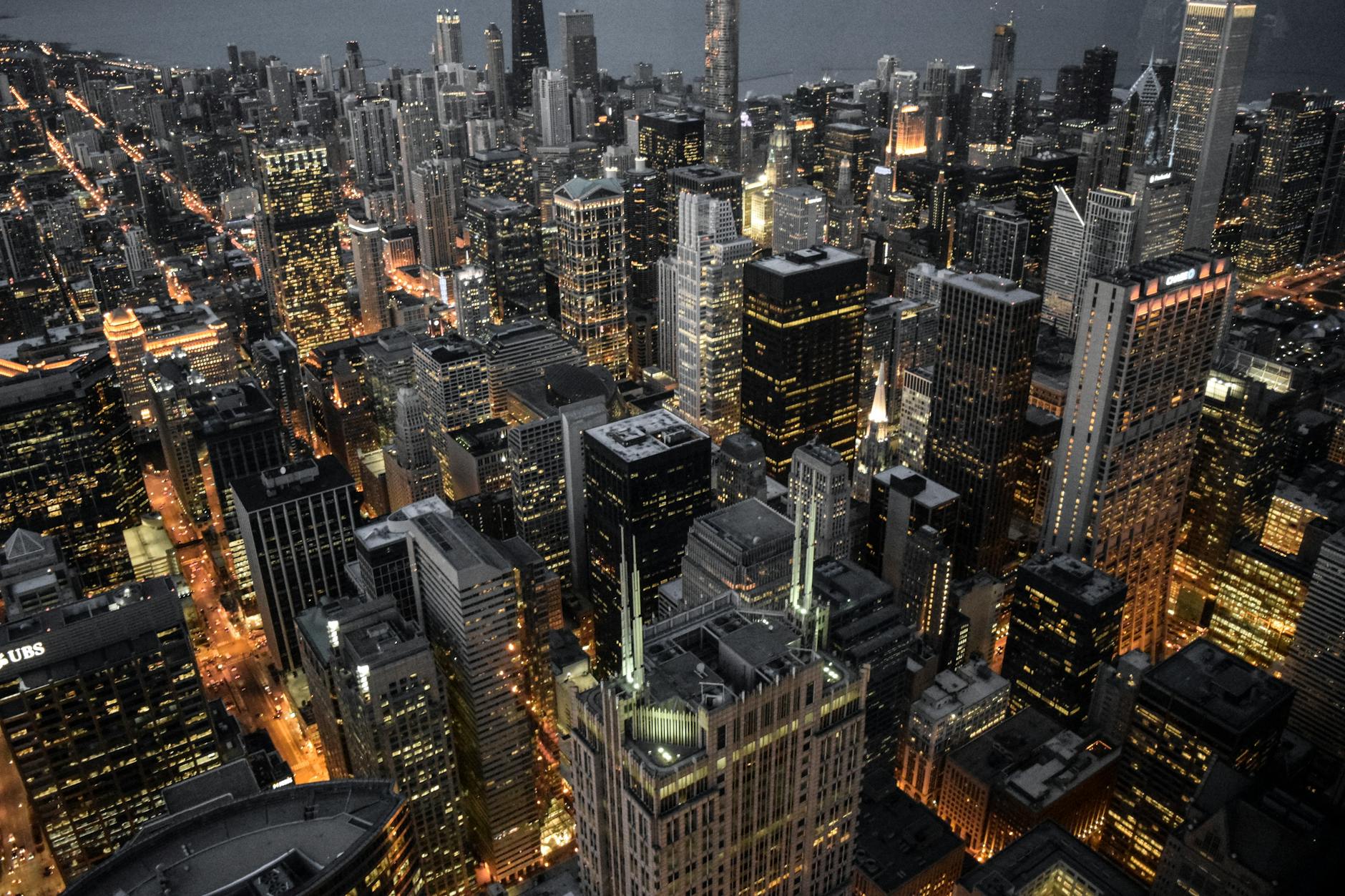
- Visit the Willis Tower, which offers stunning views of the city from its Skydeck on the 103rd floor. The best time to visit is during sunset, when the city lights up and the views are particularly breathtaking.
- Take a stroll along the Lakefront Trail, which offers beautiful views of Lake Michigan and the city skyline. The trail is perfect for walking, jogging, or biking, and there are many parks and beaches along the way to stop and enjoy.
- Explore the Art Institute of Chicago, which features a world-class collection of art from around the world. The museum is particularly famous for its Impressionist and Post-Impressionist collections, which include works by artists like Monet, Renoir, and Van Gogh.
- Catch a Cubs game at Wrigley Field, which is one of the most historic and iconic baseball stadiums in the US. The stadium is located in the heart of the Wrigleyville neighborhood, which is known for its lively atmosphere and many bars and restaurants.
- Visit the Millennium Park, which is home to many famous landmarks like the “Cloud Gate” sculpture (also known as “The Bean”) and the Jay Pritzker Pavilion. The park is a must-visit destination for anyone interested in architecture, art, or music.
- Take a food tour of the city, which will give you a taste of Chicago’s diverse culinary scene. Some popular food tour destinations include Little Italy, Pilsen, and the West Loop, which is known for its many restaurants and bars.
- Visit the Field Museum, which is one of the largest natural history museums in the world. The museum is home to many famous exhibits, including Sue, the largest T. rex skeleton ever found, and an ancient Egyptian collection that includes mummies and other artifacts.
💡 Practical Tips
- Visa requirements for common nationalities: US citizens do not need a visa to live and work in Chicago, but citizens of other countries may need to obtain a visa or work permit. The most common visa types for remote workers include the O-1 visa, which is available to individuals with extraordinary abilities, and the H-1B visa, which is available to individuals with specialized knowledge.
- Getting around: Chicago has a comprehensive public transportation system, including buses and trains. The city is also bike-friendly, with many bike lanes and bike-sharing programs. For those who prefer to drive, parking can be challenging, especially in the city center.
- Safety considerations: Chicago is generally a safe city, but as with any major city, there are some areas that are safer than others. Some areas to avoid include the South Side, which has higher crime rates, and the Loop, which can be crowded and chaotic. Common scams to watch out for include pickpocketing and street harassment.
- Best time to visit: The best time to visit Chicago is during the spring and summer months, when the weather is warm and sunny. The city’s many parks and beaches are perfect for outdoor activities, and the summer festivals and events are not to be missed.
- Local tips and warnings: Be prepared for the city’s unpredictable weather, which can range from hot and sunny to cold and snowy. Bring layers and waterproof gear to ensure you’re comfortable and dry. Also, be mindful of the city’s traffic and parking regulations, which can be complex and confusing.
- Money matters: The US dollar is the local currency, and credit cards are widely accepted. ATMs are plentiful, and many banks offer foreign exchange services. Tipping culture is prevalent in the US, so be sure to tip your servers, bartenders, and taxi drivers.
- Healthcare and insurance considerations: The US has a complex healthcare system, and it’s essential to have health insurance to cover any medical expenses. Many employers offer health insurance to their employees, but remote workers may need to purchase their own insurance. Some popular health insurance options for remote workers include Blue Cross Blue Shield and UnitedHealthcare.