🌍 Overview
Cartagena, Colombia, has emerged as a digital nomad destination, attracting remote workers with its unique blend of colonial architecture, vibrant cultural scene, and affordable cost of living. As a remote work hub, Cartagena offers a great balance of infrastructure, community, and lifestyle, making it an ideal location for digital nomads looking to escape the hustle and bustle of larger cities. The Cartagena nomad scene is growing rapidly, with many coworking spaces, cafes, and social events catering specifically to remote workers. The city’s overall vibe is relaxed and welcoming, with a rich history and stunning natural beauty, making it an excellent choice for those seeking a mix of work and play.
One of the primary draws for digital nomads in Cartagena is the cost of living. With a 1-bedroom apartment available for approximately $373 per month, it’s an attractive option for those looking to keep costs low. Additionally, the city’s social and nightlife scene is lively, with many opportunities to meet fellow nomads and locals alike. However, it’s essential to set realistic expectations, as Cartagena’s digital nomad infrastructure scores 37/100, indicating some limitations in terms of coworking spaces and high-speed internet.
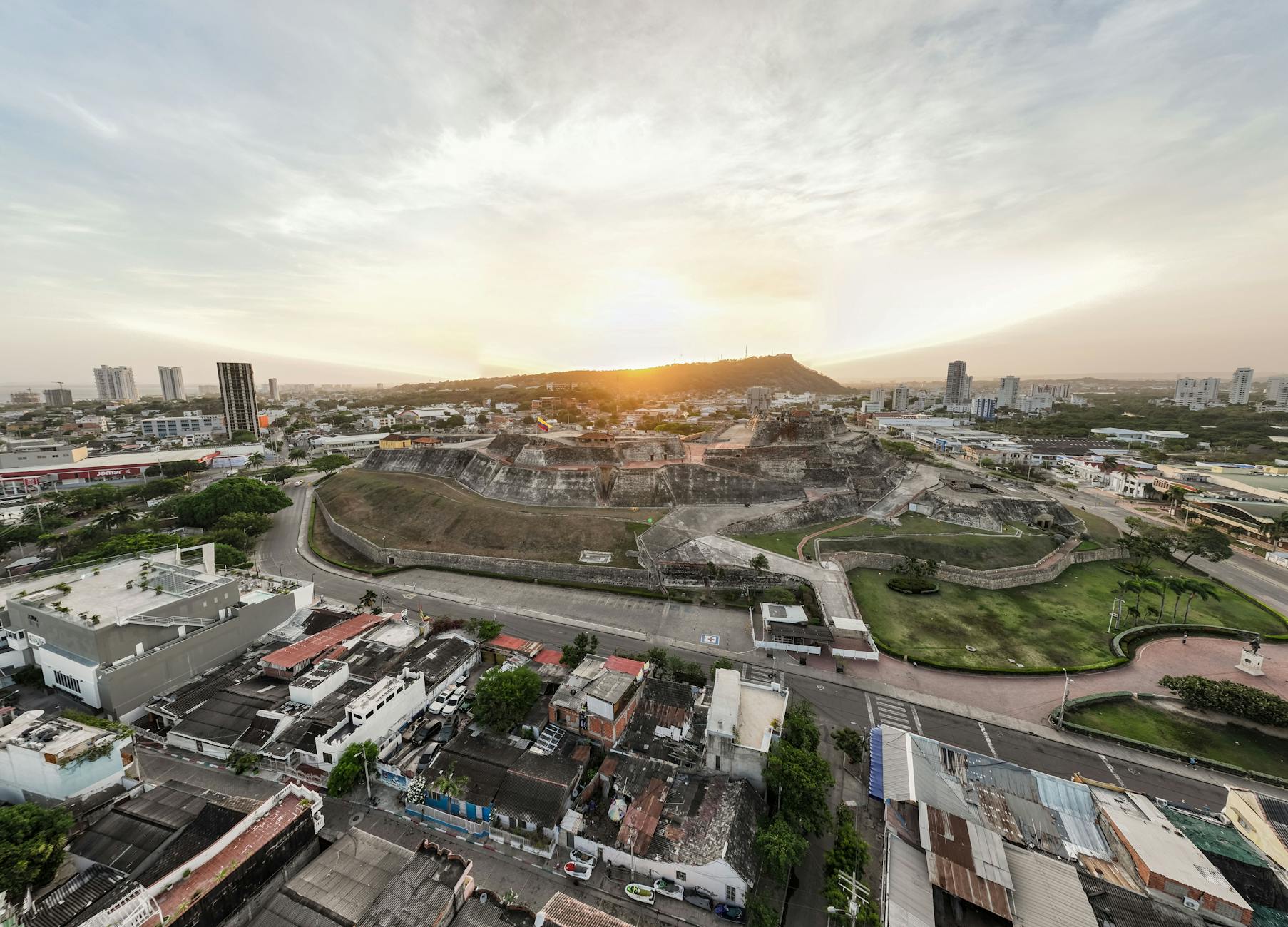
Despite these limitations, Cartagena’s unique charm and laid-back atmosphere make it an excellent choice for remote workers seeking a more relaxed pace of life. The city’s cultural attractions, such as the historic walled city and the Castillo San Felipe de Barajas, are a significant draw, and the local customs and etiquette are warm and welcoming. With a growing nomad community and a wide range of activities, from salsa dancing to snorkeling, Cartagena is an excellent choice for digital nomads looking to experience the best of Colombia.
🏘️ Best Neighborhoods
Getsemaní
Getsemaní is a vibrant and eclectic neighborhood that’s perfect for digital nomads. The area is known for its street art, lively nightlife, and affordable accommodation options, with monthly rents ranging from $250 to $400. The neighborhood has a unique, bohemian vibe, with many cafes, bars, and restaurants catering to a younger crowd. However, it can get noisy, especially on weekends, and the internet quality can be patchy in some areas. Notable streets include Calle de la Media Luna and Calle del Guerrero, which offer a range of accommodation options, cafes, and restaurants.
San Diego
San Diego is a charming neighborhood located within the walled city, offering a more upscale and historic experience. The area is known for its beautiful colonial architecture, quaint streets, and high-end restaurants. Monthly rents in San Diego range from $400 to $600, making it a more expensive option. However, the neighborhood is generally quiet, with good internet quality and a range of amenities, including coworking spaces and cafes. The area is popular with tourists, but it’s also a great spot for nomads looking to experience the city’s rich history and culture.
Bocagrande
Bocagrande is a modern neighborhood located on the beach, offering stunning views of the Caribbean Sea. The area is known for its high-rise apartments, shopping centers, and restaurants, making it a great option for nomads who want to be close to the beach. Monthly rents in Bocagrande range from $300 to $500, and the neighborhood has a range of amenities, including coworking spaces, gyms, and restaurants. However, it can get crowded and noisy, especially during peak season, and the internet quality can be patchy in some areas.
Manga
Manga is a quiet and residential neighborhood located just outside the walled city. The area is known for its tree-lined streets, parks, and affordable accommodation options, with monthly rents ranging from $200 to $350. The neighborhood has a relaxed, family-friendly vibe, with many locals and expats living in the area. However, it can be a bit far from the city center, and the internet quality can be slow in some areas. Notable streets include Calle de la Manga and Calle del Campestre, which offer a range of accommodation options and local amenities.
Digital Nomad Guide
For digital nomads, Cartagena has a range of coworking spaces, including Selina Cowork, which offers monthly memberships from $150 to $300, and Hubud, which offers daily passes from $10 to $20. The city’s internet quality is generally good, with average speeds of 11 Mbps, although fiber-optic internet is not widely available. The nomad community scene is growing, with many social events and meetups, including the Cartagena Digital Nomads Facebook group, which has over 1,000 members.
Some of the best cafes to work from in Cartagena include Cafe San Alberto, which offers excellent coffee and reliable wifi, and La Cevicheria, which has a great selection of seafood and a relaxed atmosphere. For visa options, remote workers can apply for a M-5 visa, which allows them to stay in the country for up to 3 years, or a M-10 visa, which is specifically designed for digital nomads and allows them to stay for up to 1 year. The cost of a visa can range from $200 to $500, depending on the type and duration.
For banking and practical setup, digital nomads can use services like TransferWise or PayPal to manage their finances, and many banks, such as Bancolombia, offer services in English. It’s also essential to have a good understanding of the local language, Spanish, although many locals in the tourism industry speak some English.
🎨 Culture & Vibe
Cartagena has a unique and vibrant cultural scene, with many local customs and etiquette to learn. For example, it’s customary to greet people with a kiss on the cheek, and to use formal titles such as “señor” or “señora” when addressing older people. The food scene is also excellent, with many must-try dishes, such as ceviche, arepas, and empanadas. The best neighborhoods for food are Getsemaní and San Diego, which offer a range of restaurants and cafes serving local and international cuisine.
The nightlife and social scene in Cartagena is lively, with many bars, clubs, and restaurants to choose from. The best nights to go out are Thursday, Friday, and Saturday, when the city comes alive with music and dancing. For arts and cultural attractions, the city has many excellent museums, galleries, and festivals, including the Museo del Oro, which showcases the city’s rich history and cultural heritage.
English proficiency in Cartagena is relatively low, especially outside the tourism industry, so it’s essential to have some basic Spanish skills to get around. However, many locals are friendly and willing to help, and there are many language schools and resources available for those who want to learn more.
⭐ Highlights
- Visit the historic walled city, a UNESCO World Heritage Site, and explore its narrow streets and colorful buildings.
- Take a boat trip to the Rosario Islands, a stunning archipelago with crystal-clear waters and white-sand beaches.
- Explore the vibrant neighborhood of Getsemaní, with its street art, lively nightlife, and affordable accommodation options.
- Visit the Castillo San Felipe de Barajas, a 17th-century fortress that offers stunning views of the city and the sea.
- Take a salsa dancing class, and experience the city’s vibrant music and dance scene.
- Visit the Museo del Oro, which showcases the city’s rich history and cultural heritage.
- Go snorkeling or diving in the Rosario Islands, and explore the city’s stunning natural beauty.
💡 Practical Tips
For visa requirements, US citizens can enter Colombia without a visa, while EU and UK citizens can stay for up to 90 days without a visa. However, it’s essential to check the latest visa requirements and regulations before traveling. For getting around, the city has a range of transport options, including taxis, buses, and ride-hailing apps like Uber. The cost of transportation is relatively low, with a taxi ride costing around $5 to $10.
For safety considerations, it’s essential to be aware of pickpocketing and petty theft, especially in crowded areas and tourist hotspots. It’s also recommended to avoid walking alone at night, especially in isolated areas. The best time to visit Cartagena is from December to April, when the weather is dry and sunny, and the city is less crowded.
For money matters, it’s essential to have a good understanding of the local currency, the Colombian peso, and to use reputable ATMs and currency exchange services. Tipping culture is also important, with 10% to 15% expected in restaurants and bars. For healthcare and insurance, it’s essential to have a good travel insurance policy that covers medical expenses and evacuations.
Overall, Cartagena is a unique and vibrant city that offers a great balance of work and play for digital nomads. With its rich history, stunning natural beauty, and welcoming culture, it’s an excellent choice for remote workers looking to experience the best of Colombia.