🌍 Overview
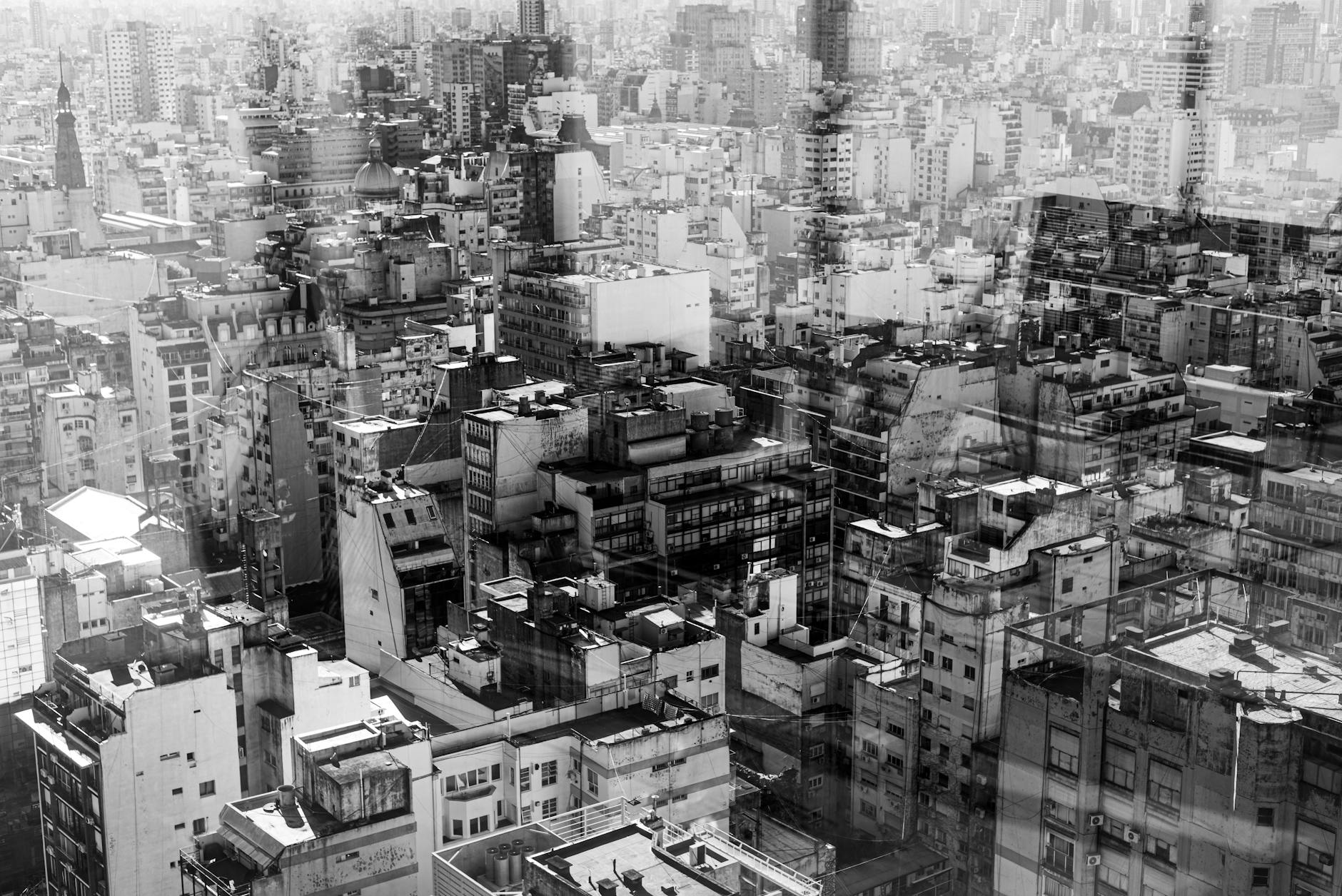
Buenos Aires, the vibrant capital of Argentina, has become a digital nomad destination of choice for many remote workers. The city’s unique blend of European and Latin American culture, rich history, and modern infrastructure makes it an attractive hub for those looking to experience the best of both worlds. As a remote work hub, Buenos Aires offers a relatively low cost of living, with a 1-bedroom apartment available for ~$229/month, and an average restaurant meal costing ~$5.2. This affordability, combined with a thriving social and nightlife scene, has drawn many digital nomads to the city. The Buenos Aires nomad scene is active and welcoming, with many coworking spaces, networking events, and social gatherings catering to remote workers.
The city’s infrastructure, while not perfect, has improved significantly in recent years, with many neighborhoods offering reliable internet connections, averaging 17 Mbps. While this speed may not be the fastest, it’s sufficient for most remote work needs. Additionally, some areas have access to fiber-optic internet, providing speeds of over 50 Mbps. The digital nomad infrastructure in Buenos Aires scores 55/100, indicating that while it’s not yet on par with major hubs like New York or London, it’s still a viable option for remote workers. The city’s social and nightlife scene, on the other hand, is thriving, with a score of 91/100, making it an ideal destination for those who want to balance work and play.
Buenos Aires is a city that’s full of life, energy, and passion. From the colorful streets of La Boca to the trendy bars and restaurants of Palermo, there’s always something to explore, discover, or experience. As a digital nomad, you’ll find that the city’s laid-back attitude and warm hospitality make it easy to settle in and feel at home. While it’s not without its challenges, Buenos Aires is a city that will captivate and inspire you, making it an excellent choice for remote workers looking for a unique and exciting experience.
🏘️ Best Neighborhoods
Palermo
Palermo is one of the most popular neighborhoods among digital nomads, and for good reason. The area is known for its trendy bars, restaurants, and cafes, making it an ideal spot for socializing and networking. The neighborhood has a lively, bohemian vibe, with many boutique shops, art galleries, and street performers adding to its charm. Typical monthly rent for a 1-bedroom apartment in Palermo ranges from $250-$400. While it can be noisy, especially at night, the area is generally safe, with a strong police presence. Internet quality is reliable, with many cafes and coworking spaces offering fast and stable connections.
Recoleta
Recoleta is a more upscale neighborhood, known for its beautiful architecture, high-end shopping, and world-class restaurants. The area is quieter than Palermo, making it a better choice for those who prefer a more relaxed atmosphere. Monthly rent for a 1-bedroom apartment in Recoleta ranges from $300-$500. The neighborhood is home to many embassies and diplomatic missions, giving it a more international feel. While it’s not as vibrant as Palermo, Recoleta has its own charm, with many beautiful parks, museums, and cultural attractions.
San Telmo
San Telmo is a historic neighborhood that’s steeped in tradition and character. The area is known for its antique shops, street performers, and lively markets. While it can be a bit rough around the edges, San Telmo has a unique energy that’s hard to find elsewhere. Monthly rent for a 1-bedroom apartment in San Telmo ranges from $200-$350. The neighborhood is a bit more off the beaten path, but it’s still within walking distance to many amenities, including coworking spaces and restaurants.
Belgrano
Belgrano is a charming neighborhood that’s located just north of Palermo. The area is known for its beautiful parks, upscale shopping, and excellent restaurants. Belgrano has a more suburban feel, making it a great choice for those who prefer a quieter, more laid-back atmosphere. Monthly rent for a 1-bedroom apartment in Belgrano ranges from $250-$400. The neighborhood is home to many expats and digital nomads, making it easy to connect with like-minded individuals.
Digital Nomad Guide
As a digital nomad in Buenos Aires, you’ll find that there are many coworking spaces to choose from, each with its own unique vibe and amenities. Some popular options include WeWork, which offers monthly rates starting at ~$200, and La Maquinita, which charges ~$150 per month. Internet quality is generally reliable, with average speeds of 17 Mbps. However, some coworking spaces and cafes offer fiber-optic internet, providing speeds of over 50 Mbps.
The nomad community in Buenos Aires is active and welcoming, with many social events, meetups, and networking opportunities. Some popular meetups include the Buenos Aires Digital Nomads group, which meets weekly at a local cafe, and the Buenos Aires Expats group, which hosts monthly events. You can also connect with other nomads through Facebook groups, such as the Buenos Aires Digital Nomads community.
When it comes to working from cafes, some popular options include Cafe San Juan, which offers fast and reliable wifi, and Cafe Tortoni, which is a historic cafe with a beautiful interior and excellent coffee. Both cafes have plenty of power outlets and comfortable seating, making them ideal for getting work done.
Visa options for remote workers in Argentina include the MERCOSUR visa, which allows citizens of certain countries to live and work in Argentina for up to 3 years, and the Temporary Resident visa, which is available for those who can demonstrate a minimum income of ~$1,000 per month. Banking and practical setup tips include opening a local bank account, which can be done with a passport and proof of address, and using a money transfer service like TransferWise to send and receive money internationally.
🎨 Culture & Vibe
Buenos Aires is a city that’s steeped in culture and tradition. From the passionate tango dancers to the vibrant street art, there’s always something to explore and discover. Local customs and etiquette include greeting people with a kiss on the cheek, using formal titles such as “señor” or “señora,” and respecting the siesta time, when many businesses and shops close for a few hours in the afternoon.
The food scene in Buenos Aires is incredible, with many must-try dishes including asado, empanadas, and choripan. Some of the best neighborhoods for food include Palermo, which is home to many trendy restaurants and bars, and San Telmo, which is known for its traditional Argentine cuisine. Prices for meals range from ~$5-$15 per person, making it an affordable and delicious destination for foodies.
Nightlife in Buenos Aires is legendary, with many bars, clubs, and live music venues to choose from. Some popular areas include Palermo, which is home to many trendy bars and clubs, and Recoleta, which has a more upscale and sophisticated vibe. The best nights to go out are usually Thursday, Friday, and Saturday, when the city comes alive with music, dancing, and revelry.
Arts and cultural attractions include the Teatro Colon, which is one of the most famous opera houses in the world, and the Museo Nacional de Bellas Artes, which features an impressive collection of Argentine and European art. The city is also home to many festivals and events, including the Buenos Aires International Film Festival and the Feria de San Pedro, which celebrates the city’s patron saint.
Language is not a major barrier in Buenos Aires, as many locals speak some English, especially in the service industry. However, learning some basic Spanish phrases, such as “gracias” (thank you) and “¿dónde está…?” (where is…?), can go a long way in enhancing your experience.
⭐ Highlights
- Visit the Teatro Colon, one of the most famous opera houses in the world, and take a guided tour of the building and its history.
- Explore the colorful streets of La Boca, including Caminito, which is a famous street filled with street art, tango dancers, and live music.
- Take a stroll through the beautiful parks and gardens of Palermo, including the Jardín Botánico, which features a stunning collection of plants and flowers.
- Visit the Feria de San Telmo, which is a bustling market filled with antique shops, street performers, and live music.
- Attend a live tango show at a milonga, such as Cafe Tortoni, which is a historic cafe that features live tango music and dancing.
- Take a day trip to the nearby town of Tigre, which is located on the Paraná River and features stunning scenery, boat rides, and outdoor activities.
- Visit the Museo Nacional de Bellas Artes, which features an impressive collection of Argentine and European art, including works by famous artists such as Monet and Picasso.
💡 Practical Tips
Visa requirements for common nationalities include:
- US citizens: can enter Argentina as a tourist for up to 90 days without a visa, but may need to apply for a Temporary Resident visa if they plan to stay longer.
- EU citizens: can enter Argentina as a tourist for up to 90 days without a visa, but may need to apply for a Temporary Resident visa if they plan to stay longer.
- UK citizens: can enter Argentina as a tourist for up to 90 days without a visa, but may need to apply for a Temporary Resident visa if they plan to stay longer.
Getting around Buenos Aires is relatively easy, with many transportation options available, including buses, taxis, and ride-hailing apps like Uber. The city also has a comprehensive metro system, which is efficient and affordable.
Safety considerations include being aware of pickpocketing and petty theft, especially in crowded areas and tourist hotspots. It’s also a good idea to avoid walking alone in dimly lit or deserted areas at night.
The best time to visit Buenos Aires is during the spring (September to November) and autumn (March to May), when the weather is mild and pleasant. Summer can be hot and humid, while winters can be cool and rainy.
Local tips and warnings include being mindful of the siesta time, when many businesses and shops close for a few hours in the afternoon, and respecting local customs and etiquette, such as greeting people with a kiss on the cheek.
Money matters include using a money transfer service like TransferWise to send and receive money internationally, and being aware of the local currency, the Argentine peso. ATMs are widely available, but it’s a good idea to have some cash on hand, especially when traveling to rural areas.
Healthcare and insurance considerations include having travel insurance that covers medical expenses, and being aware of the local healthcare system, which is generally good but may not be up to the standards of Western countries.