🌍 Overview
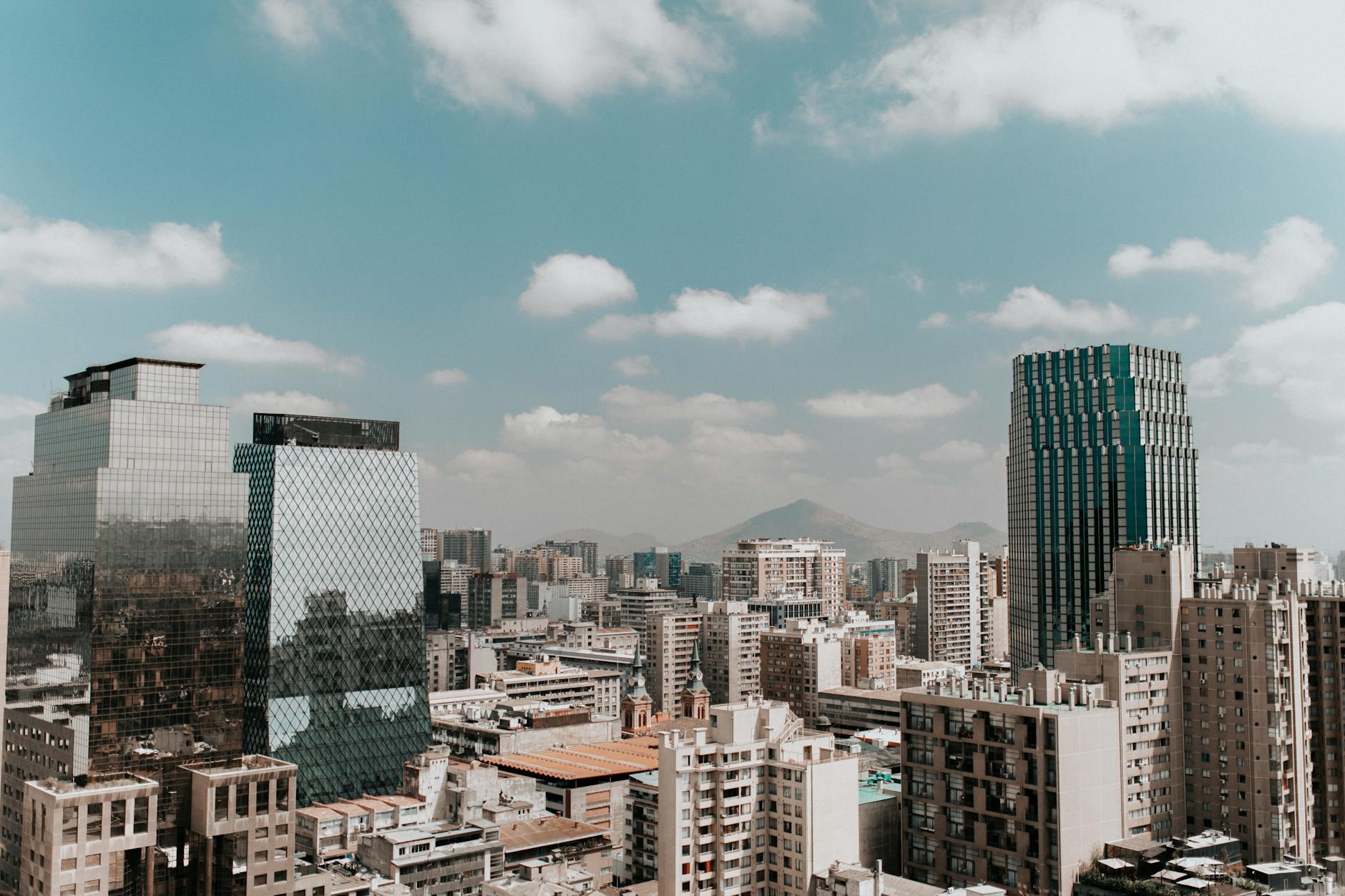
Montevideo, the capital city of Uruguay, has been quietly rising as a digital nomad destination in recent years. With its laid-back atmosphere, affordable cost of living, and growing expat community, it’s no wonder why remote workers are flocking to this charming city. As a seasoned digital nomad who’s spent three months in Montevideo, I can attest that it’s a hidden gem for those seeking a work-life balance in a vibrant, yet relaxed, environment. With its digital nomad infrastructure scoring a respectable 52/100, Montevideo offers a solid foundation for remote workers, including high-speed internet options and a range of coworking spaces.
One of the key draws for digital nomads is the city’s affordability. Renting a one-bedroom apartment in a desirable neighborhood can cost as little as $316 per month, while a meal at a mid-range restaurant will set you back around $7. Coffee, a staple for many nomads, costs approximately $1.9. This affordable lifestyle, combined with the city’s warm welcome for expats, makes Montevideo an attractive option for remote workers seeking a low-stress, high-productivity environment.
Beyond its practical advantages, Montevideo’s unique culture and vibe are also major draws. The city has a thriving arts scene, with numerous galleries and museums showcasing local talent. The food scene, too, is a highlight, with a focus on fresh seafood, meats, and traditional Uruguayan dishes like asado and chivito. While the nightlife scene is relatively low-key compared to other South American cities, there are still plenty of options for those looking to socialize, from trendy bars to live music venues.
🏘️ Best Neighborhoods
Punta Carretas
Punta Carretas is a popular neighborhood among digital nomads, offering a mix of modern amenities and old-world charm. The area is known for its picturesque harbor, lively nightlife, and upscale shopping districts. Renting a one-bedroom apartment in Punta Carretas can cost between $400-$600 per month, depending on the location and amenities. While it’s one of the more expensive neighborhoods, the area’s vibrant atmosphere and convenient access to coworking spaces make it a top choice for many nomads.
Pros: Modern amenities, harbor views, lively nightlife Cons: Expensive compared to other neighborhoods, some areas can get noisy
Notable streets: Avenida 18 de Julio, Avenida Rivera
Ciudad Vieja
Ciudad Vieja, or Old Town, is Montevideo’s historic center, filled with colonial-era architecture, charming plazas, and cobblestone streets. This neighborhood offers a unique blend of culture, history, and entertainment, making it a favorite among digital nomads. Renting a one-bedroom apartment in Ciudad Vieja can cost between $300-$500 per month, depending on the location and condition of the property.
Pros: Rich history, cultural attractions, charming atmosphere Cons: Some areas can be narrow and winding, limited parking options
Notable streets: Plaza Independencia, Calle Sarandí
Pocitos
Pocitos is a family-friendly neighborhood with a relaxed atmosphere, perfect for nomads seeking a quieter lifestyle. The area is known for its beautiful parks, tree-lined streets, and upscale residences. Renting a one-bedroom apartment in Pocitos can cost between $350-$550 per month, depending on the location and amenities.
Pros: Family-friendly atmosphere, parks and green spaces, quiet streets Cons: Limited nightlife options, some areas can feel too quiet for some nomads
Notable streets: Calle Francisco Maciel, Avenida Rivera
Barrio Sur
Barrio Sur is a vibrant and eclectic neighborhood, home to a mix of artists, musicians, and digital nomads. The area is known for its street art, independent cafes, and live music venues. Renting a one-bedroom apartment in Barrio Sur can cost between $250-$400 per month, depending on the location and condition of the property.
Pros: Vibrant atmosphere, street art, live music venues Cons: Some areas can be rough around the edges, limited parking options
Notable streets: Calle 25 de Mayo, Calle Garibaldi
Digital Nomad Guide
Coworking Spaces
Some popular coworking spaces in Montevideo include:
- Impact Hub: A modern coworking space with high-speed internet, private offices, and networking events. Monthly rates start at around $200-$300.
- WeWork Montevideo: A global coworking chain with multiple locations in the city, offering high-end amenities, networking opportunities, and fast internet. Monthly rates start at around $250-$400.
- CoLab: A community-driven coworking space with a relaxed atmosphere, high-speed internet, and regular events. Monthly rates start at around $150-$250.
Internet quality in Montevideo is generally reliable, with average speeds of around 25 Mbps. Fiber connectivity is available in most neighborhoods, with some areas offering speeds of up to 1 Gbps.
Nomad Community
Montevideo has a growing expat community, with numerous Facebook groups, meetups, and events catering to digital nomads. Some popular spots for nomads to socialize include:
- The Nomad List: A popular Facebook group for digital nomads in Montevideo, organizing regular meetups and events.
- Coworking Montevideo: A community-driven space with regular events, workshops, and networking opportunities.
- Coffee shops: Many cafes in the city offer high-speed internet and a relaxed atmosphere, making them perfect spots for remote workers to hang out.
Cafes and Restaurants
Some popular cafes and restaurants in Montevideo include:
- Café Barista: A trendy coffee shop in Punta Carretas with high-speed internet and delicious coffee.
- Bistro del Puerto: A waterfront restaurant in Ciudad Vieja with a menu of fresh seafood and Uruguayan classics.
- La Casa de los Abuelos: A cozy cafe in Pocitos with a relaxed atmosphere and high-speed internet.
Visa Options
Remote workers can apply for a Temporary Stay Visa (Visa de Estancia Temporal) or a Resident Visa (Visa de Residente) depending on their nationality and length of stay. The Temporary Stay Visa is valid for up to 3 months and requires a minimum stay of 1 month. The Resident Visa is valid for up to 1 year and requires a minimum stay of 6 months.
Banking and Practical Setup
Remote workers can open a local bank account at institutions like Banco Santander or Banco de la República Oriental del Uruguay. Some banks offer high-interest rates for foreign currency accounts, while others offer free international transactions. It’s essential to research and compare rates before opening an account.
🎨 Culture & Vibe
Local Customs and Etiquette
Uruguayans are known for their warm hospitality and respect for tradition. When interacting with locals, it’s essential to:
- Learn some Spanish: While many Uruguayans speak some English, learning basic Spanish phrases will go a long way in showing respect and appreciation for the culture.
- Dress modestly: Uruguay is a conservative country, and visitors should dress modestly when visiting churches or attending cultural events.
- Respect traditions: Uruguayans take pride in their traditions, and visitors should respect local customs, especially during festivals and celebrations.
Food Scene Highlights
Uruguay is famous for its asado, a traditional barbecue featuring grilled meats, seafood, and vegetables. Other must-try dishes include:
- Chivito: A sandwich piled high with thinly sliced steak, ham, eggs, and cheese.
- Cazuela: A hearty stew made with beef, lamb, or chicken, served with rice, potatoes, and vegetables.
- Fainá: A traditional flatbread served with olive oil, herbs, and cheese.
Nightlife and Social Scene
Montevideo’s nightlife scene is relatively low-key compared to other South American cities, but there are still plenty of options for those looking to socialize. Some popular spots include:
- Café Barista: A trendy coffee shop in Punta Carretas with live music and a relaxed atmosphere.
- Baires Bar: A popular bar in Ciudad Vieja with a wide selection of cocktails and live music.
- La Casa de los Abuelos: A cozy cafe in Pocitos with a relaxed atmosphere and high-speed internet.
⭐ Highlights
- Old City (Ciudad Vieja): Explore the historic center, visit the Plaza Independencia, and admire the colonial-era architecture.
- Punta Carretas: Visit the picturesque harbor, stroll along the waterfront, and enjoy the lively nightlife.
- Pocitos: Relax in the beautiful parks, visit the Francisco Maciel Museum, and enjoy the family-friendly atmosphere.
- Barrio Sur: Explore the street art, visit the independent cafes, and enjoy the live music venues.
- Asado: Experience the traditional Uruguayan barbecue, featuring grilled meats, seafood, and vegetables.
- Cazuela: Try the hearty stew made with beef, lamb, or chicken, served with rice, potatoes, and vegetables.
💡 Practical Tips
Visa Requirements
- US citizens: Can apply for a Temporary Stay Visa (Visa de Estancia Temporal) or a Resident Visa (Visa de Residente) depending on their length of stay.
- EU citizens: Can apply for a Resident Visa (Visa de Residente) for up to 1 year.
- UK citizens: Can apply for a Temporary Stay Visa (Visa de Estancia Temporal) or a Resident Visa (Visa de Residente) depending on their length of stay.
Getting Around
Montevideo has a comprehensive public transportation system, including buses and taxis. Some popular apps for getting around the city include:
- Uber: Available in Montevideo, with a range of options from economy to luxury.
- Taxi: A reliable option for shorter trips, with many taxi companies operating in the city.
- Bus: A convenient and affordable option for longer trips, with multiple bus lines connecting the city.
Safety Considerations
Montevideo is generally a safe city, but visitors should still take precautions:
- Avoid walking alone at night: Stick to well-lit streets and avoid walking alone in isolated areas.
- Be mindful of pickpocketing: Keep valuables secure and be aware of your surroundings in crowded areas.
- Respect local customs: Avoid engaging in public displays of affection or disrespecting local traditions.
Money Matters
Uruguay uses the Uruguayan Peso (UYU) as its official currency. Some banks and exchange offices offer favorable exchange rates for foreign currency, while others charge high fees. It’s essential to research and compare rates before exchanging money.
Healthcare and Insurance
Uruguay has a well-regarded healthcare system, with many hospitals and medical facilities throughout the city. Visitors should consider purchasing travel insurance to cover medical expenses and other emergencies.
I hope this comprehensive guide has provided you with valuable insights into the Montevideo experience. Whether you’re a seasoned digital nomad or just starting out, Montevideo offers a unique blend of culture, history, and lifestyle that’s hard to find elsewhere. Happy travels!