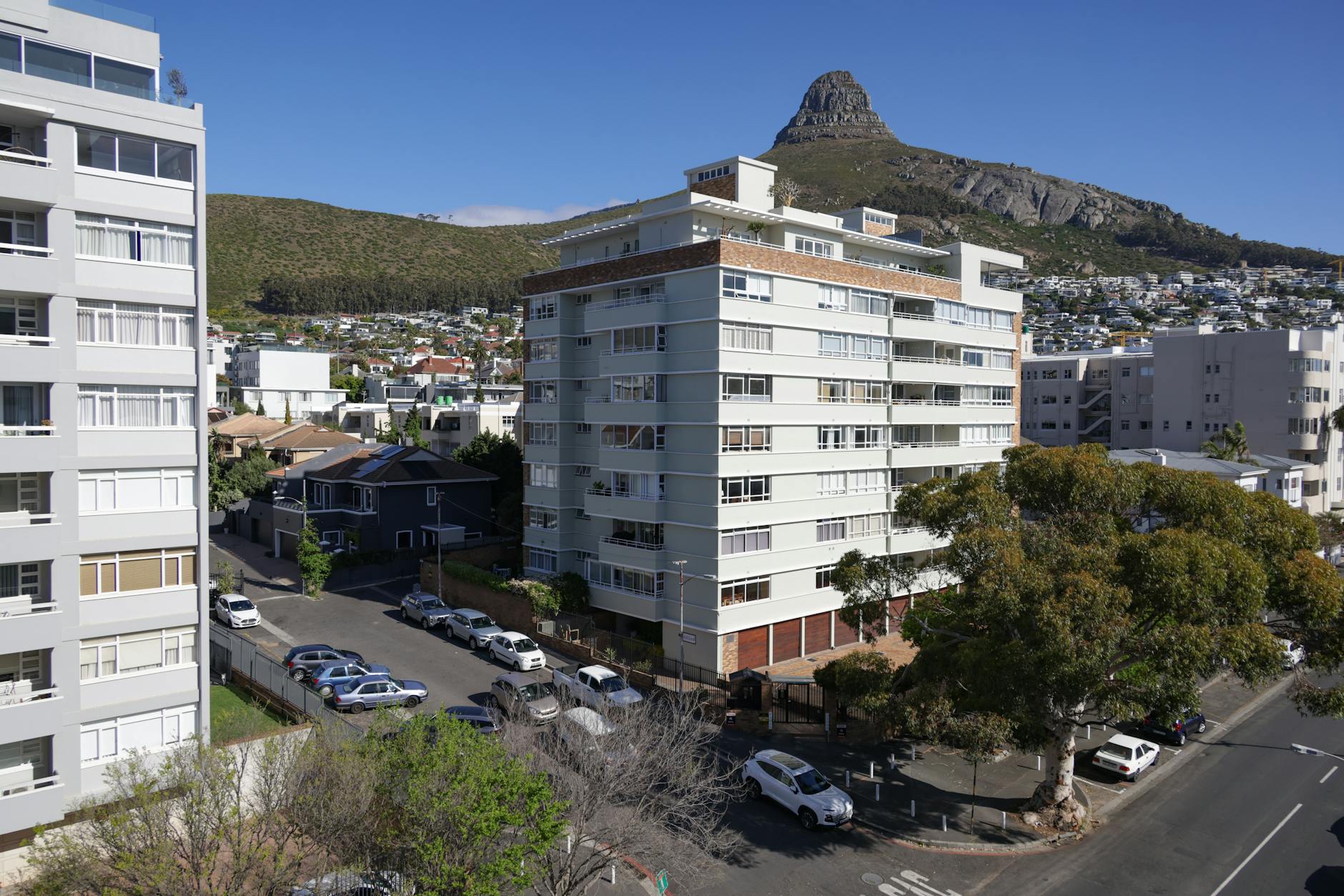
🌍 Overview
Cape Town is a thriving digital nomad destination, offering a unique blend of stunning natural beauty, vibrant culture, and a growing remote work hub. As a digital nomad in Cape Town, you can expect a laid-back lifestyle, with plenty of opportunities to enjoy the great outdoors, from surfing and hiking to wine tastings and beach trips. The city’s cost of living is relatively low, with a 1-bedroom apartment costing around $494 per month, making it an attractive option for remote workers. The Cape Town nomad scene is also growing, with a number of coworking spaces, meetups, and events catering to digital nomads. However, it’s essential to have realistic expectations, as the city’s digital nomad infrastructure scores 46/100, indicating some limitations in terms of high-speed internet and coworking options.
Despite these limitations, Cape Town’s natural beauty and outdoor activities make it an ideal location for adventure-seekers and nature lovers. The city’s social and nightlife scene is also worth exploring, with a score of 42/100, indicating a relatively low-key but still vibrant atmosphere. Cultural attractions, such as museums and galleries, are also available, although the city’s cultural scene scores 40/100, suggesting a more limited range of options. English is widely spoken, making it easy for digital nomads to communicate and navigate the city.
One of the main draws for digital nomads in Cape Town is the city’s relaxed atmosphere and stunning natural surroundings. The proximity to nature reserves, beaches, and wine estates makes it an ideal location for those who want to balance work and play. The city’s growing nomad community is also a major draw, with many like-minded individuals and entrepreneurs to connect with. However, it’s essential to be aware of the city’s limitations, including the occasional power outages and water restrictions, which can impact remote work.
🏘️ Best Neighborhoods
City Bowl
The City Bowl is a popular neighborhood for digital nomads, offering a vibrant atmosphere, with a mix of old and new buildings, trendy cafes, and restaurants. The neighborhood is relatively safe, with a strong police presence, and is within walking distance to many coworking spaces and amenities. Rent prices are around $400-$600 per month for a 1-bedroom apartment. However, the area can be noisy, especially at night, and internet quality can be patchy in some areas.
Woodstock
Woodstock is a hip and artsy neighborhood, known for its street art, independent cafes, and boutique shops. The area has a laid-back vibe, with a mix of young professionals and families. Rent prices are around $350-$550 per month for a 1-bedroom apartment. The neighborhood is relatively safe, with a strong sense of community, and is close to many amenities, including coworking spaces and restaurants. However, the area can be a bit rough around the edges, and internet quality can be limited in some areas.
Sea Point
Sea Point is a popular neighborhood for digital nomads, offering stunning ocean views, a vibrant promenade, and a range of amenities, including restaurants, cafes, and gyms. The area is relatively safe, with a strong police presence, and is within walking distance to many coworking spaces and amenities. Rent prices are around $500-$700 per month for a 1-bedroom apartment. However, the area can be quite touristy, and internet quality can be patchy in some areas.
Observatory
Observatory, also known as Obs, is a charming neighborhood, known for its bohemian vibe, independent cafes, and eclectic shops. The area has a strong sense of community, with a mix of young professionals, families, and students. Rent prices are around $300-$500 per month for a 1-bedroom apartment. The neighborhood is relatively safe, with a strong police presence, and is close to many amenities, including coworking spaces and restaurants. However, the area can be a bit noisy, especially at night, and internet quality can be limited in some areas.
Digital Nomad Guide
For digital nomads in Cape Town, there are a number of coworking spaces to choose from, including Neighbourgoods, Workshop 17, and Spin Street House. Prices range from around $100-$300 per month, depending on the space and amenities. Internet quality is generally good, with average speeds of 12 Mbps, although fiber availability is limited in some areas.
The nomad community in Cape Town is growing, with a number of meetups and events catering to digital nomads. The Cape Town Digital Nomads Facebook group is a great resource for connecting with other nomads, finding accommodation, and getting tips on the best places to work and play. The group also organizes regular meetups, including coffee mornings and networking events.
For those looking for a productive workspace, there are a number of cafes and restaurants with good wifi and a relaxed atmosphere. The Loading Bay, a coworking space and cafe, offers a productive workspace, with fast wifi and a range of amenities, including meeting rooms and a gym. The cafe is located in the heart of the city, making it easy to access and navigate. Other popular spots include the Neighbourgoods Market, which offers a range of food and drink options, as well as a vibrant atmosphere, and the Company’s Garden, a beautiful park with plenty of green space and a peaceful atmosphere.
In terms of visa options, South Africa offers a range of visas for remote workers, including the Critical Skills Visa and the General Work Visa. The Critical Skills Visa is designed for individuals with specialized skills, such as IT or healthcare professionals, and requires a job offer from a South African employer. The General Work Visa is more general, requiring a job offer from a South African employer and a minimum salary of around $2,500 per month. Both visas require a range of documentation, including a passport, proof of qualifications, and a police clearance certificate.
For banking and practical setup, it’s essential to have a local bank account and a South African SIM card. FNB and Standard Bank are two of the most popular banks for digital nomads, offering a range of services, including online banking and credit cards. For SIM cards, Vodacom and MTN are two of the most popular providers, offering a range of plans and packages, including data and voice options.
🎨 Culture & Vibe
Cape Town has a unique cultural vibe, with a mix of African, European, and Asian influences. The city is known for its stunning natural beauty, with Table Mountain and the Atlantic Ocean providing a breathtaking backdrop. The local customs and etiquette are relatively relaxed, with a strong emphasis on community and respect for the environment.
The food scene in Cape Town is also worth exploring, with a range of delicious and affordable options, including traditional South African dishes, such as bobotie and boerewors, as well as international cuisine, including Italian, Chinese, and Indian. The average cost of a meal is around $7, making it an affordable option for digital nomads. The city’s best neighborhoods for food include the Bo-Kaap, with its colorful houses and vibrant street food scene, and the Waterfront, with its range of restaurants and cafes.
In terms of nightlife, Cape Town has a relatively low-key scene, with a range of bars, clubs, and live music venues to choose from. The city’s best nights out are usually on Fridays and Saturdays, with many venues offering live music and DJs. The Waterfront and Long Street are two of the most popular areas for nightlife, with a range of bars, clubs, and restaurants to choose from.
The arts and cultural scene in Cape Town is also worth exploring, with a range of museums, galleries, and festivals to choose from. The city’s most popular cultural attractions include the National Gallery, the South African Museum, and the Cape Town International Jazz Festival.
English is widely spoken in Cape Town, making it easy for digital nomads to communicate and navigate the city. However, it’s also possible to learn Afrikaans and other local languages, with a range of language schools and courses available.
⭐ Highlights
- Table Mountain: Take a hike up Table Mountain, with stunning views of the city and the Atlantic Ocean. The best time to visit is early morning or late afternoon, when the sun is not too strong. The hike is around 2-3 hours, depending on the route, and offers breathtaking views of the city and the surrounding landscape.
- Cape of Good Hope: Visit the Cape of Good Hope, with its stunning natural beauty and rich history. The best time to visit is during the week, when it’s less crowded, and the drive is around 1-2 hours, depending on traffic. The cape offers a range of hiking trails, beaches, and scenic viewpoints, making it a must-visit destination for nature lovers.
- Boulders Beach: See the famous African penguins at Boulders Beach, with their unique and fascinating behavior. The best time to visit is during the morning, when the penguins are most active, and the entrance fee is around $10. The beach is also a great spot for swimming and sunbathing, with its calm and clear waters.
- Wine Country: Explore the beautiful wine country, with its stunning scenery and world-class wines. The best time to visit is during the summer months, when the weather is warm and sunny, and the drive is around 1-2 hours, depending on the region. The wine country offers a range of wine tastings, tours, and restaurants, making it a must-visit destination for wine lovers.
- Bo-Kaap: Visit the colorful Bo-Kaap neighborhood, with its vibrant street food scene and stunning views of the city. The best time to visit is during the day, when the streets are bustling with activity, and the neighborhood is within walking distance to many amenities, including restaurants and cafes.
- Robben Island: Take a ferry to Robben Island, with its rich history and stunning natural beauty. The best time to visit is during the morning, when the weather is calm and clear, and the ferry ride is around 30 minutes, depending on the route. The island offers a range of hiking trails, beaches, and scenic viewpoints, making it a must-visit destination for history buffs and nature lovers.
💡 Practical Tips
- Visa requirements: Check the visa requirements for your nationality, with a range of options available, including the Critical Skills Visa and the General Work Visa. The application process can take several weeks, so it’s essential to plan ahead and apply early.
- Getting around: Use public transport, including buses and trains, or rent a car to explore the city and surrounding areas. The MyCiTi bus system is a convenient and affordable option, with a range of routes and frequencies.
- Safety: Be aware of your surroundings, especially at night, and take necessary precautions to stay safe. The city has a range of safety initiatives, including CCTV cameras and security patrols, but it’s still essential to be vigilant and aware of your surroundings.
- Best time to visit: Visit during the summer months (December to February), with warm weather and long days. The city is also less crowded during the week, making it a great time to explore and enjoy the local attractions.
- Local tips: Learn some basic Afrikaans phrases, such as “hello” (hallo) and “thank you” (dankie), to show respect for the local culture. The city also has a range of cultural events and festivals, including the Cape Town International Jazz Festival and the Cape Town Festival, which are worth attending and experiencing.
- Money matters: Use ATMs and credit cards, and be aware of the exchange rate, with around 15-20 rand per dollar. The city also has a range of currency exchange offices and banks, making it easy to access and manage your money.
- Healthcare: Have adequate health insurance, and be aware of the local healthcare system, with a range of public and private hospitals and clinics. The city also has a range of medical services, including doctors and dentists, making it easy to access and receive medical care.