🌍 Overview
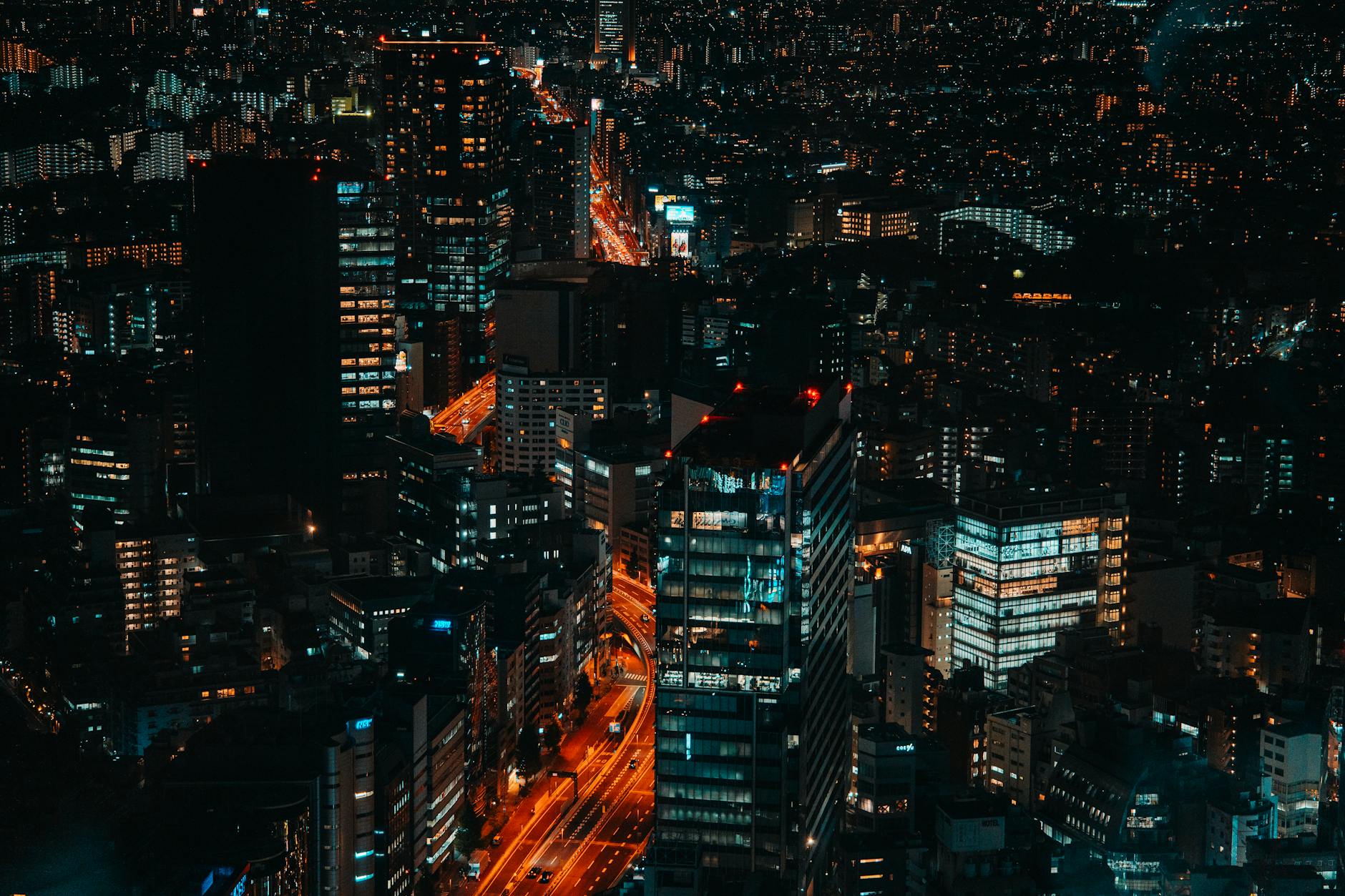
Tokyo, Japan - the ultimate digital nomad destination. As a seasoned remote worker, I can attest that this vibrant, eclectic city offers a unique blend of modernity, tradition, and innovation that makes it an ideal hub for digital nomads. With its cutting-edge infrastructure, thriving coworking scene, and welcoming community, Tokyo has become a magnet for remote workers from all over the world. From the neon-lit streets of Shinjuku to the tranquil gardens of the Imperial Palace, Tokyo’s eclectic vibe and endless possibilities make it a paradise for digital nomads.
One of the key draws for digital nomads is Tokyo’s affordability. Compared to other major cities, the cost of living in Tokyo is relatively low, with a 1-bedroom apartment rent averaging around $1,011 per month. Eating out is also a breeze, with an average meal costing around $6.50 at a local restaurant. And, of course, no coffee culture is complete without a decent cup of joe, which in Tokyo will set you back around $2.60.
Beyond the practicalities, Tokyo’s nomad scene is what really sets it apart. From the sleek, modern coworking spaces to the bustling cafes and social events, there’s always something happening. And with a thriving expat community and plenty of opportunities to learn Japanese, Tokyo is the perfect place to immerse yourself in a new culture.
🏘️ Best Neighborhoods
Shibuya
Shibuya is the epicenter of Tokyo’s digital nomad scene, with its vibrant streets, trendy cafes, and world-class coworking spaces. This bustling neighborhood is home to some of the city’s most iconic landmarks, including the famous Shibuya Crossing and the statue of Hachiko, the loyal Akita dog.
Pros:
- Easy access to major coworking spaces like WeWork Shibuya and Regus Shibuya
- Excellent internet speeds (average 50 Mbps) and fiber availability
- Vibrant nightlife and social scene, with plenty of bars, clubs, and live music venues
- Plenty of restaurants, cafes, and food shops to choose from
Cons:
- Can be crowded and noisy, especially around Shibuya Crossing
- Rent prices are relatively high, with a 1-bedroom apartment averaging around $1,500 per month
Shinjuku
Shinjuku is another popular neighborhood for digital nomads, with its mix of traditional and modern culture, trendy cafes, and world-class coworking spaces. This bustling area is home to some of Tokyo’s most famous landmarks, including the Tokyo Metropolitan Government Building and the Shinjuku Gyoen National Garden.
Pros:
- Easy access to major coworking spaces like WeWork Shinjuku and OpenOffice Shinjuku
- Excellent internet speeds (average 50 Mbps) and fiber availability
- Vibrant nightlife and social scene, with plenty of bars, clubs, and live music venues
- Plenty of restaurants, cafes, and food shops to choose from
Cons:
- Can be crowded and noisy, especially around Shinjuku Station
- Rent prices are relatively high, with a 1-bedroom apartment averaging around $1,200 per month
Harajuku
Harajuku is a fashion-forward neighborhood that’s become a hotspot for digital nomads. This vibrant area is known for its unique fashion styles, trendy cafes, and world-class coworking spaces. From the famous Takeshita Street to the beautiful Yoyogi Park, Harajuku is a must-visit destination for any digital nomad.
Pros:
- Easy access to major coworking spaces like WeWork Harajuku and Coworking Harajuku
- Excellent internet speeds (average 50 Mbps) and fiber availability
- Vibrant nightlife and social scene, with plenty of bars, clubs, and live music venues
- Plenty of restaurants, cafes, and food shops to choose from
Cons:
- Can be crowded and noisy, especially around Takeshita Street
- Rent prices are relatively high, with a 1-bedroom apartment averaging around $1,500 per month
Roppongi
Roppongi is a more laid-back neighborhood that’s gaining popularity among digital nomads. This area is known for its trendy cafes, world-class coworking spaces, and vibrant nightlife. From the famous Roppongi Hills to the beautiful Tokyo Midtown, Roppongi is a great place to relax and unwind.
Pros:
- Easy access to major coworking spaces like WeWork Roppongi and Regus Roppongi
- Excellent internet speeds (average 50 Mbps) and fiber availability
- Relatively quiet and peaceful, with fewer crowds and noise
- Plenty of restaurants, cafes, and food shops to choose from
Cons:
- Rent prices are relatively high, with a 1-bedroom apartment averaging around $1,200 per month
- Less vibrant nightlife and social scene compared to other neighborhoods
Digital Nomad Guide
Coworking Spaces
- WeWork Shibuya: $250-$500 per month (day passes available)
- WeWork Shinjuku: $250-$500 per month (day passes available)
- WeWork Harajuku: $300-$600 per month (day passes available)
- OpenOffice Shinjuku: $200-$400 per month (day passes available)
- Regus Shibuya: $200-$400 per month (day passes available)
Internet Quality
- Average internet speed: 32 Mbps
- Fiber availability: widespread
- Recommended internet service providers: NTT Communications, KDDI, SoftBank
Nomad Community Scene
- Tokyo Nomad Community: a Facebook group with over 1,000 members
- Tokyo Digital Nomads: a meetup group with regular events and meetups
- Coworking Tokyo: a coworking space with a built-in community and events
Best Cafes to Work From
- Cafe Kitsunega: a trendy cafe in Shibuya with fast Wi-Fi and a relaxed atmosphere
- Cafe Riche: a cozy cafe in Harajuku with fast Wi-Fi and a warm atmosphere
- Cafe de la Paix: a stylish cafe in Roppongi with fast Wi-Fi and a modern atmosphere
Visa Options
- Visa types: temporary visitor visa, work visa, study visa
- Requirements: valid passport, proof of income, proof of education
- Costs: $50-$100 per application
Banking and Practical Setup
- Recommended banks: Tokyo Mitsubishi UFJ Bank, Tokyo Sumitomo Mitsui Banking Corporation
- Recommended money transfer services: TransferWise, PayPal
- Recommended phone providers: NTT DoCoMo, KDDI, SoftBank
🎨 Culture & Vibe
Local Customs and Etiquette
- Bowing: a sign of respect and gratitude
- Gift-giving: a way to show appreciation and respect
- Table manners: use chopsticks correctly, don’t leave your chopsticks standing upright in your rice bowl
Food Scene Highlights
- Must-try dishes: sushi, ramen, tempura
- Best neighborhoods for food: Shibuya, Shinjuku, Harajuku
- Price ranges: $6-$20 per meal
Nightlife and Social Scene
- Where locals go: Roppongi, Shibuya, Shinjuku
- Where tourists go: Kabukicho, Golden Gai, Shinjuku
- Best nights of the week: Friday and Saturday
Arts and Cultural Attractions
- Must-see attractions: Tokyo National Museum, National Museum of Western Art, Tokyo Tower
- Best neighborhoods: Shibuya, Shinjuku, Harajuku
- Events and festivals: Cherry Blossom Festival, Golden Week, Tokyo Festival
Language Situation
- English proficiency: high, especially among younger generations
- Language learning resources: language schools, language exchange programs, online courses
⭐ Highlights
- Must-see attractions:
- Tokyo Skytree: the tallest tower in the world
- Meiji Shrine: a beautiful Shinto shrine dedicated to the deified spirits of Emperor Meiji and his wife, Empress Shoken
- Tsukiji Outer Market: a bustling marketplace with fresh seafood and sushi restaurants
- Must-do experiences:
- Take a stroll through the beautiful gardens of the Imperial Palace
- Visit the famous Shibuya Crossing and take a photo in front of the statue of Hachiko
- Try a traditional Japanese tea ceremony at a local temple or shrine
- Insider tips:
- Take advantage of the city’s efficient public transportation system and use a prepaid IC card like Suica or Pasmo
- Try some of the local street food, like yakitori or takoyaki
- Explore the city’s many hidden neighborhoods and alleys, like the trendy streets of Shimokitazawa or the historic neighborhood of Asakusa
💡 Practical Tips
- Visa requirements:
- US citizens: temporary visitor visa (up to 90 days)
- EU citizens: temporary visitor visa (up to 90 days)
- UK citizens: temporary visitor visa (up to 90 days)
- Getting around:
- Public transportation: efficient and convenient, with a prepaid IC card like Suica or Pasmo
- Taxi: available, but relatively expensive
- Bike: a great way to explore the city, with many bike rental shops and bike lanes
- Safety considerations:
- Pickpocketing and petty theft: be aware of your surroundings and keep your valuables secure
- Natural disasters: earthquakes and typhoons are a risk, so stay informed and follow evacuation instructions
- Traffic: be careful when crossing the street, especially at night
- Best time to visit:
- Spring (March-May): mild weather and beautiful cherry blossoms
- Autumn (September-November): comfortable temperatures and beautiful foliage
- Winter (December-February): cold weather, but great for skiing and hot springs
- Local tips and warnings:
- Be respectful of local customs and traditions
- Don’t tip at restaurants or bars, as it’s not common in Japan
- Be prepared for crowds and lines, especially during peak travel seasons
- Money matters:
- Currency: Japanese yen (JPY)
- ATMs: available, but some may not accept foreign cards
- Credit cards: widely accepted, but some smaller shops and restaurants may not accept them
- Healthcare and insurance:
- Medical care: high-quality, but can be expensive
- Health insurance: mandatory for all residents, but may not cover foreigners
- Dental care: high-quality, but can be expensive