🌍 Overview
Chiang Mai, Thailand, has solidified its position as a premier digital nomad destination, attracting remote workers from around the globe with its unique blend of affordability, rich culture, and modern infrastructure. As a remote work hub, Chiang Mai offers an unbeatable cost of living, with a 1-bedroom apartment costing approximately $302 per month and an average restaurant meal priced at just $1.5. This, combined with a thriving nomad community and an abundance of coworking spaces, makes it an ideal location for digital nomads looking to balance work and play. The city’s digital nomad scene is particularly vibrant, with numerous events, meetups, and gatherings catering to the community’s needs and interests.
For those considering Chiang Mai as their next destination, it’s essential to understand what draws nomads to this city. Beyond the cost advantages, the community itself is a significant pull. Chiang Mai boasts a well-developed infrastructure for remote workers, including high-speed internet with average speeds of 26 Mbps, though fiber optic connections offering speeds over 50 Mbps are becoming increasingly available. This, along with a wide range of coworking spaces, ensures that digital nomads have all the tools they need to stay productive. The lifestyle in Chiang Mai is also a major attraction, with its blend of traditional Thai culture, delicious food scene, and modern amenities, making it a place where one can easily find a work-life balance.
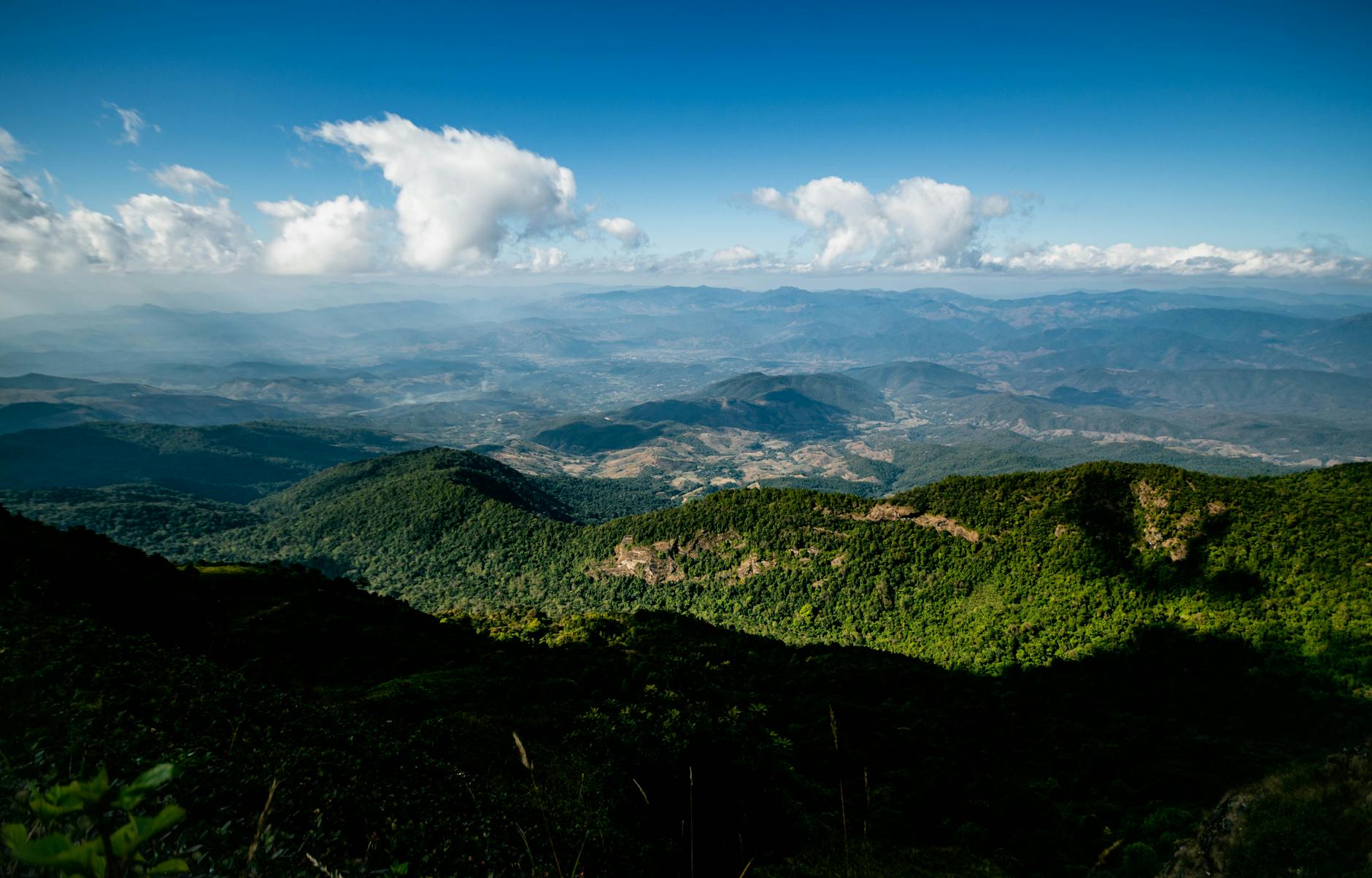
However, it’s crucial to set realistic expectations. Chiang Mai scores 71 out of 100 for digital nomad infrastructure, indicating a well-developed but not perfect setup for remote workers. The city also has a relatively low score for nature and outdoors access, at 27 out of 100, which might be a consideration for those seeking ample opportunities for hiking or outdoor activities. On the other hand, Chiang Mai’s social and nightlife scene scores 61 out of 100, and its cultural attractions score 40 out of 100, offering a rich and varied experience for those interested in exploring temples, trying local cuisine, and engaging with the local community.
🏘️ Best Neighborhoods
Nimmanhaemin
Nimmanhaemin, often referred to as “Nimman,” offers a unique blend of modernity and tradition, making it a favorite among digital nomads. The area is known for its trendy cafes, restaurants, and bars, as well as its proximity to Chiang Mai University, which adds a youthful vibe to the neighborhood. Monthly rent for a 1-bedroom apartment in Nimmanhaemin can range from $250 to $400. Pros of living in Nimman include its high concentration of coworking spaces, excellent internet quality, and a plethora of dining and entertainment options. However, it can be quite crowded and noisy, especially at night.
Santitham
Santitham is another popular neighborhood for digital nomads, offering a more laid-back atmosphere compared to Nimman. It’s known for its local markets, street food, and a mix of old and new Chiang Mai. Rent in Santitham is slightly lower, with 1-bedroom apartments available for $200 to $350 per month. The area is less touristy than Nimman, providing a more authentic experience of local life. However, internet quality can vary, and it’s slightly farther from the city center.
Chang Khlan
Chang Khlan is a neighborhood that offers a balance between the old city’s charm and modern amenities. It’s close to the famous Night Bazaar, making it ideal for those who want to experience Chiang Mai’s nightlife and shopping. Monthly rent in Chang Khlan can range from $150 to $300 for a 1-bedroom apartment. The area is known for its riverside location and offers easy access to many temples and historical sites. However, it can be noisy, especially during peak tourist seasons.
Mae Rim
For those looking to escape the city’s hustle and bustle, Mae Rim offers a serene and natural environment. Located about 15 kilometers north of Chiang Mai’s city center, Mae Rim provides a peaceful retreat with easier access to nature and outdoor activities. Rent in Mae Rim is generally lower, with 1-bedroom apartments available for $100 to $250 per month. However, the area lacks the vibrant community and coworking spaces found in more central neighborhoods, making it less ideal for digital nomads who prioritize these aspects.
Digital Nomad Guide
For remote workers, Chiang Mai offers a plethora of coworking spaces, each with its unique vibe and amenities. Spaces like Hub53, Punspace, and Mana offer monthly rates ranging from $50 to $200, depending on the membership plan and services included. Internet quality in these spaces is generally high, with many offering fiber optic connections for speeds over 50 Mbps. The nomad community in Chiang Mai is very active, with numerous groups and events. The Chiang Mai Digital Nomads Facebook group is a great resource for finding out about meetups, workshops, and other community activities.
For those looking for cafes to work from, places like Ristr8to, The Barisotel, and Graph Cafe are highly recommended. These cafes offer good wifi, plenty of power outlets, and a conducive work environment. Ristr8to, for example, is known for its specialty coffee and has multiple outlets in the city, making it a convenient option for digital nomads.
Visa options for remote workers in Thailand include the “Smart Visa” aimed at attracting high-skilled professionals and entrepreneurs. Requirements and costs vary, but this visa can offer more flexibility and longer stay periods compared to tourist visas. For banking and practical setup, opening a local bank account can be beneficial for receiving payments and managing finances. Banks like Kasikorn and Siam Commercial have branches with English-speaking staff and offer services tailored to foreigners.
🎨 Culture & Vibe
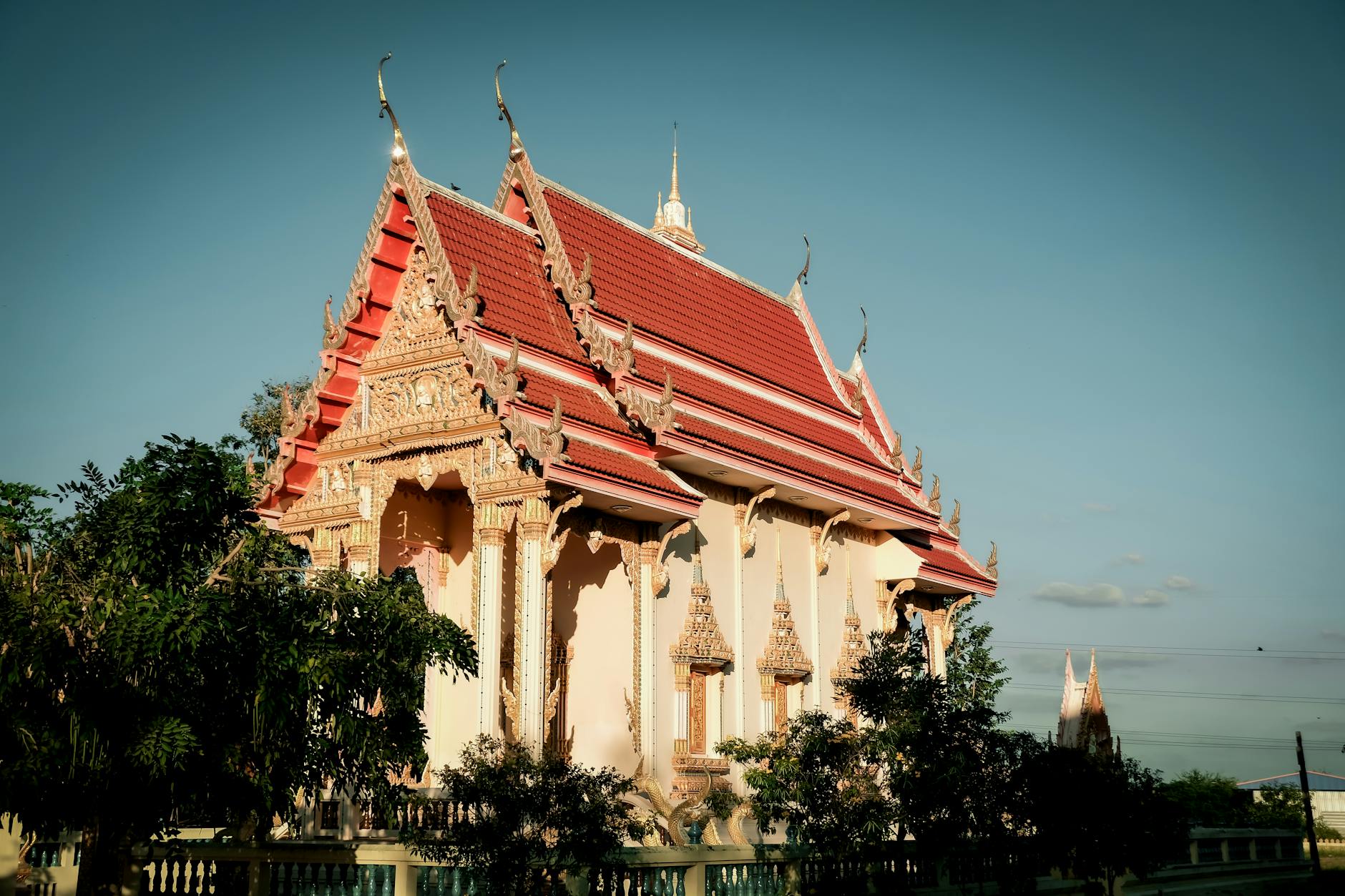
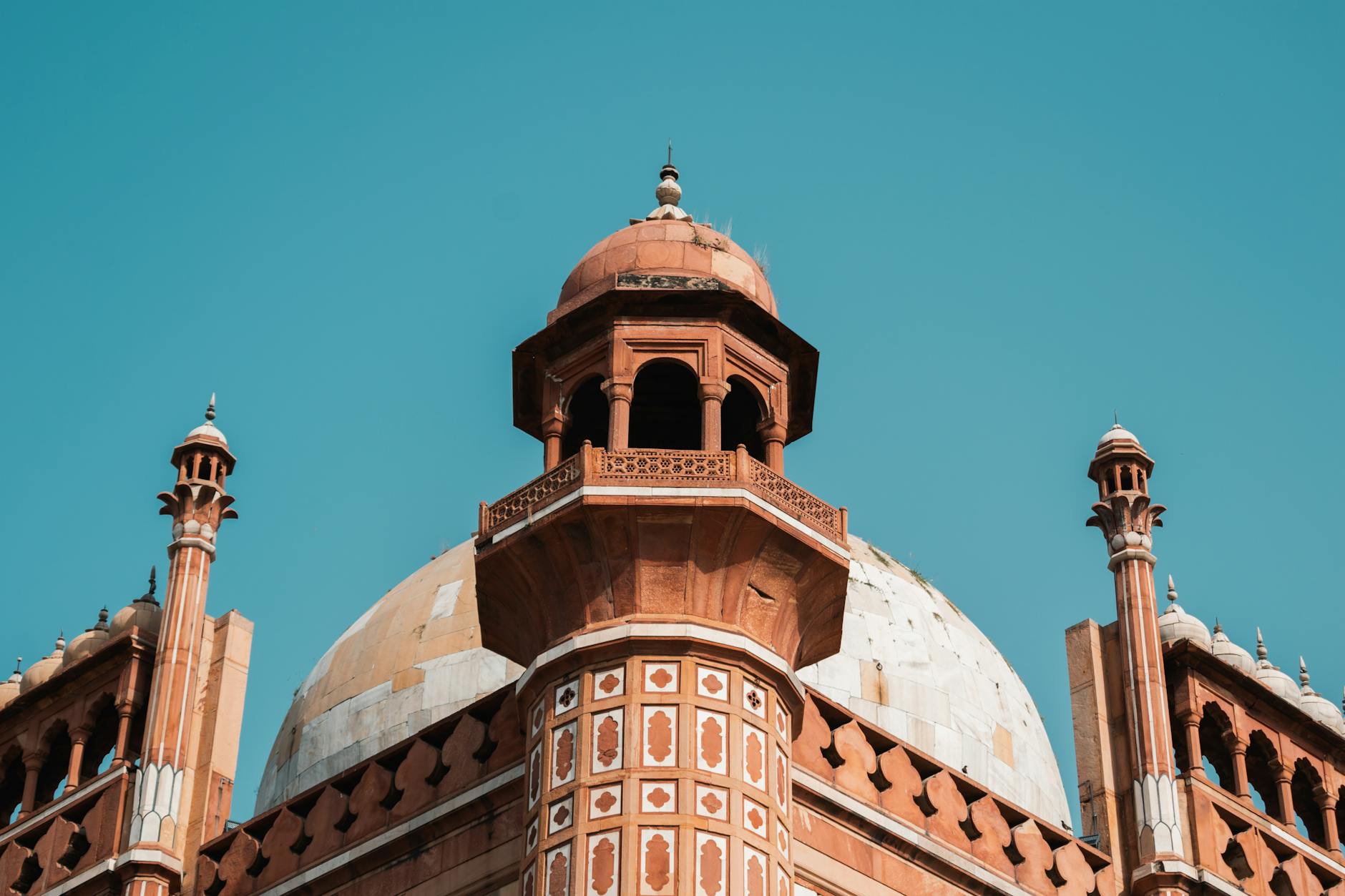
Chiang Mai is steeped in culture and tradition, offering a unique and enriching experience for digital nomads. Local customs and etiquette, such as removing shoes before entering temples or homes and using the wai (a gesture of respect) when greeting monks or elders, are important to respect. The food scene in Chiang Mai is vibrant, with must-try dishes like khao soi, a curried noodle soup, and sai oua, Chiang Mai-style sausage. The best neighborhoods for food are often the older parts of the city, like the area around Tha Phae Gate, where street food stalls and local eateries offer a wide range of dishes at affordable prices, typically between $1 to $3 per meal.
Nightlife in Chiang Mai is varied, with everything from rooftop bars to live music venues. The Riverside area and Nimmanhaemin are popular spots for both locals and tourists. For arts and cultural attractions, the city is home to numerous temples, including Doi Suthep, a mountain peak with a stunning temple offering panoramic views of the city. The Chiang Mai City Arts & Cultural Center is another must-visit, showcasing local and international art.
English proficiency in Chiang Mai is relatively high, especially among the younger population and those in the service industry, making it easier for digital nomads to communicate and navigate the city. However, learning a few basic Thai phrases can go a long way in enhancing the experience and interacting with the local community.
⭐ Highlights
- Doi Suthep: A mountain peak with a stunning temple offering panoramic views of the city. Best visited early in the morning or late in the afternoon to avoid the heat and crowds.
- Chiang Mai Night Bazaar: A bustling market that takes place every evening, offering a wide range of goods, from clothing to handicrafts. It’s a great place to find souvenirs and try local street food.
- Wat Phra That Doi Kham: A temple located on a hill, known for its large white chedi and stunning views of the city. It’s less crowded than Doi Suthep and offers a peaceful atmosphere for reflection.
- Bo Sang Umbrella Village: A village famous for its handmade paper umbrellas, where visitors can learn about the crafting process and even make their own umbrellas.
- Huay Tung Tao Lake: A scenic lake with a walking path, restaurants, and stunning views, especially during sunset. It’s a great spot for relaxation and outdoor activities like jogging or cycling.
- Saturday Walking Street Market: A market that takes place every Saturday evening, offering a wide range of local goods, street food, and live music. It’s a great place to experience the local culture and community.
- Chiang Mai City Arts & Cultural Center: A center showcasing local and international art, with rotating exhibits and a variety of cultural events.
💡 Practical Tips
- Visa Requirements: For US, EU, and UK citizens, the most common visa for remote work is the Smart Visa, which has specific requirements and costs. It’s essential to research and understand the visa process before arriving in Thailand.
- Getting Around: Chiang Mai has a well-developed public transportation system, including songthaews (red trucks) and tuk-tuks. Apps like Grab are also widely used for convenient and affordable transport.
- Safety Considerations: As with any city, it’s essential to be mindful of personal safety, especially at night. Avoid carrying large amounts of cash, and use reputable transportation services.
- Best Time to Visit: The best time to visit Chiang Mai is from October to February, when the weather is cooler and more pleasant. Avoid visiting during the peak tourist season (December to January) if you prefer smaller crowds.
- Local Tips and Warnings: Respect local customs, especially when visiting temples. Remove your shoes when required, and dress modestly to avoid offending locals.
- Money Matters: ATMs are widely available, and many places accept credit cards. However, it’s a good idea to have some local currency (Thai Baht) for small purchases and street food.
- Healthcare and Insurance: Chiang Mai has good quality healthcare facilities, including international hospitals. It’s recommended to have health insurance that covers you abroad, as medical costs can be high.