Xi’an: A Digital Nomad’s Hidden Gem
Xi’an, the ancient capital of China, has long been a treasure trove of cultural and historical significance. Lately, it’s also become a haven for digital nomads, offering a unique blend of affordability, community, and infrastructure that makes it an attractive destination for remote workers. With its rich history, vibrant cultural scene, and growing expat community, Xi’an is an emerging digital nomad destination that’s worth considering for your next extended stay.
As a digital nomad, you’ll appreciate Xi’an’s relaxed atmosphere, which offers a welcome respite from the hustle and bustle of more popular destinations like Shanghai or Beijing. The city’s cost of living is relatively low, with a 1-bedroom apartment renting for around $234 per month. You can enjoy a delicious meal at a local restaurant for just $2.2, or grab a coffee for $3.3. With its unique blend of traditional and modern amenities, Xi’an provides an ideal environment for remote workers to balance work and play.
Xi’an’s infrastructure is still developing, but it’s made significant strides in recent years, with several coworking spaces and internet cafes popping up around the city. The average internet speed is a respectable 16 Mbps, with some areas offering fiber connectivity. While the social scene is lively, it’s not as vibrant as other cities, so you may find yourself gravitating towards the digital nomad community for networking and socializing.
Best Neighborhoods
Weiyang District
Weiyang District is a popular area for digital nomads, offering a mix of affordability and convenience. Rent for a 1-bedroom apartment can range from $180 to $300 per month, depending on the location and amenities. The neighborhood is relatively quiet, with a few cafes and restaurants catering to the local expat community. One of the pros of living in Weiyang is its proximity to the city’s central business district, making it easy to get to coworking spaces and other amenities. However, the area can get quite crowded during rush hour, and internet speeds can be a bit slower than in other areas.
Xincheng District
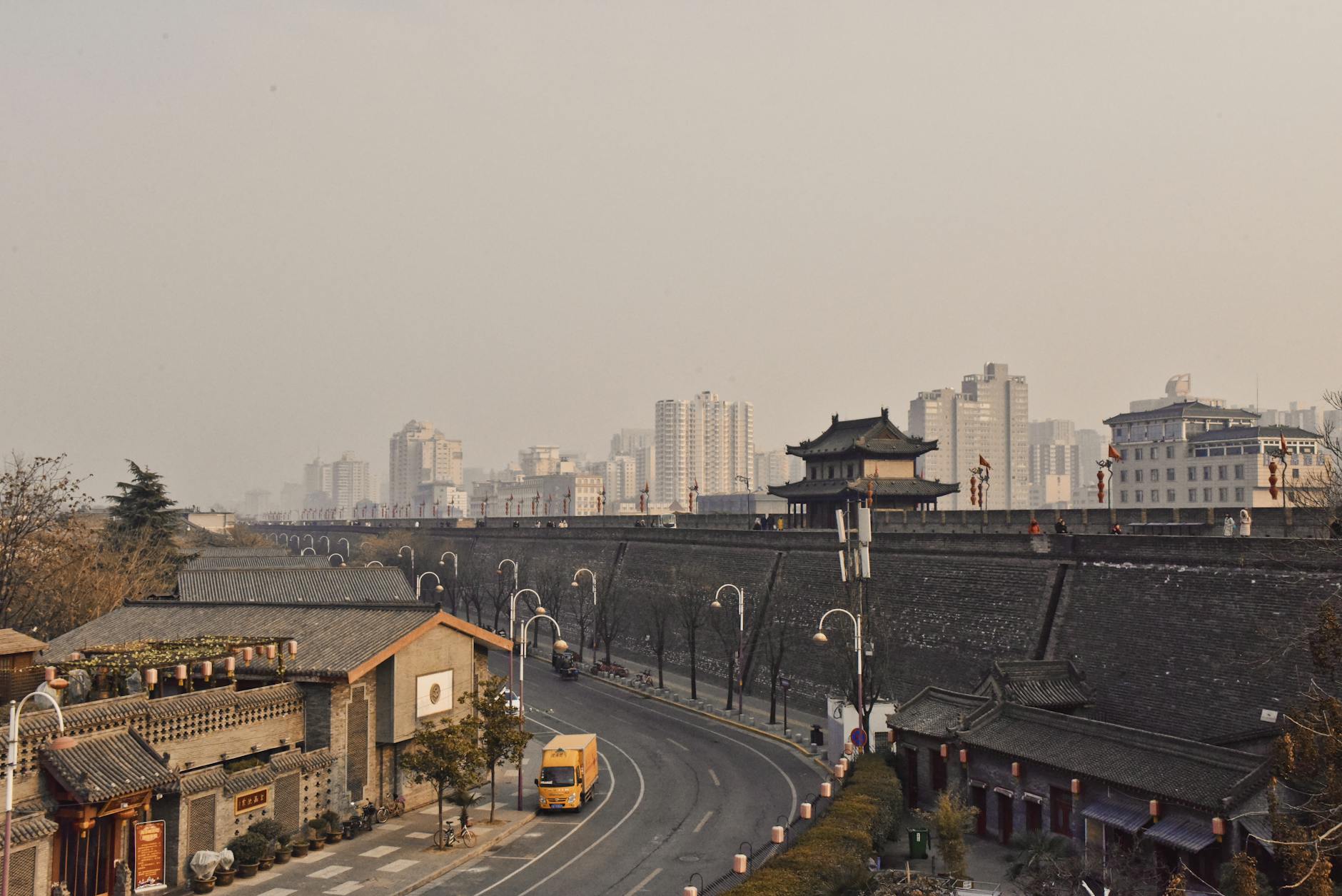
Xincheng District is the heart of Xi’an’s old town, with its ancient city walls and vibrant cultural attractions. Rent can range from $250 to $500 per month for a 1-bedroom apartment, depending on the location and amenities. This area is perfect for digital nomads who want to be immersed in the local culture and history. However, it can get quite touristy, and noise levels can be higher than in other areas. Internet speeds are generally good, with some areas offering fiber connectivity.
Taozhuang District
Taozhuang District is a rapidly developing area that’s becoming increasingly popular with digital nomads. Rent for a 1-bedroom apartment can range from $150 to $300 per month, depending on the location and amenities. This area offers a more relaxed atmosphere, with plenty of green spaces and a growing expat community. However, internet speeds can be slower in some areas, and the neighborhood is still developing its infrastructure.
Gaoxin District
Gaoxin District is a newer area that’s primarily designed for business and technology companies. Rent for a 1-bedroom apartment can range from $200 to $400 per month, depending on the location and amenities. This area offers high-speed internet and a range of coworking spaces, making it an attractive option for digital nomads. However, it can feel a bit sterile and commercialized, and the area is still relatively small.
Digital Nomad Guide
Coworking Spaces
- Xi’an Coworking Space: Located in the heart of the Xincheng District, this coworking space offers flexible membership plans starting from $100 per month. Internet speeds are a respectable 100 Mbps, and the space features a range of amenities, including a lounge area and meeting rooms.
- Weiyang Coworking Space: Located in the Weiyang District, this coworking space offers membership plans starting from $50 per month. Internet speeds are around 50 Mbps, and the space features a relaxed atmosphere and plenty of natural light.
Internet Quality
Xi’an’s internet quality is generally good, with average speeds of 16 Mbps. However, some areas may experience slower speeds due to infrastructure limitations. Fiber connectivity is available in some areas, including the Xincheng District and Gaoxin District.
Nomad Community
Xi’an’s digital nomad community is growing, with several social groups and meetups organized throughout the month. The Xi’an Nomad Meetup Group is a great resource for connecting with other nomads and learning about local events and opportunities.
Cafes
- Jinbi Cafe: Located in the Xincheng District, Jinbi Cafe is a popular spot for digital nomads, offering a range of coffee drinks and a relaxed atmosphere. Internet speeds are around 20 Mbps, and power outlets are available.
- Taozhuang Cafe: Located in the Taozhuang District, Taozhuang Cafe is a charming spot for coffee and work, offering a range of coffee drinks and a cozy atmosphere. Internet speeds are around 10 Mbps, and power outlets are available.
Visa Options
- L-Visa: A 30-day visa that can be extended for an additional 30 days, costing around $30.
- M-Visa: A 30-day visa that can be extended for an additional 30 days, costing around $60.
Banking and Practical Setup
- China Construction Bank: Offers a range of banking services, including ATM withdrawals and wire transfers.
- HSBC: Offers a range of banking services, including ATM withdrawals and wire transfers.
Culture & Vibe
Xi’an is a city with a rich history and culture, offering a unique blend of traditional and modern attractions. The city is home to the famous Terracotta Warriors, a UNESCO World Heritage Site, and the ancient city walls, which offer stunning views of the city. The food scene is also a highlight, with a range of delicious local dishes, including hand-pulled noodles and spicy lamb skewers.
- Local Customs: Xi’an is a city with a strong cultural heritage, and visitors are expected to respect local customs and traditions. For example, it’s customary to remove your shoes before entering a traditional Chinese home or temple.
- Food Scene: Xi’an is a city with a rich food culture, offering a range of delicious local dishes, including hand-pulled noodles, spicy lamb skewers, and traditional Chinese pastries.
- Nightlife: Xi’an’s nightlife scene is lively, with a range of bars and clubs catering to different tastes and budgets. However, it’s worth noting that the city’s nightlife scene is generally more low-key than in other major cities in China.
Highlights
- Terracotta Warriors: A UNESCO World Heritage Site and one of China’s most famous attractions, the Terracotta Warriors are a must-see for any visitor to Xi’an.
- Ancient City Walls: Xi’an’s ancient city walls offer stunning views of the city and a glimpse into the city’s rich history.
- Xi’an Museum: A museum showcasing the city’s rich cultural heritage, including ancient artifacts and historical relics.
- Muslim Quarter: A vibrant and colorful area of the city, known for its traditional Chinese architecture and delicious local food.
- Huaqing Pool: A natural hot spring and popular tourist attraction, offering stunning views of the surrounding countryside.
- Xi’an Bell Tower: A historic bell tower and popular tourist attraction, offering stunning views of the city.
- Shaanxi History Museum: A museum showcasing the history and culture of Shaanxi Province, including ancient artifacts and historical relics.
Practical Tips
- Visa Requirements: Visitors from the US, EU, and UK can enter China on a 30-day visa, which can be extended for an additional 30 days.
- Getting Around: Xi’an has a comprehensive public transportation system, including buses and taxis. The city is also easily walkable, with many attractions and amenities located within walking distance.
- Safety Considerations: Xi’an is generally a safe city, but visitors should be aware of pickpocketing and scams, particularly in crowded areas.
- Best Time to Visit: The best time to visit Xi’an is during the spring (March to May) and autumn (September to November), when the weather is mild and pleasant.
- Local Tips: Visitors should be aware of local customs and traditions, particularly when visiting temples and other cultural attractions. It’s also worth learning a few basic Chinese phrases, such as “hello” and “thank you”.