🌍 Overview
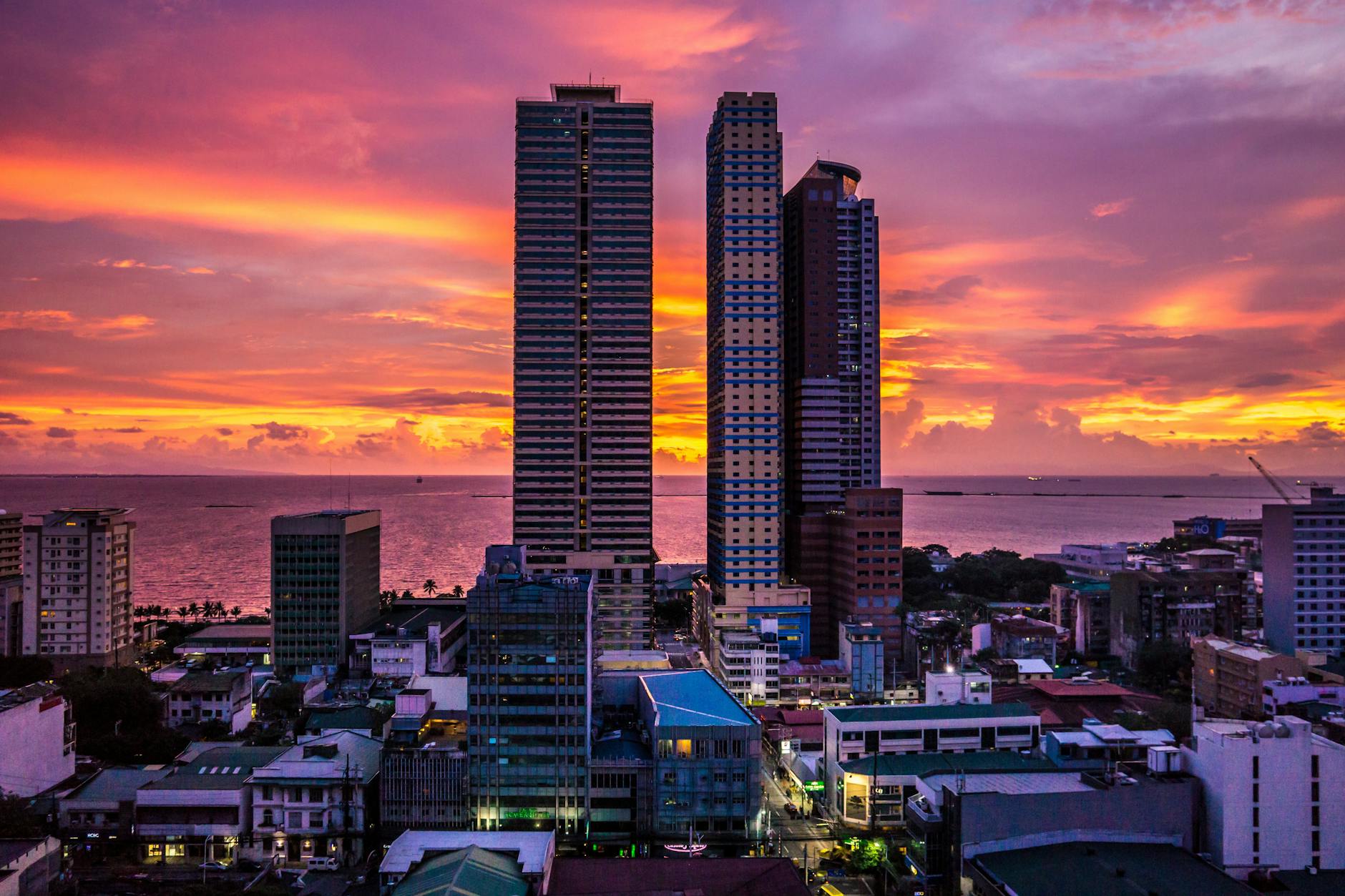
Manila, the capital of the Philippines, has emerged as a popular digital nomad destination, offering a unique blend of affordability, community, and infrastructure that appeals to remote workers from around the world. As a digital nomad who spent three months exploring this vibrant city, I can attest that Manila is a hidden gem for those looking for a dynamic and affordable lifestyle. With a growing expat community and a thriving startup scene, Manila has become an attractive remote work hub, boasting a cost of living that’s significantly lower than other Asian cities.
One of the key draws for digital nomads is the city’s affordable lifestyle. A one-bedroom apartment in a central location can cost around $493 per month, while a meal at a local restaurant typically sets you back around $2.9. Coffee is also affordable, with a cup costing around $1.8. While the internet speeds may not be the fastest (averaging 8 Mbps), there are many coworking spaces and cafes with reliable connections. Manila’s social scene is also worth mentioning, with a lively nightlife and a variety of cultural attractions to explore.
However, it’s essential to set realistic expectations about the city’s infrastructure, which scores a relatively low 38/100 in terms of digital nomad infrastructure. This means that while there are many coworking spaces and cafes with reliable internet, the city’s overall digital infrastructure is still developing. Additionally, nature and outdoor access score a mere 7/100, making Manila a city that’s best suited for those who enjoy urban living. Overall, Manila is a city that’s perfect for remote workers who value affordability, community, and a vibrant lifestyle.
🏘️ Best Neighborhoods
Makati
Makati is one of Manila’s premier neighborhoods, known for its upscale shopping malls, modern skyscrapers, and lively nightlife. The area is also home to many coworking spaces, including the popular WeWork Makati and the startup-friendly Space for Life. Rent in Makati can be steep, with one-bedroom apartments costing around $800-$1,200 per month. However, the area’s convenience, safety, and access to amenities make it a popular choice among digital nomads.
Pros: Convenient location, modern amenities, reliable internet Cons: Expensive rent, crowded streets Notable streets: Ayala Avenue, Poblacion Street Nomad density: High
Bonifacio Global City (BGC)
BGC is a modern development that’s quickly become a hub for startups and digital nomads. The area boasts a range of coworking spaces, including the popular BGC Co-Working and the startup-friendly The Mind Museum. Rent in BGC can range from $500-$1,000 per month for a one-bedroom apartment, making it a more affordable option than Makati. The area’s vibe is modern and trendy, with plenty of shops, restaurants, and bars to explore.
Pros: Modern amenities, reliable internet, trendy vibe Cons: Expensive rent in some areas, traffic congestion Notable streets: 8th Street, 32nd Street Nomad density: High
Ermita
Ermita is a vibrant and eclectic neighborhood that’s popular among digital nomads and expats. The area is home to many affordable restaurants, bars, and cafes, making it a great spot for those on a budget. Rent in Ermita can range from $300-$600 per month for a one-bedroom apartment, making it a more affordable option than Makati or BGC. However, the area’s safety and noise levels can be a concern, with some streets being more crowded than others.
Pros: Affordable rent, vibrant nightlife, eclectic vibe Cons: Safety concerns, noise levels, crowded streets Notable streets: Roxas Boulevard, United Nations Avenue Nomad density: Medium
Ortigas
Ortigas is a business-friendly neighborhood that’s home to many Fortune 500 companies and startups. The area is also popular among digital nomads, with many coworking spaces and cafes to choose from. Rent in Ortigas can range from $400-$800 per month for a one-bedroom apartment, making it a more affordable option than Makati or BGC. The area’s vibe is professional and modern, with plenty of amenities and services to explore.
Pros: Professional vibe, modern amenities, reliable internet Cons: Traffic congestion, expensive rent in some areas Notable streets: Ortigas Avenue, EDSA Nomad density: Medium
Digital Nomad Guide
Coworking Spaces
Manila has a range of coworking spaces to choose from, each with its own unique vibe and amenities. Here are a few popular options:
- WeWork Makati: $200-$300 per month (day passes available)
- Space for Life: $150-$250 per month (day passes available)
- BGC Co-Working: $200-$300 per month (day passes available)
- The Mind Museum: $150-$250 per month (day passes available)
Internet Quality
Manila’s internet speeds average around 8 Mbps, with some areas experiencing slower speeds due to infrastructure limitations. However, many coworking spaces and cafes offer reliable and fast internet connections. Fiber availability is limited in some areas, but many providers offer wireless internet options.
Nomad Community Scene
Manila’s nomad community is thriving, with many social events and meetups to choose from. Join the Manila Digital Nomads Facebook group or attend events at coworking spaces to connect with fellow nomads.
Best Cafes to Work From
Manila has plenty of cafes that offer reliable internet and a comfortable atmosphere. Here are a few popular options:
- The Coffee Bean & Tea Leaf: Multiple locations, $1.8-$3 per cup
- Starbucks: Multiple locations, $2.5-$4 per cup
- Common Good: Multiple locations, $1.5-$3 per cup
- Mad Mark’s Cafe: Multiple locations, $1.5-$3 per cup
Visa Options
Remote workers can apply for a 9(a) visa, which allows for a stay of up to 12 months. Requirements include a valid passport, proof of income, and a background check. Costs range from $50-$100 per application.
Banking and Practical Setup Tips
Open a local bank account to access affordable banking services and take advantage of the city’s low cost of living. Use a reliable money transfer service like Western Union or MoneyGram to transfer funds to the Philippines.
🎨 Culture & Vibe
Local Customs and Etiquette
Manila is a vibrant and eclectic city, with a rich cultural heritage. Here are a few local customs and etiquette tips to keep in mind:
- Respect for elders is deeply ingrained in Filipino culture. Always address older individuals with respect and deference.
- Remove your shoes when entering a traditional Filipino home or temple.
- Avoid public displays of affection, as this is considered impolite.
Food Scene Highlights
Manila’s food scene is a fusion of traditional Filipino cuisine, Chinese, Spanish, and American influences. Here are a few must-try dishes:
- Adobo: a savory stew made with meat or seafood, vinegar, and spices.
- Lechon: a whole roasted pig, often served on special occasions.
- Sinigang: a sour soup made with tamarind broth and various vegetables and proteins.
- Jollibee: a popular fast-food chain serving Filipino-style burgers and fries.
Nightlife and Social Scene
Manila’s nightlife is vibrant and eclectic, with many bars, clubs, and live music venues to choose from. Here are a few popular spots:
- The Forum: a rooftop bar with live music and stunning views.
- 8th Street: a popular nightlife district with many bars and clubs.
- Greenhills: a shopping mall with a range of restaurants and bars.
Arts and Cultural Attractions
Manila has a rich cultural heritage, with many museums, galleries, and performance venues to explore. Here are a few must-visit attractions:
- National Museum: a comprehensive museum showcasing the country’s history and culture.
- Metropolitan Museum: a modern art museum with a range of exhibitions and installations.
- Cultural Center of the Philippines: a performing arts venue with a range of shows and events.
⭐ Highlights
- Visit the historic Walled City of Intramuros, a UNESCO World Heritage Site.
- Explore the vibrant markets and street food stalls of Binondo, the world’s oldest Chinatown.
- Take a trip to the scenic Tagaytay, a popular weekend getaway with stunning views of Taal Lake.
- Visit the historic Manila Cathedral, a stunning example of Spanish colonial architecture.
- Explore the trendy and artsy neighborhood of Poblacion, with its many galleries, cafes, and restaurants.
💡 Practical Tips
Visa Requirements
Remote workers can apply for a 9(a) visa, which allows for a stay of up to 12 months. Requirements include a valid passport, proof of income, and a background check. Costs range from $50-$100 per application.
Getting Around
Manila has a comprehensive public transportation system, including buses, jeepneys, and taxis. Ride-hailing apps like Grab and Uber are also widely available.
Safety Considerations
Avoid walking alone at night, especially in areas with high crime rates. Use reputable taxi services or ride-hailing apps to get around.
Best Time to Visit
The best time to visit Manila is during the dry season, from November to May. Avoid visiting during the rainy season, from June to October.
Local Tips and Warnings
- Always bring a raincoat or umbrella, as Manila’s weather can be unpredictable.
- Be prepared for crowded streets and public transportation.
- Respect local customs and traditions, especially when visiting temples or traditional homes.
Money Matters
The official currency is the Philippine peso (PHP). You can exchange currency at banks or currency exchange centers, or use an ATM to withdraw cash. Credit cards are widely accepted in major cities.
Healthcare and Insurance
Manila has a range of medical facilities and hospitals, including the Philippine General Hospital and the Makati Medical Center. Consider investing in travel insurance to cover medical emergencies and other unexpected expenses.