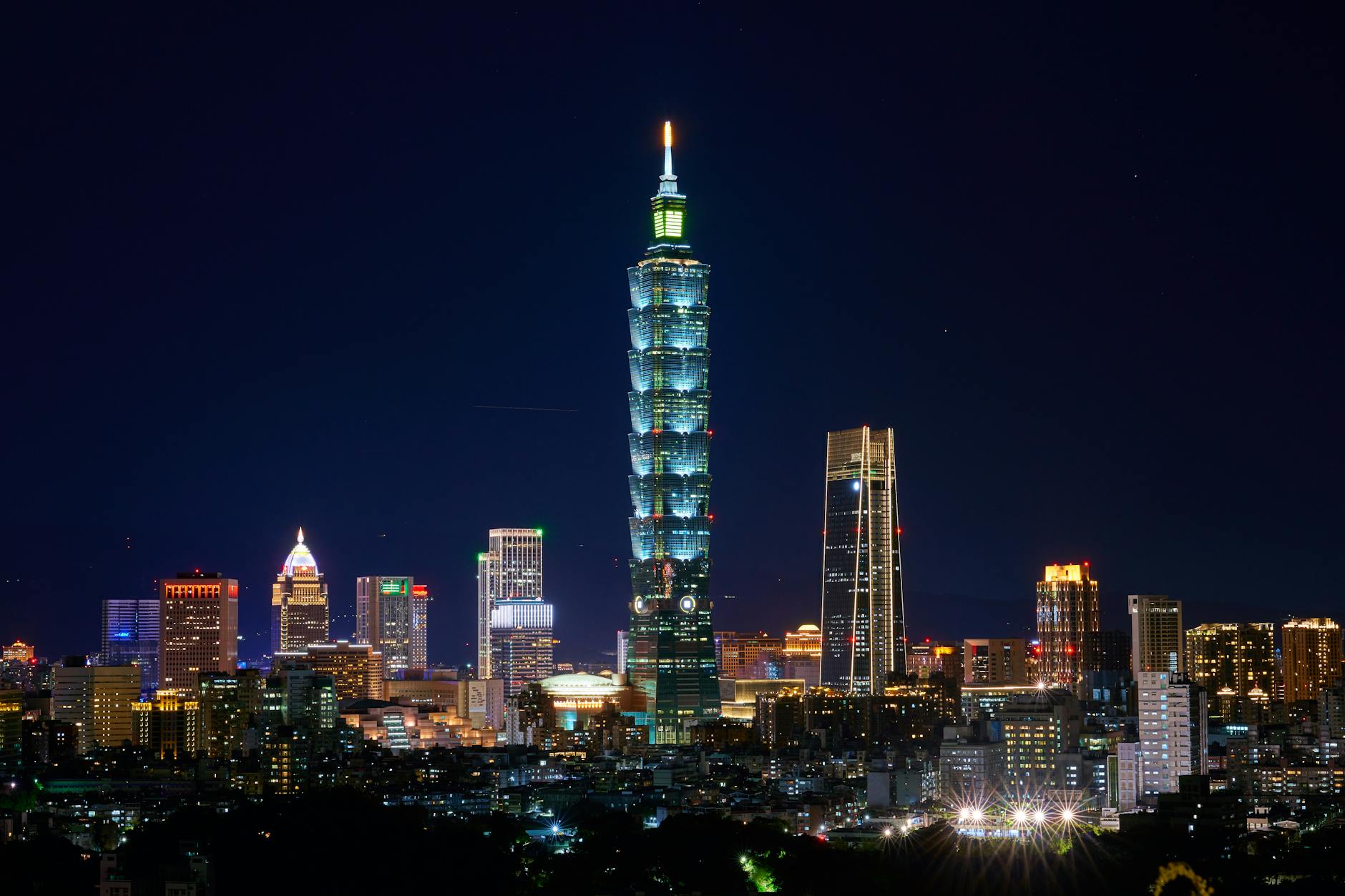
🌍 Overview
Taipei, the capital city of Taiwan, has emerged as a hidden gem for digital nomads seeking a unique blend of affordability, community, and infrastructure. As a digital nomad destination, Taipei offers a refreshing alternative to more popular hubs like Chiang Mai or Medellín, with a thriving remote work scene, a low cost of living, and a vibrant cultural landscape. With its rich history, mouth-watering street food, and a nomad community that is both welcoming and active, Taipei has become a top choice for remote workers looking to experience a truly Asian culture.
Taipei’s nomad scene is characterized by a mix of expats, entrepreneurs, and remote workers from various industries, all drawn by the city’s affordability, high-quality coworking spaces, and a growing community that organizes regular meetups, events, and workshops. While the city’s infrastructure is still developing, Taipei’s remote work hub has made significant strides in recent years, with many coworking spaces offering high-speed internet, ergonomic workstations, and a supportive environment for digital nomads to thrive.
As you explore Taipei, you’ll discover a city that seamlessly blends traditional and modern elements, with ancient temples and vibrant night markets existing alongside sleek skyscrapers and trendy cafes. With its subtropical climate and a range of outdoor activities, Taipei offers a unique balance of urban and natural experiences that make it an ideal destination for remote workers looking to escape the monotony of city life.
🏘️ Best Neighborhoods
Da’an District
Da’an is one of Taipei’s most popular neighborhoods for digital nomads, offering a tranquil and upscale atmosphere amidst the city’s hustle and bustle. With a typical monthly rent range of $500-$800 for a 1-bedroom apartment, Da’an provides a comfortable living space that’s within walking distance to many coworking spaces, cafes, and restaurants. The neighborhood is known for its tree-lined streets, boutique shopping areas, and a vibrant night market that’s a favorite among locals and expats alike.
Pros for remote workers: Da’an offers high-speed internet, a low noise level, and a dense concentration of coworking spaces, cafes, and restaurants. However, the neighborhood can be quite hilly, which may pose a challenge for those with mobility issues.
Cons: Da’an’s upscale atmosphere can make it feel a bit sterile, and the neighborhood’s proximity to the MRT (Mass Rapid Transit) line means it can get crowded during peak hours.
Notable streets: Zhongxiao E Rd, Xinsheng S Rd, and Dunhua S Rd are all popular streets to explore in Da’an.
Ximending (Ximen)
Ximending, or Ximen, is Taipei’s most iconic nightlife district, but it’s also a haven for digital nomads seeking a more affordable and vibrant living experience. With a monthly rent range of $300-$600 for a 1-bedroom apartment, Ximen offers a unique blend of street food, bars, and cafes that’s hard to find elsewhere in the city. The neighborhood is known for its narrow alleys, retro architecture, and a lively atmosphere that’s perfect for exploring.
Pros for remote workers: Ximen’s affordability, vibrant atmosphere, and proximity to many coworking spaces and cafes make it an attractive option for digital nomads.
Cons: Ximen can be quite noisy, especially at night, and the neighborhood’s narrow streets can make it challenging to navigate with large luggage.
Notable streets: Xining S Rd, Huashi St, and Yongji St are all must-visit streets in Ximen.
Zhongshan District
Zhongshan is one of Taipei’s most historic neighborhoods, with a rich cultural heritage and a unique blend of traditional and modern architecture. With a monthly rent range of $500-$1,000 for a 1-bedroom apartment, Zhongshan offers a comfortable living space that’s within walking distance to many cultural attractions, museums, and restaurants. The neighborhood is known for its tree-lined streets, historic mansions, and a vibrant arts scene.
Pros for remote workers: Zhongshan’s rich cultural heritage, high-speed internet, and proximity to many coworking spaces and cafes make it an attractive option for digital nomads.
Cons: Zhongshan’s historic architecture can make it feel a bit old-fashioned, and the neighborhood’s proximity to the MRT line means it can get crowded during peak hours.
Notable streets: Zhongshan Rd, Linsen N Rd, and Xinsheng S Rd are all popular streets to explore in Zhongshan.
Gongguan
Gongguan is a up-and-coming neighborhood that’s rapidly becoming a favorite among digital nomads. With a monthly rent range of $300-$600 for a 1-bedroom apartment, Gongguan offers a unique blend of affordability, high-speed internet, and a vibrant atmosphere that’s perfect for exploring. The neighborhood is known for its narrow alleys, retro architecture, and a lively street food scene.
Pros for remote workers: Gongguan’s affordability, high-speed internet, and proximity to many coworking spaces and cafes make it an attractive option for digital nomads.
Cons: Gongguan can be quite noisy, especially at night, and the neighborhood’s narrow streets can make it challenging to navigate with large luggage.
Notable streets: Gongguan Rd, Yanji St, and Xinsheng S Rd are all must-visit streets in Gongguan.
Digital Nomad Guide
Coworking Spaces
Taipei has a thriving coworking scene, with many spaces offering high-speed internet, ergonomic workstations, and a supportive environment for digital nomads to thrive. Some popular coworking spaces include:
- Hub Taipei (approximate monthly rate: $300-$500)
- WeWork Taipei (approximate monthly rate: $400-$700)
- Impact Hub Taipei (approximate monthly rate: $200-$400)
- Homy Co-working Space (approximate daily rate: $10-$20)
Internet Quality
Taipei’s internet quality is generally high, with average speeds reaching up to 19 Mbps in many areas. Many coworking spaces and cafes offer fiber-optic internet, making it easy for remote workers to stay connected.
Nomad Community Scene
Taipei’s nomad community is welcoming and active, with many events, meetups, and workshops organized throughout the year. Some popular meetups include:
- Taipei Digital Nomads Meetup Group
- Taipei Remote Workers Meetup Group
- Hub Taipei’s Community Events
Best Cafes to Work from
Taipei has a vibrant cafe scene, with many cafes offering high-speed internet, comfortable seating, and a relaxed atmosphere. Some popular cafes include:
- Cafe 6 (known for its high-speed internet and comfortable seating)
- The Coffee Bean & Tea Leaf (offers a relaxed atmosphere and high-speed internet)
- Mocha (known for its delicious coffee and comfortable seating)
Visa Options for Remote Workers
Taipei offers several visa options for remote workers, including:
- Taiwan Employment Gold Card
- Taiwan Business Visa
- Taiwan Tourist Visa (for short-term stays)
Visa requirements and costs vary depending on nationality, so it’s essential to research and understand the specific requirements for your situation.
Banking and Practical Setup Tips
Taipei’s banking system is relatively straightforward, with many ATMs and banks offering services in English. To set up a Taiwanese bank account, you’ll typically need to provide:
- A valid passport
- A residence certificate (issued by the local police station)
- A tax residence certificate (issued by the local tax office)
It’s also essential to research and understand Taiwan’s tax laws and regulations, as they can be complex and nuanced.
🎨 Culture & Vibe
Taipei is a city that seamlessly blends traditional and modern elements, with a rich cultural heritage and a vibrant arts scene. Some must-try experiences include:
- Visiting the Longshan Temple, one of Taipei’s most famous temples
- Exploring the National Palace Museum, which houses one of the world’s largest collections of Chinese art and artifacts
- Sampling the city’s delicious street food, including beef noodle soup, stinky tofu, and bubble tea
- Visiting the Taipei 101 Observation Deck, which offers stunning views of the city
- Exploring the city’s vibrant night markets, including the Shilin Night Market and the Raohe Street Night Market
Language-wise, Mandarin Chinese is the official language, but many Taiwanese people speak Taiwanese, a dialect that’s distinct from Mandarin. English is also widely spoken, particularly among younger people and those in the service industry.
⭐ Highlights
- Visit the National Palace Museum to see the world’s largest collection of Chinese art and artifacts
- Explore the Longshan Temple, one of Taipei’s most famous temples
- Sample the city’s delicious street food, including beef noodle soup, stinky tofu, and bubble tea
- Visit the Taipei 101 Observation Deck for stunning views of the city
- Explore the city’s vibrant night markets, including the Shilin Night Market and the Raohe Street Night Market
- Take a stroll through the Da’an Forest Park, a beautiful green space in the heart of the city
- Visit the Taipei Fine Arts Museum, which features a diverse collection of modern and contemporary art
💡 Practical Tips
Visa Requirements for Common Nationalities
- US citizens: Taiwan Employment Gold Card (valid for 1-3 years)
- EU citizens: Taiwan Business Visa (valid for 1-3 years)
- UK citizens: Taiwan Business Visa (valid for 1-3 years)
Getting Around
Taipei has a well-developed public transportation system, including buses, trains, and metro lines. The Taipei Metro is an efficient and convenient way to get around the city, with many lines covering most areas. You can purchase an EasyCard, which is a rechargeable card that can be used to pay for public transportation.
Safety Considerations
Taipei is generally a safe city, but as with any major city, there are areas that are considered safer than others. Some areas to avoid include:
- Night markets: While night markets can be a lot of fun, they can also be crowded and chaotic. Be mindful of your belongings and avoid carrying large amounts of cash.
- Tourist areas: Areas like Ximending and Zhongshan can get crowded and rowdy, especially at night. Be aware of your surroundings and avoid walking alone in dimly lit areas.
Best Time to Visit
Taipei has a subtropical climate, with temperatures ranging from 15°C to 30°C throughout the year. The best time to visit Taipei is during the spring (March-May) and autumn (September-November), when the weather is mild and pleasant.
Local Tips and Warnings
- Taiwan has a complex and nuanced tax system, so be sure to research and understand the laws and regulations before arriving.
- Taiwan is a cash-based society, so it’s essential to have some cash on hand when traveling.
- Taiwan has a strong culture of respect for elders, so be sure to show respect to older people, especially in traditional settings.
Money Matters
Taiwan’s currency is the New Taiwan Dollar (TWD), which can be exchanged for foreign currency at banks, currency exchange offices, or ATMs. Credit cards are widely accepted in Taipei, but it’s still essential to have some cash on hand when traveling.
Healthcare and Insurance Considerations
Taiwan has a well-developed healthcare system, with many high-quality hospitals and medical facilities. However, healthcare can be expensive, especially for foreigners. It’s essential to research and understand the healthcare system and insurance options before arriving in Taipei.
I hope this comprehensive guide has provided you with the information and insights you need to make the most of your time in Taipei as a digital nomad!