🌍 Overview
Singapore has emerged as a top destination for digital nomads, offering a unique blend of Asian culture, cutting-edge tech infrastructure, and a thriving expat community. With its highly developed infrastructure, low crime rate, and welcoming environment, Singapore has become a remote work hub that attracts digital nomads from all over the world. As a digital nomad destination, Singapore offers a perfect balance of work, play, and lifestyle, making it an ideal location for remote workers who want to experience the best of Asia.
Singapore’s digital nomad scene is thriving, with a growing community of remote workers, entrepreneurs, and freelancers. The city-state offers a wide range of coworking spaces, from trendy shared offices to upscale business centers, providing digital nomads with a comfortable and productive work environment. Additionally, Singapore’s cost of living is relatively low, with a one-bedroom apartment renting for approximately $1,455 per month, making it an attractive option for remote workers who want to stretch their budget further.
From its bustling streets to its tranquil parks, Singapore offers a vibrant and diverse lifestyle that is unmatched in many other Asian cities. With its multicultural society, delicious food, and world-class entertainment options, Singapore is a city that has something for everyone. Whether you’re a digital nomad looking for a new adventure or a remote worker seeking a change of pace, Singapore is a destination that is sure to captivate and inspire.
🏘️ Best Neighborhoods
Tiong Bahru
Tiong Bahru is a charming and eclectic neighborhood that has become a hotspot for digital nomads and expats. This historic area is known for its trendy cafes, unique shops, and artsy vibe, making it an ideal location for remote workers who want to experience the best of Singapore’s urban culture. With a typical monthly rent range of $1,800-$2,500, Tiong Bahru offers a mix of affordable and upscale options for digital nomads.
One of the pros of living in Tiong Bahru is its excellent internet quality, with average speeds of 93 Mbps and widespread fiber availability. Additionally, the neighborhood is relatively quiet and safe, making it an ideal location for remote workers who want to focus on their work. However, Tiong Bahru can be a bit pricier than other neighborhoods in Singapore, and its popularity has driven up the cost of living in recent years.
Notable streets in Tiong Bahru include Yong Siak Street, which is lined with trendy cafes and restaurants, and Guan Chuan Street, which offers a mix of shops and eateries. Digital nomads who choose Tiong Bahru are often drawn to its unique atmosphere and proximity to Singapore’s central business district.
Chinatown
Chinatown, also known as Kreta Ayer, is a vibrant and bustling neighborhood that is steeped in Singapore’s rich cultural heritage. This historic area is home to colorful temples, street food stalls, and traditional shops, making it a fascinating destination for digital nomads who want to experience the authentic Singapore. With a typical monthly rent range of $1,200-$2,000, Chinatown offers a mix of affordable and mid-range options for remote workers.
One of the pros of living in Chinatown is its affordability and accessibility, making it an ideal location for digital nomads on a budget. Additionally, the neighborhood is relatively close to Singapore’s central business district, making it easy to commute to work. However, Chinatown can be quite crowded and noisy, which may not be ideal for remote workers who value a peaceful work environment.
Notable streets in Chinatown include Pagoda Street, which is lined with traditional shops and street food stalls, and Sago Lane, which offers a mix of cafes and restaurants. Digital nomads who choose Chinatown are often drawn to its rich cultural heritage and affordability.
Tanjong Pagar
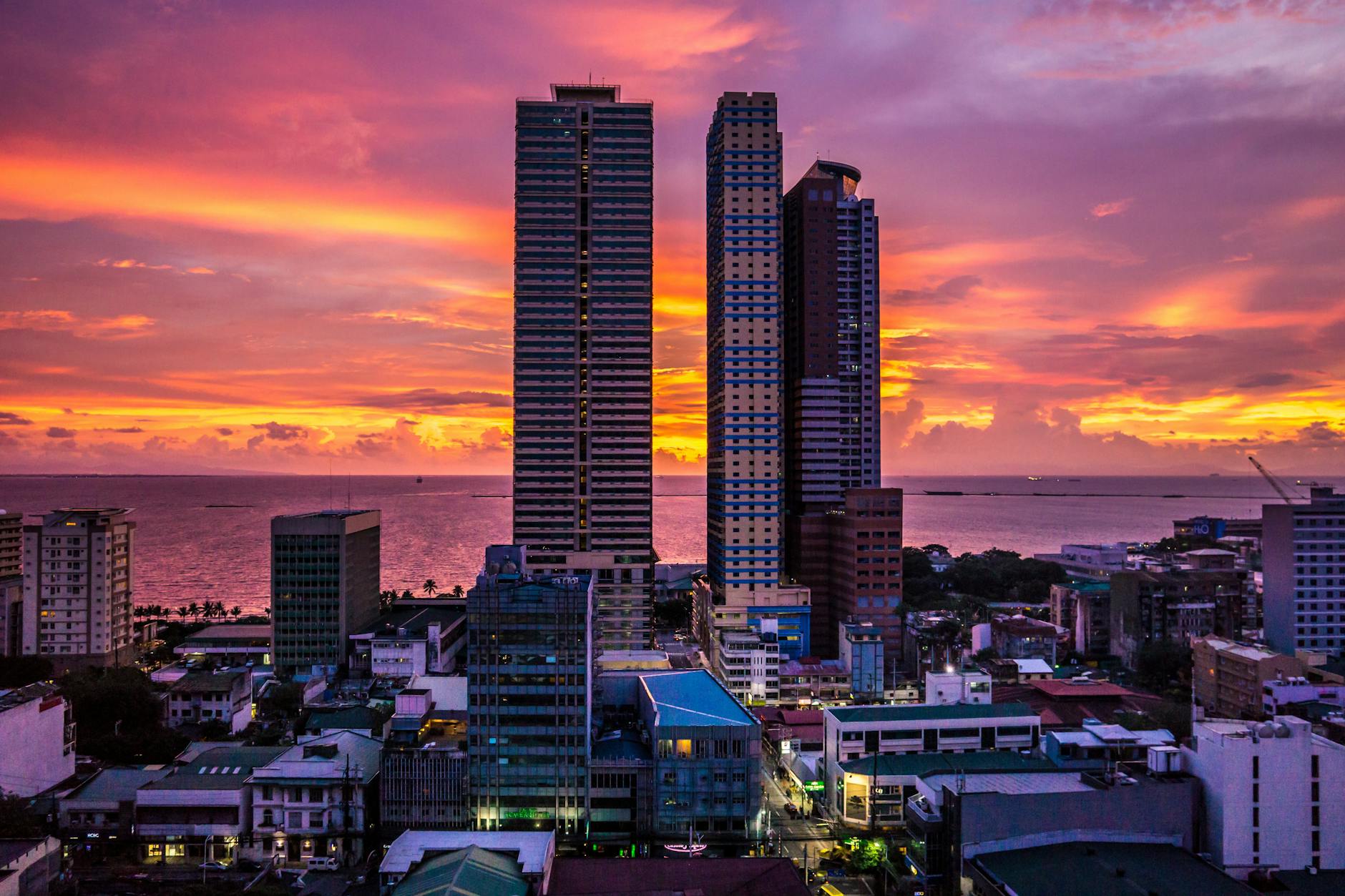
Tanjong Pagar is a trendy and upscale neighborhood that is popular with digital nomads and expats. This area is known for its sleek skyscrapers, trendy bars, and high-end restaurants, making it an ideal location for remote workers who want to experience the best of Singapore’s luxury lifestyle. With a typical monthly rent range of $2,500-$4,000, Tanjong Pagar offers a range of upscale options for digital nomads who are willing to pay a premium.
One of the pros of living in Tanjong Pagar is its excellent internet quality, with average speeds of 93 Mbps and widespread fiber availability. Additionally, the neighborhood is relatively safe and secure, making it an ideal location for remote workers who value their safety and security. However, Tanjong Pagar can be quite expensive, and its popularity has driven up the cost of living in recent years.
Notable streets in Tanjong Pagar include Tanjong Pagar Road, which is lined with trendy bars and restaurants, and Cantonment Road, which offers a mix of shops and eateries. Digital nomads who choose Tanjong Pagar are often drawn to its luxury lifestyle and upscale amenities.
Geylang
Geylang is a vibrant and eclectic neighborhood that is known for its street food, traditional shops, and rich cultural heritage. This area is a popular destination for digital nomads who want to experience the authentic Singapore, and it offers a range of affordable and mid-range options for remote workers. With a typical monthly rent range of $1,000-$1,800, Geylang is an ideal location for digital nomads who are on a budget.
One of the pros of living in Geylang is its affordability and accessibility, making it an ideal location for digital nomads who value a low cost of living. Additionally, the neighborhood is relatively close to Singapore’s central business district, making it easy to commute to work. However, Geylang can be quite crowded and noisy, which may not be ideal for remote workers who value a peaceful work environment.
Notable streets in Geylang include Lorong 1 Geylang, which is lined with traditional shops and street food stalls, and Lorong 8 Geylang, which offers a mix of cafes and restaurants. Digital nomads who choose Geylang are often drawn to its rich cultural heritage and affordability.
Digital Nomad Guide
Coworking Spaces
Singapore offers a wide range of coworking spaces that cater to the needs of digital nomads. Here are some popular options:
- WeWork: A global coworking chain with several locations in Singapore, offering a range of plans starting from $300 per month.
- JustCo: A Singapore-based coworking space with several locations, offering plans starting from $200 per month.
- The Co: A trendy coworking space in Tiong Bahru, offering plans starting from $250 per month.
Internet Quality
Singapore’s internet quality is excellent, with average speeds of 93 Mbps and widespread fiber availability. Digital nomads can expect fast and reliable internet connections in most coworking spaces and cafes.
Nomad Community
Singapore has a thriving digital nomad community, with several Facebook groups and meetup groups dedicated to remote workers. Some popular groups include:
- Singapore Digital Nomads: A Facebook group with over 1,000 members, discussing topics related to remote work and digital nomadism in Singapore.
- Singapore Nomads: A meetup group with regular meetups and events for digital nomads.
Cafes
Singapore has a vibrant coffee culture, with many cafes offering fast and reliable internet connections. Some popular cafes for digital nomads include:
- Common Man Coffee Roasters: A trendy cafe in Tiong Bahru with excellent coffee and fast internet.
- Pies & Coffee: A popular cafe in Chinatown with delicious food and reliable internet.
- The Coffee Bean & Tea Leaf: A global coffee chain with several locations in Singapore, offering fast and reliable internet.
Visa Options
Singapore offers several visa options for remote workers, including:
- EntrePass: A visa for entrepreneurs and freelancers, available for 1-3 years.
- Employment Pass: A visa for employed workers, available for 1-2 years.
- Dependent Pass: A visa for family members of employed workers, available for 1-2 years.
Banking and Practical Setup
Digital nomads can set up their banking and financial affairs in Singapore easily, with several banks offering online and mobile banking services. Some popular banks for digital nomads include:
- DBS Bank: A global bank with several locations in Singapore, offering online and mobile banking services.
- OCBC Bank: A global bank with several locations in Singapore, offering online and mobile banking services.
- UOB Bank: A global bank with several locations in Singapore, offering online and mobile banking services.
🎨 Culture & Vibe
Singapore is a multicultural society with a unique blend of Asian and Western influences. Here are some tips for digital nomads who want to experience the authentic Singapore:
- Respect local customs: Singapore is a conservative society, and digital nomads should respect local customs and etiquette.
- Try local food: Singaporean cuisine is a fusion of Asian and Western flavors, and digital nomads should try local dishes like chili crab, Hainanese chicken rice, and laksa.
- Visit local markets: Singapore has several local markets, including the famous Mustafa Centre, which offers a glimpse into the country’s rich cultural heritage.
- Explore local neighborhoods: Singapore has several unique neighborhoods, including Tiong Bahru, Chinatown, and Kampong Glam, which offer a glimpse into the country’s rich cultural heritage.
⭐ Highlights
Here are some must-see attractions and experiences for digital nomads in Singapore:
- Gardens by the Bay: A stunning park with towering Supertrees and beautiful gardens.
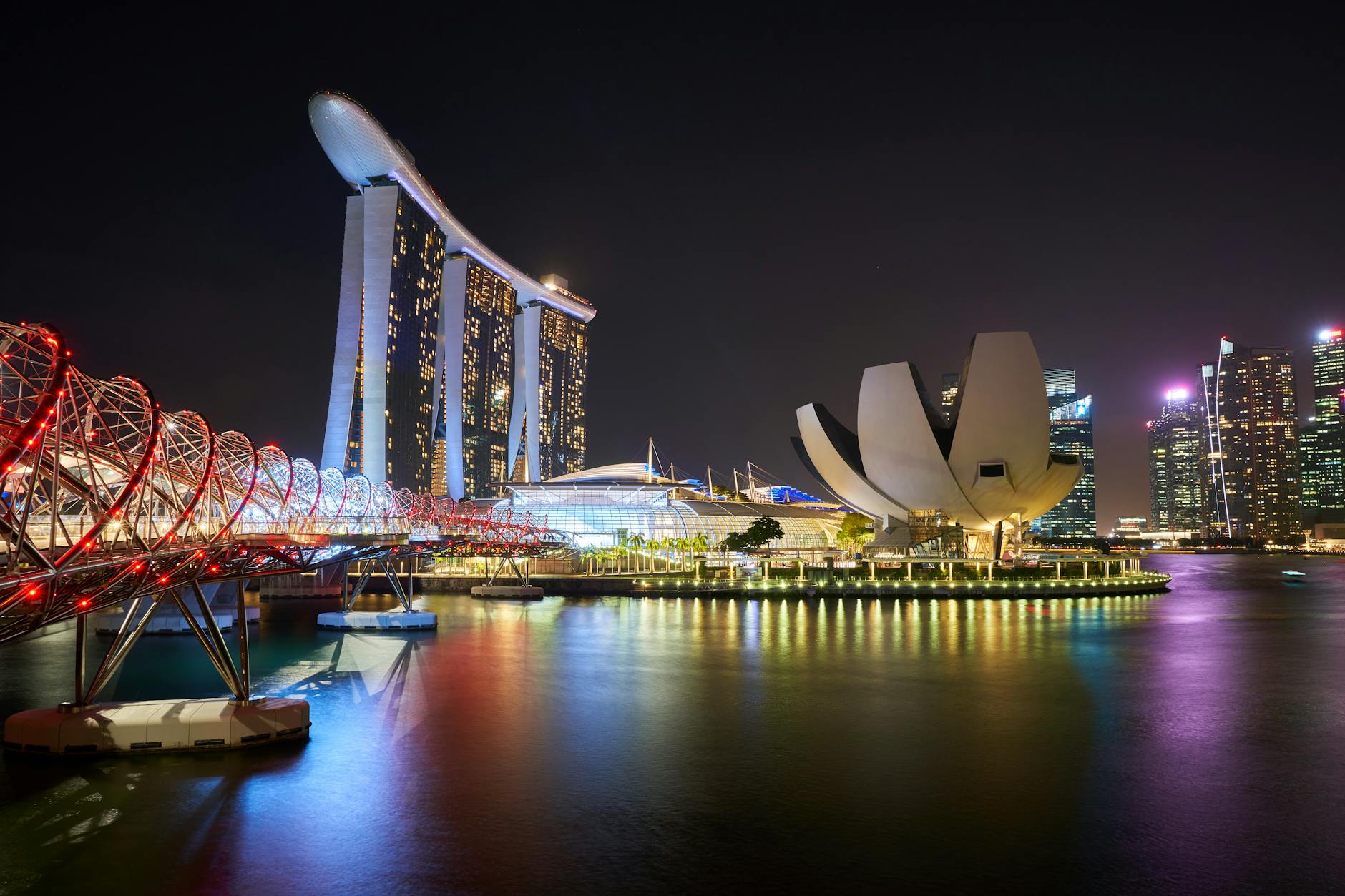
- Marina Bay Sands: A iconic hotel with a rooftop infinity pool and stunning views of the city.
- Chinatown Street Market: A bustling market with traditional shops and street food stalls.
- Tiong Bahru Market: A vibrant market with a mix of traditional shops and modern cafes.
- Kampong Glam: A historic neighborhood with a rich cultural heritage and unique shops and eateries.
💡 Practical Tips
Here are some essential tips for digital nomads in Singapore:
- Visa requirements: Digital nomads should check the visa requirements for their nationality before arriving in Singapore.
- Getting around: Singapore has a comprehensive public transport system, including buses and trains, which are easy to use and affordable.
- Safety considerations: Singapore is a safe city, but digital nomads should take normal precautions to ensure their safety and security.
- Best time to visit: The best time to visit Singapore is during the dry season from February to August.
- Money matters: Singapore uses the Singapore dollar, and digital nomads can exchange their currency at banks or currency exchange centers.
- Healthcare and insurance: Digital nomads should have adequate health insurance and check with their health insurance provider to see if they have coverage in Singapore.
By following these practical tips and recommendations, digital nomads can have a seamless and enjoyable experience in Singapore.