🌍 Overview
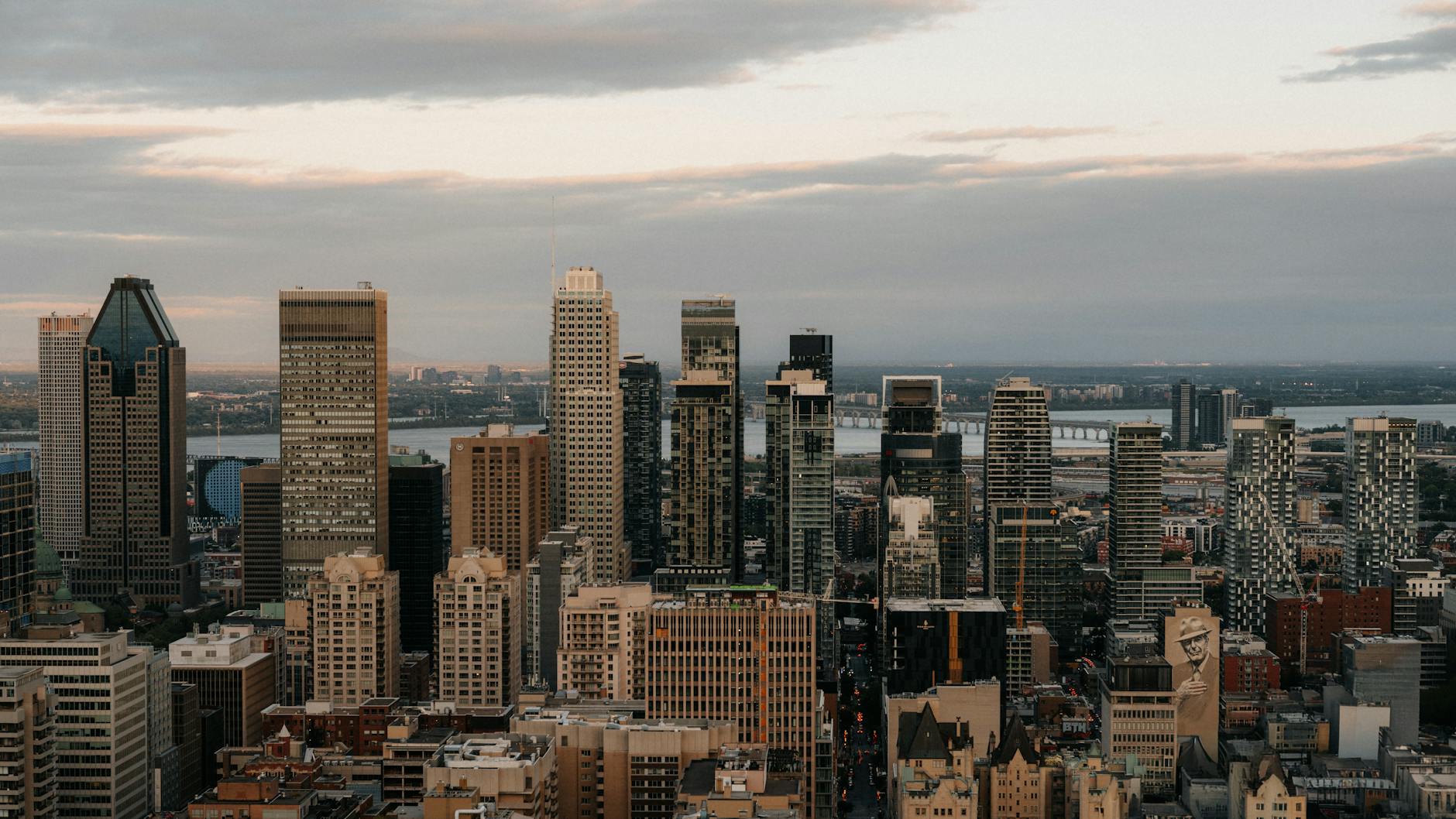
Montreal, the cultural gem of Quebec, Canada, has become an increasingly popular destination for digital nomads. As a remote work hub, Montreal offers an attractive cost of living, a thriving nomad community, and a wide range of coworking spaces. With its unique blend of French and English cultures, Montreal provides a welcoming environment for remote workers to connect with like-minded individuals and build a community. The city’s infrastructure is well-suited for digital nomads, with many cafes offering reliable internet and a variety of coworking spaces catering to different needs and budgets.
One of the key draws for digital nomads is Montreal’s affordable cost of living. A 1-bedroom apartment can be rented for around $737 per month, making it an attractive option for those looking to live and work in a major city without breaking the bank. Additionally, the average restaurant meal costs around $8.7, and a cup of coffee can be had for around $2.4. This affordable lifestyle is a major draw for remote workers, allowing them to save money and focus on their work.
Montreal’s nomad community is also a significant factor in its appeal. The city hosts various meetups and events for remote workers, including the popular Montreal Digital Nomads meetups, which attract a diverse crowd of entrepreneurs, developers, and freelancers. The city’s coworking spaces, such as the Montreal Coworking Space and the Desjardins Entrepreneurship Centre, offer a range of amenities and services tailored to the needs of digital nomads.
🏘️ Best Neighborhoods
Le Plateau Mont-Royal
Le Plateau Mont-Royal is one of the most vibrant and eclectic neighborhoods in Montreal. This charming area is known for its narrow streets, colorful buildings, and lively atmosphere. Rent in Le Plateau can be relatively high, with a 1-bedroom apartment costing around $1,100 per month. However, the neighborhood’s unique vibe and convenient access to public transportation make it a popular choice for digital nomads.
Pros: Le Plateau offers a wide range of cafes and coworking spaces, including the popular Cafe Olimpico and the coworking space, Plateau Cowork. The neighborhood is also home to many trendy restaurants and bars, making it a great place to socialize and network.
Cons: Le Plateau can be quite crowded and noisy, especially during the summer months. Additionally, the neighborhood’s steep hills can be challenging for those with mobility issues.
Mile End
Mile End is another popular neighborhood for digital nomads, known for its laid-back atmosphere and eclectic mix of shops and cafes. Rent in Mile End is generally more affordable than in Le Plateau, with a 1-bedroom apartment costing around $900 per month. The neighborhood is home to many coworking spaces, including the Mile End Cowork and the popular cafe, Cafe Myriade.
Pros: Mile End offers a relaxed atmosphere and a range of coworking spaces, making it an ideal choice for remote workers who want to focus on their work. The neighborhood is also home to many trendy restaurants and bars, making it a great place to socialize and network.
Cons: Mile End can be quite chilly in the winter, and the neighborhood’s streets can be narrow and winding, making it difficult to navigate.
Ahuntsic-Cartierville
Ahuntsic-Cartierville is a more suburban neighborhood that offers a quieter and more affordable alternative to Le Plateau and Mile End. Rent in Ahuntsic-Cartierville is generally lower, with a 1-bedroom apartment costing around $700 per month. The neighborhood is home to many coworking spaces, including the Ahuntsic Cowork and the popular cafe, Cafe A.
Pros: Ahuntsic-Cartierville offers a more relaxed atmosphere and a range of coworking spaces, making it an ideal choice for remote workers who want to focus on their work. The neighborhood is also relatively affordable, making it a great option for those on a budget.
Cons: Ahuntsic-Cartierville is a more suburban neighborhood, and it may not offer the same level of excitement and amenities as Le Plateau or Mile End.
Rosemont-Petite-Patrie
Rosemont-Petite-Patrie is a rapidly gentrifying neighborhood that offers a unique blend of urban and suburban charm. Rent in Rosemont-Petite-Patrie is generally more affordable than in Le Plateau, with a 1-bedroom apartment costing around $800 per month. The neighborhood is home to many coworking spaces, including the Rosemont Cowork and the popular cafe, Cafe Le Boulanger.
Pros: Rosemont-Petite-Patrie offers a unique blend of urban and suburban charm, making it an ideal choice for remote workers who want to experience the best of both worlds. The neighborhood is also relatively affordable, making it a great option for those on a budget.
Cons: Rosemont-Petite-Patrie is a rapidly gentrifying neighborhood, and it may not offer the same level of amenities and services as Le Plateau or Mile End.
Digital Nomad Guide
Coworking Spaces
Montreal offers a range of coworking spaces that cater to different needs and budgets. Some popular options include:
- Montreal Coworking Space: This coworking space offers a range of amenities, including high-speed internet, meeting rooms, and a community kitchen. Membership starts at around $300 per month.
- Desjardins Entrepreneurship Centre: This coworking space is geared towards entrepreneurs and startups, offering a range of resources and services, including business planning, marketing, and finance. Membership starts at around $200 per month.
- Plateau Cowork: This coworking space is located in the heart of Le Plateau and offers a range of amenities, including high-speed internet, meeting rooms, and a community kitchen. Membership starts at around $250 per month.
Internet
Montreal’s internet speeds are generally reliable, with an average speed of 27 Mbps. However, fiber availability can be limited in some areas, so it’s essential to check with your internet provider before signing up.
Nomad Community
Montreal’s nomad community is thriving, with many meetups and events taking place throughout the year. Some popular meetups include:
- Montreal Digital Nomads: This meetup group is geared towards digital nomads and remote workers, offering a range of events and activities, including networking, workshops, and social gatherings.
- Coworking Montreal: This meetup group is geared towards coworking spaces and remote workers, offering a range of events and activities, including networking, workshops, and social gatherings.
Cafes
Montreal is home to many cafes that offer reliable internet and a range of amenities, making them ideal for remote workers. Some popular options include:
- Cafe Olimpico: This cafe is located in Le Plateau and offers a range of amenities, including high-speed internet, power outlets, and a community kitchen.
- Cafe Myriade: This cafe is located in Mile End and offers a range of amenities, including high-speed internet, power outlets, and a community kitchen.
- Cafe Le Boulanger: This cafe is located in Rosemont-Petite-Patrie and offers a range of amenities, including high-speed internet, power outlets, and a community kitchen.
Visa Options
Montreal offers a range of visa options for remote workers, including:
- Electronic Travel Authorization (eTA): This visa is required for citizens of certain countries, including the US, UK, and Australia. It can be applied for online and typically takes a few days to process.
- Temporary Resident Visa (TRV): This visa is required for citizens of certain countries, including China, India, and Brazil. It can be applied for online or in person and typically takes a few weeks to process.
Banking and Practical Setup
Montreal offers a range of banking options for remote workers, including:
- TD Canada Trust: This bank offers a range of services, including online banking, mobile banking, and debit cards.
- RBC Royal Bank: This bank offers a range of services, including online banking, mobile banking, and debit cards.
- Scotiabank: This bank offers a range of services, including online banking, mobile banking, and debit cards.
🎨 Culture & Vibe
Local Customs and Etiquette
Montreal is a culturally diverse city, and locals are generally welcoming and friendly. However, there are some customs and etiquette to be aware of:
- Quebecers are known for their love of French culture, and it’s not uncommon to see French signs and menus throughout the city.
- Montrealers are generally polite and courteous, but it’s not uncommon to see them stand on the sidewalk to let pedestrians pass.
- Tipping culture is generally similar to the US, with 15% to 20% being considered standard.
Food Scene
Montreal’s food scene is known for its French-Canadian cuisine, with popular dishes including:
- Poutine: This classic Quebecois dish consists of French fries topped with cheese curds and gravy.
- Tourtière: This traditional Quebecois meat pie is typically served during the winter months.
- Sugar Shack: This traditional Quebecois dessert consists of a sweet, syrupy pancake made from maple syrup.
Nightlife and Social Scene
Montreal’s nightlife and social scene is known for its vibrant and eclectic mix of bars, clubs, and live music venues. Some popular spots include:
- The Underground City: This network of underground tunnels and shops is a great place to explore on a cold winter night.
- Cabaret du Mile End: This popular club offers live music and DJs throughout the week.
- O Patro Bis: This popular bar offers live music and a range of craft beers.
Arts and Cultural Attractions
Montreal is home to many arts and cultural attractions, including:
- The Montreal Museum of Fine Arts: This world-class museum features a range of exhibitions and collections, including art, history, and science.
- The Montreal Symphony Orchestra: This renowned orchestra performs a range of classical music pieces throughout the year.
- The Osler Library of the History of Medicine: This unique library offers a range of rare and historical medical texts and artifacts.
⭐ Highlights
Must-See Attractions
Montreal is a city with a rich history and culture, offering a range of must-see attractions for visitors. Some popular spots include:
- Old Montreal (Vieux-Montréal): This historic neighborhood offers a range of cobblestone streets, quaint shops, and historic landmarks.
- Notre-Dame Basilica: This beautiful church is a must-see attraction, featuring stunning stained-glass windows and intricate carvings.
- Mont Royal Park: This beautiful park offers a range of hiking trails, scenic views, and cultural attractions.
- Jean-Talon Market: This popular market offers a range of fresh produce, cheese, and baked goods.
Insider Tips and Warnings
Montreal is a city with a rich history and culture, but there are some insider tips and warnings to be aware of:
- Be prepared for cold winters and hot summers.
- Tipping culture is generally similar to the US, with 15% to 20% being considered standard.
- Montrealers are generally polite and courteous, but it’s not uncommon to see them stand on the sidewalk to let pedestrians pass.
Money Matters
Montreal is a relatively affordable city, but there are some money matters to be aware of:
- The Canadian dollar is the local currency, and it’s generally best to exchange your money at a bank or currency exchange.
- Credit cards are widely accepted throughout the city, including at many restaurants and shops.
- Tipping culture is generally similar to the US, with 15% to 20% being considered standard.
Healthcare and Insurance
Montreal offers a range of healthcare options for remote workers, including:
- The Quebec Health Insurance Plan (Régie de l’assurance maladie du Québec): This public healthcare system provides a range of medical services, including doctor visits, hospital stays, and prescription medication.
- Private health insurance: Many private health insurance companies offer a range of plans and services, including medical evacuation and repatriation.
- Travel insurance: Many travel insurance companies offer a range of plans and services, including medical evacuation and repatriation.
Getting Around
Montreal is a relatively compact city, making it easy to get around on foot or by public transportation. Some popular transportation options include:
- The Metro: Montreal’s metro system is efficient and convenient, with six lines and 68 stations.
- Bus: Montreal’s bus system is comprehensive, with over 200 routes and 3,000 stops.
- Bike: Montreal is a bike-friendly city, with many bike lanes and rental options.
Safety Considerations
Montreal is generally a safe city, but there are some safety considerations to be aware of:
- Petty theft and pickpocketing are common in tourist areas, so be sure to keep your valuables secure.
- Be aware of your surroundings, especially at night.
- Avoid walking alone in dimly lit or deserted areas.
Practical Tips
Montreal is a city with a rich history and culture, but there are some practical tips to be aware of:
- Be prepared for cold winters and hot summers.
- Learn some basic French phrases, as not everyone speaks English.
- Tipping culture is generally similar to the US, with 15% to 20% being considered standard.