🌍 Overview
Reykjavik, the vibrant capital of Iceland, has become a hotspot for digital nomads seeking an unforgettable experience amidst breathtaking landscapes. As a digital nomad destination, Reykjavik offers a unique blend of remote work infrastructure, nature, and culture that’s hard to find elsewhere. With its growing nomad scene, Reykjavik has become a hub for remote workers who crave adventure, stunning scenery, and a strong sense of community. The city’s compact size, efficient infrastructure, and welcoming locals make it an ideal destination for nomads.
However, it’s essential to have realistic expectations about Reykjavik’s nomad scene. With a digital nomad infrastructure score of 42/100, you might find that some aspects of life as a remote worker in Reykjavik can be challenging. The city’s high cost of living, limited social scene, and relatively few coworking spaces might make it less appealing to some nomads. Nevertheless, the city’s natural beauty, unique culture, and growing community make it a compelling destination for those willing to adapt.
Reykjavik’s nomad community is small but vibrant, with many nomads gathering at local coworking spaces, cafes, and bars. The city’s language situation is also worth noting, with around 97% of the population speaking English fluently, making it relatively easy for nomads to navigate everyday life.
🏘️ Best Neighborhoods
1. Reykjanesbær: A Hub for Digital Nomads
Reykjanesbær, a neighborhood on the outskirts of Reykjavik, has become a hotspot for digital nomads. With a relatively low cost of living, Reykjanesbær offers a range of apartments, from studios to 3-bedroom flats, for around $900-$1,200 per month. The neighborhood’s authentic vibe is characterized by its laid-back atmosphere, with many locals and nomads gathering at local cafes and bars.
Pros: affordable rent, easy access to coworking spaces, and a relaxed atmosphere.
Cons: limited public transportation options, and some areas can be noisy.
Notable streets: Vesturbæjarvegur, Reykjanesbraut, and the scenic coastal road, Strandvegur.
Why nomads choose Reykjanesbær: its affordability, proximity to coworking spaces, and the neighborhood’s relaxed atmosphere make it an attractive option for remote workers.
2. Hlíðar: A Hub for Culture and Nightlife
Hlíðar, a charming neighborhood in eastern Reykjavik, is known for its vibrant cultural scene and nightlife. With a range of cafes, restaurants, and bars, Hlíðar is a hotspot for nomads seeking a more urban experience. The neighborhood’s monthly rent ranges from $1,200 to $1,800, making it more expensive than Reykjanesbær.
Pros: Hlíðar’s cultural attractions, nightlife, and dining options are unmatched in Reykjavik.
Cons: higher rent, and some areas can be noisy.
Notable streets: Hlíðavegur, Ármúla, and the scenic Laugavegur shopping street.
Why nomads choose Hlíðar: its cultural attractions, nightlife, and dining options make it an attractive option for remote workers seeking a more urban experience.
3. Árbær: A Family-Friendly Neighborhood
Árbær, a family-friendly neighborhood in southwestern Reykjavik, offers a more laid-back atmosphere and a range of apartments, from studios to 3-bedroom flats, for around $1,000-$1,500 per month. Árbær’s authentic vibe is characterized by its parks, playgrounds, and community centers.
Pros: Árbær’s family-friendly atmosphere, parks, and community centers make it an attractive option for remote workers with families.
Cons: limited coworking spaces and some areas can be noisy.
Notable streets: Árbæjarvegur, Fjölnisvegur, and the scenic park, Árbæjarlaug.
Why nomads choose Árbær: its family-friendly atmosphere, parks, and community centers make it an attractive option for remote workers with families.
4. Miðborg: The City Center
Miðborg, the city center, is a hub for shopping, dining, and cultural attractions. With a range of apartments, from studios to 3-bedroom flats, for around $1,500-$2,500 per month, Miðborg is one of the most expensive neighborhoods in Reykjavik.
Pros: Miðborg’s shopping, dining, and cultural attractions make it an attractive option for remote workers seeking a more urban experience.
Cons: higher rent, and some areas can be noisy.
Notable streets: Laugavegur, Austurstræti, and the scenic Hallgrímskirkja church.
Why nomads choose Miðborg: its shopping, dining, and cultural attractions make it an attractive option for remote workers seeking a more urban experience.
Digital Nomad Guide
Coworking Spaces
Reykjavik’s coworking scene is growing, with several spaces catering to digital nomads. Some popular options include:
- CoLab (approx. $200-$500 per month): a hub for startups and entrepreneurs, with a range of amenities and networking opportunities.
- Impact Hub (approx. $250-$600 per month): a global network of coworking spaces, with a focus on social impact and community building.
- Reykjavik Coworking (approx. $150-$300 per month): a local coworking space with a focus on community building and networking.
Internet Quality
Reykjavik’s internet quality is generally good, with average speeds of 26 Mbps. However, some areas, such as Reykjanesbær, may experience slower speeds due to limited fiber availability.
Nomad Community
Reykjavik’s nomad community is small but vibrant, with many nomads gathering at local coworking spaces, cafes, and bars. Some popular meetups include:
- Reykjavik Digital Nomads Meetup (Facebook group with over 1,000 members): a community for digital nomads to connect, share experiences, and attend events.
- Reykjavik Nomad Meetup (Meetup.com): a regular meetup for digital nomads to connect and attend events.
Cafes to Work from
Reykjavik has a range of cafes with good wifi and a relaxed atmosphere, making them ideal for remote work. Some popular options include:
- Brauð & Co (Vesturbæjarvegur): a charming bakery with good wifi and a relaxed atmosphere.
- Café Loki (Laugavegur): a popular cafe with good wifi and a range of dining options.
- 101 Café (Laugavegur): a cozy cafe with good wifi and a relaxed atmosphere.
Visa Options
Reykjavik has several visa options for remote workers, including:
- The Icelandic Tourist Visa: a short-term visa for tourists, with a maximum stay of 90 days.
- The Icelandic Work Visa: a long-term visa for remote workers, with a maximum stay of 1 year.
- The Schengen Visa: a short-term visa for travelers, with a maximum stay of 90 days.
Banking and Practical Setup
Reykjavik has several banks and financial institutions catering to digital nomads, including:
- Landsbankinn: a local bank with a range of services for remote workers, including banking, currency exchange, and money transfers.
- Íslandsbanki: a local bank with a range of services for remote workers, including banking, currency exchange, and money transfers.
- Revolut: a digital bank with a range of services for remote workers, including banking, currency exchange, and money transfers.
🎨 Culture & Vibe
Local Customs and Etiquette
Reykjavik has a unique culture and set of customs, including:
- The Icelandic concept of “þetta reddast” (it will all work out): a philosophy of embracing uncertainty and trusting that everything will work out.
- The Icelandic concept of “hygga” (cozy): a culture of embracing warmth, comfort, and relaxation.
Food Scene
Reykjavik’s food scene is characterized by its emphasis on local ingredients, seafood, and traditional Icelandic cuisine. Some must-try dishes include:
- Hákarl (fermented shark): a traditional Icelandic dish made from fermented shark meat.
- Harðfiskur (dried and salted fish): a traditional Icelandic snack made from dried and salted fish.
- Skyr (yogurt-like dairy product): a popular Icelandic dairy product made from non-fat milk.
Nightlife and Social Scene
Reykjavik’s nightlife and social scene are relatively limited, with most locals preferring to socialize in cafes and bars rather than clubs. Some popular venues include:
- 101 Bar (Laugavegur): a popular bar with a relaxed atmosphere and a range of drinks.
- Hamborgarabúlla Tómasar (Laugavegur): a popular burger joint with a relaxed atmosphere and a range of drinks.
- Reykjavik Pub (Miðborg): a popular pub with a relaxed atmosphere and a range of drinks.
Arts and Cultural Attractions
Reykjavik has a range of cultural attractions, including:
- The National Museum of Iceland (Miðborg): a museum showcasing Iceland’s history and culture.
- The Harpa Concert Hall (Miðborg): a stunning concert hall with a range of performances and events.
- The Reykjavik Art Museum (Miðborg): a museum showcasing Icelandic art and culture.
⭐ Highlights
- Visit the stunning Blue Lagoon (Grindavík): a geothermal spa nestled in a lava field.
- Explore the scenic Westfjords (Þingeyri): a rugged and beautiful region with stunning scenery and hiking trails.
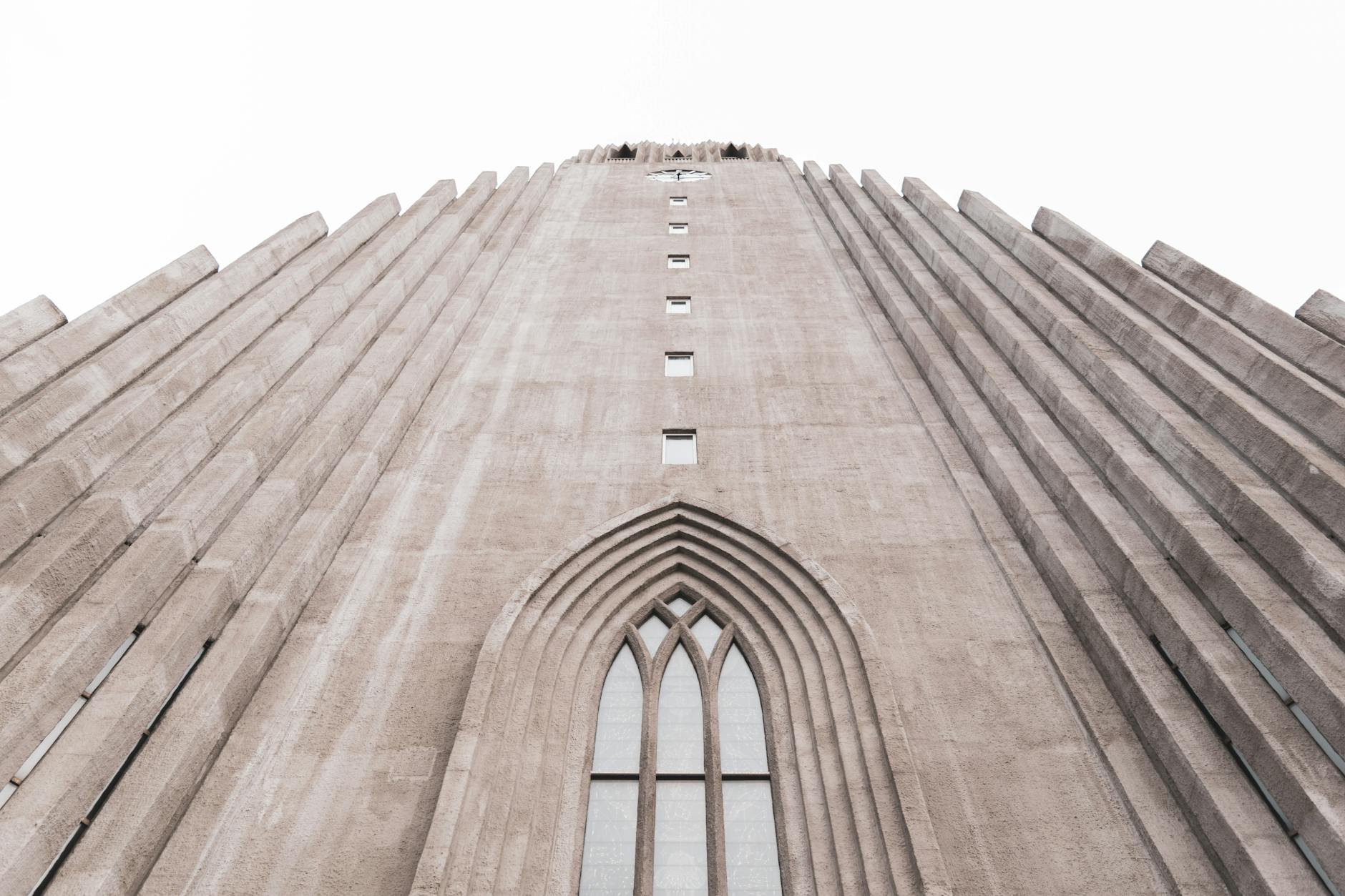
- Visit the iconic Hallgrímskirkja church (Miðborg): a stunning church with a unique architecture and great views of the city.
- Take a stroll along the scenic Laugavegur shopping street (Miðborg): a charming street lined with shops, cafes, and restaurants.
- Visit the Harpa Concert Hall (Miðborg): a stunning concert hall with a range of performances and events.
- Explore the scenic Reykjavik Harbour (Miðborg): a charming harbour with a range of shops, cafes, and restaurants.
💡 Practical Tips
- Visa requirements: check the Icelandic government’s website for visa requirements and application procedures.
- Getting around: Reykjavik has a range of public transportation options, including buses and a bike-sharing system.
- Safety considerations: Reykjavik is generally a safe city, but be aware of pickpocketing and petty theft in crowded areas.
- Best time to visit: Reykjavik is best visited during the summer months (June to August) for good weather and long days.
- Local tips and warnings: be aware of Iceland’s unique culture and customs, and respect the environment and local wildlife.
- Money matters: Iceland uses the Icelandic króna (ISK) currency, and most businesses accept credit cards.
- Healthcare and insurance: Iceland has a high standard of healthcare, but consider purchasing travel insurance to cover any medical expenses.