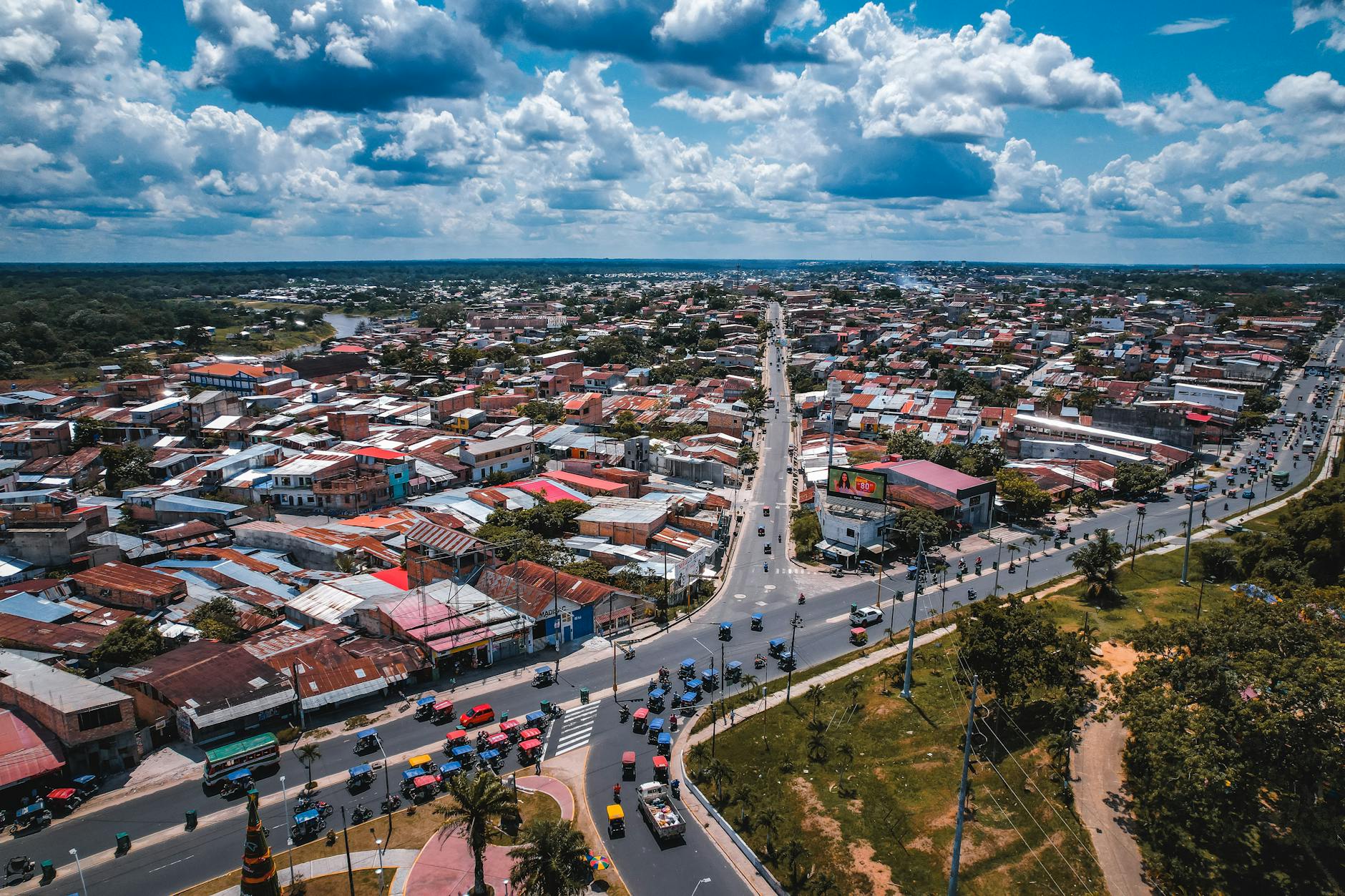
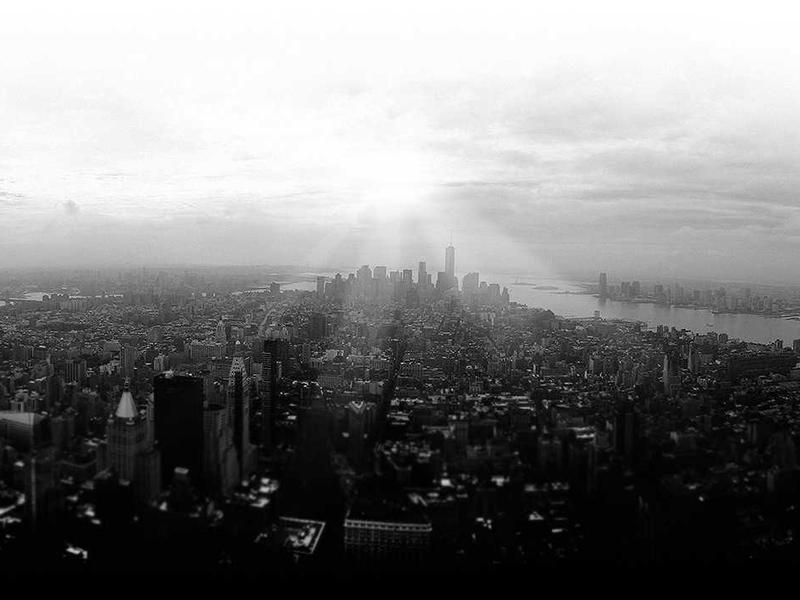
🌍 Overview
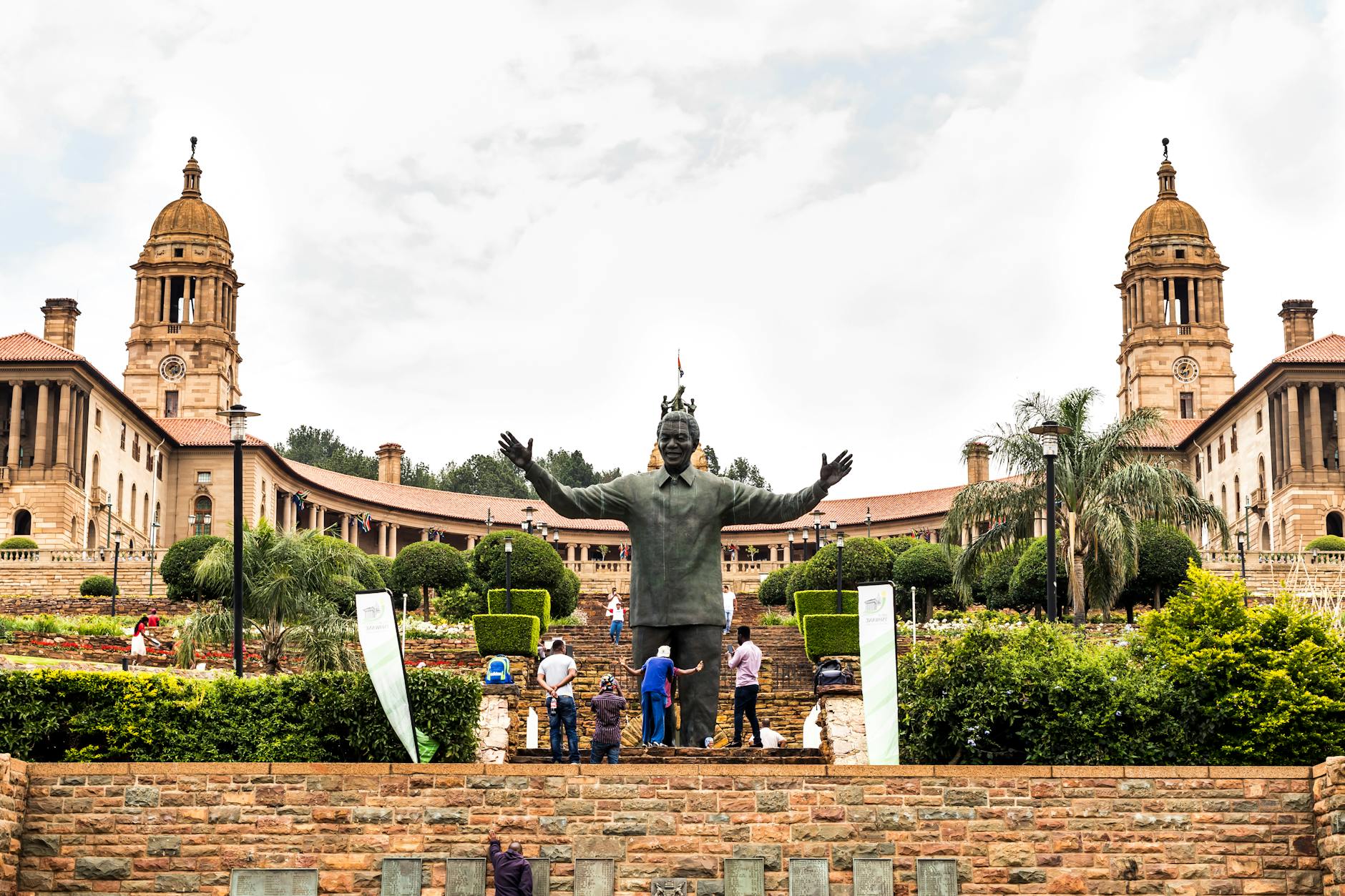
As a digital nomad, I’ve had the pleasure of calling Pretoria, South Africa, my home for a while, and I must say, it’s a city that grows on you. With its rich history, vibrant culture, and breathtaking natural surroundings, Pretoria is an excellent choice for remote workers looking for a unique blend of urban and outdoor experiences. The city’s laid-back atmosphere, coupled with its relatively low cost of living, makes it an attractive destination for Pretoria digital nomads. I’ve found that the city’s charm lies in its ability to balance modern amenities with traditional African culture, making it an exciting place to explore and work.
Pretoria, also known as the “Jacaranda City,” is a haven for nature lovers, with its picturesque landscapes, rolling hills, and the majestic Magaliesberg Mountains in the distance. The city’s climate is subtropical, with warm summers and mild winters, making it an ideal destination for those who enjoy outdoor activities like hiking, cycling, or simply taking a stroll through the beautiful botanical gardens. As a Pretoria digital nomad, you’ll have plenty of opportunities to connect with like-minded individuals, attend local events, and immerse yourself in the city’s vibrant culture.
🏘️ Best Neighborhoods for Digital Nomads
When it comes to choosing a neighborhood to stay in Pretoria, there are several options that cater to different tastes and preferences. Here are a few areas that I highly recommend:
- Hatfield: This trendy neighborhood is a favorite among students and young professionals, with its vibrant atmosphere, trendy cafes, and restaurants. Rent for a one-bedroom apartment in Hatfield can range from R6,000 to R8,000 (approximately $400-$550 USD) per month.
- Menlo Park: Located in the heart of Pretoria, Menlo Park is a charming suburb with tree-lined streets, beautiful parks, and a variety of restaurants and cafes. A one-bedroom apartment in Menlo Park can cost between R5,000 to R7,000 (approximately $350-$500 USD) per month.
- Brooklyn: This upscale neighborhood is known for its beautiful homes, embassies, and diplomatic residences. Brooklyn is a bit more expensive, with rent for a one-bedroom apartment ranging from R8,000 to R12,000 (approximately $550-$850 USD) per month.
- Arcadia: This historic neighborhood is a gem, with its beautiful architecture, quaint cafes, and vibrant atmosphere. Rent for a one-bedroom apartment in Arcadia can range from R4,000 to R6,000 (approximately $280-$420 USD) per month.
Each of these neighborhoods has its unique character, and as a Pretoria digital nomad, you’ll find that they offer a great balance of work, play, and relaxation.
Cost of Living Breakdown
The cost of living in Pretoria is relatively low compared to other major cities in South Africa. Here’s a breakdown of typical expenses for a digital nomad:
- Rent: As mentioned earlier, rent for a one-bedroom apartment can range from R4,000 to R12,000 (approximately $280-$850 USD) per month, depending on the neighborhood and amenities.
- Food: Eating out in Pretoria can be relatively affordable, with a meal at a mid-range restaurant costing around R50-R100 (approximately $3.50-$7 USD) per person. Groceries are also reasonably priced, with a basket of basic items costing around R500-R700 (approximately $35-$50 USD) per week.
- Transportation: Public transportation in Pretoria is limited, but you can easily get around using taxis or ride-hailing services. A monthly public transportation pass can cost around R500-R700 (approximately $35-$50 USD), while a taxi ride can cost around R20-R50 (approximately $1.40-$3.50 USD) per trip.
- Coworking: Coworking spaces in Pretoria are becoming increasingly popular, with prices ranging from R1,500 to R3,000 (approximately $100-$210 USD) per month for a hot desk.
Overall, the cost of living in Pretoria is relatively low, making it an attractive destination for remote workers looking to stretch their budget.
Internet & Coworking
As a digital nomad, reliable internet is essential, and Pretoria has made significant strides in improving its internet infrastructure. The average internet speed in Pretoria is around 46 Mbps, which is relatively fast compared to other cities in Africa. You can easily find coworking spaces with high-speed internet, such as:
- The Workspace: Located in the heart of Pretoria, The Workspace offers a range of membership options, including hot desks, dedicated desks, and private offices. Prices start from R1,500 (approximately $100 USD) per month.
- Regus: Regus is a global coworking chain with a presence in Pretoria. They offer a range of membership options, including hot desks, dedicated desks, and private offices. Prices start from R2,000 (approximately $140 USD) per month.
- The Hub: The Hub is a popular coworking space in Pretoria, offering a range of membership options, including hot desks, dedicated desks, and private offices. Prices start from R1,200 (approximately $85 USD) per month.
Some popular cafes with good internet and a relaxed atmosphere include:
- The Coffee Club: Located in the trendy neighborhood of Hatfield, The Coffee Club is a popular spot for digital nomads, with fast internet and a range of coffee and food options.
- Father Coffee: With several locations throughout Pretoria, Father Coffee is a favorite among coffee lovers, with high-quality coffee and fast internet.
Pretoria has a growing digital nomad community, with several meetups and events taking place throughout the year. Some popular groups and events include:
- Pretoria Digital Nomads: This Facebook group is a great resource for connecting with other digital nomads, finding out about upcoming events, and getting tips on the best places to work and live.
- Nomad Meetups: Nomad Meetups is a global community of digital nomads, with regular meetups taking place in Pretoria. These events are a great way to connect with like-minded individuals and learn about new opportunities and resources.
Culture & Lifestyle
Pretoria has a rich cultural heritage, with a unique blend of African, European, and Asian influences. As a digital nomad, you’ll have plenty of opportunities to experience the local culture, including:
- Food: Pretoria is known for its delicious local cuisine, including dishes like bobotie, boerewors, and malva pudding. Be sure to try some of the local specialties at restaurants like The Boerewors Roll or The South African Restaurant.
- Nightlife: Pretoria has a vibrant nightlife scene, with several bars, clubs, and live music venues. Some popular spots include The News Cafe, The Manhattan Club, and The Radium Beer Hall.
- Dating: As a digital nomad, you’ll have plenty of opportunities to meet new people and make connections. Some popular dating apps in South Africa include Tinder, Bumble, and OkCupid.
As a digital nomad, you’ll need to ensure that you have the necessary visa to work and live in South Africa. The country offers a range of visa options, including:
- Tourist Visa: This visa is valid for up to 90 days and can be extended for an additional 90 days.
- Work Visa: This visa is required for individuals who want to work in South Africa, including digital nomads. You’ll need to provide proof of employment, qualifications, and a valid passport.
It’s essential to note that visa requirements can change, so be sure to check the official government website for the latest information.
💡 Practical Tips
As a digital nomad in Pretoria, here are some practical tips to keep in mind:
- SIM Cards: You can easily purchase a SIM card at the airport or at a local shop. Some popular providers include Vodacom, MTN, and Cell C. Prices start from around R50 (approximately $3.50 USD) for a SIM card and data package.
- Transportation: As mentioned earlier, public transportation in Pretoria is limited, but you can easily get around using taxis or ride-hailing services.
- Safety: Pretoria is generally a safe city, but as with any city, it’s essential to take precautions to ensure your safety. Be aware of your surroundings, especially at night, and avoid carrying large amounts of cash.
- Weather: Pretoria has a subtropical climate, with warm summers and mild winters. Be sure to pack accordingly, with light clothing for the summer months and warmer clothing for the winter months.