🌍 Overview
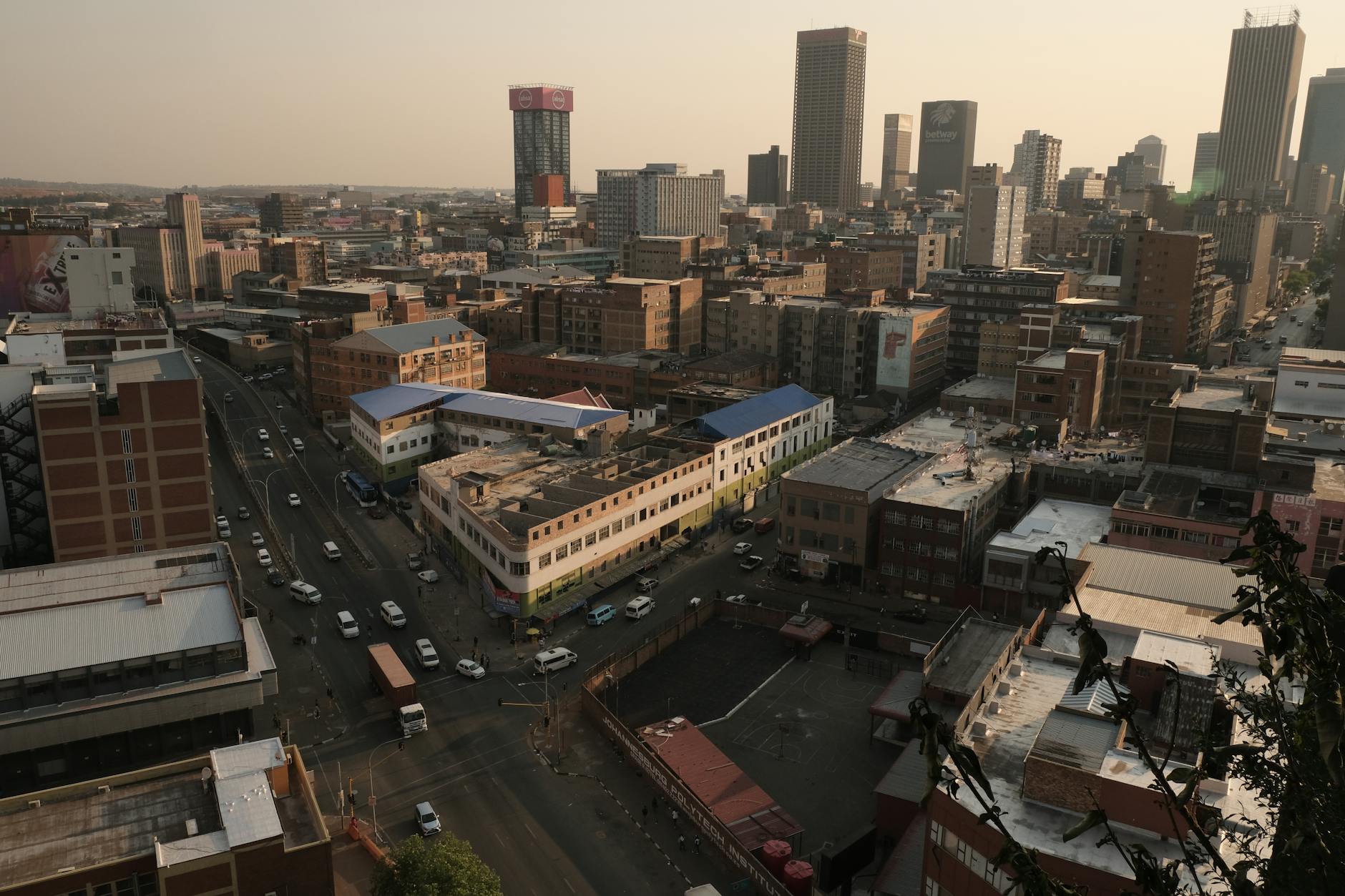
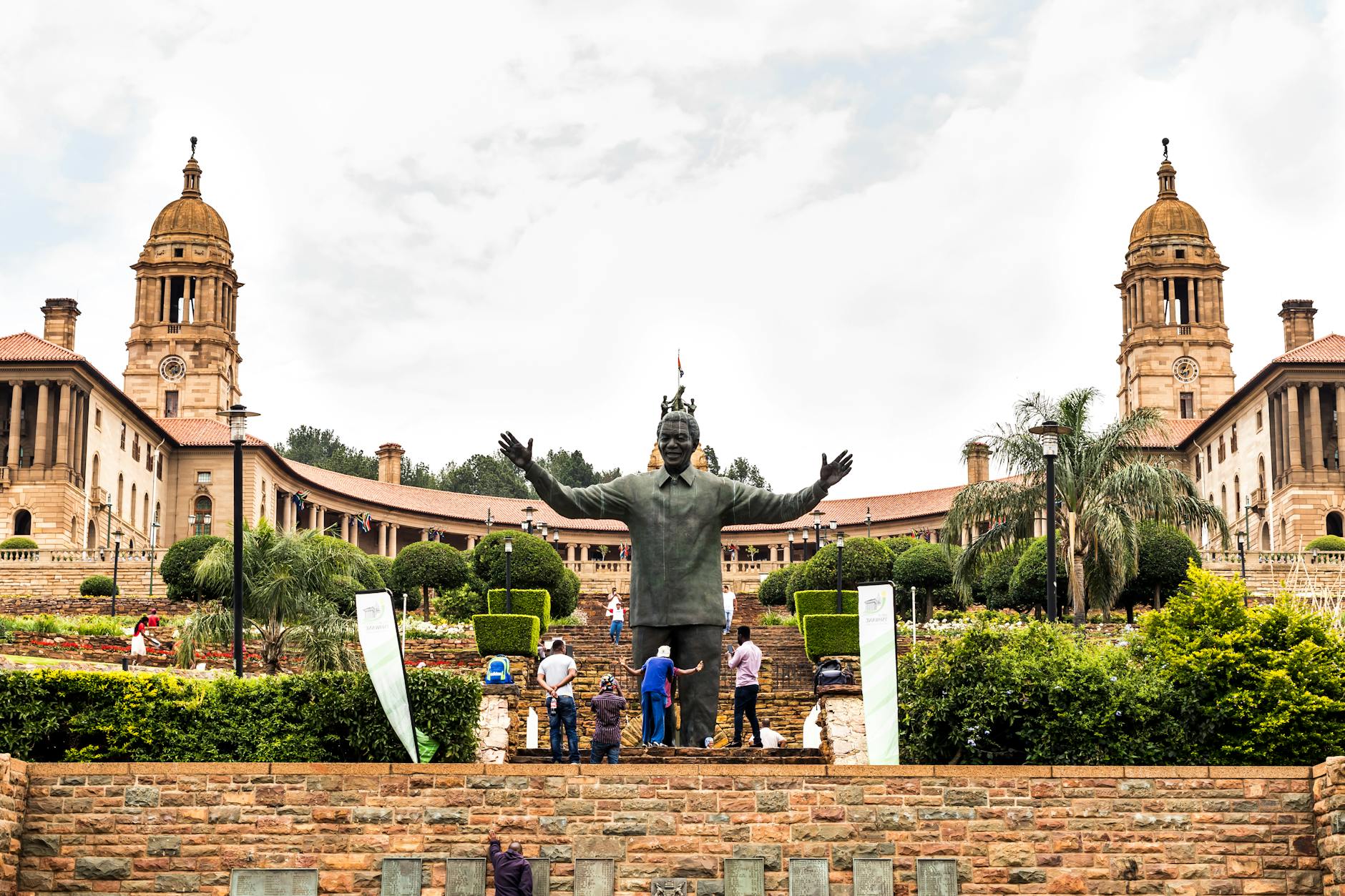
As a seasoned digital nomad, I’ve had the privilege of calling Johannesburg home for several months, and I must say, it’s a city that will surprise and charm you. Johannesburg, or Jozi as the locals affectionately call it, is a melting pot of cultures, histories, and landscapes. From the bustling streets of Hillbrow to the tranquil gardens of Emmarentia, Johannesburg has a unique energy that’s hard to find elsewhere. As a digital nomad, you’ll love the city’s vibrant atmosphere, rich cultural scene, and stunning natural beauty. With a Nomad Score of 40/100, Johannesburg may not be the most popular destination for remote workers, but it’s definitely worth considering, especially if you’re looking for an affordable and exciting experience.
🏘️ Best Neighborhoods for Digital Nomads
When it comes to choosing a neighborhood in Johannesburg, you’ve got plenty of options. Here are three areas that I highly recommend for digital nomads:
- Braamfontein: This trendy neighborhood is home to the University of the Witwatersrand and has a lively atmosphere, with plenty of cafes, restaurants, and bars. You’ll find a mix of old and new buildings, from historic mansions to modern apartments. Rent for a one-bedroom apartment in Braamfontein can range from R6,000 to R10,000 (approximately $419 to $699 USD) per month.
- Melville: This charming neighborhood is known for its bohemian vibe, with a mix of antique shops, art galleries, and restaurants. It’s a popular spot for young professionals and families, and you’ll find a range of accommodation options, from apartments to houses. Rent for a one-bedroom apartment in Melville can range from R5,000 to R9,000 (approximately $349 to $629 USD) per month.
- Maboneng: This up-and-coming neighborhood is a hub for creatives and entrepreneurs, with a range of coworking spaces, art galleries, and street art. It’s a bit more rough around the edges than other areas, but it’s got a unique energy and a growing community of digital nomads. Rent for a one-bedroom apartment in Maboneng can range from R4,000 to R8,000 (approximately $279 to $559 USD) per month.
Cost of Living Breakdown
The cost of living in Johannesburg is relatively low compared to other major cities in the world. Here’s a breakdown of what you can expect to pay for basic expenses:
- Rent: As mentioned earlier, rent for a one-bedroom apartment can range from R4,000 to R10,000 (approximately $279 to $699 USD) per month, depending on the neighborhood and amenities.
- Food: Eating out in Johannesburg can be affordable, with a meal at a mid-range restaurant costing around R50 to R100 (approximately $3 to $7 USD) per person. Groceries are also relatively cheap, with a basket of basic items costing around R500 to R1,000 (approximately $35 to $70 USD) per month.
- Transport: Johannesburg has a relatively well-developed public transport system, with buses and minibus taxis connecting most areas of the city. A monthly public transport pass can cost around R500 to R1,000 (approximately $35 to $70 USD). If you prefer to drive, fuel costs around R15 to R20 (approximately $1 to $1.40 USD) per liter.
- Coworking: Coworking spaces in Johannesburg are plentiful, with options ranging from R1,000 to R5,000 (approximately $70 to $350 USD) per month, depending on the amenities and location.
Internet & Coworking
Johannesburg has a relatively fast internet speed, with an average speed of 46 Mbps. You’ll find plenty of coworking spaces and cafes with good internet connectivity, including:
- The Workspace: A popular coworking space with locations in Braamfontein and Sandton, offering fast internet, comfortable workspaces, and a range of amenities.
- Neighbourgoods Market: A trendy market and coworking space in Braamfontein, with fast internet, a range of food and drink options, and a lively atmosphere.
- Village Road Cafe: A cozy cafe in Melville, with fast internet, a range of coffee and food options, and a relaxed atmosphere.
Johannesburg has a growing community of digital nomads, with a range of meetups and events to connect with like-minded individuals. Some popular groups and events include:
- Johannesburg Digital Nomads: A Facebook group with over 1,000 members, hosting regular meetups and events.
- Nomads in Jozi: A meetup group for digital nomads, hosting regular events and activities.
- Startup Grind Johannesburg: A community of entrepreneurs and startups, hosting regular events and meetups.
Culture & Lifestyle
Johannesburg is a city with a rich cultural scene, from its vibrant townships to its world-class museums and galleries. As a digital nomad, you’ll love the city’s diverse food scene, with a range of traditional South African cuisine, as well as international options. Some popular local customs and expressions include:
- Sawubona: A traditional Zulu greeting, meaning “hello” or “good day”.
- Braai: A popular social activity, where friends and family gather to barbecue and socialize.
- Ubuntu: A philosophy of community and mutual support, which is deeply ingrained in South African culture.
As a digital nomad, you’ll need to apply for a tourist visa to enter South Africa. The visa requirements and process can be complex, so it’s best to check with the South African Department of Home Affairs for the latest information. There is no specific digital nomad visa available in South Africa, but you can apply for a work visa or a business visa if you plan to work or start a business in the country.
💡 Practical Tips
Here are some practical tips to help you navigate Johannesburg as a digital nomad:
- SIM cards: You can buy a SIM card from a range of providers, including Vodacom, MTN, and Cell C. Prices start from around R50 to R100 (approximately $3 to $7 USD) for a basic package.
- Transport: Johannesburg has a relatively well-developed public transport system, but it’s not always reliable. Consider using a ride-hailing service or driving a car.
- Safety: Johannesburg can be a safe city, but it’s always best to take precautions. Avoid walking alone at night, and be mindful of your belongings in crowded areas.
- Weather: Johannesburg has a subtropical highland climate, with warm summers and mild winters. The best time to visit is during the spring and autumn months, when the weather is mild and pleasant.