🌍 Overview
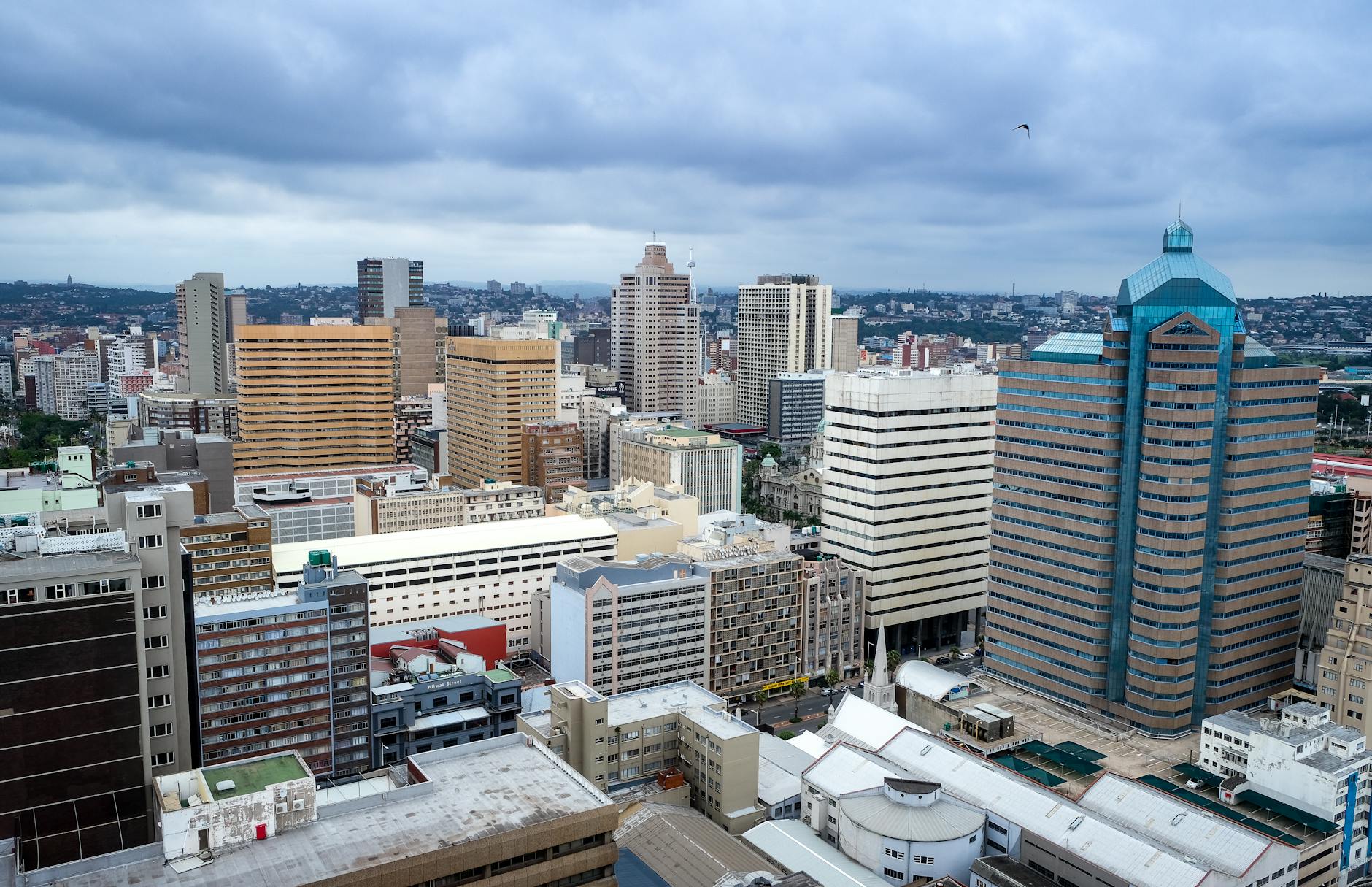
As a digital nomad who’s spent several months in Durban, South Africa, I can attest that this coastal city has a lot to offer remote workers. With its stunning beaches, vibrant nightlife, and rich cultural heritage, Durban is an attractive destination for those looking to escape the monotony of traditional office life. The city’s laid-back vibe, warm climate, and relatively low cost of living make it an ideal spot for digital nomads to settle in and get some work done. However, it’s essential to be aware of the city’s safety concerns and take necessary precautions to ensure a smooth and enjoyable experience.
Durban’s unique blend of African, Indian, and European influences is reflected in its cuisine, architecture, and cultural events. As a digital nomad, you’ll have plenty of opportunities to immerse yourself in the local culture, from trying traditional dishes like bunny chow and curry to attending festivals like the Durban International Film Festival. With its growing expat community and increasing number of coworking spaces, Durban is becoming a hub for remote workers and digital entrepreneurs.
🏘️ Best Neighborhoods for Digital Nomads
When it comes to choosing a neighborhood to stay in Durban, digital nomads have several options to consider. Here are three areas that are popular among remote workers:
- Umhlanga: This upscale neighborhood is located just north of Durban’s city center and offers stunning ocean views, beautiful beaches, and a range of amenities, including restaurants, bars, and shopping centers. Umhlanga is a popular spot for digital nomads, with several coworking spaces and coffee shops catering to remote workers. Rent for a one-bedroom apartment in Umhlanga can range from R6,000 to R10,000 (approximately $408 to $680 USD) per month.
- Morningside: This charming neighborhood is situated just west of the city center and is known for its tree-lined streets, historic homes, and vibrant atmosphere. Morningside is home to several cafes, restaurants, and bars, making it a great spot for digital nomads who want to be close to the action. Rent for a one-bedroom apartment in Morningside can range from R5,000 to R8,000 (approximately $340 to $550 USD) per month.
- Glenwood: This trendy neighborhood is located just south of the city center and is popular among students, artists, and digital nomads. Glenwood is known for its bohemian vibe, with several vintage shops, cafes, and restaurants. Rent for a one-bedroom apartment in Glenwood can range from R4,000 to R7,000 (approximately $270 to $480 USD) per month.
Cost of Living Breakdown
The cost of living in Durban is relatively low compared to other major cities in South Africa. Here’s a breakdown of typical expenses for digital nomads:
- Rent: As mentioned earlier, rent for a one-bedroom apartment can range from R4,000 to R10,000 (approximately $270 to $680 USD) per month, depending on the neighborhood and amenities.
- Food: Eating out in Durban can be very affordable, with a meal at a mid-range restaurant costing around R50 to R100 (approximately $3 to $7 USD) per person. Groceries are also relatively cheap, with a basket of basic items (milk, bread, eggs, etc.) costing around R200 to R300 (approximately $14 to $20 USD) per week.
- Transport: Public transportation in Durban is limited, but affordable, with a monthly pass costing around R500 to R700 (approximately $35 to $50 USD). Taxis and ride-hailing services are also widely available, with a typical fare costing around R20 to R50 (approximately $1 to $3 USD).
- Coworking: Coworking spaces in Durban typically charge around R1,500 to R3,000 (approximately $100 to $200 USD) per month for a hot desk, depending on the amenities and location.
Internet & Coworking
Durban has a growing number of coworking spaces catering to digital nomads, with several options to choose from:
- The Workspace: Located in Umhlanga, The Workspace offers a range of membership options, including hot desks, dedicated desks, and private offices. Prices start at R1,500 (approximately $100 USD) per month for a hot desk.
- The Foundry: Situated in Morningside, The Foundry is a popular coworking space among digital nomads, with a relaxed atmosphere and plenty of natural light. Membership options start at R2,000 (approximately $140 USD) per month for a hot desk.
- Glenwood Coffee Shop: This cozy coffee shop in Glenwood offers a quiet workspace with reliable internet and a range of coffee and snacks. Prices start at R50 (approximately $3 USD) per day for a workspace.
Internet speeds in Durban are generally good, with average speeds of 46 Mbps. However, it’s not uncommon for internet outages to occur, especially during heavy rainfall or load shedding.
Durban has a growing digital nomad community, with several meetups and events taking place throughout the year. Some popular groups include:
- Durban Digital Nomads: This Facebook group is a great resource for connecting with other remote workers, finding coworking spaces, and getting tips on the best places to eat and drink.
- Nomad List Durban: This online community is a great place to ask questions, share experiences, and get advice from other digital nomads who have lived and worked in Durban.
Culture & Lifestyle
Durban is a city with a rich cultural heritage, and as a digital nomad, you’ll have plenty of opportunities to immerse yourself in the local way of life. Here are a few tips for navigating the city’s culture and lifestyle:
- Food: Durban is famous for its Indian cuisine, and you’ll find plenty of delicious restaurants serving up curries, biryanis, and other spicy dishes. Be sure to try some of the local specialties, like bunny chow and samosas.
- Dating: Durban has a vibrant nightlife scene, with plenty of bars, clubs, and restaurants to choose from. However, be aware that the city has a relatively conservative attitude towards dating, and it’s best to be respectful of local customs and traditions.
- Nightlife: Durban has a lively nightlife scene, with several bars, clubs, and live music venues to choose from. Some popular spots include the Florida Road precinct, the Berea, and the Umhlanga Rocks.
As a digital nomad, you’ll need to obtain a visa to enter South Africa. The most common type of visa for remote workers is the Tourist Visa, which allows you to stay in the country for up to 90 days. However, if you plan to stay longer, you may need to apply for a Work Visa or a Retirement Visa.
It’s essential to note that South Africa does not currently offer a specific Digital Nomad Visa, but the government is considering introducing one in the near future.
💡 Practical Tips
Here are a few practical tips for digital nomads living and working in Durban:
- SIM cards: You can purchase a SIM card from one of the major mobile operators, such as Vodacom, MTN, or Cell C. Prices start at around R50 (approximately $3 USD) for a prepaid SIM card.
- Transport: As mentioned earlier, public transportation in Durban is limited, but affordable. You can also use taxis or ride-hailing services, which are widely available.
- Safety: Durban has a relatively high crime rate, so it’s essential to take necessary precautions to stay safe. Avoid walking alone at night, and be aware of your surroundings, especially in crowded areas.
- Weather: Durban has a subtropical climate, with warm weather year-round. However, the city can experience heavy rainfall during the summer months (December to February), so be sure to pack accordingly.