🌍 Overview
Yangon, Burma/Myanmar, has emerged as a hidden gem for digital nomads seeking an affordable and culturally rich destination. As a remote work hub, Yangon offers a unique blend of traditional Burmese charm and modern amenities that cater to the needs of digital nomads. With its relatively low cost of living (~$594/month for a 1-bedroom apartment) and a growing expat community, Yangon has become an attractive destination for remote workers looking to escape the hustle and bustle of more established digital nomad destinations.
One of the key factors drawing nomads to Yangon is its affordability. A meal at a local restaurant can cost as little as $2.5, and a cup of coffee is approximately $1.6. Additionally, Yangon’s infrastructure is slowly improving, with several coworking spaces and cafes offering reliable internet and a welcoming environment for remote workers. The city’s laid-back atmosphere and friendly locals make it an ideal destination for those seeking a relaxed and enriching experience.
However, it’s essential to set realistic expectations. Yangon’s digital nomad infrastructure scores a 39/100, indicating that while there are some excellent coworking spaces and cafes, the overall infrastructure is still developing. The city’s natural surroundings are limited, with a score of 7/100, making it more suitable for those who prefer urban environments. The social and nightlife scene also lags behind, with a score of 30/100, but the city’s cultural attractions and historical sites score a respectable 40/100.
🏘️ Best Neighborhoods
1. Kyauktada Township
Kyauktada is a bustling neighborhood in the heart of Yangon, offering a mix of colonial-era architecture, modern apartments, and lively street life. The area is popular among digital nomads due to its proximity to several coworking spaces and cafes. Typical monthly rent ranges from $400 to $700 for a 1-bedroom apartment, making it an attractive option for those on a budget.
Pros: Central location, easy access to coworking spaces and cafes, lively street life. Cons: Noise levels can be high, especially during peak hours.
Notable streets: Anawrahta Road, Sule Pagoda Road, and Shwe Dagon Pagoda Road.
2. Botahtaung Township
Botahtaung is a charming neighborhood located along the Yangon River, offering a more laid-back atmosphere and easier access to outdoor activities. The area is home to several expat-friendly cafes and restaurants, making it an attractive option for those seeking a more relaxed lifestyle. Typical monthly rent ranges from $300 to $500 for a 1-bedroom apartment.
Pros: Laid-back atmosphere, easy access to outdoor activities, expat-friendly cafes and restaurants. Cons: Limited coworking space options, slower internet speeds.
Notable streets: Botahtaung Pagoda Road, Strand Road, and Merchant Street.
3. Kamayut Township
Kamayut is a trendy neighborhood located just north of the city center, offering a mix of modern apartments and colonial-era architecture. The area is popular among digital nomads due to its proximity to several coworking spaces and its lively street life. Typical monthly rent ranges from $600 to $1,000 for a 1-bedroom apartment.
Pros: Trendy atmosphere, easy access to coworking spaces and cafes, lively street life. Cons: Noise levels can be high, especially during peak hours.
Notable streets: Inya Road, Bogyoke Aung San Road, and Pyay Road.
4. Pabedan Township
Pabedan is a quiet neighborhood located just west of the city center, offering a more relaxed atmosphere and easier access to the Yangon University campus. The area is home to several expat-friendly cafes and restaurants, making it an attractive option for those seeking a more laid-back lifestyle. Typical monthly rent ranges from $200 to $400 for a 1-bedroom apartment.
Pros: Quiet atmosphere, easy access to Yangon University campus, expat-friendly cafes and restaurants. Cons: Limited coworking space options, slower internet speeds.
Notable streets: Pabedan Road, University Avenue, and Maha Bandula Park.
Digital Nomad Guide
Coworking Spaces
- Yangon Co-work: A popular coworking space located in the heart of Kyauktada Township, offering flexible membership plans and reliable internet. Approximate monthly rate: $200-$300.
- Impact Hub Yangon: A community-driven coworking space located in Kamayut Township, offering a range of membership plans and a vibrant community of entrepreneurs and remote workers. Approximate monthly rate: $150-$250.
- Rangoon Co-work: A modern coworking space located in Pabedan Township, offering flexible membership plans and high-speed internet. Approximate monthly rate: $250-$350.
Internet Quality
Yangon’s internet speeds average around 10 Mbps, with fiber availability limited to certain areas. However, several coworking spaces and cafes offer reliable internet and high-speed connections.
Nomad Community Scene
The Yangon nomad community is growing rapidly, with several Facebook groups and meetups catering to remote workers. Some popular meetups include the Yangon Digital Nomads Group and the Yangon Coworking Community Group.
Cafes and Restaurants
- The Coffee Club: A popular coffee shop located in Kyauktada Township, offering high-quality coffee and a quiet atmosphere. WiFi speed: 50 Mbps.
- Yangon Coffee Co.: A trendy coffee shop located in Kamayut Township, offering specialty coffee and a lively atmosphere. WiFi speed: 30 Mbps.
- 51 Grill: A popular restaurant located in Pabedan Township, offering a range of international cuisine and a relaxed atmosphere. WiFi speed: 20 Mbps.
Visa Options
Remote workers can apply for a tourist visa on arrival, which is valid for 28 days. Alternatively, they can apply for a business visa or a work visa, which require more documentation and a longer processing time.
Banking and Practical Setup
Several banks in Yangon offer services for remote workers, including ATM withdrawals, currency exchange, and international transactions. Some popular banks include KBZ Bank, Yoma Bank, and CB Bank.
🎨 Culture & Vibe
Local Customs and Etiquette
Burmese culture places a strong emphasis on respect and politeness. When interacting with locals, it’s essential to remove your shoes before entering a home or temple, use your right hand when eating or giving/receiving something, and avoid public displays of affection.
Food Scene
Yangon’s food scene is a fusion of traditional Burmese cuisine, Indian, and Chinese flavors. Some must-try dishes include laphet (pickled tea leaves), mohinga (national breakfast dish), and shan noodles. The city’s best neighborhoods for food include Botahtaung, Pabedan, and Kamayut.
Nightlife and Social Scene
Yangon’s nightlife scene is relatively laid-back, with several bars and clubs catering to expats and locals. Some popular spots include the Yangon Club, the Governor’s Residence, and the Strand Hotel.
Arts and Cultural Attractions
Yangon is home to several cultural attractions, including the Shwedagon Pagoda, the Sule Pagoda, and the National Museum. Some popular events and festivals include the Yangon International Film Festival and the Thingyan Water Festival.
Language Situation
English is not widely spoken in Yangon, but many locals, particularly in the service industry, speak some English. Learning basic Burmese phrases and using translation apps can be helpful for navigating the city.
⭐ Highlights
- Visit the Shwedagon Pagoda, one of the most iconic landmarks in Yangon.
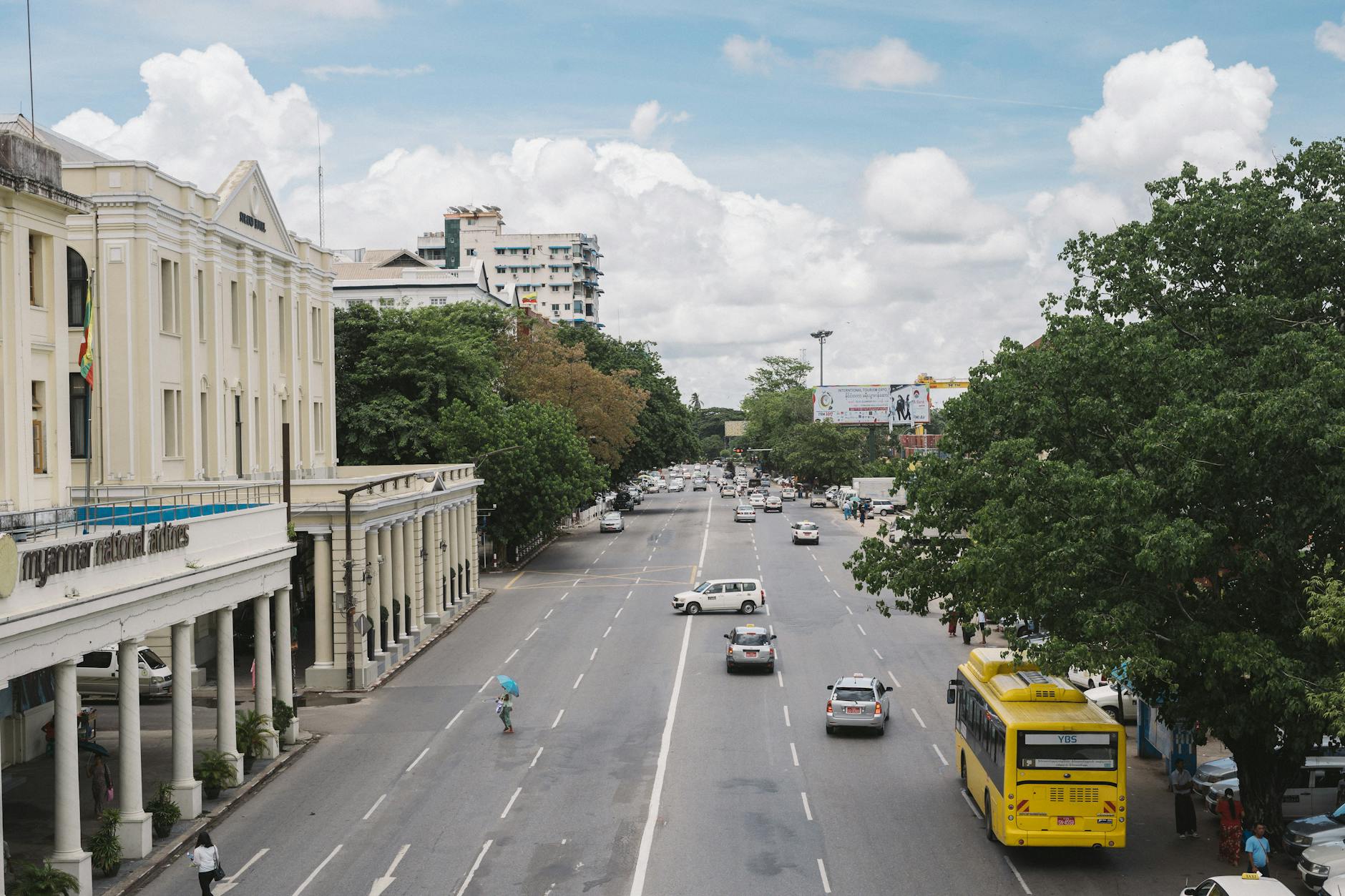
- Explore the colonial-era architecture in the city center, including the Strand Hotel and the Yangon Club.
- Take a stroll along the Yangon River and enjoy the sunset.
- Visit the National Museum to learn about Burmese history and culture.
- Try the local cuisine, including laphet, mohinga, and shan noodles.
- Attend a festival or event, such as the Yangon International Film Festival or the Thingyan Water Festival.
💡 Practical Tips
- Visa requirements: US citizens can apply for a tourist visa on arrival, while EU and UK citizens can apply for a business visa or a work visa.
- Getting around: Tuk-tuks and taxis are widely available, but consider using ride-hailing apps like Grab or Go-Van.
- Safety considerations: Be mindful of pickpocketing and scams, particularly in crowded areas and tourist hotspots.
- Best time to visit: October to March, when the weather is cooler and drier.
- Local tips and warnings: Be respectful of local customs and traditions, and avoid public displays of affection.
- Money matters: ATMs are widely available, and currency exchange rates are generally favorable.
- Healthcare and insurance: Consider purchasing travel insurance that covers medical emergencies and evacuations.
- Language: Learn basic Burmese phrases and use translation apps to navigate the city.
Note: The information provided is accurate to the best of our knowledge and is subject to change. Please confirm with local authorities or service providers for the most up-to-date information.