Overview
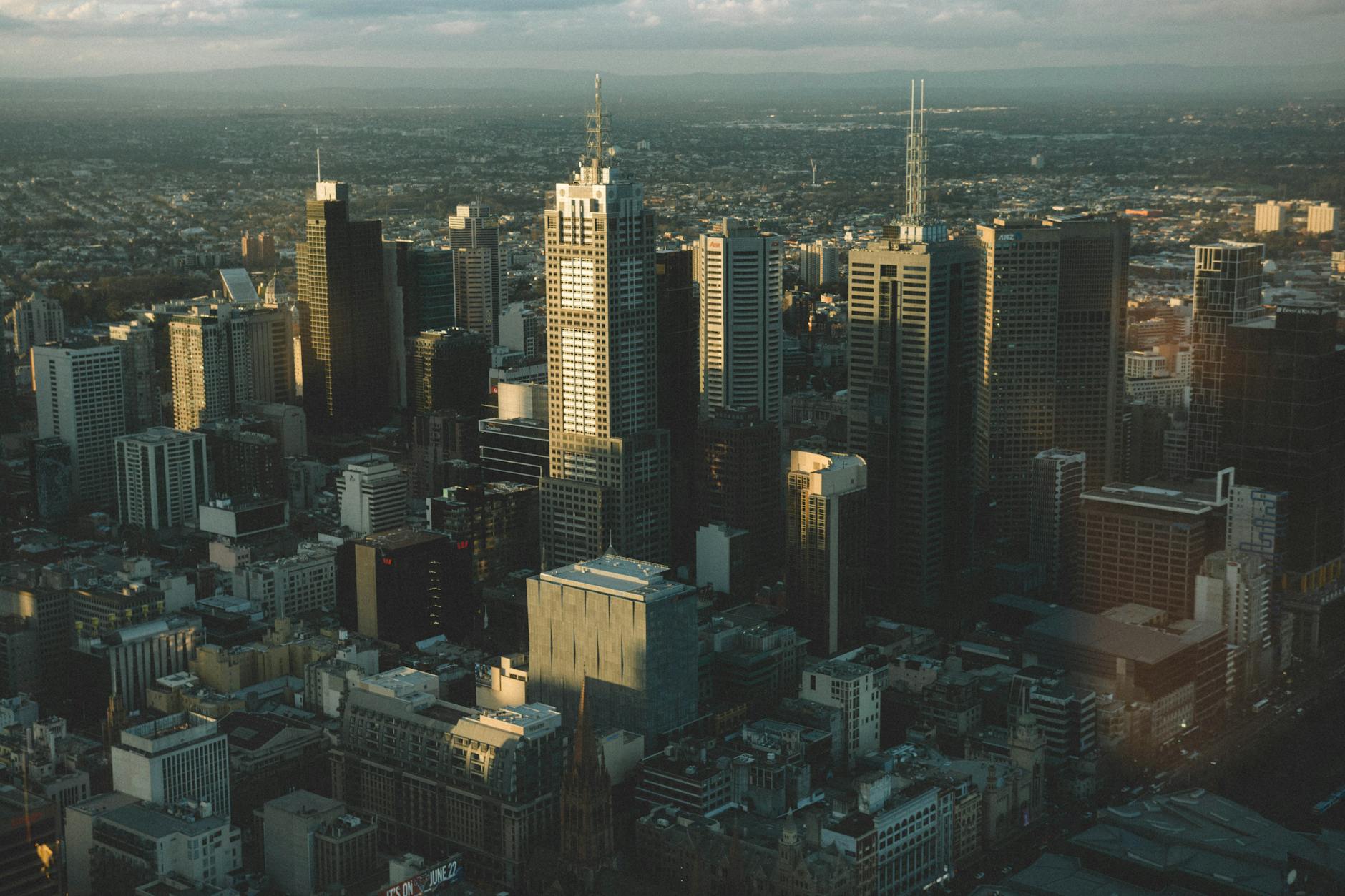
Melbourne, the cultural capital of Australia, is an attractive digital nomad destination that offers a unique blend of lifestyle, community, and infrastructure. As a remote work hub, Melbourne has been gaining popularity among digital nomads, and for good reason. With its relatively low cost of living, Melbourne provides an affordable setting for remote workers, with a 1-bedroom apartment costing around $925 per month and an average restaurant meal setting you back around $10.8. The city’s thriving coffee culture, world-class food scene, and rich arts and cultural attractions make it an ideal destination for those seeking a balanced lifestyle.
Melbourne’s digital nomad scene is particularly appealing due to its strong community and infrastructure. The city boasts a range of coworking spaces, internet cafes, and networking events, making it easy for remote workers to connect with like-minded individuals. With a digital nomad infrastructure score of 61/100, Melbourne offers a solid foundation for remote workers to thrive. Whether you’re a solo entrepreneur or a team of remote workers, Melbourne’s inclusive atmosphere and vibrant social scene make it an ideal destination for digital nomads.
Despite its many charms, Melbourne is not without its challenges. The city’s notorious coffee snobbery and competitive housing market can make it difficult for newcomers to navigate. However, with insider knowledge and a bit of planning, you can easily avoid these pitfalls and make the most of your time in Melbourne.
Best Neighborhoods
1. Fitzroy
Fitzroy is a hip and trendy neighborhood that’s perfect for digital nomads. With its eclectic mix of boutiques, cafes, and restaurants, Fitzroy offers a vibrant atmosphere that’s hard to find elsewhere in Melbourne. The area is relatively affordable, with a 1-bedroom apartment costing around $1,200 per month. While Fitzroy can get quite busy, especially on weekends, the neighborhood’s laid-back vibe and excellent coffee culture make it a must-visit for digital nomads.
Pros: excellent coffee culture, vibrant atmosphere, easy access to public transport Cons: can be crowded on weekends, parking can be challenging Notable streets: Brunswick Street, Gertrude Street Why nomads choose Fitzroy: its eclectic mix of culture, coffee, and community makes it an attractive destination for remote workers.
2. South Yarra
South Yarra is a sophisticated neighborhood that’s perfect for those seeking a more laid-back atmosphere. With its stunning parks, upscale boutiques, and excellent restaurants, South Yarra offers a refined lifestyle that’s hard to find elsewhere in Melbourne. The area is relatively expensive, with a 1-bedroom apartment costing around $1,500 per month. However, the neighborhood’s excellent public transport links and scenic views make it an ideal destination for digital nomads.
Pros: upscale atmosphere, excellent public transport links, scenic views Cons: relatively expensive, can be quiet on weekends Notable streets: Toorak Road, Chapel Street Why nomads choose South Yarra: its sophisticated atmosphere and excellent public transport links make it an attractive destination for remote workers.
3. Collingwood
Collingwood is a vibrant and eclectic neighborhood that’s perfect for digital nomads. With its street art, indie cafes, and alternative culture, Collingwood offers a unique atmosphere that’s hard to find elsewhere in Melbourne. The area is relatively affordable, with a 1-bedroom apartment costing around $1,000 per month. While Collingwood can get quite busy, especially on weekends, the neighborhood’s excellent coffee culture and inclusive atmosphere make it a must-visit for remote workers.
Pros: excellent coffee culture, vibrant atmosphere, inclusive community Cons: can be crowded on weekends, parking can be challenging Notable streets: Smith Street, Johnston Street Why nomads choose Collingwood: its eclectic mix of culture, coffee, and community makes it an attractive destination for remote workers.
4. Carlton
Carlton is a charming and historic neighborhood that’s perfect for digital nomads. With its stunning architecture, excellent restaurants, and vibrant arts scene, Carlton offers a unique atmosphere that’s hard to find elsewhere in Melbourne. The area is relatively affordable, with a 1-bedroom apartment costing around $900 per month. While Carlton can get quite busy, especially on weekends, the neighborhood’s excellent coffee culture and inclusive atmosphere make it a must-visit for remote workers.
Pros: excellent coffee culture, vibrant arts scene, inclusive community Cons: can be crowded on weekends, parking can be challenging Notable streets: Lygon Street, Brunswick Street Why nomads choose Carlton: its charming atmosphere and excellent coffee culture make it an attractive destination for remote workers.
Digital Nomad Guide
Coworking Spaces
Melbourne has an excellent range of coworking spaces that cater to digital nomads. Some of the most popular coworking spaces include:
- Fishburners (approximate monthly rate: $250-$500, internet quality: 50 Mbps fiber)
- Hub Melbourne (approximate monthly rate: $300-$600, internet quality: 100 Mbps fiber)
- The Commons (approximate monthly rate: $200-$400, internet quality: 50 Mbps fiber)
All of these coworking spaces offer excellent internet quality, modern facilities, and a collaborative atmosphere that’s perfect for remote workers.
Internet Quality
Melbourne’s internet quality is generally excellent, with average speeds of around 21 Mbps. However, some areas of the city may experience slower speeds due to high demand. The city’s fiber network is well-developed, with many neighborhoods offering fast and reliable internet.
Nomad Community Scene
Melbourne’s nomad community is vibrant and inclusive, with many events and meetups throughout the month. Some of the most popular nomad meetups include:
- Melbourne Digital Nomads Meetup Group (meets monthly at various locations)
- Remote Work Melbourne Meetup Group (meets bi-monthly at various locations)
- Melbourne Coworking Meetup Group (meets weekly at various locations)
These meetups offer a great opportunity for digital nomads to connect with like-minded individuals and network with potential collaborators.
Cafes to Work From
Melbourne is famous for its coffee culture, and there are many excellent cafes that offer fast and reliable internet. Some of the most popular cafes to work from include:
- Pellegrini’s Espresso Bar (vibe: busy, wifi quality: excellent, power outlets: plenty)
- Manchester Press (vibe: trendy, wifi quality: excellent, power outlets: limited)
- Industry Beans (vibe: relaxed, wifi quality: excellent, power outlets: plenty)
All of these cafes offer excellent coffee, fast and reliable internet, and a comfortable atmosphere that’s perfect for remote workers.
Visa Options
Remote workers can apply for a range of visa options in Australia, including:
- Electronic Travel Authority (ETA): valid for up to 3 months, costs around $20-$35 AUD
- eVisitor: valid for up to 3 months, costs around $15-$30 AUD
- Working Holiday Visa (subclass 417): valid for up to 12 months, costs around $440-$1,200 AUD
- Skilled Independent Visa (subclass 189): valid for up to 4 years, costs around $3,670-$4,400 AUD
It’s essential to check the Australian government’s website for the most up-to-date visa information and requirements.
Banking and Practical Setup
Opening a bank account in Melbourne is relatively straightforward, with many banks offering online applications and mobile banking. Some of the most popular banks for digital nomads include:
- Commonwealth Bank
- Westpac
- ANZ Bank
Remote workers can also use international banks such as Revolut, TransferWise, or N26 to manage their finances.
Culture & Vibe
Melbourne is a city that’s passionate about culture, food, and coffee. Here are some insider tips on what to expect:
- Food scene highlights: Melbourne is famous for its street food, with many excellent food trucks and markets throughout the city. Some of the must-try dishes include Melbourne-style fish and chips, meat pies, and vegan burgers.
- Nightlife and social scene: Melbourne’s nightlife is vibrant and eclectic, with many excellent bars, clubs, and live music venues. The city’s social scene is also very inclusive, with many events and meetups for digital nomads.
- Arts and cultural attractions: Melbourne is home to many world-class museums, galleries, and performance venues, including the National Gallery of Victoria, the Melbourne Museum, and the Melbourne Theatre Company.
- Language situation: English is the primary language spoken in Melbourne, with a high level of proficiency among locals.
Highlights
Here are some must-see attractions and experiences in Melbourne:
- Visit the Royal Botanic Gardens (best time to visit: spring, insider tip: take a guided tour)
- Explore the laneways and arcades of Melbourne’s CBD (best time to visit: evening, insider tip: look out for street art and live music)
- Take a day trip to the nearby Yarra Valley (best time to visit: autumn, insider tip: visit a winery and enjoy a wine tasting)
- Visit the Melbourne Cricket Ground (MCG) and take a tour of the stadium (best time to visit: during a match, insider tip: look out for the iconic scoreboard)
- Explore the historic city of Port Phillip (best time to visit: summer, insider tip: visit the beach and enjoy the seafood)
Practical Tips
Here are some essential tips for digital nomads in Melbourne:
- Visa requirements: check the Australian government’s website for the most up-to-date visa information and requirements.
- Getting around: Melbourne has an excellent public transport system, including trams, buses, and trains. You can also use ride-sharing services such as Uber or Taxi.
- Safety considerations: Melbourne is generally a safe city, but be aware of pickpocketing and petty theft in crowded areas.
- Best time to visit: Melbourne’s climate is mild and temperate, with four distinct seasons. The best time to visit is during the spring and autumn months (September to November and March to May).
- Local tips and warnings: be aware of the city’s notorious coffee snobbery and competitive housing market. Also, be mindful of the city’s strong winds and rain during the winter months.
- Money matters: Melbourne uses the Australian dollar (AUD). You can exchange currency at banks or currency exchange offices, or use an ATM to withdraw cash.
- Healthcare and insurance: Australia has a comprehensive healthcare system, but it’s essential to have health insurance that covers you for medical expenses.