🌍 Overview
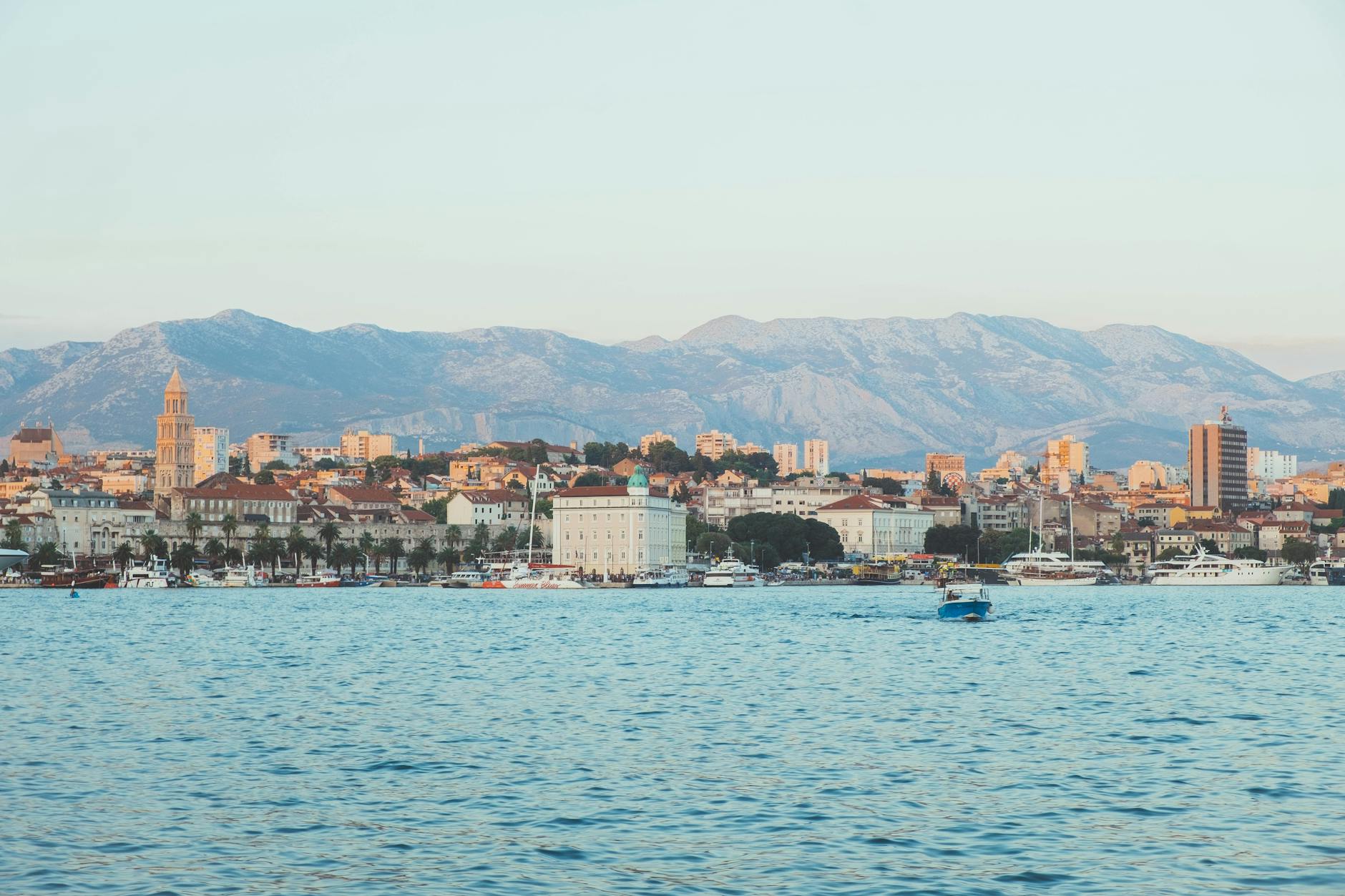
Hvar, Croatia, has emerged as a hidden gem for digital nomads, offering a unique blend of affordability, community, and infrastructure that’s hard to find in more popular destinations. With its picturesque old town, stunning beaches, and lush greenery, Hvar provides the perfect setting for remote workers to unwind and recharge. Located just off the coast of Split, Hvar is easily accessible by ferry or catamaran, making it an ideal hub for digital nomads looking to escape the crowds of Dubrovnik or Split.
As a digital nomad destination, Hvar boasts a growing community of like-minded individuals, with several coworking spaces, cafes, and networking events popping up around the island. The cost of living is relatively low, with a 1-bedroom apartment renting for around $179/month, and average restaurant meals costing around $12.8. This affordability makes Hvar an attractive option for remote workers looking to stretch their budget and enjoy a more relaxed pace of life.
🏘️ Best Neighborhoods
Hvar Town (Old Town)
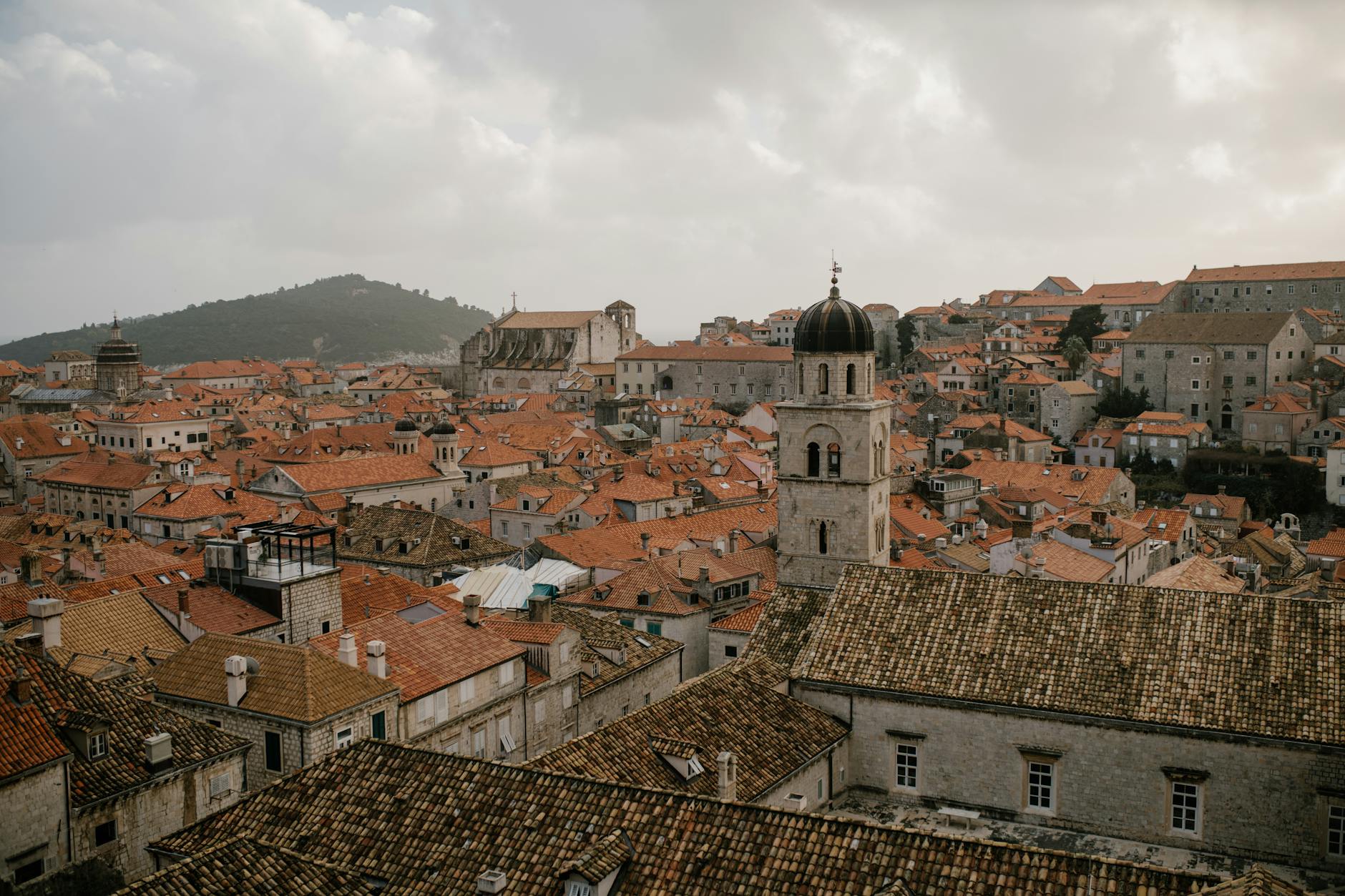
Hvar Town is the heart of the island, with its ancient walls, narrow streets, and picturesque harbor. This neighborhood is a must-visit for its stunning architecture, lively atmosphere, and excellent restaurants. The town is relatively small, making it easy to explore on foot, and the streets are lined with boutiques, cafes, and bars.
Pros for remote workers: Hvar Town offers a unique blend of history, culture, and modern amenities, making it an ideal base for digital nomads. The town is relatively quiet, with minimal noise pollution, and the internet connectivity is reliable, with average speeds of 19 Mbps.
Cons: As with any popular tourist destination, Hvar Town can get crowded during peak season, and accommodation prices may be higher than in other areas of the island.
Notable streets: The main street, Hvar Town’s waterfront, and the narrow alleys around the old town.
Palmižana
Located on the southern coast of Hvar, Palmižana is a tranquil and secluded neighborhood, surrounded by lush greenery and towering pine trees. This area is perfect for remote workers seeking a peaceful and relaxed atmosphere, with plenty of opportunities for hiking, swimming, and exploring the island’s natural beauty.
Pros for remote workers: Palmižana offers a serene and peaceful environment, with minimal noise pollution, and reliable internet connectivity (average speeds of 19 Mbps). The area is relatively affordable, with 1-bedroom apartments renting for around $150/month.
Cons: Palmižana is a bit more isolated than other areas of the island, with limited amenities and services.
Notable streets: The waterfront promenade, the local beach, and the scenic hiking trails surrounding the area.
Vrboska
Vrboska is a charming fishing village on the eastern coast of Hvar, with a strong sense of community and a relaxed atmosphere. This neighborhood is perfect for remote workers seeking a more laid-back pace of life, with plenty of opportunities for exploring the island’s natural beauty.
Pros for remote workers: Vrboska offers a peaceful and relaxed environment, with minimal noise pollution, and reliable internet connectivity (average speeds of 19 Mbps). The area is relatively affordable, with 1-bedroom apartments renting for around $160/month.
Cons: Vrboska is a bit more off the beaten path than other areas of the island, with limited amenities and services.
Notable streets: The waterfront promenade, the local beach, and the scenic hiking trails surrounding the area.
Jelsa
Jelsa is a picturesque town on the northern coast of Hvar, with a strong sense of community and a lively atmosphere. This neighborhood is perfect for remote workers seeking a more dynamic pace of life, with plenty of opportunities for networking, coworking, and socializing.
Pros for remote workers: Jelsa offers a vibrant and dynamic environment, with plenty of coworking spaces, cafes, and networking events. The area is relatively affordable, with 1-bedroom apartments renting for around $180/month.
Cons: Jelsa can get crowded during peak season, and accommodation prices may be higher than in other areas of the island.
Notable streets: The main street, the waterfront promenade, and the scenic hiking trails surrounding the area.
Digital Nomad Guide
Coworking Spaces
- Hvar Coworking Space: Located in the heart of Hvar Town, this coworking space offers private offices, shared workspaces, and meeting rooms, with prices starting at around $200/month.
- Palmižana Coworking: Located in the tranquil neighborhood of Palmižana, this coworking space offers private offices, shared workspaces, and meeting rooms, with prices starting at around $150/month.
- Jelsa Coworking: Located in the picturesque town of Jelsa, this coworking space offers private offices, shared workspaces, and meeting rooms, with prices starting at around $250/month.
Internet quality: Average speeds of 19 Mbps are available throughout the island, with fiber connectivity available in some areas.
Nomad Community
The nomad community on Hvar is growing, with several Facebook groups and meetups dedicated to digital nomads. Some popular meetups include:
- Hvar Nomad Meetup: A monthly meetup for digital nomads to network, share experiences, and explore the island.
- Hvar Coworking Community: A Facebook group for coworking spaces, events, and networking opportunities.
Cafes and Workspaces
Some popular cafes and workspaces for remote workers include:
- Cafe Mamma Mia: Located in the heart of Hvar Town, this cafe offers reliable wifi, comfortable seating, and delicious coffee.
- Palmižana Beach Cafe: Located on the scenic beach of Palmižana, this cafe offers stunning views, reliable wifi, and a relaxed atmosphere.
- Jelsa Beach Cafe: Located on the picturesque beach of Jelsa, this cafe offers stunning views, reliable wifi, and a lively atmosphere.
Visa options for remote workers: Croatia offers several visa options for remote workers, including a digital nomad visa (valid for up to 1 year) and a freelance visa (valid for up to 6 months).
Banking and practical setup tips: Remote workers can open a Croatian bank account online, and can also use online banking services to manage their finances. Credit cards are widely accepted, and ATMs are available throughout the island.
🎨 Culture & Vibe
Hvar is a unique and enchanting island, with a rich history, stunning natural beauty, and a strong sense of community. Some highlights include:
- Local customs and etiquette: Hvar has a strong tradition of hospitality, with locals welcoming visitors with open arms. Respect for tradition and local customs is essential, especially when visiting churches or attending local events.
- Food scene: Hvar is renowned for its delicious seafood, fresh produce, and traditional Dalmatian cuisine. Must-try dishes include seafood risotto, peka (meat or vegetable stew), and paprika (paprika-spiced meat or vegetable dish).
- Nightlife and social scene: Hvar has a lively nightlife, with several bars, clubs, and live music venues. However, the island’s laid-back atmosphere means that things tend to wind down relatively early.
- Arts and cultural attractions: Hvar is home to several museums, galleries, and cultural events, including the Hvar Museum, the Hvar Cathedral, and the Hvar Summer Festival.
- Language situation: English is widely spoken on Hvar, especially among younger locals and those in the tourism industry. However, learning some basic Croatian phrases can go a long way in making your experience more enjoyable.
⭐ Highlights
Some must-see attractions and experiences on Hvar include:
- Hvar Fortica: A 16th-century fortress offering stunning views of the island and the sea.
- Hvar Cathedral: A beautiful baroque church with a stunning interior and peaceful atmosphere.
- Palmižana Beach: A stunning beach with crystal-clear waters and powdery sand.
- Jelsa Beach: A picturesque beach with a lively atmosphere and stunning views.
- Hvar Town: Explore the narrow streets, historic buildings, and lively atmosphere of Hvar Town.
- Hvar Summer Festival: A cultural festival featuring live music, theater, and dance performances.
💡 Practical Tips
Visa Requirements
Visa requirements for common nationalities:
- US citizens: No visa required for stays up to 90 days.
- EU citizens: No visa required for stays up to 90 days.
- UK citizens: No visa required for stays up to 90 days.
- Other nationalities: Check with the Croatian embassy or consulate for visa requirements.
Getting Around
- Ferries and catamarans: Connect Hvar to Split, Dubrovnik, and other nearby islands.
- Buses: Connect Hvar Town to other areas of the island.
- Taxis: Available throughout the island.
- Rental cars: Available for rent in Hvar Town.
Safety Considerations
- Avoid walking alone at night, especially in areas with poor lighting.
- Be mindful of pickpocketing and petty theft.
- Respect local customs and traditions.
Best Time to Visit
- Summer (June to September): Warm weather, peak season, and lively atmosphere.
- Spring (April to May) and autumn (September to October): Mild weather, fewer crowds, and lower prices.
- Winter (December to March): Cooler weather, fewer crowds, and lower prices.
Local Tips and Warnings
- Learn some basic Croatian phrases to make your experience more enjoyable.
- Respect local customs and traditions.
- Be mindful of pickpocketing and petty theft.
- Hvar is a relatively safe island, but take normal precautions to protect yourself and your belongings.
Money Matters
- Croatian kuna (HRK) is the local currency, although euros are widely accepted.
- Credit cards are widely accepted, and ATMs are available throughout the island.
- Tipping culture is relatively low, around 5-10% in restaurants and cafes.
Healthcare and Insurance
- Croatia has a well-developed healthcare system, with several hospitals and clinics on the island.
- Health insurance is mandatory for all visitors, and can be purchased online or through a local provider.
- Emergency services are available 24/7, including ambulance and fire services.