🌍 Overview
Budapest, the Pearl of the Danube, has emerged as a top digital nomad destination in recent years, offering a unique blend of rich history, vibrant culture, and modern infrastructure. As a remote work hub, Budapest provides an attractive combination of affordability, community, and lifestyle, making it an ideal location for digital nomads. The city’s cost of living is relatively low, with a 1-bedroom apartment available for around $366/month, and an average restaurant meal costing approximately $4.8. This affordability, coupled with a thriving nomad scene, has drawn many remote workers to the city. Budapest’s digital nomad infrastructure scores 83/100, indicating a well-developed ecosystem with numerous coworking spaces, networking events, and social activities.
The city’s thermal baths, stunning architecture, and lively nightlife are just a few reasons why digital nomads flock to Budapest. The social and nightlife scene is vibrant, with a score of 69/100, offering a wide range of options for entertainment and socialization. Cultural attractions also abound, with a score of 70/100, featuring numerous museums, galleries, and historical landmarks. However, it’s essential to set realistic expectations, as the city’s nature and outdoors access score is relatively low, at 36/100. As a digital nomad in Budapest, you can expect a bustling city with a mix of old and new, where you can easily find coworking spaces, cafes, and social events, but may need to venture out of the city for outdoor activities.
Budapest’s nomad community is active and welcoming, with many groups and events catering to remote workers. The city’s coworking spaces, such as Loffice, Impact Hub, and Kaptár, offer a range of options for those looking for a productive work environment. With its unique blend of history, culture, and modernity, Budapest is an excellent choice for digital nomads seeking a new adventure. Whether you’re looking for a relaxing soak in the thermal baths, a vibrant nightlife, or a productive work environment, Budapest has something to offer.
🏘️ Best Neighborhoods
Pest
Pest, the eastern part of the city, is a popular neighborhood for digital nomads, offering a mix of affordability, amenities, and community. The area is known for its lively atmosphere, with many cafes, restaurants, and bars along the famous Andrássy Avenue. Typical monthly rent for a 1-bedroom apartment in Pest ranges from $250 to $400. Pros of living in Pest include its central location, excellent public transportation, and a high concentration of coworking spaces and nomad-friendly cafes. However, some areas can be noisy, especially at night, and the internet quality can vary depending on the specific location.
Buda
Buda, the western part of the city, is a more laid-back and residential neighborhood, offering a quieter alternative to Pest. The area is known for its stunning views of the Danube River and the city, as well as its historic architecture. Typical monthly rent for a 1-bedroom apartment in Buda ranges from $300 to $450. Pros of living in Buda include its peaceful atmosphere, scenic views, and proximity to the city’s famous thermal baths. However, the area can be less convenient for public transportation, and some parts may feel more touristy.
Erzsébetváros
Erzsébetváros, also known as District VII, is a trendy and vibrant neighborhood, popular among digital nomads and locals alike. The area is known for its street art, independent cafes, and lively nightlife. Typical monthly rent for a 1-bedroom apartment in Erzsébetváros ranges from $280 to $420. Pros of living in Erzsébetváros include its creative atmosphere, diverse community, and excellent dining options. However, the area can be noisy, especially at night, and some parts may feel overcrowded.
Újbuda
Újbuda, also known as District XI, is a more residential neighborhood, offering a mix of affordability and convenience. The area is known for its parks, outdoor spaces, and scenic views of the Danube River. Typical monthly rent for a 1-bedroom apartment in Újbuda ranges from $220 to $380. Pros of living in Újbuda include its peaceful atmosphere, proximity to nature, and relatively low cost of living. However, the area may feel less central, and some parts may lack amenities.
Digital Nomad Guide
Budapest offers a wide range of coworking spaces, catering to different needs and preferences. Some popular options include Loffice, with monthly rates ranging from $100 to $200, and Impact Hub, with daily rates around $10. The city’s internet quality is generally good, with average speeds of 37 Mbps, and fiber availability in many areas. For example, the coworking space Kaptár offers fiber-optic internet with speeds up to 100 Mbps.
The nomad community in Budapest is active, with many groups and events organized through Facebook groups, such as the Budapest Digital Nomads group, and meetup.com. Some popular meetups include the Budapest Nomad Meetup and the Digital Nomads Budapest group. For those looking for a productive work environment, cafes like Madal Coffee, My Little Melbourne, and Cirkusz offer excellent wifi, power outlets, and a welcoming atmosphere.
For visa options, remote workers can consider the Hungarian Residence Permit for Gainful Activity, which allows for up to 1 year of stay, with a cost of around $100. Alternatively, the Hungary Digital Nomad Visa, introduced in 2021, offers a 1-year visa for remote workers, with a cost of around $200. Banking and practical setup tips include opening a Hungarian bank account, which can be done through banks like OTP or Erste, and obtaining a Hungarian SIM card, which can be done through providers like Vodafone or Telenor.
🎨 Culture & Vibe
Budapest is a city with a rich history and culture, offering a unique blend of traditional and modern experiences. Local customs and etiquette include respecting the city’s historic architecture, trying traditional Hungarian cuisine, such as goulash and paprikás csirke, and learning a few basic Hungarian phrases, such as “szia” (hello) and “köszönöm” (thank you). The food scene in Budapest is diverse, with popular neighborhoods for dining including the Jewish Quarter, Pest, and Buda. Must-try dishes include langos, a traditional Hungarian flatbread, and halászlé, a spicy fish soup.
The nightlife and social scene in Budapest is vibrant, with many options for entertainment, including ruin bars, clubs, and live music venues. Popular areas for nightlife include the Party District, Erzsébetváros, and Pest. English proficiency in Budapest is relatively high, especially among younger people, making it easy for digital nomads to communicate and navigate the city. However, learning some basic Hungarian phrases can go a long way in enhancing the experience.
⭐ Highlights
- Visit the Széchenyi Thermal Bath, one of the city’s most famous thermal baths, and relax in the warm waters surrounded by stunning architecture. Best time to visit: weekday mornings, to avoid crowds.
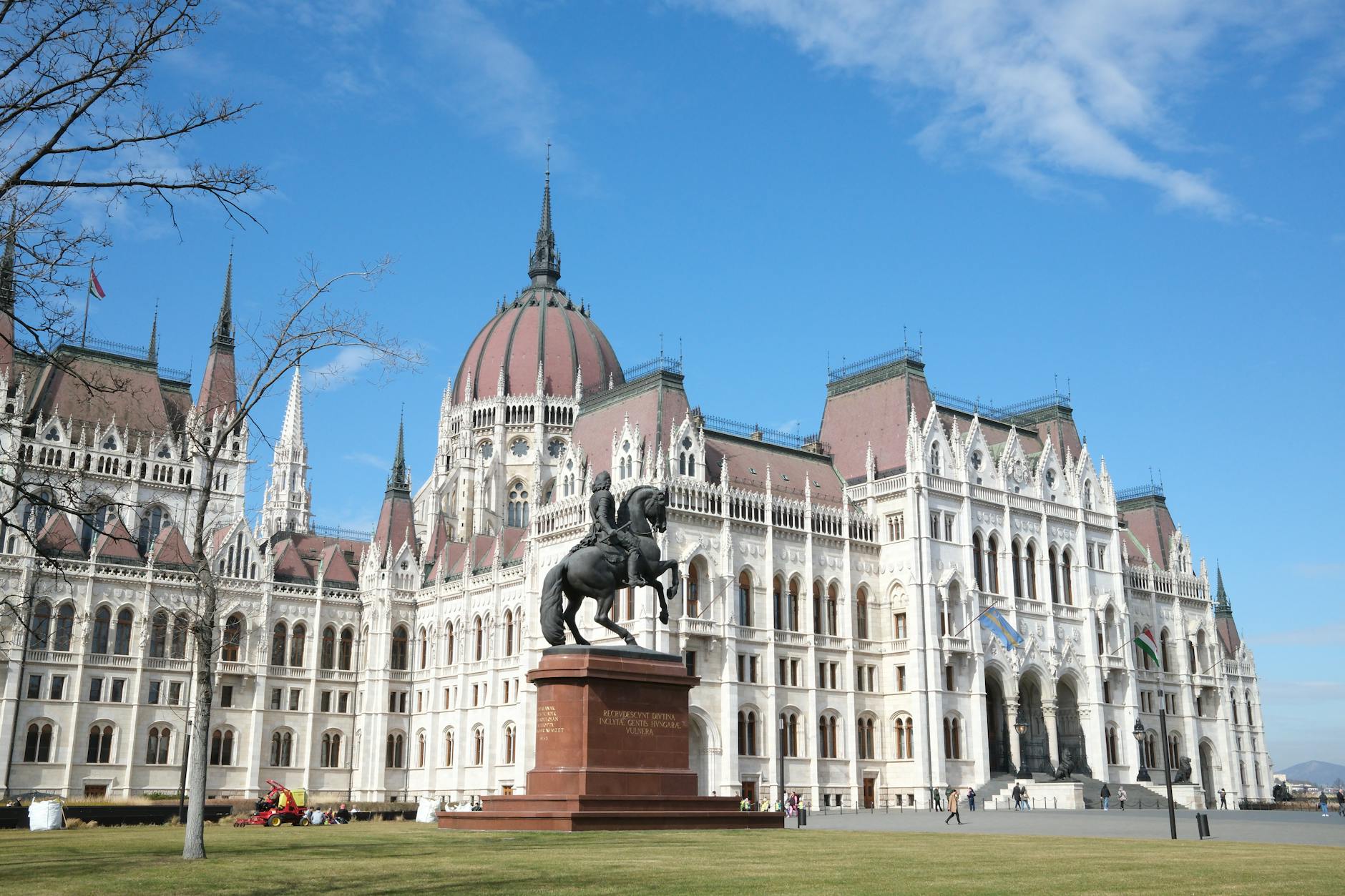
- Explore the stunning Parliament Building, a iconic landmark and symbol of the city’s rich history. Guided tours are available in multiple languages, including English.
- Take a scenic walk along the Danube Promenade, offering breathtaking views of the river and the city. Best time to visit: sunset, for a romantic and picturesque experience.
- Discover the city’s vibrant street art scene in the Ruin Bars, a unique and quirky part of Budapest’s nightlife. Popular ruin bars include Szimpla Kert and Fogasház.
- Visit the famous Central Market Hall, offering a wide range of traditional Hungarian food, drinks, and souvenirs. Best time to visit: morning, for a lively and authentic experience.
- Enjoy a scenic hike in the nearby Buda Hills, offering stunning views of the city and the surrounding countryside. Best time to visit: spring and autumn, for mild weather and scenic landscapes.
- Attend a performance at the Hungarian State Opera House, a world-renowned cultural institution and iconic landmark.
💡 Practical Tips
- Visa requirements for common nationalities: US citizens can enter Hungary without a visa for up to 90 days, while EU citizens can stay for up to 180 days. UK citizens can enter Hungary without a visa for up to 180 days. It’s essential to check the latest visa requirements before traveling.
- Getting around: Budapest has an efficient public transportation system, including buses, trams, and metro lines. The city also has a bike-sharing system and many taxi services. Popular transport apps include Budapest Transport and Taxify.
- Safety considerations: Budapest is generally a safe city, but it’s essential to take normal precautions, such as avoiding walking alone in dimly lit areas and keeping an eye on personal belongings. Avoid areas like the 8th district, which can be seedy at night.
- Best time to visit: spring (April-May) and autumn (September-October) are the best times to visit Budapest, with mild weather and fewer tourists. Summer can be hot, while winters can be cold and snowy.
- Local tips and warnings: be respectful of the city’s historic architecture, try to learn some basic Hungarian phrases, and avoid eating at touristy restaurants. Also, be aware of pickpocketing in crowded areas and tourist hotspots.
- Money matters: ATMs are widely available, and credit cards are accepted in most places. The local currency is the Hungarian Forint (HUF), but Euros are also widely accepted. Tipping culture is around 10% in restaurants and bars.
- Healthcare and insurance: Hungary has a well-developed healthcare system, but it’s essential to have travel insurance that covers medical expenses. Some popular healthcare providers include the Hungarian National Health Service and private clinics like the Budapest Medical Center.