🌍 Overview
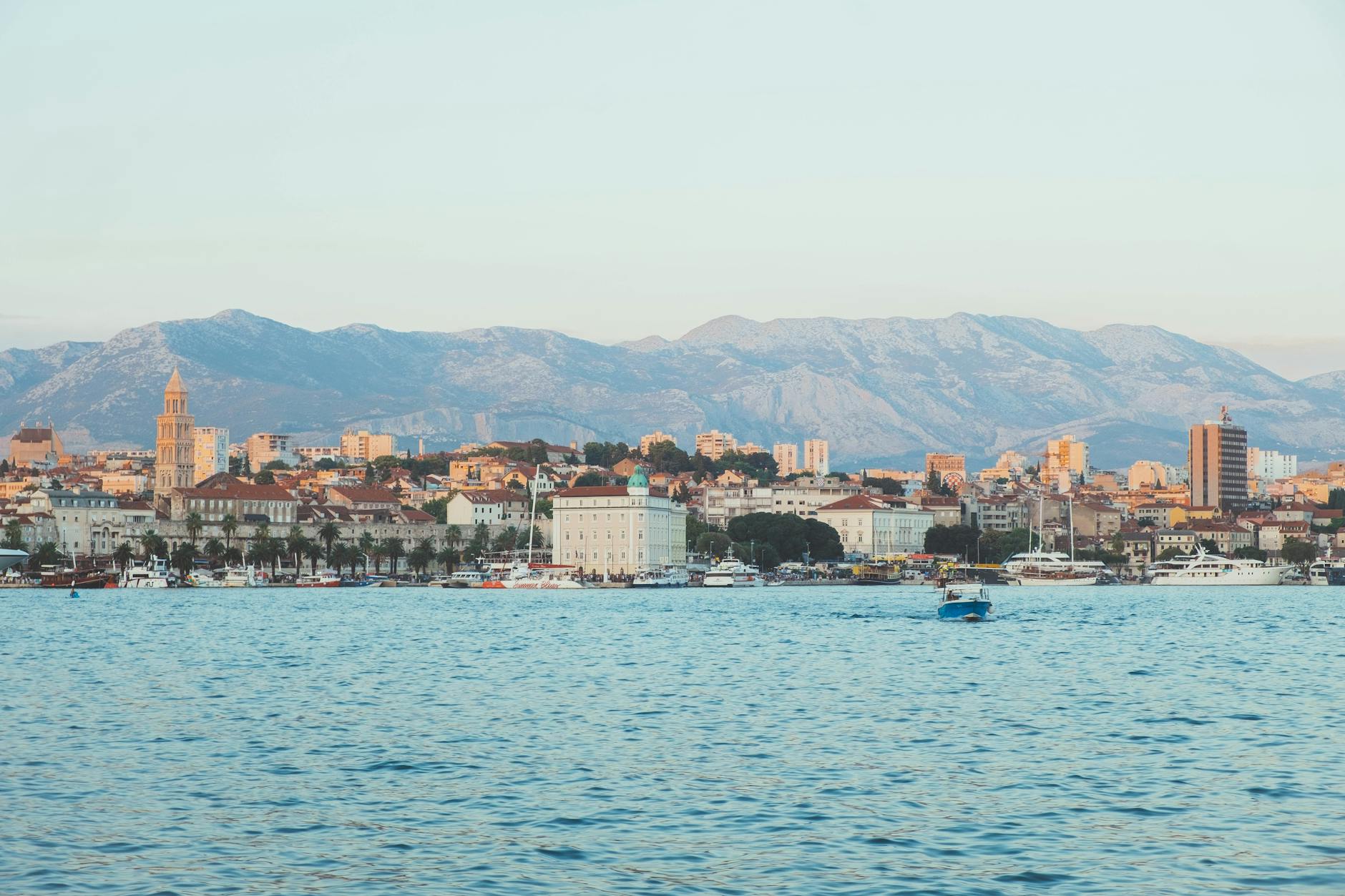
Split, a charming coastal city in Croatia, has become a hotspot for digital nomads, offering an unbeatable combination of affordability, community, and infrastructure. As a long-term remote worker, I can attest that Split’s laid-back atmosphere and stunning Mediterranean coastline make it an ideal destination for those seeking a balanced lifestyle. With its growing expat community and expanding coworking scene, Split has evolved into a popular remote work hub, attracting like-minded individuals from around the world.
Split’s cost of living is refreshingly low, with a 1-bedroom apartment renting for around $360 per month. This affordability, coupled with its rich cultural heritage and breathtaking natural beauty, has drawn many digital nomads to the city. Whether you’re a seasoned remote worker or just starting out, Split’s welcoming community and relaxed vibe make it an excellent choice for those looking to escape the chaos of city life.
As a digital nomad destination, Split has made significant strides in recent years, with new coworking spaces and infrastructure emerging to cater to the growing expat population. However, with its relatively low digital nomad infrastructure score (61/100), Split may not be the best fit for those requiring cutting-edge tech or high-speed internet. Nevertheless, the city’s natural beauty, rich culture, and vibrant community make it an attractive option for those seeking a unique blend of work and play.
🏘️ Best Neighborhoods
Bačvice
Bačvice, a picturesque beachside neighborhood, is a popular choice among digital nomads. This laid-back area offers a range of affordable accommodation options, including apartments and shared houses, with monthly rents ranging from $250 to $400. Bačvice is known for its beautiful beaches, lively promenade, and vibrant nightlife, making it an ideal spot for those seeking a relaxed, ocean-side lifestyle.
Pros: Affordable accommodation, beautiful beaches, lively promenade Cons: Can be noisy during peak season, limited coworking spaces
Varoš
Varoš, a charming neighborhood situated on a hill overlooking the old town, offers a unique blend of historic charm and modern amenities. This area is home to several coworking spaces, including the popular Varoš Coworking, which offers flexible membership plans starting at around $200 per month. Varoš is also known for its stunning views, lively bars, and eclectic restaurants, making it an excellent choice for those seeking a mix of work and play.
Pros: Historic charm, stunning views, lively bars and restaurants Cons: Can be hilly and steep, limited parking options
Gripe
Gripe, a bustling neighborhood situated near the city center, offers a range of accommodation options, including apartments and shared houses, with monthly rents ranging from $300 to $500. This area is home to several coworking spaces, including the popular Gripe Coworking, which offers flexible membership plans starting at around $250 per month. Gripe is also known for its lively bars, restaurants, and cafes, making it an excellent choice for those seeking a vibrant, urban lifestyle.
Pros: Central location, lively bars and restaurants, easy access to coworking spaces Cons: Can be noisy, limited parking options
Meje
Meje, a peaceful neighborhood situated just outside the city center, offers a range of affordable accommodation options, including apartments and shared houses, with monthly rents ranging from $200 to $350. This area is known for its beautiful parks, lively markets, and vibrant community, making it an excellent choice for those seeking a relaxed, suburban lifestyle.
Pros: Affordable accommodation, beautiful parks, lively markets Cons: Can be a bit far from the city center, limited coworking spaces
Digital Nomad Guide
Coworking Spaces
Split offers a range of coworking spaces, including:
- Varoš Coworking: Flexible membership plans starting at around $200 per month
- Gripe Coworking: Flexible membership plans starting at around $250 per month
- Digital Nomads Split: Membership plans starting at around $300 per month
- Split Coworking: Membership plans starting at around $250 per month
Internet Quality:
Split’s average internet speed is around 20 Mbps, with fiber availability in many areas. This makes it an excellent choice for digital nomads requiring reliable, high-speed internet.
Nomad Community Scene:
Split’s nomad community is growing rapidly, with several Facebook groups and meetups catering to remote workers. Some popular meetups include:
- Split Digital Nomads Meetup Group
- Split Coworking Meetup Group
- Split Nomad Community Facebook Group
Best Cafes to Work From:
Split offers a range of cafes suitable for working, including:
- Cogito: A popular cafe with fast wifi and comfortable seating
- The Green Market: A bustling cafe with outdoor seating and reliable wifi
- Bistro Bar: A cozy cafe with fast wifi and delicious food options
Visa Options:
Remote workers can apply for a Croatian visa, which typically costs around $100 and lasts for 90 days. It’s essential to check the latest visa requirements and regulations before traveling.
Banking and Practical Setup:
Split has several banks and currency exchange offices, including:
- Split Bank: Offers a range of banking services, including online banking
- Konzum: A popular supermarket with a currency exchange office
- Split ATM: Offers 24/7 access to cash and debit card services
🎨 Culture & Vibe
Local Customs and Etiquette:
Croatians are known for their hospitality, but it’s essential to respect local customs and etiquette. Some tips include:
- Greet locals with a handshake or kiss on the cheek
- Use formal titles, such as “Gospodin” (Mr.) or “Gospođa” (Mrs.)
- Respect local traditions and festivals, such as the Split Festival
Food Scene Highlights:
Split’s food scene is a highlight of the city, with a range of delicious dishes and restaurants to choose from. Some must-try dishes include:
- Peka: A traditional Croatian dish made with meat or seafood
- Pasticada: A hearty stew made with beef or lamb
- Fresh seafood: Split’s markets offer a range of fresh seafood options
Nightlife and Social Scene:
Split’s nightlife scene is lively, with several bars and clubs catering to different tastes. Some popular spots include:
- Bačvice Beach Club: A popular beach club with live music and DJs
- Gripe Nightlife: A range of bars and clubs in the Gripe neighborhood
- Varoš Bars: A selection of bars and cafes in the Varoš neighborhood
Arts and Cultural Attractions:
Split offers a range of cultural attractions, including:
- Diocletian’s Palace: A UNESCO World Heritage Site and ancient Roman palace
- Split Cathedral: A stunning cathedral with a rich history
- Split Museum of Fine Arts: A museum featuring a range of artistic works
Language Situation:
Croatian is the official language, but English is widely spoken, particularly among younger people. It’s still essential to learn basic Croatian phrases, such as “Hello” (Zdravo) and “Thank you” (Hvala).
⭐ Highlights
- Diocletian’s Palace: A UNESCO World Heritage Site and ancient Roman palace
- Split Beach: A stunning beach with crystal-clear waters and fine sand
- Marjan Hill: A scenic hill offering breathtaking views of the city and surrounding landscape
- Bačvice Beach Club: A popular beach club with live music and DJs
- Split Museum of Fine Arts: A museum featuring a range of artistic works
- Split Cathedral: A stunning cathedral with a rich history
- Green Market: A bustling market offering a range of fresh produce, meat, and seafood
💡 Practical Tips
Visa Requirements:
Remote workers from the US, EU, and UK can apply for a Croatian visa, which typically costs around $100 and lasts for 90 days. It’s essential to check the latest visa requirements and regulations before traveling.
Getting Around:
Split has a range of transportation options, including buses, taxis, and bike rentals. Some popular apps for getting around include:
- Veolia Bus App: Offers real-time bus information and route planning
- Split Taxi App: Offers 24/7 taxi service and booking
- Bike Rental Split: Offers bike rentals and guided tours
Safety Considerations:
Split is generally a safe city, but it’s essential to take precautions, such as:
- Avoiding walking alone at night
- Keeping valuables secure
- Being aware of pickpocketing and scams
Best Time to Visit:
The best time to visit Split is during the spring (April-May) and autumn (September-October), when the weather is mild and prices are lower.
Local Tips and Warnings:
- Be prepared for crowds and noise during peak season
- Respect local customs and traditions
- Learn basic Croatian phrases to enhance your experience
Money Matters:
Split has several banks and currency exchange offices, including:
- Split Bank: Offers a range of banking services, including online banking
- Konzum: A popular supermarket with a currency exchange office
- Split ATM: Offers 24/7 access to cash and debit card services
Healthcare and Insurance:
Split has several hospitals and medical facilities, including:
- Split University Hospital: A modern hospital offering a range of medical services
- Split Private Clinic: A private clinic offering specialized medical services
- Health Insurance Croatia: Offers health insurance options for expats and travelers
I hope this comprehensive guide has provided you with valuable insights and practical tips for your digital nomad adventures in Split, Croatia.