🌍 Overview
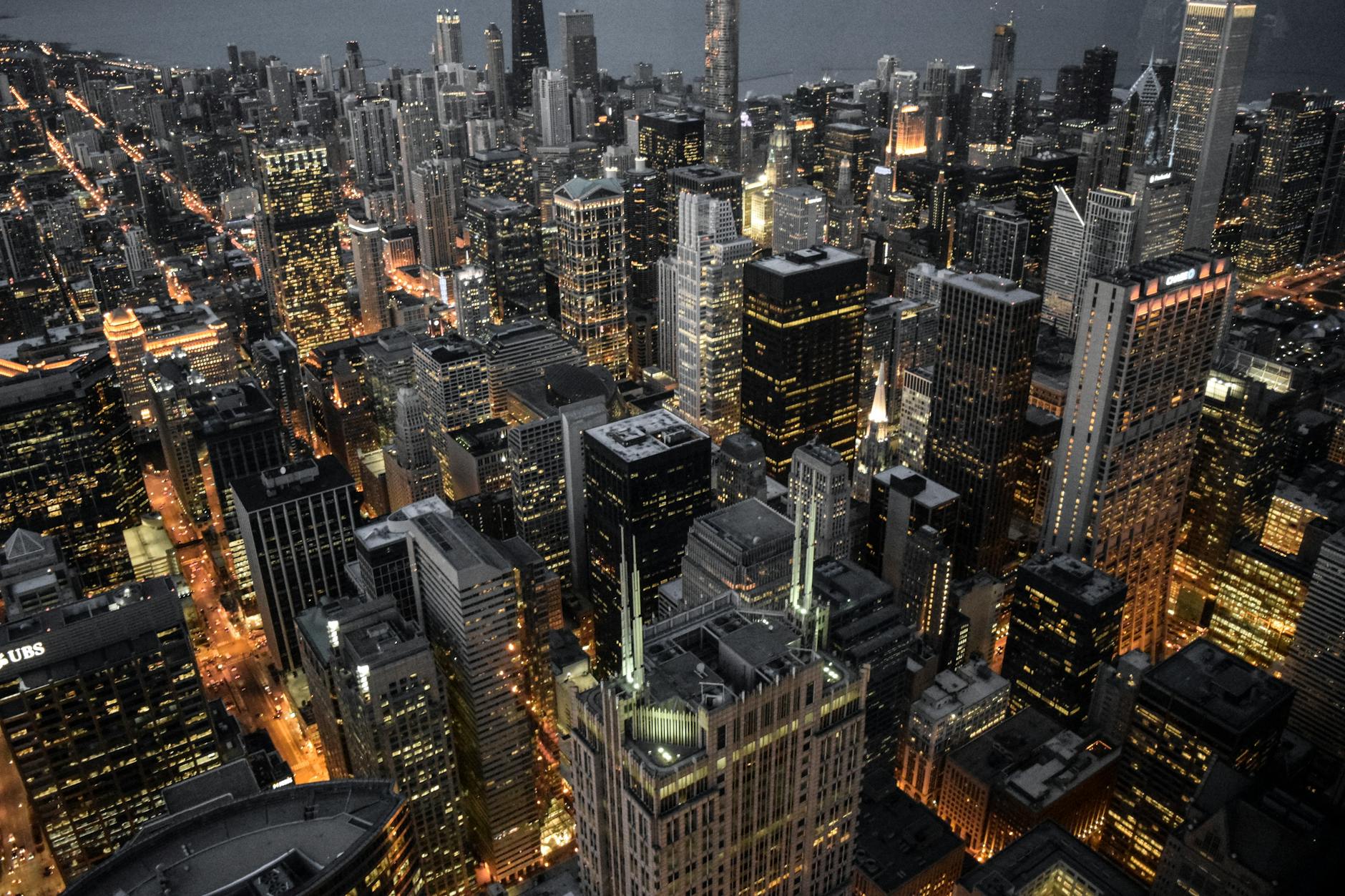
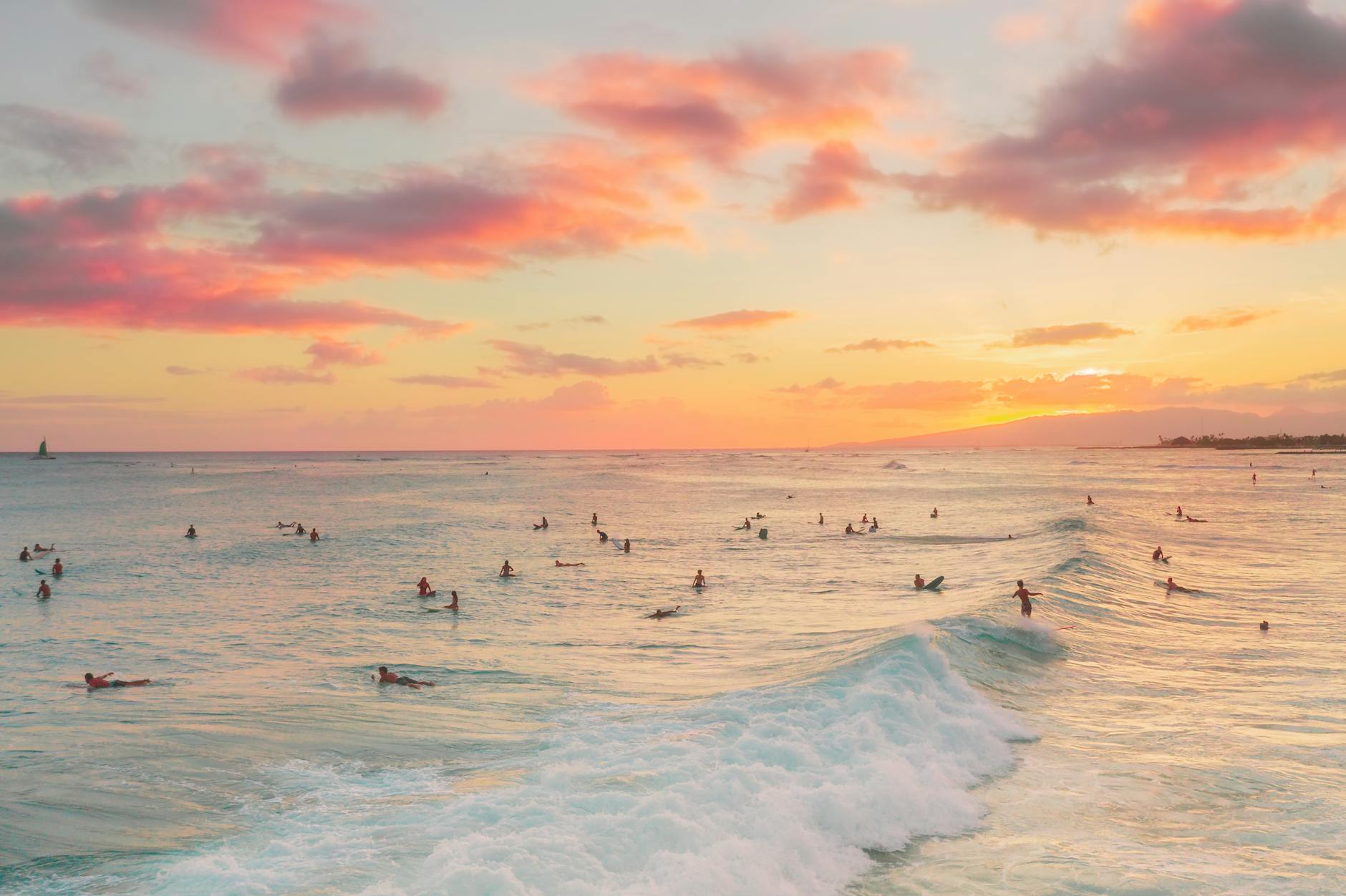
Honolulu, the vibrant capital of Hawaii, has emerged as a sought-after destination for digital nomads seeking an idyllic tropical setting and a thriving remote work community. As a digital nomad who has spent over three months exploring this enchanting city, I can attest that Honolulu’s unique blend of natural beauty, cultural richness, and modern infrastructure makes it an attractive hub for remote workers. With its stunning beaches, lush green mountains, and a growing community of like-minded individuals, Honolulu offers an unparalleled quality of life that is hard to find elsewhere.
Honolulu’s remote work scene is on the rise, with a growing number of coworking spaces, cafes, and venues catering to the needs of digital nomads. The city’s cost of living, while higher than in some other destinations, is still relatively affordable compared to other major US cities. A 1-bedroom apartment in a central neighborhood can cost around $1,368 per month, and a meal at a local restaurant typically costs around $10.8. The city’s coffee culture is also thriving, with a cup of coffee averaging around $4.0. With its stunning natural scenery, active culture, and growing community of remote workers, Honolulu has become a digital nomad destination not to be missed.
Honolulu’s nomad scene is a unique blend of laid-back island vibes and entrepreneurial spirit. While it may not be the most affordable destination, the city’s high quality of life and stunning natural beauty make it an attractive option for those who value a tropical lifestyle. With its growing community of remote workers, Honolulu offers a supportive and collaborative environment that is perfect for networking, learning, and growing as a digital nomad.
🏘️ Best Neighborhoods
1. Waikiki
Waikiki is one of the most popular neighborhoods among digital nomads, offering a lively and bustling atmosphere that’s hard to resist. This iconic beachside neighborhood is known for its world-class shopping, dining, and entertainment options, as well as its stunning beachfront views. While Waikiki can be a bit pricey, the area offers a wide range of accommodation options, from budget-friendly hostels to luxury resorts.
Rent: $1,800 - $2,500 per month for a 1-bedroom apartment
Pros: Convenient location, plenty of amenities, vibrant nightlife Cons: Expensive, crowded, and noisy
Notable streets: Kalakaua Avenue, Royal Hawaiian Avenue Why nomads choose Waikiki: The area offers a unique blend of beachside living and urban amenities, making it an attractive option for those who want to be in the heart of the action.
2. Kaka’ako
Kaka’ako is a rapidly growing neighborhood that’s become a hub for artists, creatives, and digital nomads. This former industrial area has been transformed into a vibrant arts district, with a thriving food scene, boutique shops, and street art installations. Kaka’ako offers a unique blend of urban grit and tropical charm, making it an attractive option for those who want to experience the city’s edgier side.
Rent: $1,500 - $2,000 per month for a 1-bedroom apartment
Pros: Affordable, vibrant arts scene, plenty of food options Cons: Industrial area, limited beach access, noise pollution
Notable streets: Auahi Street, Maka’ainana Drive Why nomads choose Kaka’ako: The area offers a unique blend of urban grit and tropical charm, making it an attractive option for those who want to experience the city’s edgier side.
3. Downtown Honolulu
Downtown Honolulu is the city’s central business district, offering a mix of modern office buildings, historic landmarks, and trendy bars and restaurants. This neighborhood is perfect for digital nomads who want to be in the heart of the action, with plenty of coworking spaces and networking opportunities. While the area can be a bit noisy, Downtown Honolulu offers a unique blend of old and new, making it an attractive option for those who want to experience the city’s cultural and historical significance.
Rent: $1,200 - $1,800 per month for a 1-bedroom apartment
Pros: Convenient location, plenty of amenities, vibrant nightlife Cons: Noisy, crowded, and expensive
Notable streets: Bishop Street, Beretania Street Why nomads choose Downtown Honolulu: The area offers a unique blend of old and new, making it an attractive option for those who want to experience the city’s cultural and historical significance.
4. Ala Moana
Ala Moana is a residential neighborhood that’s become a popular option for digital nomads who want to experience the city’s suburban side. This area offers a mix of modern homes, parks, and shopping centers, making it an attractive option for those who want to escape the hustle and bustle of city life. While the area can be a bit far from the city center, Ala Moana offers a unique blend of suburban charm and tropical scenery, making it an attractive option for those who want to experience the city’s natural beauty.
Rent: $1,000 - $1,500 per month for a 1-bedroom apartment
Pros: Affordable, quiet, and scenic Cons: Far from city center, limited amenities
Notable streets: Kapahulu Avenue, Kona Street Why nomads choose Ala Moana: The area offers a unique blend of suburban charm and tropical scenery, making it an attractive option for those who want to experience the city’s natural beauty.
Digital Nomad Guide
Coworking Spaces
Honolulu offers a range of coworking spaces that cater to the needs of digital nomads. Some of the most popular options include:
- WeWork Honolulu (approx. $450 - $600 per month)
- The Box (approx. $300 - $500 per month)
- CoLab Honolulu (approx. $200 - $400 per month)
Internet: Fiber-optic internet is widely available in Honolulu, with average speeds of around 43 Mbps.
Nomad community: Honolulu has a growing community of digital nomads, with several Facebook groups and meetups catering to the needs of remote workers. Some of the most popular groups include:
- Honolulu Digital Nomads
- Hawaii Remote Workers
- CoWork Honolulu
Best cafes to work from:
- Honolulu Coffee Company (great coffee, free Wi-Fi, and plenty of outlets)
- The Coffee Bean & Tea Leaf (convenient location, good coffee, and fast Wi-Fi)
- Island Brew Coffee House (cozy atmosphere, great coffee, and plenty of outlets)
Visa options for remote workers:
- B-1/B-2 visa (allows for short-term stays, around 6 months)
- O-1 visa (for entrepreneurs and innovators, around 3 years)
- E-2 visa (for entrepreneurs and investors, around 5 years)
Banking and practical setup tips:
- Open a local bank account with Bank of Hawaii or First Hawaiian Bank
- Get a local SIM card or portable Wi-Fi hotspot
- Register with the Hawaii State Department of Commerce and Consumer Affairs
🎨 Culture & Vibe
Honolulu is a city that seamlessly blends traditional Hawaiian culture with modern amenities and attractions. The city’s unique cultural heritage is reflected in its food, music, and art, making it an attractive destination for those who value diversity and creativity.
Local customs and etiquette:
- Always show respect to the land and the people (e.g., remove your shoes before entering a Hawaiian home)
- Learn basic Hawaiian phrases, such as “aloha” (hello) and “mahalo” (thank you)
- Be mindful of cultural sensitivities, especially when visiting sacred sites or attending traditional ceremonies
Food scene highlights:
- Try traditional Hawaiian dishes like poke, laulau, and kalua pig
- Visit the Honolulu Fish Auction, where you can buy fresh seafood and experience the city’s vibrant food scene
- Explore the Kaka’ako arts district, where you can find unique food trucks and street art installations
Nightlife and social scene:
- Visit the iconic Duke’s Waikiki, where you can enjoy live music and stunning sunset views
- Explore the trendy bars and clubs in the Kaka’ako area, where you can experience the city’s edgier side
- Attend one of Honolulu’s famous hula shows, where you can experience traditional Hawaiian music and dance
Arts and cultural attractions:
- Visit the Honolulu Museum of Art, which features a diverse collection of Hawaiian and international art
- Explore the Bishop Museum, which showcases Hawaii’s natural and cultural history
- Attend one of Honolulu’s many cultural festivals, such as the Merrie Monarch Festival or the Honolulu Festival
Language situation:
- English is the primary language spoken in Honolulu, with a high level of proficiency among locals
- Hawaiian language classes are available at the University of Hawaii at Manoa or through online courses
⭐ Highlights
- Visit the iconic Waikiki Beach, where you can enjoy stunning sunset views and relax on the beach
- Explore the lush green mountains of Koolau Range, where you can hike and experience the city’s natural beauty
- Visit the Pearl Harbor memorial, where you can learn about the city’s rich history and pay respects to the fallen soldiers
- Attend one of Honolulu’s many cultural festivals, such as the Merrie Monarch Festival or the Honolulu Festival
- Visit the famous Diamond Head crater, where you can hike and enjoy breathtaking views of the city
💡 Practical Tips
- Visa requirements for common nationalities:
- US citizens: no visa required
- EU citizens: B-1/B-2 visa, around 6 months
- UK citizens: B-1/B-2 visa, around 6 months
- Getting around:
- Use public transportation, such as buses or taxis
- Rent a car or bike to explore the city and surrounding areas
- Use ride-sharing services, such as Uber or Lyft
- Safety considerations:
- Be mindful of petty theft and pickpocketing in crowded areas
- Avoid walking alone in isolated areas at night
- Follow local advice and guidelines for natural disasters, such as hurricanes and tsunamis
- Money matters:
- Use ATMs or credit cards for purchases
- Exchange currency at a local bank or currency exchange
- Tip around 15-20% at restaurants and bars
- Healthcare and insurance:
- Register with a local health insurance provider, such as HMSA or Kaiser Permanente
- Visit a local hospital or clinic for medical care
- Research local hospitals and medical facilities before arrival