🌍 Overview
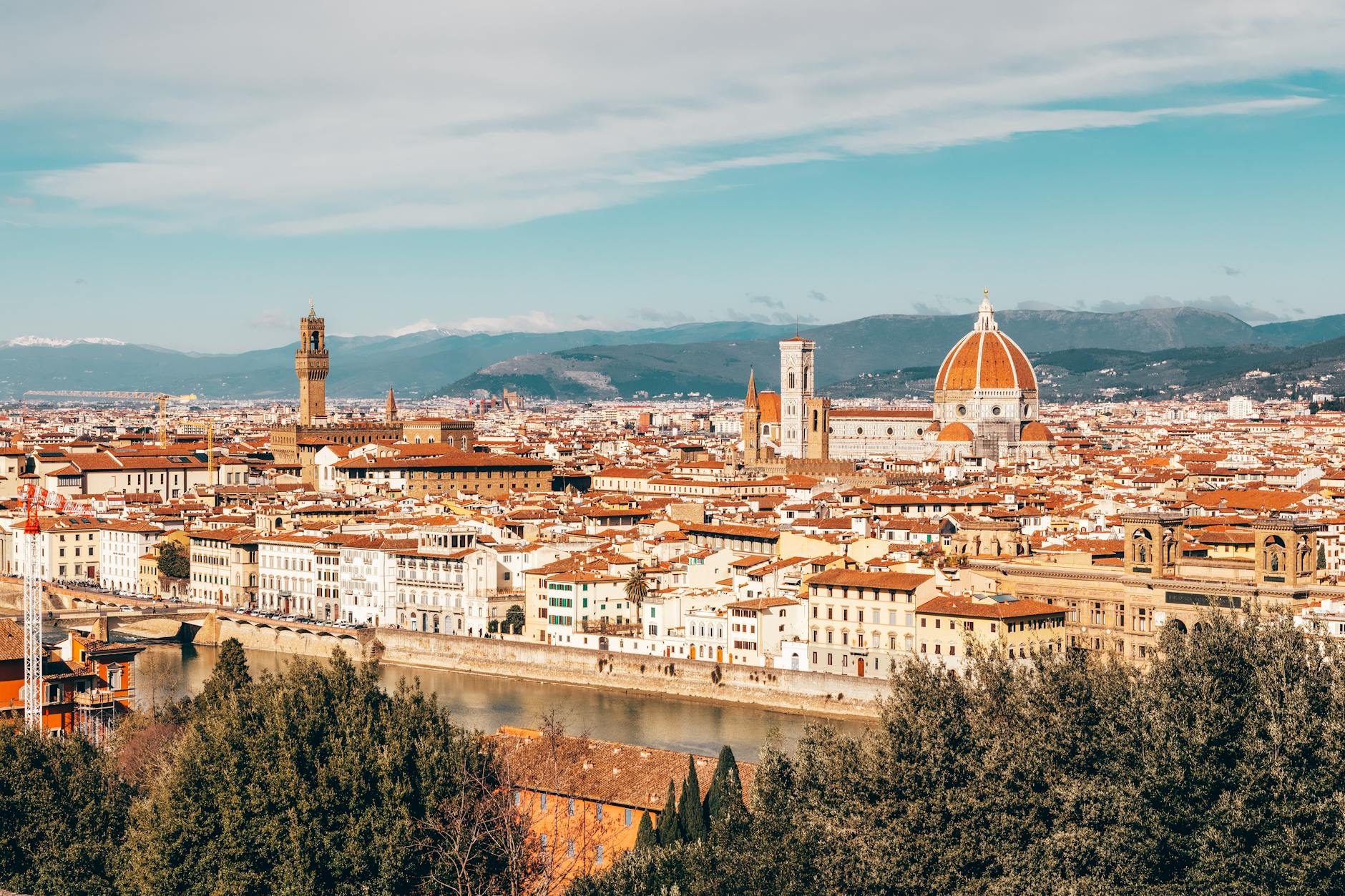
Florence, Italy, is a haven for digital nomads seeking a unique blend of rich history, breathtaking art, and an emerging remote work hub. As a digital nomad who spent three months exploring this enchanting city, I can attest that Florence offers an ideal environment for those looking to trade the monotony of a traditional office for a more flexible and exciting lifestyle. The city’s relatively low cost of living, coupled with its growing coworking scene and increasing digital nomad community, has made it an attractive destination for remote workers from all over the world.
One of the primary draws for digital nomads is Florence’s affordability, with a 1-bedroom apartment costing approximately $650 per month. The city’s food scene is also a treat, with a hearty meal costing around $12.8 and a cup of coffee a mere $1.1. The internet quality in Florence is decent, with average speeds of 18 Mbps, although fiber availability is still in its early stages. While Florence scores relatively low in terms of digital nomad infrastructure (45/100), it excels in cultural attractions (70/100) and offers a unique blend of art, history, and natural beauty.
🏘️ Best Neighborhoods
Oltrarno
The Oltrarno neighborhood is a hidden gem for digital nomads, with its laid-back atmosphere, charming streets, and stunning views of the Arno River. Rent prices are relatively affordable, with a 1-bedroom apartment costing around $600-$800 per month. While the internet quality is decent, it can be spotty at times, and noise levels can be higher due to the neighborhood’s lively nightlife. However, the community is welcoming, and the area is teeming with coworking spaces, cafes, and restaurants.
Oltrarno is known for its artistic vibe, with numerous galleries and studios dotting the streets. The neighborhood’s main street, Via San Zanobi, is lined with cafes, shops, and restaurants, making it an ideal spot for remote workers to spend their days. The nearby Ponte alle Grazie offers breathtaking views of the city and the river.
Santa Croce
Santa Croce is another popular neighborhood for digital nomads, with its rich history, stunning architecture, and lively atmosphere. Rent prices are slightly higher than in Oltrarno, with a 1-bedroom apartment costing around $800-$1,000 per month. The internet quality is generally reliable, and the neighborhood is relatively quiet, making it an excellent choice for those seeking a more peaceful environment.
Santa Croce is home to the famous Santa Croce church, a stunning example of Gothic architecture. The neighborhood is also known for its vibrant nightlife, with numerous bars, clubs, and live music venues. The nearby Piazza del Duomo offers stunning views of the city and the cathedral.
San Lorenzo
San Lorenzo is a bustling neighborhood that’s perfect for digital nomads seeking a lively atmosphere and a wide range of amenities. Rent prices are relatively affordable, with a 1-bedroom apartment costing around $600-$800 per month. The internet quality is decent, although it can be spotty at times. Noise levels can be higher due to the neighborhood’s numerous bars and clubs.
San Lorenzo is known for its historic center, with numerous shops, cafes, and restaurants lining the streets. The neighborhood is also home to the iconic Mercato Centrale, a bustling marketplace selling everything from fresh produce to souvenirs. The nearby Piazza della Signoria offers stunning views of the city and the Duomo.
Campo di Marte
Campo di Marte is a relatively quiet neighborhood that’s perfect for digital nomads seeking a more peaceful environment. Rent prices are relatively affordable, with a 1-bedroom apartment costing around $500-$700 per month. The internet quality is generally reliable, and the neighborhood is quiet, making it an excellent choice for those seeking a more relaxed atmosphere.
Campo di Marte is home to the stunning Villa del Poggio Imperiale, a beautiful example of Renaissance architecture. The neighborhood is also known for its numerous parks and gardens, making it an ideal spot for those seeking a more natural environment.
Digital Nomad Guide
Coworking Spaces
Florence has a growing coworking scene, with numerous spaces catering to digital nomads. Some popular options include:
- WeWork Florence: Located in the heart of the city, WeWork offers a range of coworking plans, from shared desks to private offices. Prices start at around $250 per month.
- Hub Florence: This coworking space is located in the Oltrarno neighborhood and offers a range of amenities, including high-speed internet, printers, and meeting rooms. Prices start at around $150 per month.
- Impact Hub Florence: This coworking space is located in the San Lorenzo neighborhood and offers a range of amenities, including high-speed internet, printers, and meeting rooms. Prices start at around $200 per month.
Internet Quality
The internet quality in Florence is decent, with average speeds of 18 Mbps. Fiber availability is still in its early stages, but many coworking spaces and cafes offer high-speed internet. Some popular cafes with reliable internet include:
- Caffè Rivoire: Located in the heart of the city, Caffè Rivoire offers high-speed internet and a range of delicious coffee drinks.
- Caffè dell’Oro: Located in the Oltrarno neighborhood, Caffè dell’Oro offers high-speed internet and a range of delicious coffee drinks.
- Caffè Giacosa: Located in the San Lorenzo neighborhood, Caffè Giacosa offers high-speed internet and a range of delicious coffee drinks.
Nomad Community Scene
The digital nomad community in Florence is growing rapidly, with numerous meetups, events, and groups catering to remote workers. Some popular groups include:
- Florence Digital Nomads: This group is dedicated to connecting digital nomads in Florence and offers a range of events, meetups, and resources.
- Nomad Florence: This group is dedicated to providing resources and support to digital nomads in Florence.
- Florence Coworking: This group is dedicated to promoting coworking spaces and resources in Florence.
Visa Options
As a digital nomad, you’ll need to obtain a visa to work in Italy. Some popular options include:
- Schengen Visa: This visa allows you to stay in Italy for up to 90 days and is ideal for short-term digital nomads.
- Elective Residence Visa: This visa allows you to stay in Italy for up to 1 year and is ideal for long-term digital nomads.
- Work Visa: This visa requires you to have a job offer in Italy and is ideal for remote workers who need to work for a specific employer.
Banking and Practical Setup
As a digital nomad, you’ll need to set up a bank account and obtain a local SIM card to stay connected. Some popular banks in Florence include:
- Intesa Sanpaolo: This bank offers a range of accounts and services for digital nomads.
- Unicredit: This bank offers a range of accounts and services for digital nomads.
- Poste Italiane: This bank offers a range of accounts and services for digital nomads.
To obtain a local SIM card, you can visit one of the following providers:
- Vodafone: This provider offers a range of plans and services for digital nomads.
- TIM: This provider offers a range of plans and services for digital nomads.
- Wind: This provider offers a range of plans and services for digital nomads.
🎨 Culture & Vibe
Florence is a city like no other, with its rich history, stunning art, and breathtaking architecture. As a digital nomad, you’ll need to navigate the local customs and etiquette to fit in with the community. Some essential tips include:
- Respect for the church: Florence is home to numerous churches and cathedrals, and it’s essential to dress modestly and respect the local customs.
- Mealtimes: Mealtimes in Florence are typically long and leisurely, with a focus on food, family, and conversation.
- Greetings: In Florence, it’s customary to greet people with a kiss on each cheek, followed by a handshake or hug.
- Language: While many Florentines speak English, it’s always appreciated when visitors make an effort to speak Italian.
The food scene in Florence is a treat, with a focus on local ingredients, fresh produce, and traditional recipes. Some must-try dishes include:
- Ribollita: A hearty soup made with vegetables, bread, and cannellini beans.
- Bistecca alla Fiorentina: A thick, juicy steak served with beans and chianti wine.
- Pappardelle al Cinghiale: A rich pasta dish made with wild boar ragu and porcini mushrooms.
The nightlife in Florence is lively, with numerous bars, clubs, and live music venues to choose from. Some popular spots include:
- Piazza del Duomo: This square is a popular spot for nightlife, with numerous bars and clubs surrounding the iconic cathedral.
- Via de’ Benci: This street is lined with bars, clubs, and live music venues, making it an ideal spot for a night out.
- Oltrarno: This neighborhood is known for its lively nightlife, with numerous bars, clubs, and live music venues to choose from.
⭐ Highlights
- Visit the Uffizi Gallery: This world-famous museum is home to some of the world’s most iconic art, including Botticelli’s “The Birth of Venus.”
- Explore the Pitti Palace: This stunning palace is a must-visit, with its breathtaking architecture and beautiful gardens.
- Take a stroll along the Arno River: This scenic river runs through the heart of Florence, offering breathtaking views of the city and its surrounding hills.
- Visit the Accademia Gallery: This museum is home to Michelangelo’s famous sculpture, “David,” and offers a glimpse into the artist’s creative process.
- Attend a concert at the Teatro Comunale: This stunning theater hosts a range of performances, from classical music to opera and dance.
💡 Practical Tips
- Visa Requirements: As a digital nomad, you’ll need to obtain a visa to work in Italy. Some popular options include the Schengen Visa, Elective Residence Visa, and Work Visa.
- Getting Around: Florence is a walkable city, but you can also use public transportation, including buses and trams. Some popular apps include Moovit and Google Maps.
- Safety Considerations: Florence is generally a safe city, but be aware of pickpocketing and petty theft, especially in crowded areas.
- Best Time to Visit: The best time to visit Florence is in the spring (April-May) and autumn (September-October), when the weather is mild and the crowds are smaller.
- Local Tips and Warnings: Be aware of local customs and etiquette, including respect for the church and mealtimes. Also, be mindful of your belongings, especially in crowded areas.
- Money Matters: The official currency in Italy is the euro, and you can exchange currency at banks, currency exchange offices, or ATMs.
- Healthcare and Insurance: As a digital nomad, you’ll need to have health insurance that covers you in Italy. Some popular options include Cigna and Allianz.