🌍 Overview
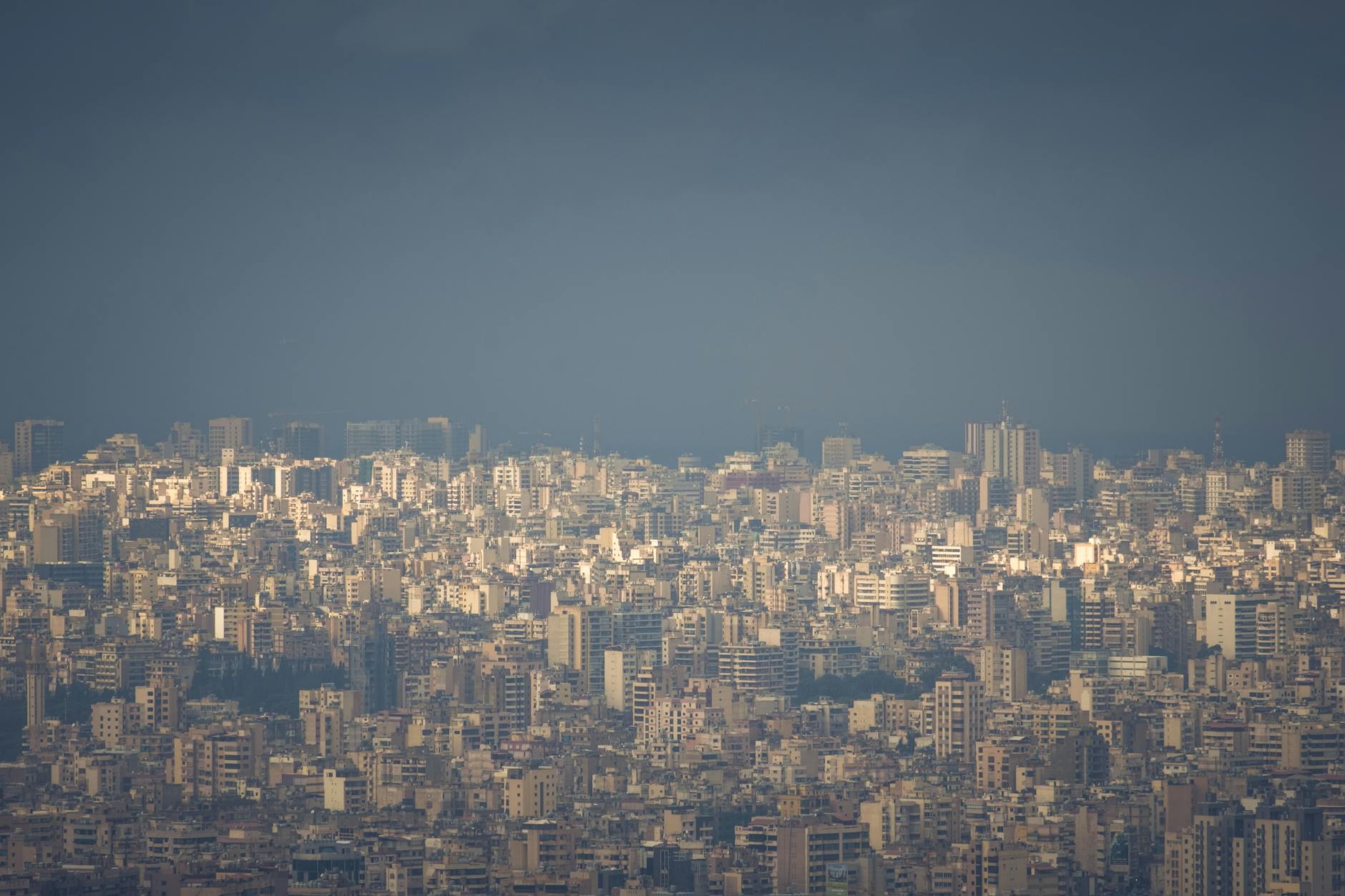
Beirut, Lebanon is a vibrant and eclectic digital nomad destination that offers a unique blend of Mediterranean culture, rich history, and modern amenities. As a remote work hub, Beirut attracts nomads from around the world with its relatively low cost of living, lively social scene, and stunning natural beauty. The city’s nomad community is growing rapidly, with many coworking spaces, cafes, and social events catering specifically to digital nomads. Beirut’s infrastructure, while still developing, provides a decent foundation for remote work, with average internet speeds of 4 Mbps and some areas offering fiber optic connections. However, it’s essential to set realistic expectations, as the city scores only 32/100 for digital nomad infrastructure and 37/100 for cultural attractions.
Despite these limitations, Beirut’s nomad scene is thriving, with many expats and locals alike embracing the digital nomad lifestyle. The city’s social and nightlife scene, while not as extensive as some other destinations, offers a unique blend of traditional Lebanese culture and modern entertainment. From rooftop bars to underground clubs, there’s always something happening in Beirut. For remote workers, the city’s relatively low cost of living is a significant draw, with 1-bedroom apartments available for around $735 per month and average restaurant meals costing approximately $19.1. Whether you’re looking for a relaxing coastal lifestyle or an urban adventure, Beirut has something to offer.
As a digital nomad destination, Beirut is not without its challenges. The city’s internet speeds can be slow, and power outages are not uncommon. However, many coworking spaces and cafes have invested in generators and backup internet connections, making it possible to stay productive even when the grid goes down. With its rich history, stunning natural beauty, and growing nomad community, Beirut is an attractive option for remote workers looking for a unique and exciting experience. As a “digital nomad Beirut” hotspot, the city is rapidly becoming a favorite among remote workers, with its “Beirut coworking spaces” and “Beirut cost of living” being major draws.
🏘️ Best Neighborhoods
Hamra
Hamra is a popular neighborhood for digital nomads, offering a vibrant and eclectic atmosphere with a mix of old and new buildings. The area is known for its lively nightlife, with many bars, clubs, and restaurants to choose from. Rent in Hamra can range from $600 to $1,200 per month for a 1-bedroom apartment, depending on the location and amenities. One of the major advantages of Hamra is its high concentration of “Beirut coworking spaces”, making it an ideal location for remote workers. However, the area can be noisy, especially at night, and internet speeds can be slow in some parts of the neighborhood. Notable streets in Hamra include Bliss Street, which is lined with cafes, restaurants, and shops, and Makdessi Street, which is home to many bars and clubs.
Achrafieh
Achrafieh is a charming neighborhood that offers a more laid-back atmosphere than Hamra. The area is known for its beautiful architecture, trendy cafes, and upscale restaurants. Rent in Achrafieh can range from $800 to $1,500 per month for a 1-bedroom apartment, depending on the location and amenities. Achrafieh is a popular choice among digital nomads, with its quiet streets and reliable internet connections making it an ideal location for remote work. However, the area can be quite expensive, and some parts of the neighborhood can feel a bit sterile. Notable streets in Achrafieh include Abdel Wahab Street, which is lined with cafes and restaurants, and Monot Street, which is home to many bars and clubs.
Mar Mikhael
Mar Mikhael is a trendy neighborhood that offers a unique blend of art, culture, and nightlife. The area is known for its street art, indie cafes, and alternative bars. Rent in Mar Mikhael can range from $500 to $1,000 per month for a 1-bedroom apartment, depending on the location and amenities. Mar Mikhael is a popular choice among digital nomads, with its vibrant atmosphere and creative vibe making it an ideal location for remote workers. However, the area can be noisy, especially at night, and internet speeds can be slow in some parts of the neighborhood. Notable streets in Mar Mikhael include Armenia Street, which is lined with street art and indie cafes, and Train Street, which is home to many alternative bars and clubs.
Gemmayzeh
Gemmayzeh is a historic neighborhood that offers a unique blend of traditional Lebanese culture and modern amenities. The area is known for its beautiful architecture, trendy cafes, and upscale restaurants. Rent in Gemmayzeh can range from $600 to $1,200 per month for a 1-bedroom apartment, depending on the location and amenities. Gemmayzeh is a popular choice among digital nomads, with its quiet streets and reliable internet connections making it an ideal location for remote work. However, the area can be quite touristy, and some parts of the neighborhood can feel a bit commercialized. Notable streets in Gemmayzeh include Gouraud Street, which is lined with cafes and restaurants, and Saint Nicholas Street, which is home to many bars and clubs.
Digital Nomad Guide
For digital nomads, Beirut offers a range of coworking spaces, cafes, and social events. Some popular coworking spaces include The District, which offers monthly memberships starting at $200, and Antwork, which offers daily passes starting at $10. Internet speeds in Beirut can be slow, with average speeds of 4 Mbps, but some coworking spaces and cafes offer fiber optic connections with speeds of up to 100 Mbps. The nomad community in Beirut is growing rapidly, with many Facebook groups and meetups available for remote workers. Some popular cafes for remote work include Cafe Em Nazih, which offers reliable internet and a quiet atmosphere, and Ahwak Cafe, which offers a vibrant atmosphere and a range of coffee and food options.
For visa options, remote workers can apply for a Lebanese visa, which costs around $50 and is valid for 1-3 months. However, the process can be complex, and it’s recommended to consult with the Lebanese embassy or consulate in your home country. Banking and practical setup tips include opening a local bank account, which can be done with a valid passport and proof of address, and purchasing a local SIM card, which can be done at most mobile phone shops.
🎨 Culture & Vibe
Beirut is a city with a rich cultural heritage, and as a digital nomad, you’ll have plenty of opportunities to experience it. From traditional Lebanese cuisine to modern art and music, there’s always something new to discover. Some must-try dishes include tabbouleh, falafel, and shawarma, which can be found at most restaurants and street food stalls. The city’s food scene is vibrant, with many neighborhoods offering a range of culinary options. Achrafieh, for example, is known for its upscale restaurants, while Mar Mikhael is home to many indie cafes and street food stalls.
Beirut’s nightlife scene is also worth exploring, with many bars, clubs, and live music venues to choose from. Some popular areas for nightlife include Hamra, Achrafieh, and Mar Mikhael, which offer a range of options from rooftop bars to underground clubs. The city’s social scene is also thriving, with many expats and locals alike attending events and meetups. Some popular events include the Beirut International Film Festival, which takes place in September, and the Beirut Jazz Festival, which takes place in July.
⭐ Highlights
- Visit the National Museum of Beirut, which offers a unique insight into the city’s history and culture. The museum is located in the Achrafieh neighborhood and is open from 9 am to 5 pm.
- Explore the historic neighborhood of Gemmayzeh, which is known for its beautiful architecture and traditional Lebanese culture. The area is home to many trendy cafes and restaurants, and is a great place to experience the city’s vibrant atmosphere.
- Take a stroll along the Beirut Corniche, which offers stunning views of the Mediterranean Sea. The corniche is a popular spot for locals and tourists alike, and is a great place to relax and enjoy the city’s natural beauty.
- Visit the Sursock Museum, which is located in the Achrafieh neighborhood and offers a unique collection of modern and contemporary art. The museum is open from 10 am to 6 pm and offers guided tours.
- Attend a live music or theater performance at the Beirut Theater, which is located in the Hamra neighborhood and offers a range of cultural events. The theater is a popular spot for locals and expats alike, and is a great place to experience the city’s vibrant cultural scene.
- Take a day trip to the nearby town of Byblos, which is known for its historic castle and stunning natural beauty. The town is located about an hour north of Beirut and can be reached by bus or taxi.
💡 Practical Tips
- Visa requirements for common nationalities: US citizens can apply for a Lebanese visa on arrival, which costs around $50 and is valid for 1-3 months. EU citizens can apply for a Lebanese visa online, which costs around $30 and is valid for 1-3 months.
- Getting around: Beirut has a range of transportation options, including taxis, buses, and ride-hailing apps like Uber. The city is also relatively walkable, with many neighborhoods offering a range of amenities and attractions within walking distance.
- Safety considerations: Beirut is generally a safe city, but as with any major city, there are some areas to avoid. The city’s southern suburbs are considered to be less safe, and it’s recommended to avoid traveling alone at night.
- Best time to visit: Beirut has a Mediterranean climate, with warm summers and mild winters. The best time to visit is from September to November or from March to May, when the weather is pleasant and the city is less crowded.
- Local tips and warnings: Beirut is a city with a rich cultural heritage, and it’s essential to respect local customs and traditions. Some things to avoid include taking pictures of military personnel or government buildings, and public displays of affection.
- Money matters: The Lebanese pound is the local currency, and it’s possible to exchange money at most banks and currency exchange offices. Credit cards are widely accepted, and many restaurants and shops offer Wi-Fi and mobile payment options.
- Healthcare and insurance: Beirut has a range of medical facilities, including hospitals and clinics. It’s recommended to have health insurance that covers you for medical treatment in Lebanon, and to take necessary precautions to stay healthy, such as getting vaccinated and taking medication as prescribed.