🌍 Overview
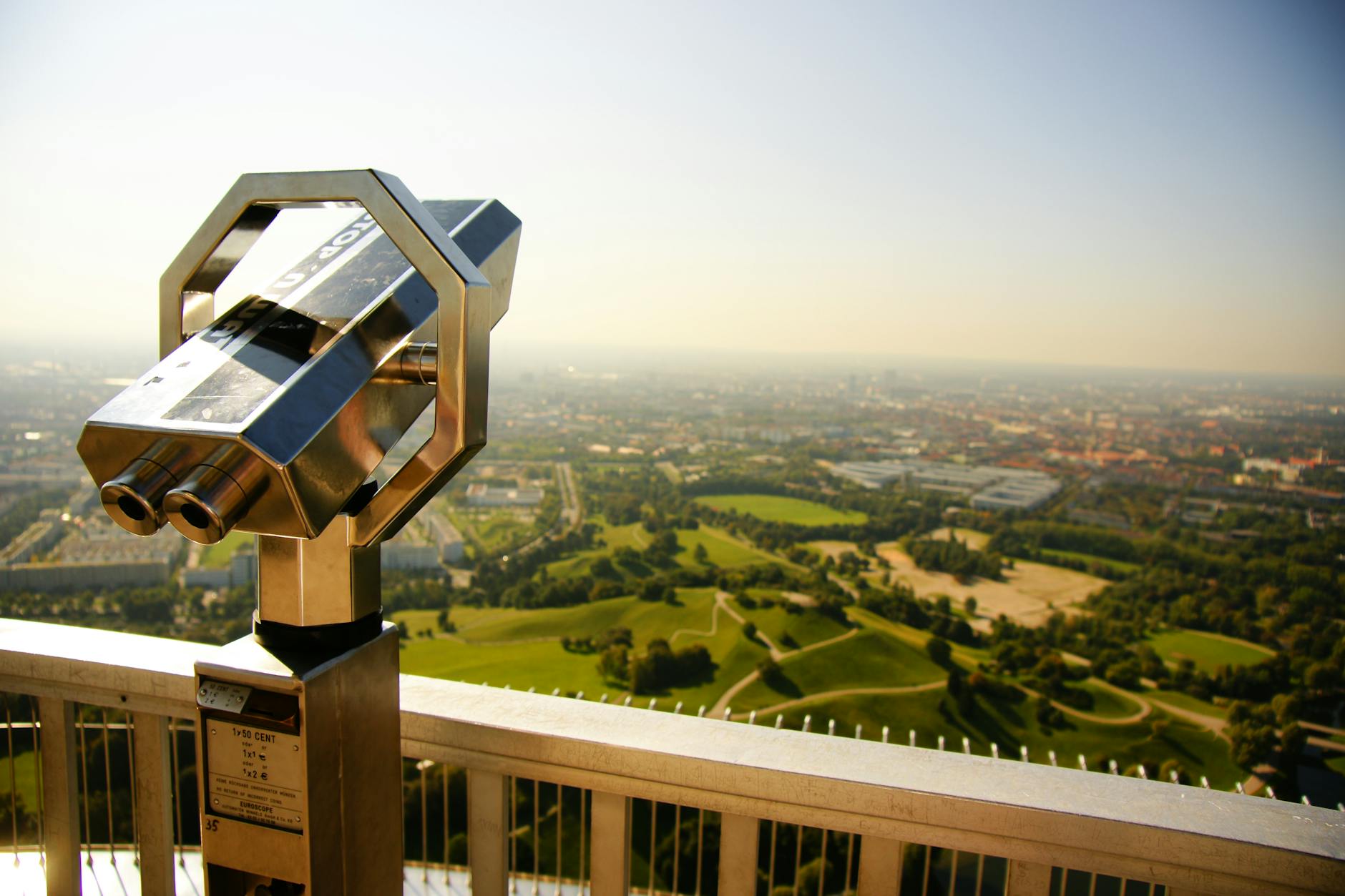
Munich, the capital of Bavaria, is a city that seamlessly blends tradition with modernity, making it an attractive destination for digital nomads. As a Munich digital nomad myself, I can attest that the city’s unique vibe, rich history, and stunning architecture make it an ideal place to live and work. With a Nomad Score of 78/100, Munich offers a great balance of culture, history, food, and nature, making it a popular choice among remote workers. The city’s safety index of 7837/100 also ensures that digital nomads can feel secure and comfortable while exploring the city.
One of the reasons why nomads love Munich is its proximity to the Alps, which offers endless opportunities for outdoor activities such as hiking, skiing, and snowboarding. The city’s cultural scene is also thriving, with numerous museums, galleries, and festivals throughout the year. Additionally, Munich’s food scene is a haven for foodies, with traditional Bavarian cuisine, craft beer, and a vibrant cafe culture.
🏘️ Best Neighborhoods for Digital Nomads
When it comes to choosing a neighborhood to live in Munich, digital nomads have a wide range of options to suit their lifestyle and budget. Here are three neighborhoods that are particularly popular among remote workers:
- Schwabing: This charming neighborhood is known for its bohemian vibe, with numerous cafes, restaurants, and bars. It’s also home to the famous English Garden, one of the largest urban parks in the world. Rent prices in Schwabing are around €1,200-€1,500 (approximately $1,370-$1,700 USD) per month for a one-bedroom apartment.
- Haidhausen: Located just east of the city center, Haidhausen is a trendy neighborhood with a mix of old and new buildings. It’s a popular area for young professionals and digital nomads, with plenty of coworking spaces, cafes, and restaurants. Rent prices in Haidhausen are around €1,000-€1,400 (approximately $1,140-$1,600 USD) per month for a one-bedroom apartment.
- Giesing: This up-and-coming neighborhood is located just south of the city center and offers a more laid-back atmosphere. It’s a popular area for families and digital nomads who want to escape the hustle and bustle of the city center. Rent prices in Giesing are around €800-€1,200 (approximately $920-$1,370 USD) per month for a one-bedroom apartment.
Cost of Living Breakdown
The cost of living in Munich can be relatively high, especially when it comes to rent and food. However, with a little planning and research, digital nomads can find affordable options to suit their budget. Here’s a breakdown of the typical costs:
- Rent: As mentioned earlier, rent prices in Munich can range from €800-€1,500 (approximately $920-$1,700 USD) per month for a one-bedroom apartment, depending on the neighborhood and amenities.
- Food: Eating out in Munich can be expensive, with a meal at a mid-range restaurant costing around €15-€25 (approximately $17-$28 USD) per person. However, buying groceries and cooking at home can be more affordable, with a weekly shop costing around €50-€75 (approximately $57-$85 USD).
- Transport: Munich has an excellent public transport system, with a monthly pass costing around €65 (approximately $74 USD). Digital nomads can also buy a bike and cycle around the city, which is a great way to explore and get some exercise.
- Coworking: Coworking spaces in Munich can range from €200-€500 (approximately $230-$570 USD) per month, depending on the amenities and services offered.
Internet & Coworking
Munich has a well-developed internet infrastructure, with fast and reliable connections available throughout the city. The average internet speed in Munich is around 45 Mbps, making it easy to stay connected and work remotely. Here are some popular coworking spaces and cafes with good internet:
- WeWork: Located in the heart of the city, WeWork offers a range of coworking spaces and amenities, including high-speed internet and meeting rooms. Prices start from around €300 (approximately $340 USD) per month.
- Impact Hub: This coworking space is located in the trendy neighborhood of Haidhausen and offers a range of amenities, including high-speed internet, meeting rooms, and a rooftop terrace. Prices start from around €200 (approximately $230 USD) per month.
- Cafe Glockenspiel: This charming cafe is located in the city center and offers fast and reliable internet, as well as a range of coffee and cake. It’s a popular spot for digital nomads and remote workers.
Munich has a thriving digital nomad community, with numerous meetups and events taking place throughout the year. Here are some popular groups and events:
- Munich Digital Nomads: This Facebook group is a great way to connect with other digital nomads and remote workers in Munich, with regular meetups and events.
- Nomad List: This online community is a great resource for digital nomads, with a range of information and resources on Munich and other cities around the world.
- Munich Startup Scene: This meetup group is a great way to connect with other entrepreneurs and startups in Munich, with regular events and networking opportunities.
Culture & Lifestyle
Munich is a city with a rich cultural heritage, from its traditional Bavarian cuisine to its vibrant arts and festival scene. Here are some insider tips on how to experience the city like a local:
- Oktoberfest: This world-famous beer festival takes place every year in September and October, and is a must-visit for any digital nomad in Munich. Be sure to book your accommodations and tickets well in advance, as it can get very crowded.
- Christmas Markets: Munich has a range of Christmas markets throughout the city, offering a range of traditional food, drink, and crafts. It’s a great way to get into the holiday spirit and experience the city’s festive atmosphere.
- Bavarian Cuisine: Munich is famous for its traditional Bavarian cuisine, including dishes such as schnitzel, sausages, and apple strudel. Be sure to try some of the local specialties, such as Weisswurst (a traditional breakfast dish) or Leberkäse (a type of meatloaf).
As a digital nomad, you’ll need to ensure that you have the correct visa to live and work in Munich. Here are some options:
- Tourist Visa: If you’re planning to stay in Munich for less than 90 days, you may be eligible for a tourist visa. This visa allows you to stay in the country for a limited period, but you’re not allowed to work or engage in any business activities.
- Digital Nomad Visa: Unfortunately, Germany does not currently offer a specific digital nomad visa. However, you may be eligible for a freelance visa or a residence permit, which allows you to live and work in the country for a longer period.
💡 Practical Tips
Here are some practical tips for digital nomads living and working in Munich:
- SIM Cards: You can buy a SIM card at most phone shops or supermarkets, with prices starting from around €10 (approximately $11 USD) per month.
- Transport: Munich has an excellent public transport system, with a range of buses, trams, and trains. You can buy a monthly pass for around €65 (approximately $74 USD), or use a bike to get around the city.
- Safety: Munich is a very safe city, with low crime rates and a strong police presence. However, as with any city, it’s always a good idea to take precautions and be aware of your surroundings.
- Weather: Munich has a temperate climate, with cold winters and warm summers. Be sure to pack accordingly, and enjoy the city’s many outdoor spaces and parks during the warmer months.