🌍 Overview
As a digital nomad, I’ve had the pleasure of calling Berlin, Germany my home for several months, and I can confidently say it’s one of the most vibrant and eclectic cities I’ve ever experienced. Berlin has a unique energy that’s hard to find elsewhere, with its rich history, thriving cultural scene, and a community that’s always pushing the boundaries of art, music, and innovation. The city has a way of embracing you, making you feel like you’re part of something bigger than yourself. For digital nomads, Berlin offers the perfect blend of creativity, productivity, and entertainment, which is why it’s become a hotspot for remote workers from all over the world. With its high nomad score of 85/100 and a safety index of 55.51/100, Berlin is an attractive destination for those looking to live and work abroad.
🏘️ Best Neighborhoods for Digital Nomads
When it comes to choosing the right neighborhood in Berlin, digital nomads are spoilt for choice. Here are a few of my favorite areas to consider:
- Kreuzberg: This trendy neighborhood is a melting pot of cultures, with a mix of hip cafes, street art, and independent shops. Rent for a one-bedroom apartment in Kreuzberg can range from €800-€1,200 (approximately $900-$1,370 USD) per month.
- Neukölln: Located just south of Kreuzberg, Neukölln is another popular neighborhood for digital nomads. It’s a bit more laid-back than Kreuzberg, with a strong sense of community and a variety of affordable restaurants and bars. Rent for a one-bedroom apartment in Neukölln can range from €700-€1,100 (approximately $790-$1,240 USD) per month.
- Mitte: If you prefer to be in the heart of the action, Mitte is the way to go. This central neighborhood is home to many of Berlin’s main attractions, including the Berlin Wall Memorial and the Brandenburg Gate. Rent for a one-bedroom apartment in Mitte can range from €1,000-€1,500 (approximately $1,130-$1,690 USD) per month.
- Prenzlauer Berg: This charming neighborhood is a bit more upscale than the others, with a mix of boutique shops, restaurants, and cafes. It’s a great option for digital nomads who want to experience the more refined side of Berlin. Rent for a one-bedroom apartment in Prenzlauer Berg can range from €1,200-€1,800 (approximately $1,370-$2,030 USD) per month.
Cost of Living Breakdown
The cost of living in Berlin is relatively low compared to other major European cities. Here’s a breakdown of what you can expect to pay for typical expenses:
- Rent: As mentioned earlier, rent for a one-bedroom apartment can range from €700-€1,800 (approximately $790-$2,030 USD) per month, depending on the neighborhood and amenities.
- Food: Eating out in Berlin can be very affordable, with a meal at a mid-range restaurant costing around €10-€15 (approximately $11-$17 USD) per person. Groceries are also relatively cheap, with a basket of basic items (milk, bread, eggs, etc.) costing around €20-€30 (approximately $22-$35 USD) per week.
- Transportation: A monthly public transportation pass in Berlin costs around €70-€100 (approximately $79-$113 USD), depending on the type of pass and your age.
- Coworking: Coworking spaces in Berlin can range from €100-€300 (approximately $113-$339 USD) per month, depending on the location and amenities.
Internet & Coworking
Berlin has a thriving coworking scene, with many spaces offering high-speed internet and a range of amenities. Some popular coworking spaces include:
- WeWork: With several locations throughout the city, WeWork is a popular choice for digital nomads. Membership prices start at around €300 (approximately $339 USD) per month.
- Betahaus: This coworking space in Kreuzberg offers a range of membership options, starting at around €150 (approximately $169 USD) per month.
- Factory Berlin: Located in the heart of Mitte, Factory Berlin is a popular coworking space with membership prices starting at around €200 (approximately $227 USD) per month.
Internet speeds in Berlin are generally very good, with an average speed of 45 Mbps. Many cafes and coworking spaces offer free Wi-Fi, making it easy to stay connected on the go.
Berlin has a thriving digital nomad community, with many meetups and events taking place throughout the city. Some popular groups include:
- Berlin Digital Nomads: This Facebook group has over 10,000 members and is a great place to connect with other digital nomads in the city.
- Nomad List Berlin: This group organizes regular meetups and events for digital nomads, including coworking sessions and social gatherings.
- Berlin Startup Scene: This group is focused on the startup scene in Berlin, but is also a great place to connect with other entrepreneurs and digital nomads.
Culture & Lifestyle
Berlin is a city that’s steeped in history and culture, with a vibrant arts and music scene. Some popular attractions include:
- The Berlin Wall Memorial: This historic site is a must-visit for anyone interested in learning more about Berlin’s past.
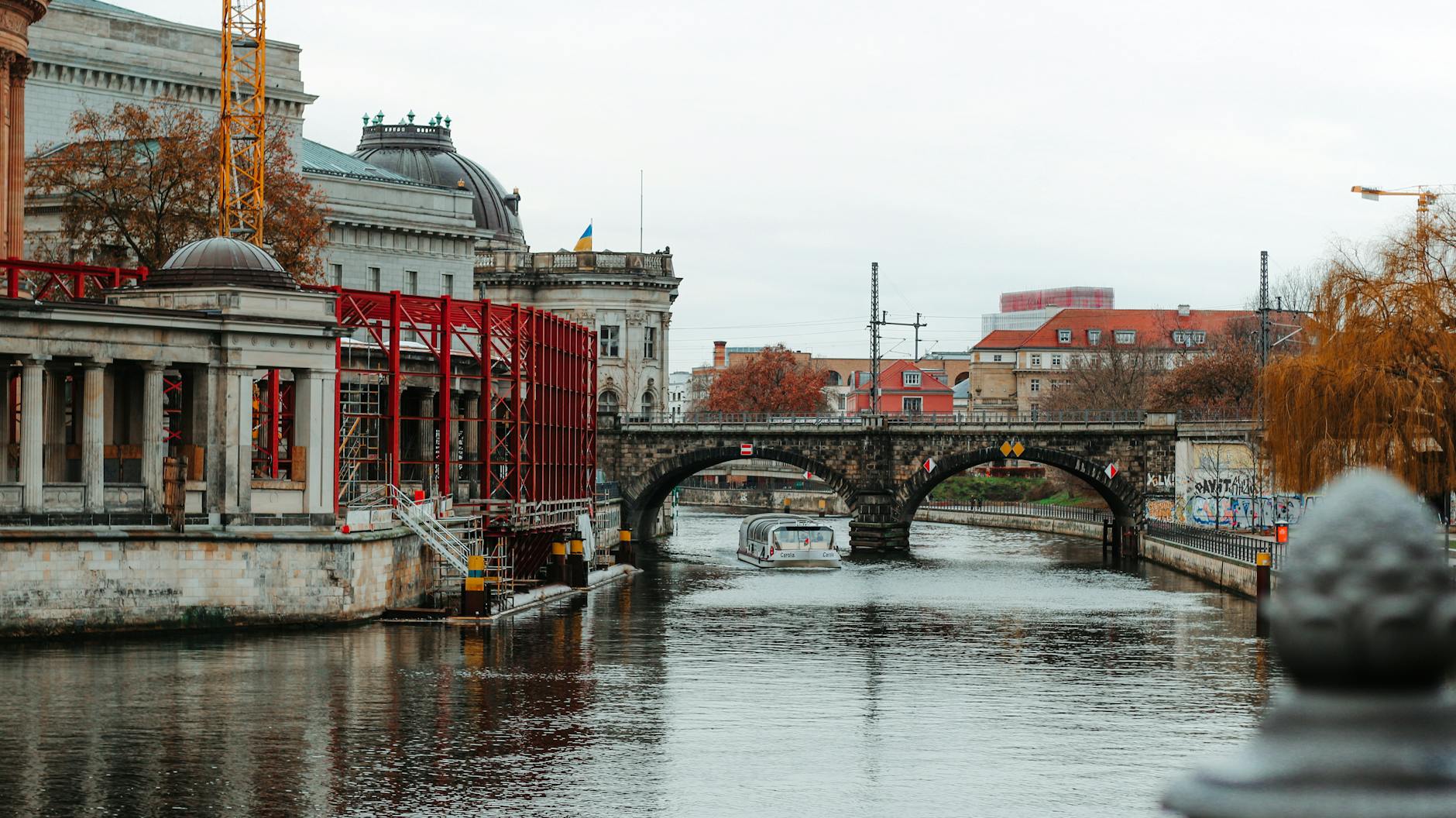
- The Museum Island: This complex of five museums is a UNESCO World Heritage site and features an incredible collection of art and artifacts.
- The Kreuzberg Street Art Scene: Kreuzberg is home to some of the best street art in the city, with many colorful murals and graffiti adorning the buildings.
The food scene in Berlin is also worth exploring, with a range of traditional German dishes like currywurst and schnitzel, as well as a thriving vegan and vegetarian scene. Some popular restaurants include:
- Curry 36: This popular currywurst stand in Kreuzberg is a must-visit for any foodie.
- Vöner: This Turkish restaurant in Neukölln serves up delicious kebabs and other Turkish dishes.
- Facil: This trendy restaurant in Mitte offers a range of modern German dishes, including vegetarian and vegan options.
As a digital nomad, you’ll need to ensure that you have the correct visa to live and work in Berlin. Germany offers a range of visa options, including the Job Seeker Visa and the Freelance Visa. The Job Seeker Visa allows you to stay in Germany for up to six months while you look for work, while the Freelance Visa is designed for self-employed individuals and requires you to have a certain level of income and health insurance.
💡 Practical Tips
Here are a few practical tips to keep in mind when living and working in Berlin:
- Get a SIM card: A SIM card is essential for staying connected in Berlin, and can be purchased at many phone stores throughout the city. Prices start at around €10-€20 (approximately $11-$22 USD) per month.
- Use public transportation: Berlin has an excellent public transportation system, with a range of buses, trains, and trams connecting the city. A monthly pass is a great option for digital nomads, and costs around €70-€100 (approximately $79-$113 USD) per month.
- Learn some German: While many Berliners speak English, it’s always helpful to learn a few basic German phrases, such as “Hallo” (hello), “Danke” (thank you), and “Auf Wiedersehen” (goodbye).
- Be prepared for the weather: Berlin can be quite chilly in the winter, with temperatures often dropping below 0°C (32°F). Be sure to pack warm clothing, including a coat, gloves, and scarf.