🌍 Overview
Copenhagen, Denmark has emerged as a popular digital nomad destination, offering a unique blend of modern infrastructure, rich culture, and high quality of life. As a remote work hub, Copenhagen provides an excellent environment for digital nomads to thrive, with a strong focus on design, innovation, and community. The city’s compact size and bike-friendly infrastructure make it easy to navigate, and the Copenhagen nomad scene is growing rapidly, with many coworking spaces, networking events, and social gatherings catering to remote workers. However, it’s essential to be aware of the city’s cost of living, with a 1-bedroom apartment averaging around $1178/month and an average restaurant meal costing around $14.9. Despite the costs, Copenhagen’s digital nomad community is drawn to the city’s vibrant atmosphere, excellent internet connectivity, and stunning architecture.
As a digital nomad, you can expect a high level of English proficiency among locals, making it easy to communicate and navigate the city. Copenhagen’s design and cultural scene are also significant draws, with numerous museums, galleries, and festivals throughout the year. The city’s food scene is renowned for its emphasis on local, organic produce, and you can sample some of the best Danish cuisine at restaurants like Noma or Relæ. However, be prepared for the cold winters, with temperatures often dropping below freezing from December to February.
Copenhagen’s remote work infrastructure is still developing, with a digital nomad infrastructure score of 55/100. However, the city is rapidly improving, with many new coworking spaces and networking events emerging. As a digital nomad in Copenhagen, you can expect a relatively quiet social scene, with a score of 35/100, but the city’s cultural attractions, such as the Tivoli Gardens and the National Museum of Denmark, are world-class, with a score of 70/100.
🏘️ Best Neighborhoods
Vesterbro
Vesterbro is a trendy neighborhood located just west of the city center, known for its vibrant atmosphere, boutique shops, and restaurants. The area is popular among digital nomads, with many coworking spaces, including the Copenhagen Coworking Space, which offers monthly memberships from around $200-$500. Rent prices in Vesterbro range from $1,000 to $1,500 per month for a 1-bedroom apartment. The neighborhood is relatively quiet, with good internet connectivity, and many cafes, such as the popular Atelier September, which offers excellent wifi and a cozy atmosphere.
Nørrebro
Nørrebro is a lively neighborhood located north of the city center, known for its multicultural atmosphere, street art, and independent shops. The area is a hub for creatives, with many coworking spaces, including the Nørrebro Coworking Space, which offers daily rates from around $10-$20. Rent prices in Nørrebro range from $900 to $1,400 per month for a 1-bedroom apartment. The neighborhood is relatively noisy, with many bars and restaurants, but the internet connectivity is excellent, with average speeds of 46 Mbps and fiber availability in many areas.
Østerbro
Østerbro is a charming neighborhood located east of the city center, known for its upscale atmosphere, beautiful parks, and historic architecture. The area is popular among families and professionals, with many coworking spaces, including the Østerbro Coworking Space, which offers monthly memberships from around $300-$600. Rent prices in Østerbro range from $1,200 to $1,800 per month for a 1-bedroom apartment. The neighborhood is relatively quiet, with good internet connectivity, and many cafes, such as the popular Café Dyrehaven, which offers excellent wifi and a cozy atmosphere.
Christianshavn
Christianshavn is a unique neighborhood located on an island in the harbor, known for its alternative atmosphere, street art, and historic architecture. The area is popular among artists and creatives, with many coworking spaces, including the Christianshavn Coworking Space, which offers daily rates from around $10-$20. Rent prices in Christianshavn range from $800 to $1,200 per month for a 1-bedroom apartment. The neighborhood is relatively quiet, with good internet connectivity, and many cafes, such as the popular Café Nemoland, which offers excellent wifi and a cozy atmosphere.
Digital Nomad Guide
As a digital nomad in Copenhagen, you’ll find many excellent coworking spaces to choose from, including the Copenhagen Coworking Space, Nørrebro Coworking Space, and Østerbro Coworking Space. Monthly rates range from $200 to $600, depending on the space and amenities. The city’s internet connectivity is excellent, with average speeds of 46 Mbps and fiber availability in many areas. The nomad community scene is growing rapidly, with many networking events and social gatherings, such as the Copenhagen Digital Nomads meetup group and the Nomad Coffee Club.
For coffee lovers, Copenhagen has many excellent cafes to work from, including Atelier September, Café Dyrehaven, and Café Nemoland. These cafes offer excellent wifi, power outlets, and a cozy atmosphere, making them perfect for remote work. Visa options for remote workers in Denmark include the “Positive List” work permit, which allows non-EU citizens to work in Denmark for up to 3 years, and the “Start-up Denmark” visa, which allows entrepreneurs to start a business in Denmark. Banking and practical setup tips include opening a Danish bank account, registering with the Danish tax authority, and obtaining a Danish health insurance card.
🎨 Culture & Vibe
Copenhagen is a city that seamlessly blends modern design and innovation with traditional culture and history. As a digital nomad, you’ll have access to many world-class museums and galleries, such as the National Museum of Denmark and the Design Museum Denmark. The city’s food scene is renowned for its emphasis on local, organic produce, and you can sample some of the best Danish cuisine at restaurants like Noma or Relæ. Must-try dishes include smørrebrød, a traditional Danish open-faced sandwich, and flæskesteg, a crispy pork dish.
The nightlife and social scene in Copenhagen are relatively quiet, but you’ll find many excellent bars and clubs, such as the popular Vega nightclub and the trendy cocktail bar, Ruby. The city’s arts and cultural attractions are world-class, with many festivals and events throughout the year, including the Copenhagen Jazz Festival and the Copenhagen Fashion Week. English proficiency is very high in Copenhagen, with over 80% of the population speaking English fluently, making it easy for digital nomads to communicate and navigate the city.
⭐ Highlights
- Visit the Tivoli Gardens, a world-famous amusement park located in the heart of the city, and enjoy the stunning gardens and architecture.
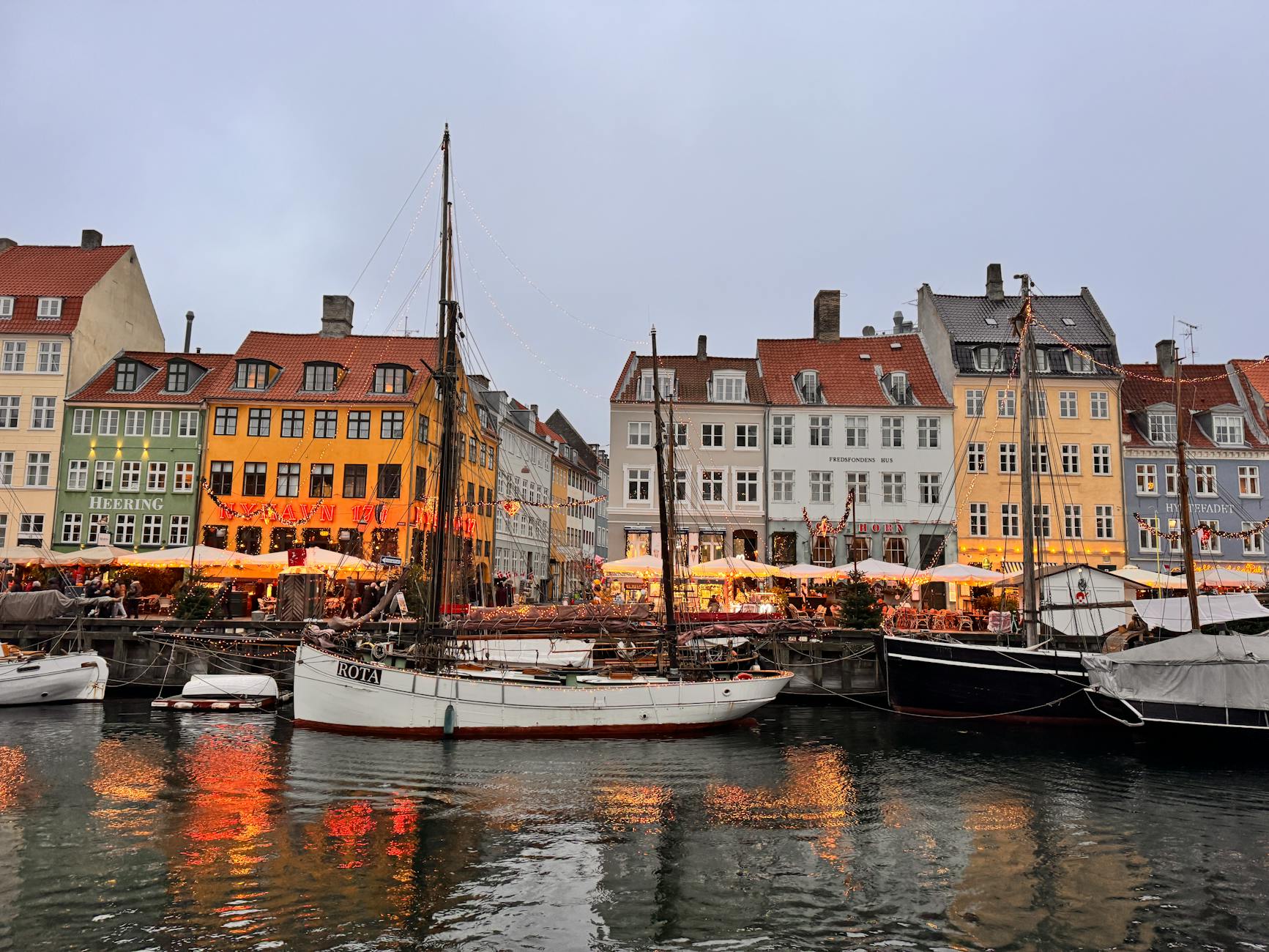
- Explore the Nyhavn harbor, a picturesque waterfront area with colorful houses, bars, and restaurants, and take a stroll along the canal.
- Check out the National Museum of Denmark, which offers a wealth of information on Danish history and culture, and explore the many exhibits and artifacts.
- Sample some of the best Danish cuisine at restaurants like Noma or Relæ, and try some traditional dishes like smørrebrød and flæskesteg.
- Visit the Design Museum Denmark, which showcases the best of Danish design and innovation, and explore the many exhibits and displays.
- Take a bike tour of the city, and explore the many bike-friendly streets and paths, and enjoy the stunning architecture and scenery.
- Attend a festival or event, such as the Copenhagen Jazz Festival or the Copenhagen Fashion Week, and experience the city’s vibrant cultural scene.
💡 Practical Tips
As a digital nomad in Copenhagen, it’s essential to be aware of the visa requirements for your nationality. US citizens, for example, can enter Denmark without a visa for up to 90 days, while EU citizens can live and work in Denmark without any restrictions. The cost of living in Copenhagen is relatively high, with a 1-bedroom apartment averaging around $1178/month and an average restaurant meal costing around $14.9. However, the city offers many excellent amenities and services, including a well-developed public transportation system, with buses, trains, and metro lines, and a bike-friendly infrastructure.
To get around the city, you can use the public transportation system, which includes buses, trains, and metro lines, or rent a bike and explore the many bike-friendly streets and paths. Safety considerations include being aware of pickpocketing and bike theft, and taking necessary precautions to protect yourself and your belongings. The best time to visit Copenhagen is during the spring and summer months, from April to September, when the weather is mild and sunny, and the city is bustling with events and festivals.
Local tips and warnings include being aware of the city’s strict bike laws, and always wearing a helmet and following traffic rules. Additionally, be respectful of the city’s cultural and historical heritage, and avoid littering or damaging public property. Money matters include being aware of the city’s high taxes, and taking advantage of tax-free shopping and discounts. Healthcare and insurance considerations include obtaining a Danish health insurance card, and being aware of the city’s high healthcare costs.