🌍 Overview
Kuwait City is rapidly emerging as a digital nomad destination, offering an intriguing blend of Middle Eastern culture, modern infrastructure, and affordable cost of living. With a growing remote work hub, Kuwait City has become an attractive choice for digital nomads seeking a unique experience. As a digital nomad, you’ll find a vibrant community of like-minded individuals, state-of-the-art coworking spaces, and a plethora of amenities to support your remote lifestyle.
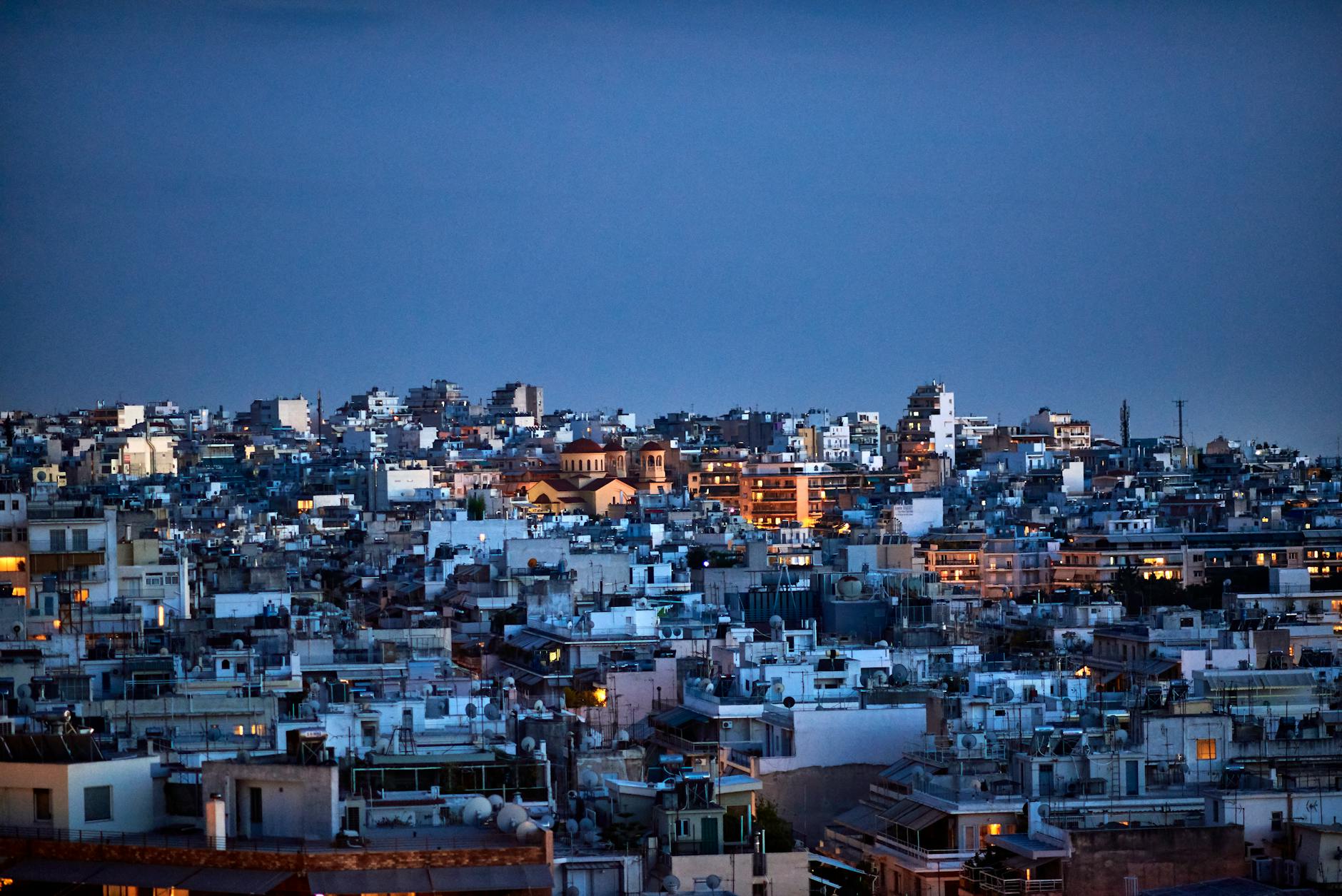
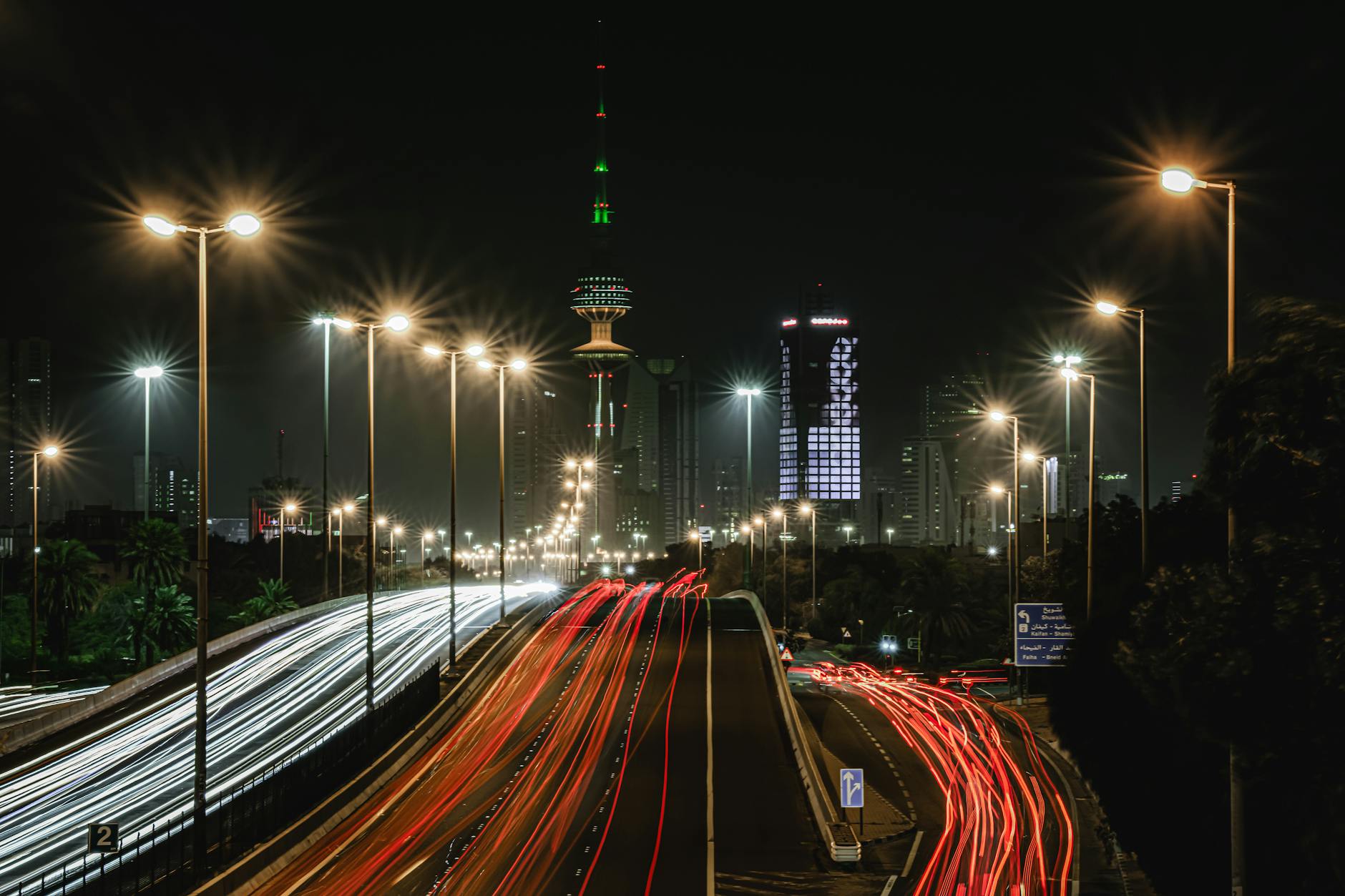
Kuwait City’s nomad scene is characterized by a mix of traditional Arabic architecture and modern skyscrapers, creating a fascinating urban landscape. The city’s relatively low cost of living, averaging around $643 for a 1-bedroom apartment, makes it an appealing choice for budget-conscious nomads. Moreover, the average restaurant meal costs around $4.8, and a cup of coffee can be had for approximately $3.6. This affordability, coupled with the city’s growing infrastructure and coworking spaces, has made Kuwait City an increasingly attractive destination for remote workers.
🏘️ Best Neighborhoods
Salmiya
Salmiya is a bustling neighborhood in eastern Kuwait City, known for its vibrant atmosphere and affordable living options. With a typical monthly rent range of $400-$700 for a 1-bedroom apartment, Salmiya is an attractive choice for digital nomads on a budget. The neighborhood is home to a lively expat community, with numerous cafes, restaurants, and shops catering to international tastes. However, be prepared for occasional power outages and internet speed issues, which can be a drawback for remote workers.
Salmiya’s streets, such as the famous Salmiya Boulevard, are lined with palm trees and offer a glimpse into traditional Kuwaiti life. The neighborhood is also close to several popular coworking spaces, including the Salmiya Hub, which offers flexible membership plans and high-speed internet. Nomads choose Salmiya for its affordability, convenience, and community vibe.
Jleeb Al-Shuyoukh
Jleeb Al-Shuyoukh is a rapidly growing neighborhood in southwestern Kuwait City, attracting digital nomads with its modern infrastructure and affordable housing options. With a typical monthly rent range of $500-$800 for a 1-bedroom apartment, Jleeb Al-Shuyoukh offers a good balance between affordability and amenities. The neighborhood is home to several high-rise buildings, including the Jleeb Al-Shuyoukh Tower, which offers stunning views of the city.
Jleeb Al-Shuyoukh has a relatively quiet atmosphere, making it an ideal choice for remote workers who prefer a peaceful environment. However, the neighborhood can be quite far from some coworking spaces and amenities, requiring a longer commute.
Fahaheel
Fahaheel is a coastal neighborhood in eastern Kuwait City, known for its scenic views of the Persian Gulf and affordable living options. With a typical monthly rent range of $400-$600 for a 1-bedroom apartment, Fahaheel is an attractive choice for digital nomads on a budget. The neighborhood is home to several popular coworking spaces, including the Fahaheel Hub, which offers high-speed internet and flexible membership plans.
Fahaheel’s coastal location offers a unique blend of urban and beachside living, making it an ideal choice for remote workers who crave a relaxed atmosphere. However, be prepared for occasional internet speed issues and power outages.
Sulaibikhat
Sulaibikhat is a quiet neighborhood in northeastern Kuwait City, attracting digital nomads with its peaceful atmosphere and affordable housing options. With a typical monthly rent range of $300-$500 for a 1-bedroom apartment, Sulaibikhat offers a good balance between affordability and amenities. The neighborhood is home to several high-rise buildings, including the Sulaibikhat Tower, which offers stunning views of the city.
Sulaibikhat has a relatively quiet atmosphere, making it an ideal choice for remote workers who prefer a peaceful environment. However, the neighborhood can be quite far from some coworking spaces and amenities, requiring a longer commute.
Digital Nomad Guide
Kuwait City offers several coworking spaces catering to digital nomads, including:
- The Hub: A state-of-the-art coworking space located in the heart of Salmiya, offering flexible membership plans and high-speed internet. Approximate monthly rates: $200-$500.
- Salmiya Hub: A popular coworking space in Salmiya, offering flexible membership plans and high-speed internet. Approximate monthly rates: $150-$300.
- Fahaheel Hub: A coworking space in Fahaheel, offering high-speed internet and flexible membership plans. Approximate monthly rates: $100-$250.
Kuwait City’s internet quality is generally good, with average speeds ranging from 7 Mbps to 20 Mbps. However, internet speed issues can occur during peak hours, and fiber availability is limited in some areas.
The nomad community scene in Kuwait City is growing, with several popular meetups and events. Join the Kuwait Nomad Community Facebook group to connect with like-minded individuals and stay updated on local events.
Best cafes to work from include:
- Café 360: A popular café in Salmiya, offering high-speed internet and a relaxed atmosphere. Approximate coffee prices: $3.6-$5.
- The Coffee Club: A cozy café in Fahaheel, offering high-speed internet and a peaceful atmosphere. Approximate coffee prices: $3.6-$5.
Visa options for remote workers in Kuwait City include:
- Remote Work Visa: A special visa type for remote workers, requiring a minimum stay of 30 days and a monthly salary of $1,000.
- Tourist Visa: A standard tourist visa, valid for 30 days, which can be extended for an additional 30 days.
Banking and practical setup tips:
- Kuwaiti Dinar (KWD): The local currency, which can be exchanged at various currency exchange offices and banks.
- ATMs: Widely available, but some may charge high withdrawal fees.
- Tipping culture: Not expected in Kuwait, but rounding up the bill or leaving small change is appreciated.
🎨 Culture & Vibe
Kuwait City’s unique cultural landscape is a blend of traditional Arabic customs and modern influences. Respect local customs by:
- Dressing modestly: Covering shoulders and knees when visiting mosques or government buildings.
- Removing shoes: When entering mosques or traditional Kuwaiti homes.
- Using your right hand: When eating or giving/receiving objects.
Must-try dishes include:
- Machboos: A traditional Kuwaiti rice dish with meat or seafood.
- Um Ali: A sweet pastry dessert.
- Kunafah: A popular dessert made from shredded phyllo dough and cheese.
The nightlife scene in Kuwait City is generally conservative, with most bars and clubs catering to expats and tourists. Popular areas for nightlife include:
- The Strip: A popular nightlife destination in Salmiya, featuring bars and clubs.
- Souk Al-Mubarakia: A historic market area with shops, cafes, and restaurants.
Arts and cultural attractions include:
- National Museum: A museum showcasing Kuwait’s history and culture.
- Al-Hashemi Museum: A museum featuring traditional Kuwaiti architecture and art.
- Souk Al-Mubarakia: A historic market area with shops, cafes, and restaurants.
Language situation:
- Arabic: The official language, widely spoken by locals.
- English: Widely spoken among expats and in tourist areas.
- Learn Arabic: Useful for navigating local customs and culture.
⭐ Highlights
- Grain Silos: A historic landmark and popular spot for photos.
- Al-Hashemi Museum: A museum featuring traditional Kuwaiti architecture and art.
- Souk Al-Mubarakia: A historic market area with shops, cafes, and restaurants.
- The Strip: A popular nightlife destination in Salmiya, featuring bars and clubs.
- Kuwait Towers: A iconic landmark and popular spot for sunsets.
- Dhow Harbor: A historic harbor area with traditional Kuwaiti boats.
- Kuwait National Museum: A museum showcasing Kuwait’s history and culture.
💡 Practical Tips
- Visa requirements: Check with the Kuwaiti embassy or consulate for specific requirements and costs.
- Getting around: Use taxis, ride-hailing apps, or public transportation to get around the city.
- Safety considerations: Be aware of pickpocketing and petty theft in crowded areas.
- Best time to visit: October to February for comfortable weather and fewer tourists.
- Local tips and warnings: Respect local customs and dress modestly when visiting mosques or government buildings.
- Money matters: Use ATMs or currency exchange offices for cash, and credit cards are widely accepted.
- Healthcare and insurance: Check with your home country’s embassy or consulate for recommended healthcare providers and insurance options.