🌍 Overview
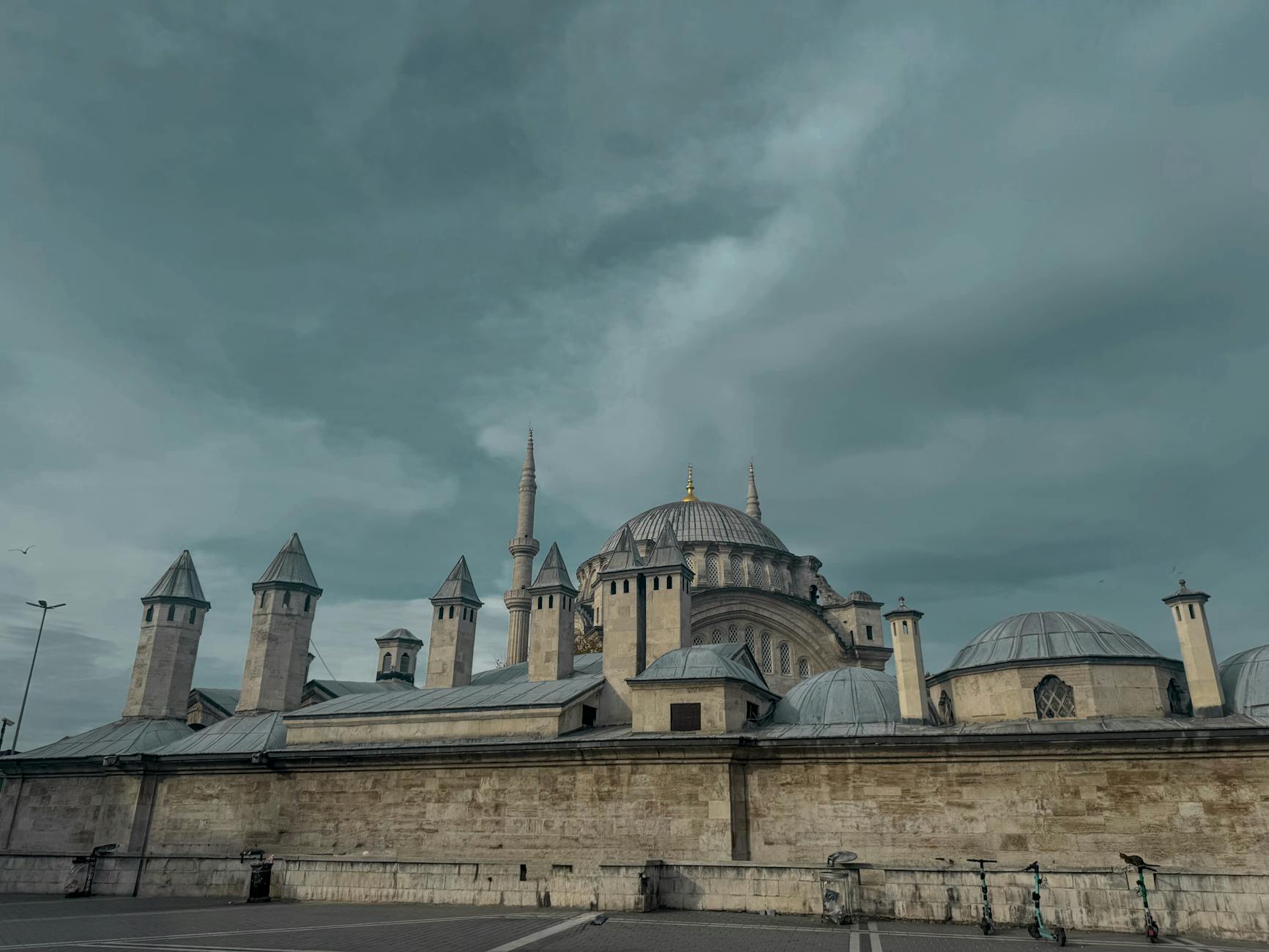
Istanbul, the vibrant capital of Turkey, has become a hotspot for digital nomads seeking a unique blend of rich history, cultural diversity, and modern infrastructure. As a digital nomad destination, Istanbul offers an unparalleled lifestyle that combines affordability, community, and infrastructure, making it an attractive location for remote workers. With its 3,000-year history, Istanbul seamlessly blends Eastern and Western cultures, providing a rich backdrop for exploration and discovery.
The Istanbul nomad scene is thriving, with a growing community of like-minded individuals who share a passion for remote work and exploration. Nomads are drawn to Istanbul’s affordable cost of living, with a 1-bedroom apartment costing around $230 per month and average restaurant meals priced at $2.9. The city’s social and nightlife scene also caters to nomads, with a range of coworking spaces, cafes, and venues that foster a sense of community and connection. However, it’s essential to set realistic expectations, as Istanbul’s digital nomad infrastructure scores 51/100, indicating that while it’s improving, it still has room for growth.
🏘️ Best Neighborhoods
Beyoğlu
Beyoğlu is one of Istanbul’s most popular neighborhoods for digital nomads, offering a vibrant atmosphere, rich history, and modern amenities. The neighborhood is known for its upscale shopping and dining options, as well as its lively nightlife scene. Typical monthly rent for a 1-bedroom apartment in Beyoğlu ranges from $300 to $600, depending on the location and amenities.
Pros: Conveniently located, plenty of coworking spaces, and a wide range of cafes and restaurants. Cons: Can be noisy and crowded, with some areas experiencing high foot traffic.
Karaköy
Karaköy is a trendy neighborhood that has gained popularity among digital nomads in recent years. Its authentic vibe, with old warehouses turned into coworking spaces and trendy bars, makes it an attractive option for those seeking a unique experience. Typical monthly rent for a 1-bedroom apartment in Karaköy ranges from $250 to $500.
Pros: Unique atmosphere, plenty of coworking spaces, and a growing community of nomads. Cons: Can be quite hilly, with some areas experiencing construction-related noise pollution.
Şişli
Şişli is a modern neighborhood located in the heart of Istanbul, offering a range of amenities, including upscale shopping centers, restaurants, and coworking spaces. Typical monthly rent for a 1-bedroom apartment in Şişli ranges from $300 to $700.
Pros: Conveniently located, plenty of coworking spaces, and modern amenities. Cons: Can be quite expensive, with some areas experiencing high foot traffic.
Kadıköy
Kadıköy is a charming neighborhood located on the Asian side of Istanbul, offering a more relaxed atmosphere and a range of waterfront cafes and restaurants. Typical monthly rent for a 1-bedroom apartment in Kadıköy ranges from $200 to $400.
Pros: Charming atmosphere, waterfront views, and a growing community of nomads. Cons: Can be quite hilly, with some areas experiencing limited public transportation options.
Digital Nomad Guide
Coworking Spaces
- Üniversiteler Öðrenci Yurtları: Offers private desks starting from $100 per month and a range of amenities, including high-speed internet and a rooftop cafe.
- Impact Hub Istanbul: Provides private desks starting from $150 per month and a range of amenities, including high-speed internet and a community of entrepreneurs and startups.
- Karaköy Güzel Sanatlar: Offers private desks starting from $120 per month and a range of amenities, including high-speed internet and a rooftop cafe.
Internet Quality
Istanbul’s average internet speed is 13 Mbps, with fiber availability in some areas. Nomads can expect reliable internet connectivity in most coworking spaces and cafes, but may experience occasional outages or slow speeds in certain areas.
Nomad Community Scene
Istanbul has a growing nomad community scene, with popular meetups and events hosted by organizations such as Nomad List and Remote Year. Nomads can connect with like-minded individuals through Facebook groups and online forums.
Best Cafes to Work From
- Karaköy Güzel Sanatlar: Offers a range of coffee options and a relaxed atmosphere, with fast and reliable internet.
- Beyoğlu’s Café: Provides a cozy atmosphere and a range of coffee options, with average internet speeds of 10 Mbps.
- Kadıköy’s Café: Offers a waterfront view and a range of coffee options, with average internet speeds of 5 Mbps.
Visa Options for Remote Workers
Turkey offers a range of visa options for remote workers, including the e-Visa, which can be obtained online and costs $20. Nomads can also apply for a residence permit, which requires a minimum stay of 1 month and costs $100.
Banking and Practical Setup Tips
Nomads can open a Turkish bank account with a minimum deposit of $200 and obtain a Turkish tax number. They can also use online banking services and mobile apps to manage their finances.
🎨 Culture & Vibe
Istanbul is a city that seamlessly blends Eastern and Western cultures, offering a unique cultural experience that is steeped in history and tradition. Nomads can immerse themselves in the local customs and etiquette, try traditional Turkish cuisine, and explore the city’s vibrant arts and cultural scene.
Local Customs and Etiquette
Nomads should respect local customs and etiquette, such as removing their shoes before entering mosques or homes, and using their right hand when eating or giving or receiving something.
Food Scene Highlights
Nomads should try traditional Turkish dishes such as lahmacun, kebabs, and baklava, and explore the city’s vibrant food scene, which offers a range of options from street food to upscale restaurants.
Nightlife and Social Scene
Nomads can experience Istanbul’s vibrant nightlife and social scene, which offers a range of options from rooftop bars to underground clubs. They can also connect with like-minded individuals through meetups and events hosted by organizations such as Nomad List and Remote Year.
Arts and Cultural Attractions
Nomads can explore Istanbul’s vibrant arts and cultural scene, which offers a range of options from museums to galleries to street art. They can also attend cultural events and festivals, such as the Istanbul Music Festival and the Istanbul Film Festival.
⭐ Highlights
- Hagia Sophia: A former Byzantine church and Ottoman mosque, now a museum, that showcases Istanbul’s rich history and cultural heritage.
- Topkapi Palace: A former Ottoman palace that offers a glimpse into the city’s rich history and cultural heritage.
- Blue Mosque: A stunning mosque that showcases Istanbul’s rich history and cultural heritage.
- Grand Bazaar: A bustling marketplace that offers a range of goods from carpets to jewelry to souvenirs.
- Istanbul Modern: A contemporary art museum that showcases the city’s vibrant arts scene.
- Princes’ Islands: A group of islands that offer a relaxing getaway from the hustle and bustle of city life.
- Bosphorus Cruise: A scenic cruise that offers a glimpse into the city’s rich history and cultural heritage.
💡 Practical Tips
Visa Requirements
Nomads can obtain a visa online or at the Turkish embassy, and should ensure they have all the necessary documents, including a valid passport and proof of onward travel.
Getting Around
Nomads can use public transportation, including buses and metro lines, or take taxis and ride-sharing services. They can also use online apps like Uber and Gett to book rides.
Safety Considerations
Nomads should exercise caution when walking alone at night, especially in areas with high foot traffic. They should also be aware of pickpocketing and petty theft, and take necessary precautions to protect their belongings.
Best Time to Visit
Nomads should visit Istanbul during the spring (March to May) or autumn (September to November), when the weather is mild and pleasant. They should avoid visiting during the summer months (June to August), when the city can be very hot and crowded.
Local Tips and Warnings
Nomads should be aware of local customs and etiquette, and respect the city’s rich cultural heritage. They should also be mindful of their belongings and take necessary precautions to protect themselves from pickpocketing and petty theft.
Money Matters
Nomads can use ATMs and credit cards to manage their finances, and should be aware of the local currency, the Turkish lira (TRY). They should also be aware of the tipping culture, which is generally low in Turkey.
Healthcare and Insurance
Nomads should ensure they have adequate health insurance that covers them for medical emergencies and evacuations. They should also be aware of the local healthcare system, which offers a range of options from public hospitals to private clinics.