🌍 Overview
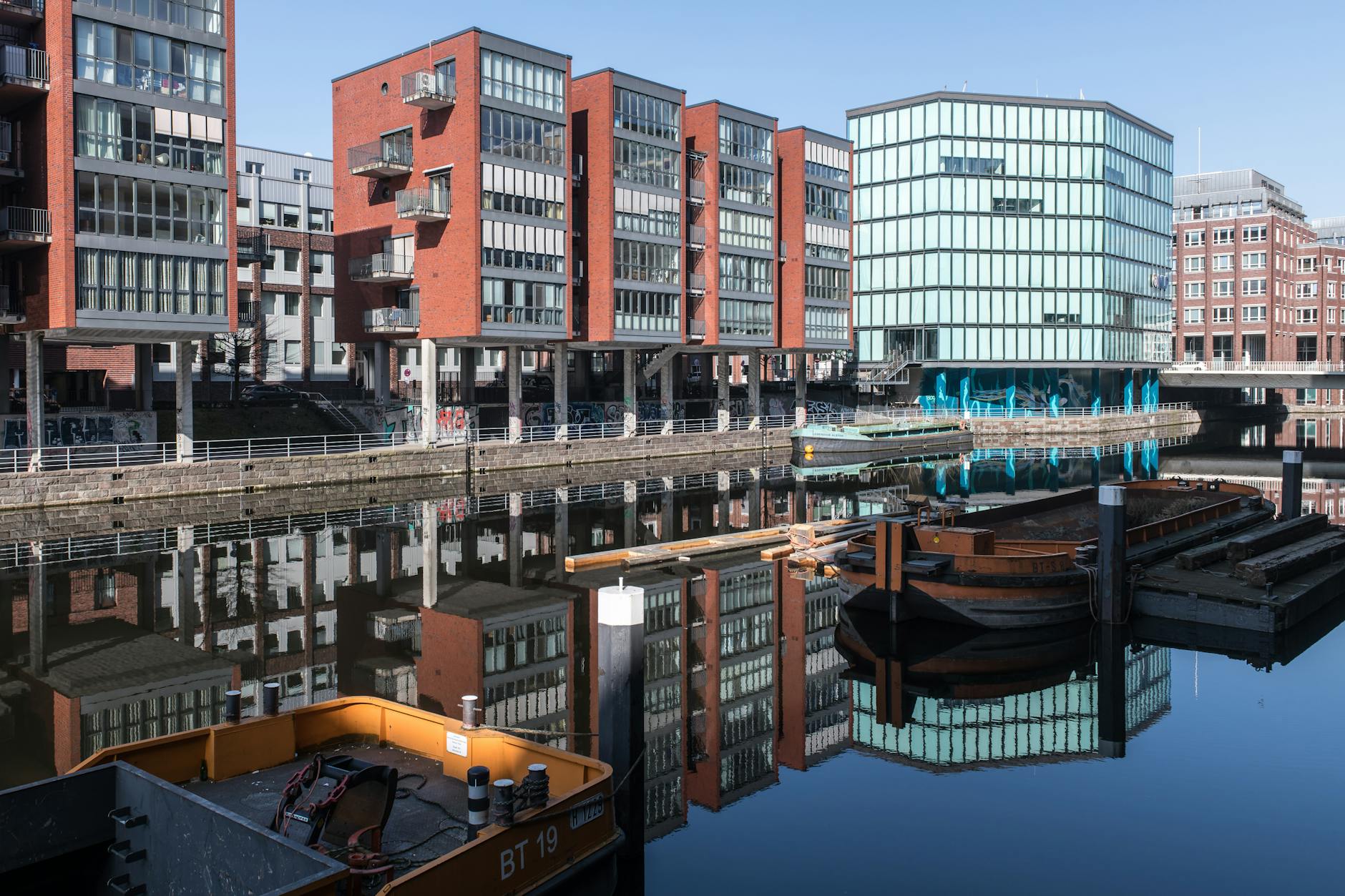
Hamburg, the second-largest city in Germany, has been gaining popularity among digital nomads and remote workers in recent years. As a hub for startups, entrepreneurs, and freelancers, Hamburg offers a unique blend of urban lifestyle, cultural attractions, and a thriving community of like-minded individuals. With its relatively low cost of living, excellent infrastructure, and a growing number of coworking spaces, Hamburg has become an attractive destination for digital nomads looking for a work-life balance in a vibrant and cosmopolitan city.
As a digital nomad destination, Hamburg offers a wide range of benefits, including a strong internet infrastructure, with an average speed of 41 Mbps, and a growing number of coworking spaces, such as betahaus, Hamburg’s first coworking space, which offers flexible membership plans starting from €150/month. The city’s cultural attractions, including the iconic Elbphilharmonie concert hall, the Reeperbahn nightlife district, and the historic Speicherstadt warehouse complex, provide endless opportunities for exploration and entertainment. Additionally, Hamburg’s proximity to the Baltic Sea and its many parks and green spaces make it an ideal location for nature lovers and outdoor enthusiasts.
However, Hamburg also has its downsides, with a relatively low score for digital nomad infrastructure (63/100) and limited access to nature and outdoors (39/100). The city’s social and nightlife scene is decent, but not as vibrant as some other European cities (50/100), and its cultural attractions, while numerous, may not be as extensive as those found in larger cities (40/100). Nevertheless, Hamburg’s unique blend of urban and natural environments, combined with its relatively low cost of living and excellent infrastructure, make it an attractive destination for digital nomads and remote workers.
🏘️ Best Neighborhoods
St. Pauli
St. Pauli is one of Hamburg’s most iconic neighborhoods, known for its vibrant nightlife, eclectic shops, and stunning harbor views. This area is perfect for remote workers who want to be in the heart of the action, with many coworking spaces, cafes, and restaurants to choose from. The typical monthly rent for a one-bedroom apartment in St. Pauli ranges from €800 to €1,200, with a mix of high-end and budget-friendly options available.
Pros: St. Pauli’s energy is infectious, with a constant buzz of activity and a diverse range of people. The neighborhood is also home to many coworking spaces, including the popular betahaus, which offers flexible membership plans starting from €150/month. However, the area can get noisy, especially at night, and may not be suitable for those who prefer a more relaxed atmosphere.
Cons: St. Pauli can be quite expensive, especially when it comes to rent and dining. Additionally, the area can get crowded, especially during peak tourist season.
Notable streets or areas within the neighborhood: Reeperbahn, Spielbudenplatz, and the iconic Elbphilharmonie concert hall.
Eppendorf
Eppendorf is a charming neighborhood located just north of Hamburg’s city center, offering a more laid-back and residential atmosphere. This area is perfect for remote workers who want to be close to the city center but still enjoy a quieter lifestyle. The typical monthly rent for a one-bedroom apartment in Eppendorf ranges from €600 to €1,000, with a mix of high-end and budget-friendly options available.
Pros: Eppendorf is a charming and safe neighborhood, with plenty of parks and green spaces to explore. The area is also home to many cafes and restaurants, including the popular Café Europa, which offers excellent coffee and a relaxed atmosphere. However, the neighborhood may not have as many coworking spaces or networking opportunities as other areas.
Cons: Eppendorf can be quite far from the city center, especially for those without a car. Additionally, the area may not have as many nightlife options as other neighborhoods.
Notable streets or areas within the neighborhood: Eppendorfer Weg, Alsterdamm, and the picturesque Eppendorfer Park.
HafenCity
HafenCity is Hamburg’s newest neighborhood, located on the waterfront and offering stunning harbor views. This area is perfect for remote workers who want to be in a modern and sleek environment, with plenty of coworking spaces and networking opportunities. The typical monthly rent for a one-bedroom apartment in HafenCity ranges from €800 to €1,500, with a mix of high-end and budget-friendly options available.
Pros: HafenCity is a modern and vibrant neighborhood, with plenty of coworking spaces, cafes, and restaurants to choose from. The area is also home to many cultural attractions, including the iconic Elbphilharmonie concert hall. However, the neighborhood can get crowded, especially during peak tourist season.
Cons: HafenCity can be quite expensive, especially when it comes to rent and dining. Additionally, the area can feel a bit sterile, lacking the charm and character of other neighborhoods.
Notable streets or areas within the neighborhood: HafenCity Boulevard, Speicherstadt, and the stunning Elbphilharmonie concert hall.
Altona
Altona is a trendy neighborhood located just south of Hamburg’s city center, offering a mix of old-world charm and modern amenities. This area is perfect for remote workers who want to be close to the city center but still enjoy a more laid-back atmosphere. The typical monthly rent for a one-bedroom apartment in Altona ranges from €600 to €1,200, with a mix of high-end and budget-friendly options available.
Pros: Altona is a charming and safe neighborhood, with plenty of parks and green spaces to explore. The area is also home to many cafes and restaurants, including the popular Café am Alten Bahnhof, which offers excellent coffee and a relaxed atmosphere. However, the neighborhood may not have as many coworking spaces or networking opportunities as other areas.
Cons: Altona can be quite far from the city center, especially for those without a car. Additionally, the area may not have as many nightlife options as other neighborhoods.
Notable streets or areas within the neighborhood: Altonaer Bahnhof, Altonaer Straße, and the picturesque Altonaer Park.
Digital Nomad Guide
Coworking Spaces
Hamburg has a growing number of coworking spaces, offering flexible membership plans and a range of amenities. Some popular options include:
- betahaus: Starting from €150/month, betahaus offers a range of coworking spaces, including private offices and meeting rooms.
- HafenCity Coworking Space: Starting from €200/month, this coworking space offers a modern and sleek environment, with plenty of natural light and stunning harbor views.
- Altona Coworking Space: Starting from €150/month, this coworking space offers a relaxed and laid-back atmosphere, with plenty of cafes and restaurants nearby.
Internet Quality
Hamburg’s internet infrastructure is excellent, with an average speed of 41 Mbps and widespread fiber availability. Many coworking spaces and cafes offer fast and reliable internet, making it easy to stay connected and productive.
Nomad Community Scene
Hamburg’s nomad community is growing, with many events and meetups throughout the year. Some popular spots to connect with other nomads include:
- betahaus: This coworking space hosts regular events and meetups for digital nomads and entrepreneurs.
- Hamburg Nomad Meetup Group: This group hosts regular meetups and events for digital nomads and remote workers.
- HafenCity Coworking Space: This coworking space hosts regular events and meetups for digital nomads and entrepreneurs.
Best Cafes to Work From
Hamburg has many excellent cafes that offer fast and reliable internet, making them perfect for remote work. Some popular options include:
- Café Europa: This cafe offers excellent coffee and a relaxed atmosphere, with plenty of natural light and comfortable seating.
- Café am Alten Bahnhof: This cafe offers excellent coffee and a cozy atmosphere, with plenty of seating and a relaxed vibe.
- HafenCity Café: This cafe offers stunning harbor views and a modern atmosphere, with plenty of seating and fast internet.
Visa Options
Hamburg offers a range of visa options for remote workers, including:
- Germany’s Freelancer Visa: This visa allows self-employed individuals to live and work in Germany for up to 3 months.
- Germany’s Startup Visa: This visa allows entrepreneurs to live and work in Germany for up to 3 months.
- Schengen Visa: This visa allows individuals to live and work in Germany for up to 90 days.
Banking and Practical Setup
Hamburg has many banks and financial institutions that cater to digital nomads and remote workers. Some popular options include:
- Deutsche Bank: This bank offers a range of financial services, including online banking and mobile payments.
- Commerzbank: This bank offers a range of financial services, including online banking and mobile payments.
- Hamburg-based banks: Many local banks in Hamburg offer a range of financial services, including online banking and mobile payments.
🎨 Culture & Vibe
Local Customs and Etiquette
Hamburg has a unique culture and set of customs that visitors should be aware of, including:
- Greetings: Hamburgers typically greet each other with a handshake or a kiss on the cheek, depending on the situation.
- Table manners: Hamburgers typically use their knife and fork to eat, and it’s considered impolite to leave the table until everyone has finished eating.
- Public transportation: Hamburgers use their own public transportation system, which includes buses, trains, and ferries.
Food Scene Highlights
Hamburg has a unique food scene that visitors should experience, including:
- Fischbrötchen: This is a traditional Hamburg dish consisting of a fish sandwich served on a roll.
- Labskaus: This is a traditional Hamburg dish consisting of a potato and corned beef casserole.
- Franzbrötchen: This is a traditional Hamburg pastry consisting of a flaky pastry filled with cinnamon and sugar.
Nightlife and Social Scene
Hamburg has a lively nightlife and social scene that visitors should experience, including:
- Reeperbahn: This is Hamburg’s famous nightlife district, known for its bars, clubs, and live music venues.
- Speicherstadt: This is Hamburg’s historic warehouse district, known for its bars, restaurants, and live music venues.
- Elbphilharmonie: This is Hamburg’s iconic concert hall, known for its stunning architecture and world-class performances.
Arts and Cultural Attractions
Hamburg has a rich cultural scene that visitors should experience, including:
- Elbphilharmonie: This is Hamburg’s iconic concert hall, known for its stunning architecture and world-class performances.
- HafenCity: This is Hamburg’s newest neighborhood, known for its modern architecture and stunning harbor views.
- Speicherstadt: This is Hamburg’s historic warehouse district, known for its bars, restaurants, and live music venues.
⭐ Highlights
- Visit the iconic Elbphilharmonie concert hall for a stunning view of the city and a world-class performance.
- Explore the historic Speicherstadt warehouse complex for a glimpse into Hamburg’s maritime past.
- Take a stroll along the Alster lakes for a relaxing and scenic walk through the city.
- Visit the Reeperbahn nightlife district for a taste of Hamburg’s vibrant nightlife.
- Try a traditional Fischbrötchen at a local fish market for a delicious and authentic experience.
- Explore the trendy neighborhoods of Eppendorf and Altona for a glimpse into Hamburg’s alternative culture.
💡 Practical Tips
Visa Requirements
Hamburg offers a range of visa options for remote workers, including:
- Germany’s Freelancer Visa: This visa allows self-employed individuals to live and work in Germany for up to 3 months.
- Germany’s Startup Visa: This visa allows entrepreneurs to live and work in Germany for up to 3 months.
- Schengen Visa: This visa allows individuals to live and work in Germany for up to 90 days.
Getting Around
Hamburg has a comprehensive public transportation system that includes buses, trains, and ferries. Visitors can purchase a Hamburg Welcome Card for unlimited public transportation and discounts on attractions.
Safety Considerations
Hamburg is generally a safe city, but visitors should be aware of the following safety considerations:
- Pickpocketing: Be aware of pickpocketing in crowded areas and tourist hotspots.
- Traffic: Be aware of traffic in Hamburg, especially at night, and use designated bike lanes and pedestrian crossings.
- Weather: Be aware of Hamburg’s unpredictable weather, including rain and wind.
Best Time to Visit
Hamburg is a year-round destination, but the best time to visit is during the spring and summer months (April to September) for mild weather and long days.
Local Tips and Warnings
- Learn some basic German phrases, such as “Hallo” (hello), “Danke” (thank you), and “Auf Wiedersehen” (goodbye).
- Be respectful of local customs and traditions, especially when visiting historic sites and cultural attractions.
- Try to avoid visiting Hamburg during peak tourist season, as it can get crowded and expensive.
Money Matters
Hamburg has a range of currency exchange services and ATMs, but visitors should be aware of the following money matters:
- The official currency is the Euro.
- Credit cards are widely accepted, but cash is still preferred in some situations.
- Tipping is generally around 5-10%, especially in restaurants and bars.
Healthcare and Insurance
Hamburg has a comprehensive healthcare system, but visitors should be aware of the following healthcare and insurance considerations:
- Visitors from EU countries should have a European Health Insurance Card (EHIC) for free or reduced-cost healthcare.
- Visitors from non-EU countries should purchase private health insurance before arrival.
- Hamburg has many excellent hospitals and medical facilities, including the University Medical Center Hamburg-Eppendorf.