🌍 Overview
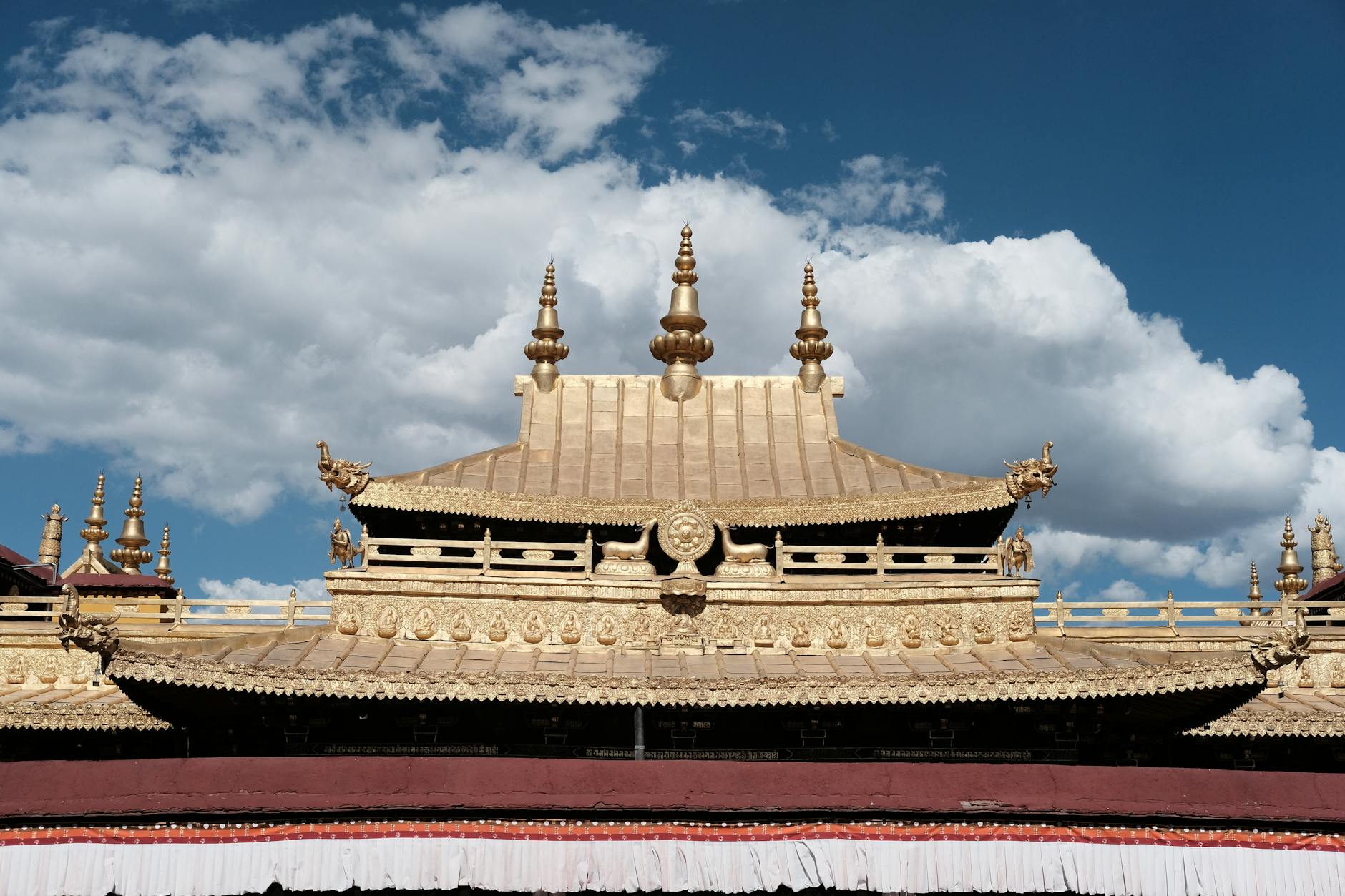
Lhasa, the capital of Tibet Autonomous Region in China, is a city that will leave you breathless - literally. At an altitude of 3,650 meters (11,975 feet), Lhasa is one of the highest cities in the world. As a digital nomad, I can attest that Lhasa is a unique and captivating destination that offers a mix of rich culture, stunning natural beauty, and a growing community of remote workers. The city’s vibrant atmosphere, with its colorful markets, ancient temples, and stunning mountain scenery, makes it an attractive destination for Lhasa digital nomads.
Lhasa’s charm lies in its ability to balance traditional Tibetan culture with modern amenities, making it an ideal location for remote workers who want to experience something new and exciting. The city’s relatively low cost of living, with a monthly rent for a one-bedroom apartment averaging around $575 (approximately 4,000 CNY), is another draw for digital nomads. With its high nomad score of 77/100 and a safety index of 79.04/100, Lhasa is an excellent choice for remote workers looking for a unique and exciting experience.
🏘️ Best Neighborhoods for Digital Nomads
When it comes to choosing a neighborhood to live in Lhasa, there are several options to consider. Here are three areas that are popular with digital nomads:
- Barkhor Street: This historic street is the heart of Lhasa’s old town and is surrounded by traditional Tibetan architecture, shops, and restaurants. It’s a great place to experience the local culture and is within walking distance to many of the city’s main attractions.
- Liuwu New District: This modern neighborhood is located just outside of the old town and offers a range of amenities, including supermarkets, restaurants, and cafes. It’s a popular area for expats and digital nomads, with many apartment options available.
- Nyangrain Neighborhood: This charming neighborhood is located near the famous Jokhang Temple and is known for its narrow streets, traditional Tibetan houses, and vibrant atmosphere. It’s a great place to experience the local way of life and is within walking distance to many of the city’s main attractions.
Each of these neighborhoods has its own unique character and offers a range of accommodation options, from budget-friendly guesthouses to luxury apartments. As a digital nomad, I recommend exploring each area to find the one that best suits your needs and preferences.
Cost of Living Breakdown
The cost of living in Lhasa is relatively low compared to other major cities in China. Here’s a breakdown of some typical expenses:
- Rent: A one-bedroom apartment in the city center can cost around $575 (approximately 4,000 CNY) per month. Outside of the city center, prices can be significantly lower, with apartments available for around $200-300 (approximately 1,500-2,000 CNY) per month.
- Food: Eating out in Lhasa can be very affordable, with a meal at a local restaurant costing around $3-5 (approximately 20-30 CNY). Groceries are also relatively cheap, with a kilogram of rice costing around $0.50 (approximately 3 CNY) and a liter of milk costing around $1.50 (approximately 10 CNY).
- Transportation: Taxis are widely available in Lhasa and are relatively cheap, with a typical fare costing around $2-3 (approximately 15-20 CNY). Buses are also a affordable option, with a single ride costing around $0.20 (approximately 1 CNY).
- Coworking: There are several coworking spaces in Lhasa, with prices ranging from around $50-100 (approximately 350-700 CNY) per month for a hot desk.
Overall, the cost of living in Lhasa is relatively low, making it an attractive destination for digital nomads who want to experience a new culture without breaking the bank.
Internet & Coworking
Internet speeds in Lhasa are relatively fast, with an average speed of 48 Mbps. There are several coworking spaces in the city, including:
- Lhasa Coworking Space: This modern coworking space offers a range of amenities, including high-speed internet, meeting rooms, and a shared kitchen. Prices start at around $50 (approximately 350 CNY) per month for a hot desk.
- Tibetan Coworking Community: This community-driven coworking space offers a range of amenities, including high-speed internet, meeting rooms, and a shared kitchen. Prices start at around $30 (approximately 200 CNY) per month for a hot desk.
There are also several cafes in Lhasa that offer reliable internet and a comfortable working environment. Some popular options include:
- The Coffee Shop: This modern cafe offers high-speed internet and a range of coffee and food options. Prices start at around $2 (approximately 15 CNY) for a cup of coffee.
- Tibetan Tea House: This traditional tea house offers a range of tea and food options, as well as reliable internet. Prices start at around $1 (approximately 10 CNY) for a cup of tea.
Lhasa has a growing community of digital nomads, with several groups and meetups available for remote workers. Some popular options include:
- Lhasa Digital Nomads: This Facebook group is a great place to connect with other digital nomads in Lhasa and find out about upcoming events and meetups.
- Tibetan Expats: This group is a great place to connect with other expats and digital nomads in Lhasa and find out about upcoming events and meetups.
There are also several events and meetups available for digital nomads in Lhasa, including coworking days, language exchange events, and cultural tours.
Culture & Lifestyle
Lhasa is a city with a rich cultural heritage, and as a digital nomad, you’ll have plenty of opportunities to experience the local way of life. Here are a few tips for navigating the local culture:
- Learn some Tibetan phrases: While many locals speak some English, learning a few basic Tibetan phrases can go a long way in showing respect for the local culture.
- Respect local customs: Lhasa is a city with a strong Buddhist tradition, and you should be respectful of local customs and traditions. For example, it’s considered impolite to point with your feet or to touch someone’s head.
- Try the local food: Lhasa is famous for its traditional Tibetan cuisine, which includes dishes such as momos (Tibetan dumplings), thukpa (noodle soup), and tsampa (roasted barley flour). Be sure to try some of the local specialties during your stay.
The dating scene in Lhasa is relatively small, but there are several options available for meeting new people. Some popular options include:
- Tibetan Expats: This group is a great place to connect with other expats and digital nomads in Lhasa and find out about upcoming events and meetups.
- Lhasa Social Club: This social club is a great place to meet new people and attend events and activities.
Lhasa’s nightlife is relatively low-key, but there are several bars and clubs available for those who want to go out and have a good time. Some popular options include:
- The Tibetan Bar: This traditional bar offers a range of drinks and live music, and is a great place to meet locals and expats.
- The Lhasa Club: This modern club offers a range of drinks and live music, and is a popular spot for digital nomads and expats.
As a digital nomad, you’ll need to obtain a visa to enter China. The most common type of visa for digital nomads is the L-visa, which is a tourist visa that allows you to stay in China for up to 30 days. You can apply for an L-visa at a Chinese embassy or consulate in your home country, or you can use a visa service to help you with the application process.
There is no specific digital nomad visa available for China, but you can apply for a Z-visa if you have a job offer from a Chinese company. The Z-visa allows you to work in China for a specific period of time, and you’ll need to meet certain requirements, such as having a bachelor’s degree and at least two years of work experience.
💡 Practical Tips
Here are a few practical tips for digital nomads in Lhasa:
- Get a SIM card: A SIM card is essential for staying connected in Lhasa, and you can purchase one at the airport or at a local phone store. Prices start at around $10 (approximately 70 CNY) for a prepaid SIM card with 1GB of data.
- Learn about the weather: Lhasa has a high-altitude climate, with low oxygen levels and extreme temperature fluctuations. Be sure to pack warm clothing and to stay hydrated, especially during the winter months.
- Respect the local environment: Lhasa is a city with a fragile ecosystem, and you should be respectful of the local environment. Avoid littering, and try to reduce your use of plastic and other non-biodegradable materials.