🌍 Overview
As a seasoned digital nomad, I’ve had the privilege of calling Harbin, China, my home for several months. This vibrant city in the northeastern part of the country has a unique charm that draws remote workers from all over the world. With a rich history, stunning winter landscapes, and a thriving cultural scene, Harbin is an excellent choice for digital nomads looking for a new adventure. The city’s affordability, with a monthly rent for a one-bedroom apartment averaging ¥1,500 (approximately $230 USD), makes it an attractive option for those on a budget.
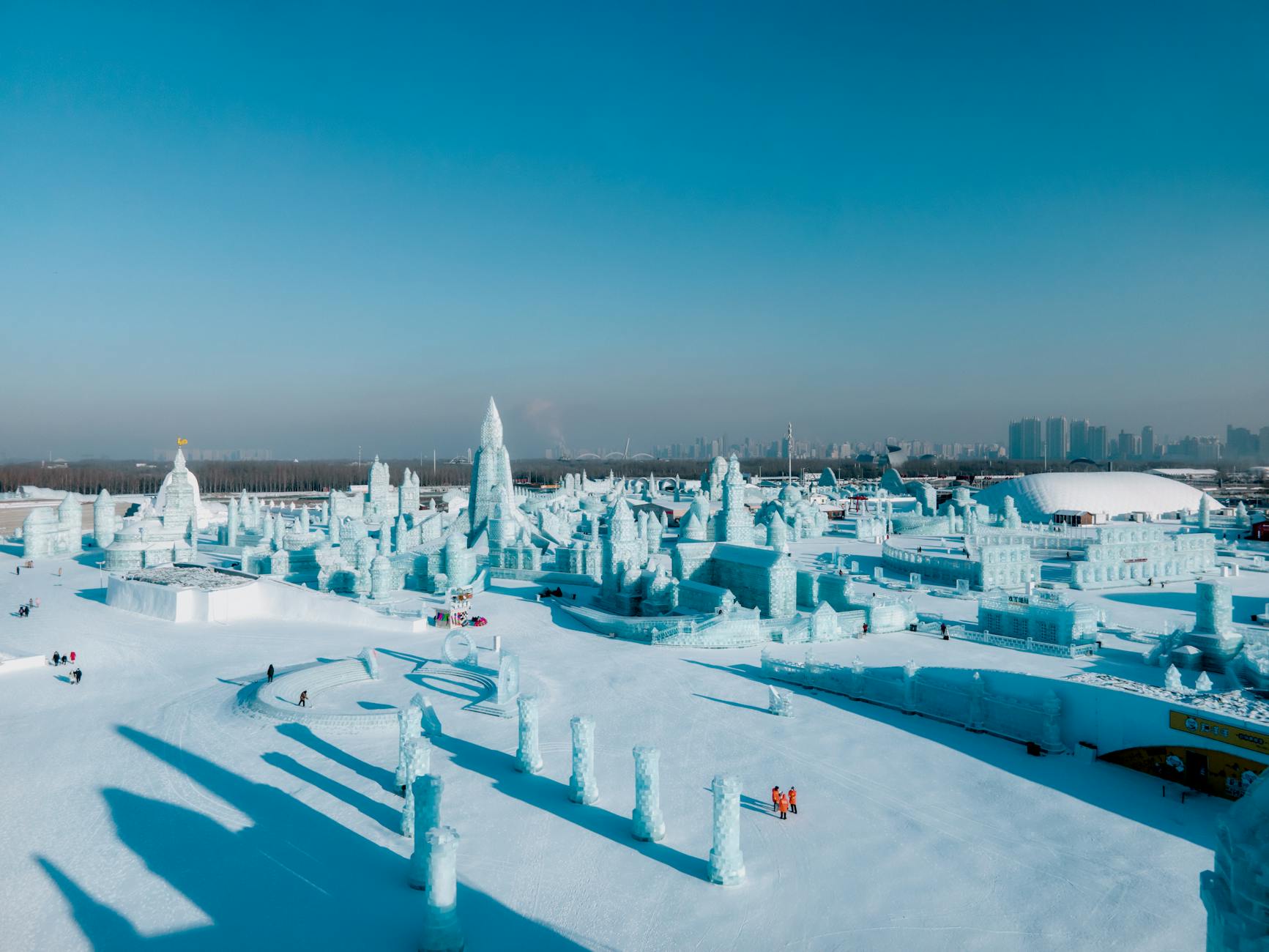
Harbin’s winter season, which typically lasts from December to February, is a major draw for digital nomads who enjoy skiing and snowboarding. The city is home to several world-class ski resorts, including the Yabuli Ski Resort, which hosted the 1996 Winter Asian Games. Even if you’re not a fan of winter sports, the city’s picturesque snow-covered landscapes and festive atmosphere make it a great place to experience a traditional Chinese winter.
🏘️ Best Neighborhoods for Digital Nomads
When it comes to choosing a neighborhood to live in Harbin, digital nomads have several options to consider. Here are three areas that are popular among remote workers:
- Daoli District: This central neighborhood is known for its historic architecture, lively streets, and vibrant nightlife. Daoli is home to many cafes, restaurants, and bars, making it an excellent choice for digital nomads who want to be in the heart of the action. Rent for a one-bedroom apartment in Daoli typically ranges from ¥1,200 to ¥1,800 (approximately $180 to $270 USD) per month.
- Nangang District: Located just north of Daoli, Nangang is a more residential neighborhood that offers a mix of old and new buildings. This area is popular among locals and expats alike, with plenty of amenities, including supermarkets, restaurants, and parks. Rent for a one-bedroom apartment in Nangang typically ranges from ¥1,000 to ¥1,500 (approximately $150 to $230 USD) per month.
- Xiangfang District: This up-and-coming neighborhood is located just west of the city center and is known for its modern amenities and relatively low rent prices. Xiangfang is home to several universities, making it a great option for digital nomads who want to be part of a lively student community. Rent for a one-bedroom apartment in Xiangfang typically ranges from ¥800 to ¥1,200 (approximately $120 to $180 USD) per month.
Cost of Living Breakdown
The cost of living in Harbin is relatively low compared to other major cities in China. Here’s a breakdown of typical expenses for digital nomads:
- Rent: As mentioned earlier, the average monthly rent for a one-bedroom apartment is ¥1,500 (approximately $230 USD).
- Food: Eating out in Harbin can be very affordable, with a meal at a local restaurant costing around ¥20 to ¥50 (approximately $3 to $7 USD) per person. Groceries are also relatively cheap, with a basket of basic items (rice, vegetables, meat, etc.) costing around ¥50 to ¥100 (approximately $7 to $15 USD) per week.
- Transportation: Harbin has a comprehensive public transportation system, including buses and taxis. A single bus ride costs ¥2 (approximately $0.30 USD), while a taxi ride typically costs around ¥10 to ¥20 (approximately $1.50 to $3 USD).
- Coworking: There are several coworking spaces in Harbin, with prices ranging from ¥500 to ¥2,000 (approximately $75 to $300 USD) per month, depending on the amenities and services offered.
Internet & Coworking
Harbin’s internet speed is relatively fast, with an average speed of 49 Mbps. There are several coworking spaces and cafes throughout the city that offer reliable internet and a productive work environment. Some popular options include:
- Harbin Coworking Space: Located in the heart of Daoli District, this coworking space offers a range of amenities, including high-speed internet, meeting rooms, and a communal kitchen. Prices start at ¥500 (approximately $75 USD) per month.
- The Coffee Bean: This popular cafe chain has several locations throughout Harbin and offers fast and reliable internet, as well as a comfortable work environment. Prices for coffee and food are around ¥20 to ¥50 (approximately $3 to $7 USD) per person.
Harbin has a growing digital nomad community, with several meetups and events organized throughout the year. Some popular groups and events include:
- Harbin Digital Nomads: This Facebook group is a great resource for connecting with other remote workers in the city and finding out about upcoming events and meetups.
- Harbin Expats: This group is geared towards expats living in Harbin, but also includes many digital nomads. It’s a great resource for finding out about local events and activities.
Culture & Lifestyle
Harbin is a city with a rich cultural heritage, and there’s always something to do or see. Some popular activities and events include:
- Harbin Ice and Snow Festival: This annual festival, which takes place from December to February, features stunning ice and snow sculptures, as well as live music and performances.
- Harbin Food Festival: This festival, which takes place in the summer, celebrates the city’s culinary delights, with plenty of food stalls and live cooking demonstrations.
- Dating: Harbin is a great city for meeting new people, with a lively social scene and plenty of opportunities to connect with locals and expats alike. Popular dating apps include Tinder and WeChat.
As a digital nomad, you’ll need to obtain a tourist visa to enter China. The process can be complex, but it’s generally straightforward. Here are the basic requirements:
- Tourist visa: You can apply for a tourist visa at a Chinese embassy or consulate in your home country. The process typically takes around 3-5 working days, and the cost is around $30 to $60 USD, depending on your nationality.
- Digital nomad visa: China does not currently offer a specific digital nomad visa, but you can apply for a business visa or a work visa if you have a job offer from a Chinese company.
💡 Practical Tips
Here are some practical tips for living and working in Harbin as a digital nomad:
- SIM cards: You can purchase a SIM card at the airport or at a local telecom store. Prices start at around ¥100 (approximately $15 USD) per month for a basic plan.
- Transportation: Harbin has a comprehensive public transportation system, including buses and taxis. You can also use ride-hailing apps like Didi Chuxing.
- Safety: Harbin is generally a safe city, but as with any city, you should take normal precautions to protect yourself and your belongings. Avoid walking alone in dimly lit areas at night, and keep an eye on your belongings in crowded areas.
- Weather: Harbin has a continental climate, with cold winters and warm summers. Be sure to pack accordingly, and don’t forget to bring warm clothing for the winter months.