🌍 Overview
Miami, the Magic City, is a melting pot of cultures, beaches, and nightlife, making it an attractive destination for digital nomads. As a Miami digital nomad myself, I can attest that the city’s vibrant energy is infectious. With its rich cultural scene, stunning beaches, and a thriving food scene, it’s no wonder why many remote workers flock to Miami. The city’s Nomad Score of 55/100 might not be the highest, but its unique blend of Caribbean and Latin American influences, combined with its American charm, makes it an exciting place to live and work. Whether you’re looking to soak up the sun on South Beach, explore the Wynwood art scene, or enjoy the city’s renowned nightlife, Miami has something for everyone.
🏘️ Best Neighborhoods for Digital Nomads
When it comes to choosing a neighborhood in Miami, digital nomads have a variety of options to suit their lifestyle and budget. Here are three neighborhoods that stand out:
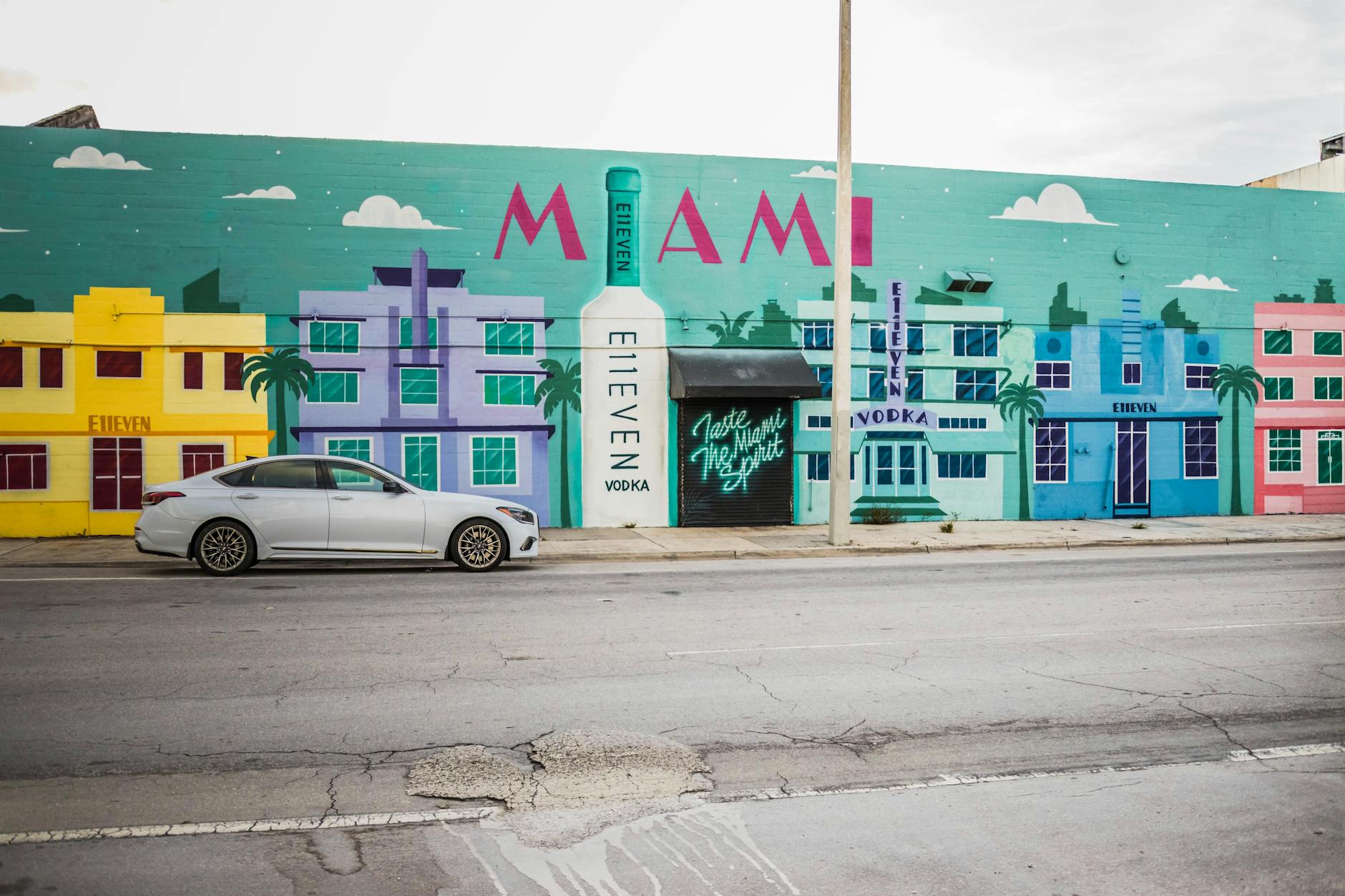
- Wynwood: This artsy neighborhood is a hub for creatives, with its vibrant street art, trendy cafes, and boutique shops. Rent for a one-bedroom apartment in Wynwood averages around $2,500 per month (approximately $2,500 USD). The area is also home to several coworking spaces, including The Lab and WeWork.
- Coconut Grove: This charming coastal neighborhood offers a more relaxed atmosphere, with its beautiful marina, parks, and beaches. A one-bedroom apartment in Coconut Grove can cost around $2,000 per month (approximately $2,000 USD). The area is also home to several cafes and restaurants, including the popular Greenstreet Cafe.
- Little Havana: For a more immersive cultural experience, Little Havana is a great option. This vibrant neighborhood is known for its Cuban cuisine, coffee shops, and lively nightlife. Rent for a one-bedroom apartment in Little Havana averages around $1,800 per month (approximately $1,800 USD). The area is also home to several coworking spaces, including the Little Havana Coworking Space.
Cost of Living Breakdown
The cost of living in Miami can vary depending on your lifestyle and preferences. Here’s a breakdown of some typical expenses:
- Rent: As mentioned earlier, the average rent for a one-bedroom apartment in Miami is around $2,109 per month (approximately $2,109 USD).
- Food: Eating out in Miami can range from $15 to $30 per meal (approximately $15-$30 USD). Groceries can cost around $50 to $75 per week (approximately $50-$75 USD) for basic items.
- Transportation: A monthly public transportation pass costs around $100 (approximately $100 USD). Ride-hailing services like Uber and Lyft are also widely available, with prices starting from around $10 (approximately $10 USD) for a short ride.
- Coworking: Coworking spaces in Miami can cost around $200 to $500 per month (approximately $200-$500 USD) for a hot desk or dedicated desk.
Internet & Coworking
Miami has a relatively fast internet speed of 43 Mbps, making it suitable for remote work. There are several coworking spaces and cafes throughout the city that offer reliable internet and a productive atmosphere. Some popular options include:
- WeWork: With several locations throughout Miami, WeWork offers a range of coworking spaces and amenities, including high-speed internet, meeting rooms, and networking events.
- The Lab: Located in Wynwood, The Lab is a trendy coworking space that offers a collaborative atmosphere, high-speed internet, and access to networking events.
- Cafe Demetria: This cozy cafe in Coconut Grove offers a relaxed atmosphere, high-speed internet, and a range of coffee and food options.
Miami has a thriving digital nomad community, with several meetups and events throughout the year. Some popular groups include:
- Miami Digital Nomads: This Facebook group has over 1,000 members and hosts regular meetups and events for digital nomads.
- Remote Workers Miami: This group meets monthly for coworking sessions and social events.
- Nomad List Miami: This online community provides a wealth of information and resources for digital nomads in Miami, including tips on finding accommodation, coworking spaces, and social events.
Culture & Lifestyle
Miami is a city that’s deeply rooted in its cultural heritage, with a unique blend of Caribbean, Latin American, and American influences. As a digital nomad, you’ll have access to a wide range of cultural events, festivals, and activities, including:
- Food scene: Miami is renowned for its diverse food scene, with a range of cuisines to suit every taste and budget. Be sure to try some of the city’s famous Cuban cuisine, including sandwiches, coffee, and pastries.
- Nightlife: Miami’s nightlife scene is legendary, with a range of bars, clubs, and lounges to choose from. Some popular spots include South Beach, Wynwood, and the Design District.
- Dating: Miami is a great city for singles, with a range of dating apps and social events to choose from. Be sure to check out some of the city’s popular dating spots, including the beach, parks, and coffee shops.
As a digital nomad, you’ll typically need a tourist visa to enter the United States. The visa requirements and application process can vary depending on your nationality, so be sure to check with the US embassy or consulate in your home country for more information. There is currently no specific digital nomad visa available for the United States, but some cities, including Miami, are exploring options for remote worker visas.
💡 Practical Tips
Here are some practical tips for digital nomads in Miami:
- SIM cards: You can purchase a SIM card from a range of providers, including AT&T, T-Mobile, and Verizon. Prices start from around $30 per month (approximately $30 USD) for a basic plan.
- Transportation: Miami has a comprehensive public transportation system, including buses and trains. You can also use ride-hailing services like Uber and Lyft.
- Safety: Miami is generally a safe city, but as with any major city, it’s always a good idea to take precautions, especially at night. Be sure to avoid walking alone in dimly lit areas and keep an eye on your belongings.
- Weather: Miami has a subtropical climate, with hot and humid summers and mild winters. Be sure to pack accordingly, with light clothing and sunscreen for the summer months.