🌍 Overview
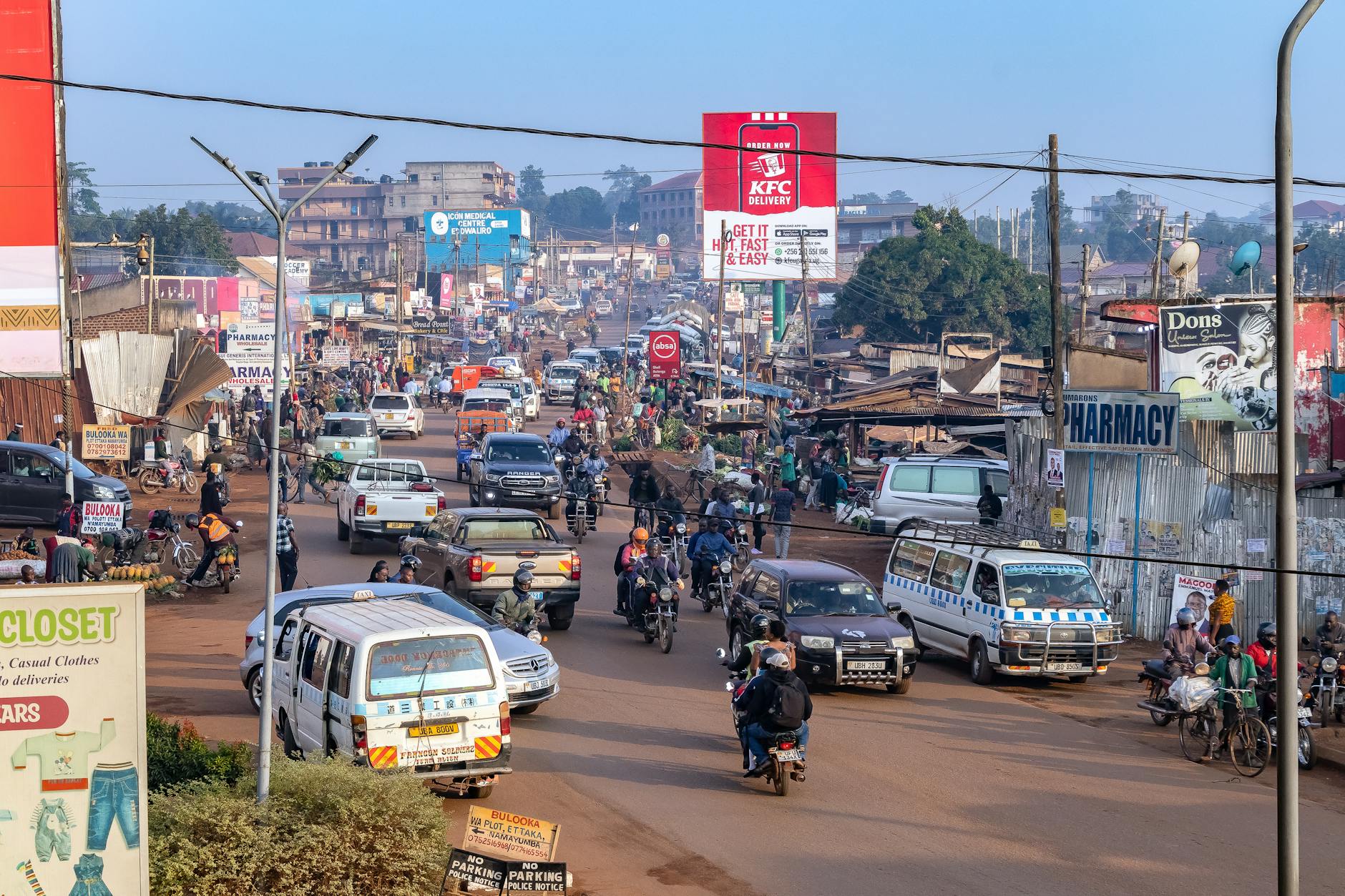
As a digital nomad, I’ve had the pleasure of calling Kampala, Uganda home for several months, and I can confidently say that it’s a hidden gem for remote workers. The city has a vibrant energy, with a mix of traditional and modern culture that’s hard to find elsewhere. Kampala digital nomads love the city’s laid-back atmosphere, stunning natural beauty, and the opportunity to experience the local way of life. From hiking to the top of Namirembe Hill to exploring the bustling streets of Owino Market, there’s always something to do in Kampala. With a nominal cost of living in Kampala, it’s an attractive destination for those looking to stretch their budget.
One of the things that drew me to Kampala was the sense of community. As a digital nomad, it can be tough to find like-minded individuals, but Kampala has a growing expat community, with many coworking spaces and social events to connect with others. The city’s culture score of 70/100 is a testament to its rich history and heritage, with numerous museums, galleries, and cultural festivals throughout the year. Whether you’re interested in history, food, nature, or adventure, Kampala has something to offer.
🏘️ Best Neighborhoods for Digital Nomads
When it comes to finding a place to stay in Kampala, there are several neighborhoods that are popular among digital nomads. Here are a few of my favorites:
- Kololo: This upscale neighborhood is known for its beautiful homes, trendy bars, and restaurants. It’s a great place to stay if you want to be close to the action, but still have a relaxed atmosphere. Rent for a one-bedroom apartment in Kololo can range from 800,000 to 1,200,000 UGX ($220-$330 USD) per month.
- Kamwokya: This neighborhood is a bit more laid-back than Kololo, but still has a great selection of restaurants and bars. It’s also close to the city center, making it easy to get around. Rent for a one-bedroom apartment in Kamwokya can range from 600,000 to 1,000,000 UGX ($165-$275 USD) per month.
- Muyenga: This neighborhood is a bit further out from the city center, but it’s a great place to stay if you want to be close to nature. Muyenga is surrounded by beautiful hills and forests, and has a more relaxed atmosphere than some of the other neighborhoods. Rent for a one-bedroom apartment in Muyenga can range from 500,000 to 900,000 UGX ($140-$250 USD) per month.
Cost of Living Breakdown
One of the best things about Kampala is the low cost of living. Here’s a breakdown of what you can expect to pay for some common expenses:
- Rent: As mentioned earlier, rent for a one-bedroom apartment can range from 500,000 to 1,200,000 UGX ($140-$330 USD) per month, depending on the neighborhood and amenities.
- Food: Eating out in Kampala can be very affordable, with a meal at a local restaurant costing around 10,000 to 20,000 UGX ($2.75-$5.50 USD). Groceries are also relatively cheap, with a kilogram of rice costing around 2,500 UGX ($0.70 USD) and a liter of milk costing around 1,500 UGX ($0.40 USD).
- Transportation: Public transportation in Kampala is very affordable, with a ride on a matatu (minibus) costing around 1,000 to 2,000 UGX ($0.25-$0.50 USD). You can also hire a boda boda (motorcycle taxi) for around 5,000 to 10,000 UGX ($1.40-$2.75 USD) for a short ride.
- Coworking: There are several coworking spaces in Kampala, with prices ranging from 50,000 to 200,000 UGX ($14-$55 USD) per month, depending on the amenities and services offered.
Internet & Coworking
Kampala has a relatively fast internet speed of 45 Mbps, making it easy to stay connected and get work done. There are also several coworking spaces and cafes with good internet, including:
- The Hub: This coworking space in Kamwokya offers fast internet, comfortable seating, and a relaxed atmosphere. Membership costs around 100,000 UGX ($28 USD) per month.
- Kampala Coworking: This coworking space in Kololo offers a range of amenities, including fast internet, meeting rooms, and a kitchen. Membership costs around 150,000 UGX ($42 USD) per month.
- Endiro Coffee: This cafe in Kamwokya has fast internet and a relaxed atmosphere, making it a great place to work or meet with clients. Coffee costs around 5,000 to 10,000 UGX ($1.40-$2.75 USD) per cup.
Kampala has a growing digital nomad community, with many events and meetups for remote workers. Some popular groups include:
- Kampala Digital Nomads: This Facebook group has over 1,000 members and is a great place to connect with other digital nomads, find out about events and meetups, and get advice on living and working in Kampala.
- Kampala Expats: This Facebook group is for expats and digital nomads living in Kampala, and has a range of discussions and events on everything from housing to social activities.
Culture & Lifestyle
Kampala is a city with a rich cultural heritage, and there’s always something to do or see. Some popular activities include:
- Visiting the Ndere Cultural Centre: This cultural center in Kampala offers a range of activities, including traditional dancing, drumming, and craft-making.
- Exploring the Owino Market: This bustling market in Kampala is a great place to find traditional crafts, clothing, and souvenirs.
- Trying local cuisine: Ugandan food is delicious and varied, with popular dishes including matooke (steamed or boiled green bananas), chapati (flatbread), and Rolex (a rolled chapati filled with eggs, vegetables, and sometimes meat).
As a digital nomad, you’ll need to obtain a visa to enter Uganda. The most common type of visa for digital nomads is the East African Tourist Visa, which costs around $100 USD and is valid for 90 days. You can apply for this visa online or at the Ugandan embassy in your home country.
💡 Practical Tips
Here are a few practical tips for living and working in Kampala:
- Get a local SIM card: A local SIM card will make it easy to stay connected and navigate the city. You can buy a SIM card at most phone shops or markets, and it will cost around 10,000 to 20,000 UGX ($2.75-$5.50 USD).
- Use public transportation: Public transportation in Kampala is affordable and convenient, with many matatus and boda bodas available.
- Be prepared for power outages: Power outages are common in Kampala, so it’s a good idea to have a backup plan, such as a portable power bank or a generator.
- Respect local customs: Uganda is a conservative country, so it’s a good idea to dress modestly and respect local customs, especially when visiting churches or mosques.