🌍 Overview
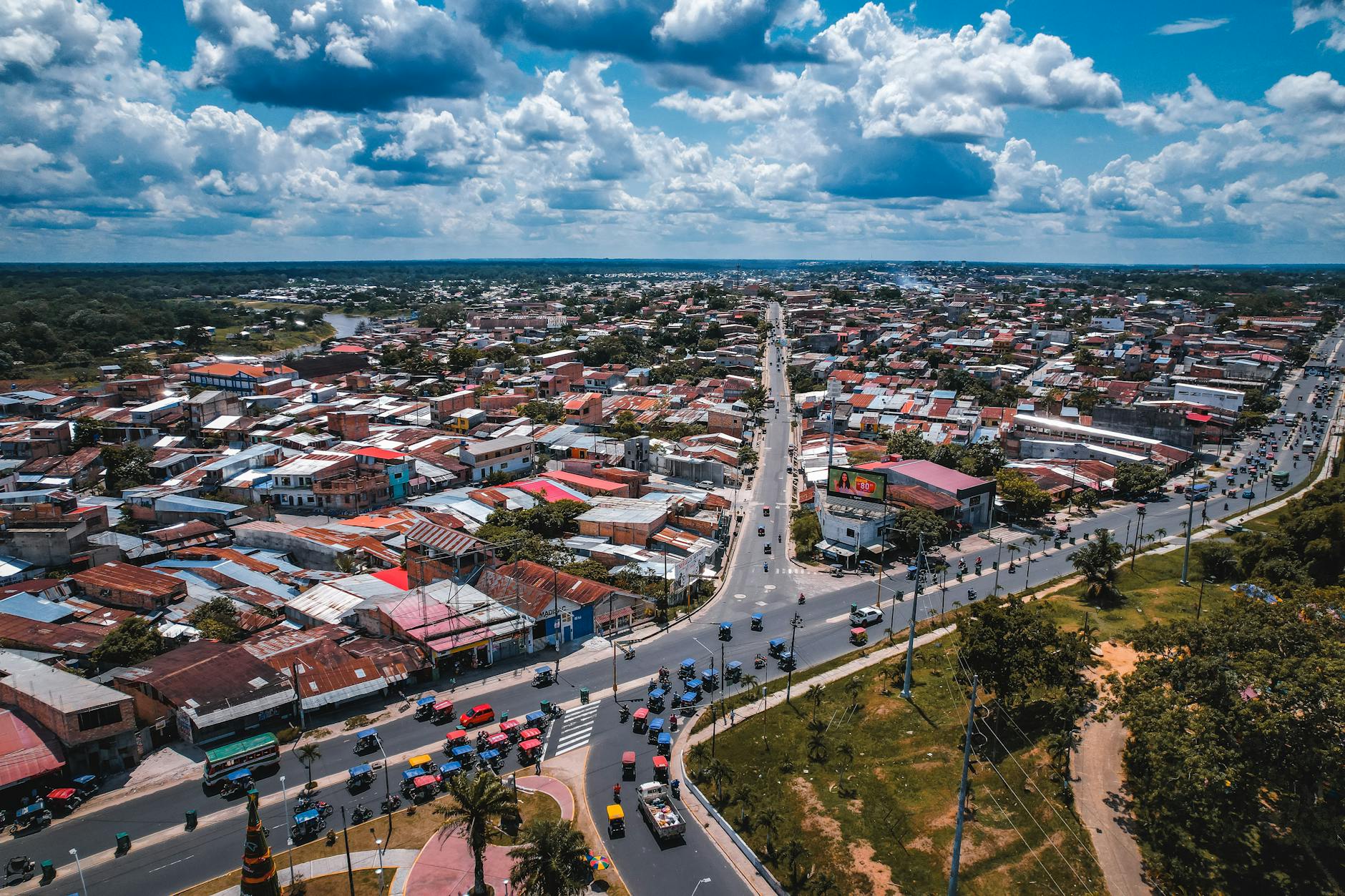
Nuwara Eliya, a city nestled in the central highlands of Sri Lanka, is a hidden gem for digital nomads. With its picturesque landscapes, mild climate, and rich cultural heritage, it’s no wonder why many remote workers flock to this charming town. As a digital nomad who has called Nuwara Eliya home, I can attest to its unique blend of natural beauty, history, and modern amenities. The city’s vibe is laid-back and welcoming, making it an ideal destination for those seeking a peaceful and productive work environment. With an average internet speed of 48 Mbps, Nuwara Eliya is well-equipped to support the needs of remote workers, earning it a nomad score of 72/100.
🏘️ Best Neighborhoods for Digital Nomads
When it comes to choosing a neighborhood in Nuwara Eliya, digital nomads have several options to consider. Here are three areas that stand out for their character and amenities:
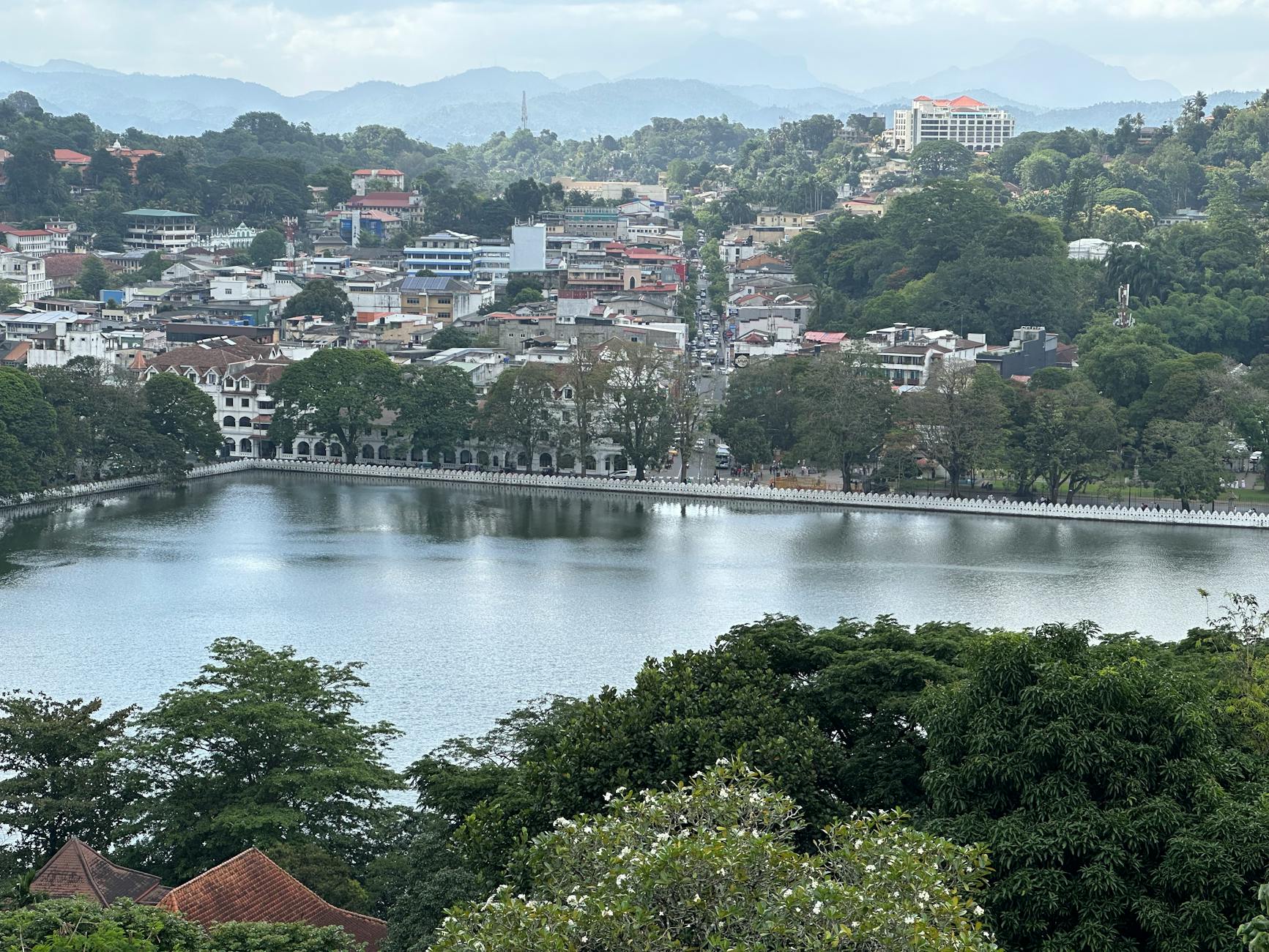
- Lake Gregory: This picturesque area surrounds a beautiful lake and offers stunning views of the surrounding hills. It’s a popular spot for walking and cycling, and there are several cafes and restaurants nearby. Rent for a one-bedroom apartment in Lake Gregory can range from LKR 30,000 to LKR 50,000 (approximately $165-$275 USD) per month.
- Nuwara Eliya Town: The city center is bustling with activity, featuring a mix of colonial-era architecture, modern shops, and traditional markets. Digital nomads can find a range of accommodation options, from budget-friendly guesthouses to luxury hotels. A one-bedroom apartment in the town center can cost between LKR 20,000 to LKR 40,000 (approximately $110-$220 USD) per month.
- Kandy Road: This area is located just outside the city center and offers a more laid-back atmosphere. It’s close to several parks and nature reserves, making it an ideal spot for those who love the outdoors. Rent for a one-bedroom apartment on Kandy Road can range from LKR 25,000 to LKR 45,000 (approximately $140-$250 USD) per month.
Cost of Living Breakdown
The cost of living in Nuwara Eliya is relatively low compared to other popular digital nomad destinations. Here’s a breakdown of typical expenses:
- Rent: LKR 20,000 to LKR 50,000 (approximately $110-$275 USD) per month for a one-bedroom apartment
- Food: LKR 500 to LKR 1,000 (approximately $2.75-$5.50 USD) per meal at a local restaurant, LKR 100 to LKR 300 (approximately $0.55-$1.65 USD) for basic groceries
- Transport: LKR 100 to LKR 300 (approximately $0.55-$1.65 USD) for a local bus ride, LKR 1,500 to LKR 3,000 (approximately $8.25-$16.50 USD) per day for a scooter rental
- Coworking: LKR 500 to LKR 1,500 (approximately $2.75-$8.25 USD) per day, LKR 10,000 to LKR 30,000 (approximately $55-$165 USD) per month for a membership
Internet & Coworking
Nuwara Eliya has a growing number of coworking spaces and cafes with reliable internet. Some popular options include:
- Hill City Coworking: Located in the heart of the city, this coworking space offers high-speed internet, comfortable workspaces, and a community of like-minded professionals. Membership plans start at LKR 10,000 (approximately $55 USD) per month.
- The Coffee Shop: This cozy cafe on Kandy Road serves excellent coffee and has a fast internet connection, making it a popular spot for digital nomads to work and socialize.
- Nuwara Eliya Library: This public library offers free internet access and a quiet workspace, making it an excellent option for those on a budget.
While Nuwara Eliya’s digital nomad community is still growing, there are several ways to connect with like-minded individuals:
- Nuwara Eliya Digital Nomads: This Facebook group has over 500 members and is a great resource for finding accommodation, coworking spaces, and social events.
- Expats in Nuwara Eliya: This group is geared towards expats and digital nomads, hosting regular meetups and events.
- Nuwara Eliya Startup Weekend: This annual event brings together entrepreneurs, developers, and designers to work on innovative projects and network with the local startup community.
Culture & Lifestyle
Nuwara Eliya is a city steeped in culture and history, with a unique blend of Sri Lankan and British influences. Digital nomads can experience the local way of life by:
- Trying traditional cuisine: Be sure to try some of the local specialties, such as string hoppers, pittu, and lamprais. A meal at a local restaurant can cost between LKR 500 to LKR 1,000 (approximately $2.75-$5.50 USD).
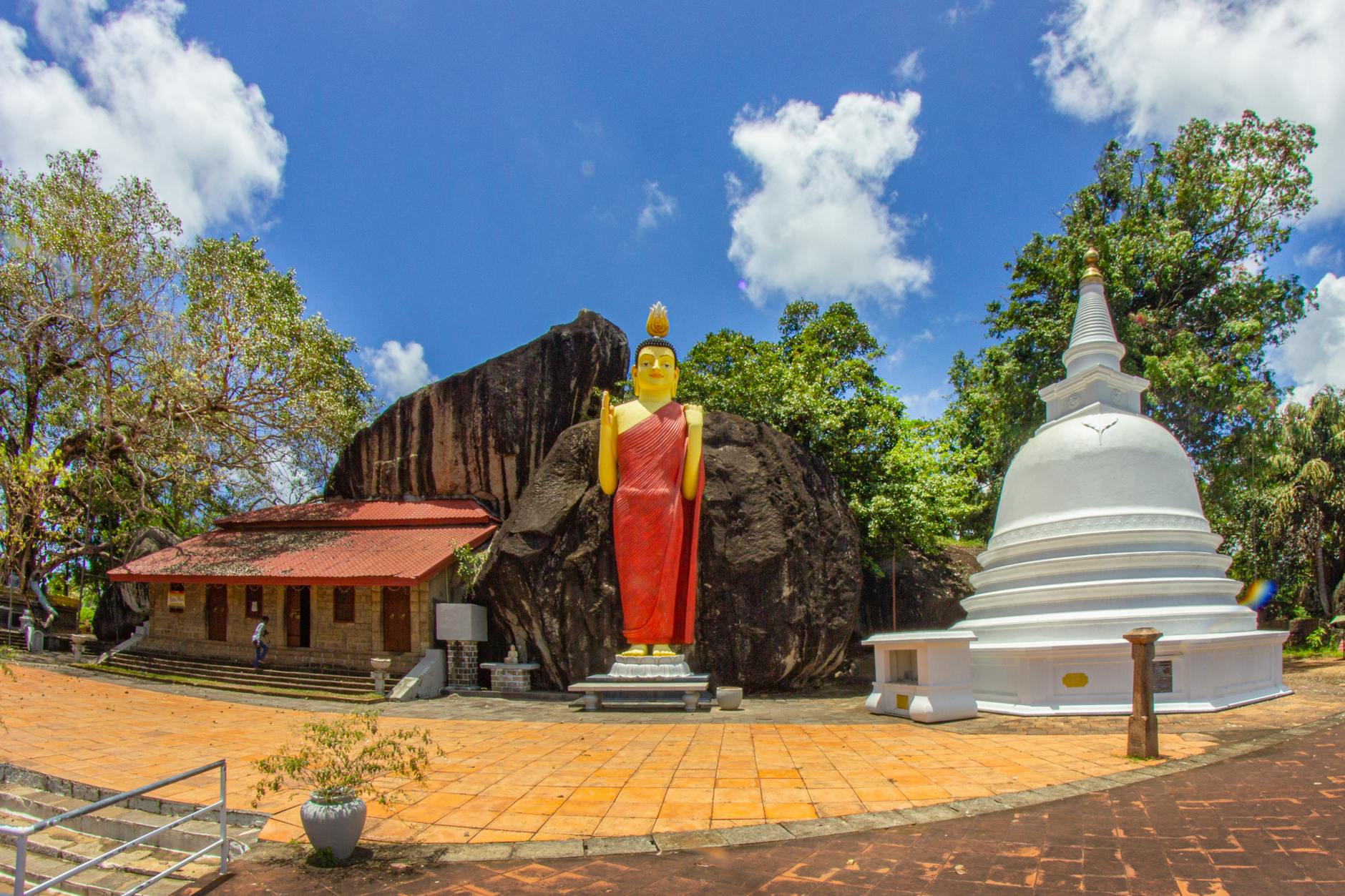
- Visiting cultural landmarks: The city is home to several historical sites, including the Nuwara Eliya Post Office, the Grand Hotel, and the Holy Trinity Church.
- Participating in local festivals: Nuwara Eliya hosts several festivals throughout the year, including the Nuwara Eliya Festival, which celebrates the city’s history and culture.
- Dating and nightlife: While Nuwara Eliya’s nightlife is relatively quiet, there are a few bars and clubs that cater to tourists and expats. The city also hosts several social events and meetups, making it easy to meet new people.
Sri Lanka offers a range of visa options for digital nomads, including:
- Tourist Visa: Valid for 30 days, this visa can be extended for an additional 150 days. The cost is LKR 4,000 (approximately $22 USD) for a single entry.
- Residence Visa: This visa is designed for expats and digital nomads who plan to stay in Sri Lanka for an extended period. The cost is LKR 10,000 (approximately $55 USD) per year.
💡 Practical Tips
Here are some insider tips for digital nomads in Nuwara Eliya:
- Get a local SIM card: Dialog and Mobitel are two popular mobile operators that offer affordable data plans. A SIM card can cost between LKR 500 to LKR 1,000 (approximately $2.75-$5.50 USD).
- Rent a scooter: Nuwara Eliya is a small city, and renting a scooter is an excellent way to get around. Daily rentals can cost between LKR 1,500 to LKR 3,000 (approximately $8.25-$16.50 USD).
- Be prepared for the weather: Nuwara Eliya has a mild climate, but it can get chilly in the evenings. Be sure to pack warm clothing, especially during the winter months.
- Respect local customs: Sri Lanka is a conservative country, and digital nomads should respect local customs and traditions. Dress modestly, especially when visiting temples or cultural sites.