🌍 Overview
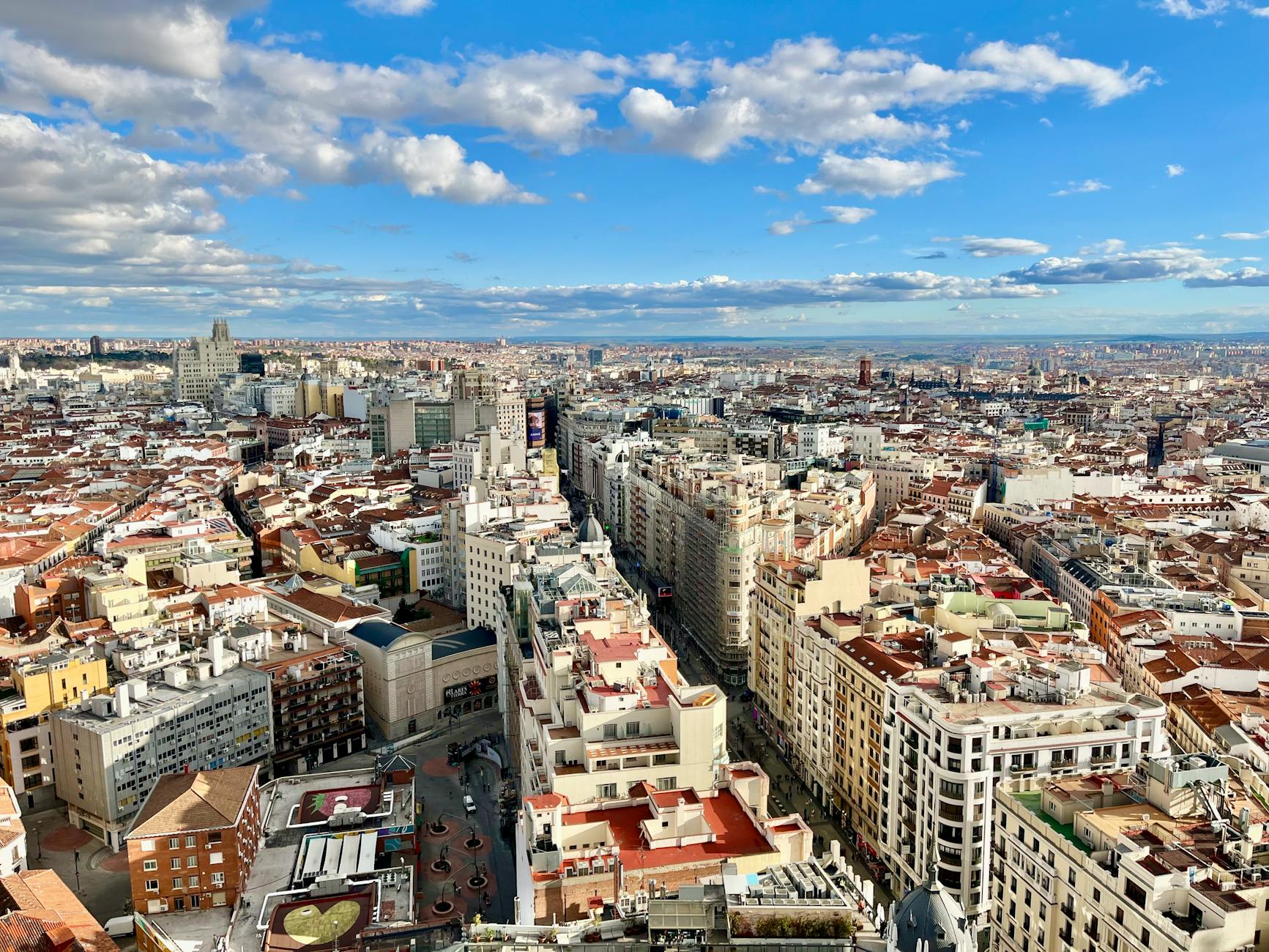
As a digital nomad, I’ve had the pleasure of calling Madrid, Spain my home for several months, and I can confidently say that it’s a city that has something for everyone. The vibrant energy, rich history, and warm hospitality make Madrid an attractive destination for remote workers. With a Nomad Score of 75/100, Madrid offers an excellent balance of culture, nightlife, and work opportunities, making it an ideal spot for Madrid digital nomads. The city’s population of 3,255,944 people ensures that there’s always something to do, see, or explore, from world-class museums like the Prado and Reina Sofia to the lively nightlife in Malasaña and Chueca.
One of the reasons I fell in love with Madrid is its unique blend of traditional and modern charm. From the historic center to the trendy neighborhoods, each area has its own distinct character, making it easy to find a spot that suits your style. As a remote worker, I appreciated the city’s reliable internet connectivity, with speeds of up to 47 Mbps, making it easy to stay connected and productive. With its high Culture Score of 85/100 and Nature Score of 65/100, Madrid is an excellent choice for those who want to experience the best of urban and natural environments.
🏘️ Best Neighborhoods for Digital Nomads
When it comes to finding the perfect neighborhood in Madrid, there are several areas that stand out for digital nomads. Here are a few of my favorites:
- Malasaña: This trendy neighborhood is a hub for creatives and remote workers, with plenty of coworking spaces, cafes, and restaurants to choose from. Rent for a one-bedroom apartment in Malasaña can range from €800-€1,200 (approximately $900-$1,370 USD) per month.
- Chueca: Known for its vibrant nightlife and LGBTQ+ community, Chueca is a great spot for those who want to be in the heart of the action. Expect to pay around €1,000-€1,500 (approximately $1,130-$1,700 USD) per month for a one-bedroom apartment.
- Salamanca: This upscale neighborhood is perfect for those who want a more laid-back and luxurious experience. With plenty of parks, restaurants, and high-end shopping, Salamanca is a great spot for remote workers who want to treat themselves. Rent for a one-bedroom apartment in Salamanca can range from €1,200-€2,000 (approximately $1,370-$2,260 USD) per month.
- Lavapiés: This eclectic neighborhood is a hidden gem for digital nomads, with a mix of traditional Spanish culture and international flair. Rent for a one-bedroom apartment in Lavapiés can range from €600-€1,000 (approximately $680-$1,130 USD) per month.
Cost of Living Breakdown
The cost of living in Madrid can vary depending on your lifestyle and preferences, but here’s a breakdown of what you can expect to pay for typical expenses:
- Rent: As mentioned earlier, rent for a one-bedroom apartment in Madrid can range from €600-€2,000 (approximately $680-$2,260 USD) per month, depending on the neighborhood and amenities.
- Food: Eating out in Madrid can be affordable, with a meal at a mid-range restaurant costing around €10-€15 (approximately $11-$17 USD) per person. Groceries can cost around €30-€50 (approximately $35-$57 USD) per week for basic items.
- Transportation: A monthly public transportation pass in Madrid can cost around €20-€30 (approximately $23-$35 USD), depending on the type of pass and your age.
- Coworking: Coworking spaces in Madrid can range from €150-€300 (approximately $170-$340 USD) per month, depending on the amenities and location.
Internet & Coworking
Madrid has a thriving startup scene, with plenty of coworking spaces and cafes that offer fast and reliable internet. Some popular coworking spaces include:
- WeWork: With several locations throughout the city, WeWork offers a range of membership options and amenities, including high-speed internet and networking events.
- Impact Hub: This global network of coworking spaces has a location in Madrid, offering a range of membership options and amenities, including high-speed internet and event spaces.
- La Oficina: This coworking space in the heart of Malasaña offers a range of membership options and amenities, including high-speed internet and a rooftop terrace.
Some popular cafes for remote work include:
- Café Central: This historic cafe in the heart of Madrid offers fast and reliable internet, as well as a range of coffee and food options.
- Federal Cafe: This trendy cafe in the Malasaña neighborhood offers high-speed internet and a range of coffee and food options, as well as a cozy atmosphere.
- HanSo Cafe: This Korean-inspired cafe in the Chueca neighborhood offers fast and reliable internet, as well as a range of coffee and food options, including delicious Korean-style pastries.
Madrid has a thriving digital nomad community, with plenty of meetups and events for remote workers to connect and network. Some popular groups and events include:
- Madrid Digital Nomads: This Facebook group has over 1,000 members and hosts regular meetups and events for digital nomads in Madrid.
- Nomad List Madrid: This online community has a range of resources and information for digital nomads in Madrid, including a forum and event calendar.
- Remote Year Madrid: This program offers a range of resources and events for remote workers in Madrid, including coworking spaces and networking events.
Culture & Lifestyle
Madrid is a city that’s steeped in culture and tradition, with a range of festivals and events throughout the year. Some popular events include:
- La Tomatina: This famous tomato-throwing festival takes place in August and is a must-see for any digital nomad in Madrid.
- Semana Santa: This Holy Week festival takes place in March or April and features a range of processions and events throughout the city.
- Feria de Madrid: This annual fair takes place in May and features a range of music, food, and cultural events.
When it comes to dating in Madrid, the city has a vibrant and social atmosphere, with plenty of opportunities to meet new people. Some popular spots for dating include:
- Parque del Retiro: This beautiful park in the heart of Madrid is a popular spot for picnics and strolls.
- Malasaña: This trendy neighborhood is a hub for creatives and remote workers, with plenty of bars and restaurants to choose from.
- Chueca: This vibrant neighborhood is a great spot for nightlife and socializing, with plenty of bars and clubs to choose from.
As a digital nomad, you’ll need to ensure that you have the right visa to work in Spain. The country offers a range of visa options, including:
- Tourist visa: This visa allows you to stay in Spain for up to 90 days and is ideal for short-term trips.
- Non-lucrative visa: This visa allows you to stay in Spain for up to one year and is ideal for remote workers who want to live in the country long-term.
- Digital nomad visa: Spain does not currently offer a specific digital nomad visa, but the non-lucrative visa can be used for remote work purposes.
💡 Practical Tips
Here are a few practical tips to keep in mind when living and working in Madrid:
- SIM cards: You can purchase a SIM card at most phone stores or supermarkets, with prices starting from around €10-€20 (approximately $11-$23 USD) per month.
- Transportation: Madrid has a comprehensive public transportation system, including buses and metro lines. You can purchase a monthly pass for around €20-€30 (approximately $23-$35 USD).
- Safety: Madrid is generally a safe city, but take normal precautions to protect yourself and your belongings, especially in crowded areas.
- Weather: Madrid has a Mediterranean climate, with hot summers and mild winters. Be sure to pack accordingly and stay hydrated during the summer months.