🌍 Overview
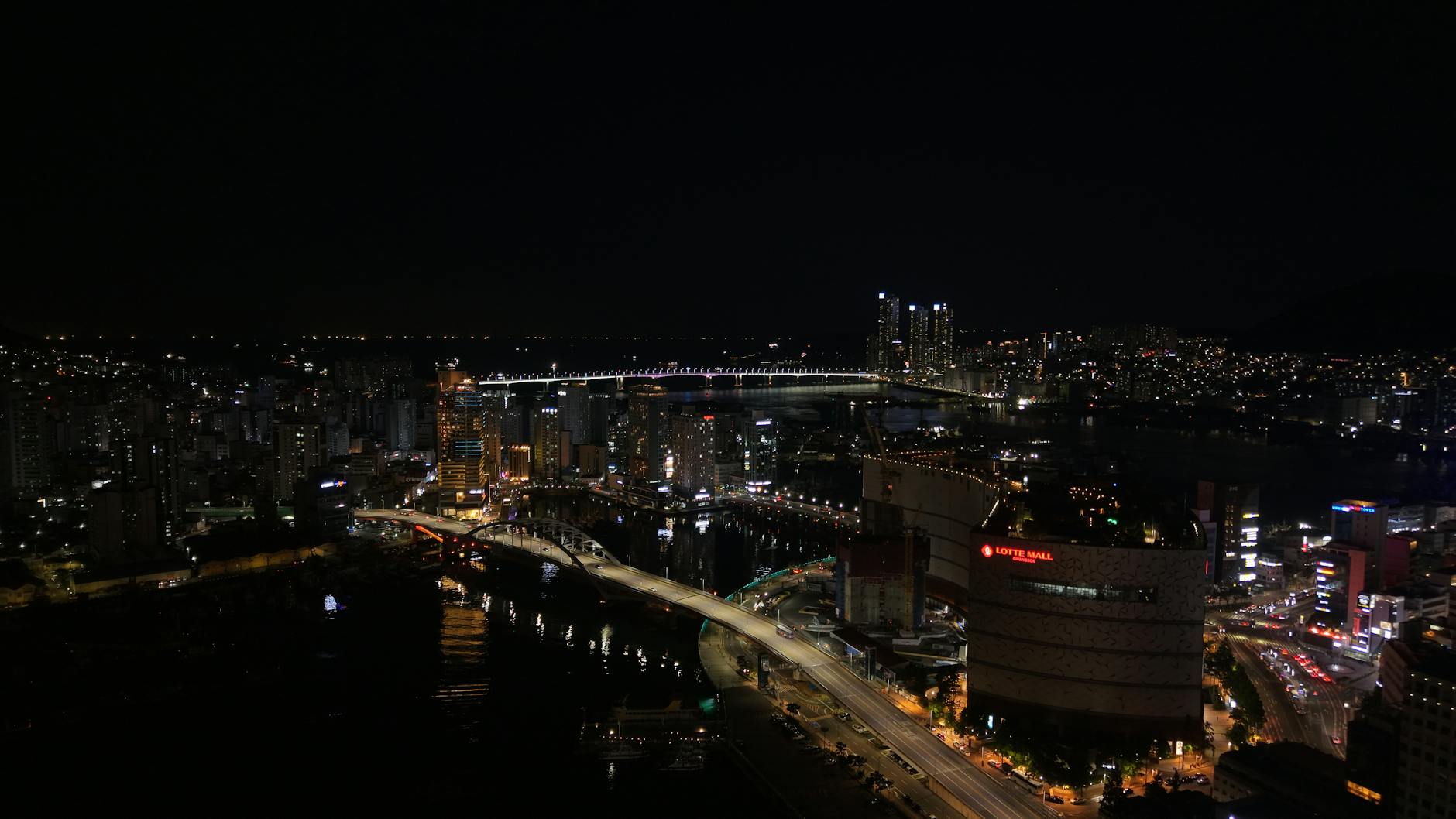
Busan, South Korea’s second-largest city, is a hidden gem for digital nomads. With its unique blend of traditional and modern culture, stunning beaches, and vibrant nightlife, it’s no wonder why many remote workers flock to this coastal city. As a digital nomad who has called Busan home, I can attest that the city has a certain charm that makes it easy to fall in love with. From the bustling streets of Seomyeon to the laid-back atmosphere of Haeundae Beach, Busan has something for everyone. With a nomad score of 82/100 and a safety index of 7199/100, Busan is an excellent choice for those looking for a secure and exciting digital nomad experience.
🏘️ Best Neighborhoods for Digital Nomads
When it comes to choosing a neighborhood in Busan, digital nomads have a variety of options to suit their lifestyle and preferences. Here are three neighborhoods that are particularly popular among remote workers:
- Seomyeon: This bustling neighborhood is the heart of Busan’s business district and is home to many coworking spaces, cafes, and restaurants. It’s an ideal location for those who want to be in the midst of the action and have easy access to public transportation.
- Haeundae: This beachside neighborhood is a favorite among digital nomads who want to balance work and play. With its stunning beaches, vibrant nightlife, and variety of restaurants and cafes, Haeundae is the perfect spot for those who want to soak up the sun and enjoy the city’s laid-back atmosphere.
- Gwangalli: This trendy neighborhood is known for its beautiful beach, water sports, and lively nightlife. It’s a popular spot for digital nomads who want to experience the city’s youthful energy and have easy access to outdoor activities.
Cost of Living Breakdown
The cost of living in Busan is relatively affordable compared to other major cities in Asia. Here’s a breakdown of what you can expect to pay for typical expenses:
- Rent: A one-bedroom apartment in a central neighborhood like Seomyeon or Haeundae can cost around ₩350,000-₩500,000 (approximately $300-$420 USD) per month.
- Food: Eating out at a mid-range restaurant can cost around ₩10,000-₩20,000 (approximately $8-$17 USD) per meal. Groceries can cost around ₩50,000-₩100,000 (approximately $42-$85 USD) per week for basic items.
- Transportation: A monthly public transportation pass can cost around ₩55,000 (approximately $46 USD). Taxis are also relatively affordable, with a typical ride costing around ₩10,000-₩20,000 (approximately $8-$17 USD).
- Coworking: Coworking spaces in Busan can cost around ₩200,000-₩500,000 (approximately $170-$420 USD) per month, depending on the location and amenities.
Internet & Coworking
Busan has a well-developed internet infrastructure, with fast and reliable connections available throughout the city. The average internet speed is around 47 Mbps, making it easy to stay connected and productive. Some popular coworking spaces in Busan include:
- WeWork Busan: Located in the heart of Seomyeon, this coworking space offers a range of amenities, including high-speed internet, meeting rooms, and a rooftop lounge.
- Coworking Space Busan: This coworking space in Haeundae offers a relaxed and productive atmosphere, with amenities like high-speed internet, printing and scanning services, and a kitchen area.
- Busan Startup Hub: This coworking space is dedicated to supporting startups and entrepreneurs, with amenities like high-speed internet, meeting rooms, and mentorship programs.
Busan has a growing digital nomad community, with many meetups and events organized throughout the year. Some popular groups include:
- Busan Digital Nomads: This Facebook group is a great resource for connecting with other digital nomads, finding coworking spaces, and learning about upcoming events.
- Busan Expats: This group is geared towards expats living in Busan, but it’s also a great resource for digital nomads looking to connect with like-minded individuals.
- Busan Startup Meetup: This meetup group is focused on supporting startups and entrepreneurs in Busan, but it’s also a great way to network with other remote workers and learn about new opportunities.
Culture & Lifestyle
Busan is a city that seamlessly blends traditional and modern culture. From the bustling streets of Seomyeon to the tranquil beaches of Haeundae, there’s always something to explore and discover. Here are a few tips for navigating the local culture and lifestyle:
- Food: Busan is famous for its seafood, and you can find a wide range of delicious dishes at restaurants throughout the city. Be sure to try some of the local specialties, like hoe (raw fish) and jjajangmyeon (black bean noodles).
- Dating: Busan has a vibrant dating scene, with many bars and clubs catering to singles. However, it’s worth noting that the city can be quite conservative, and public displays of affection are generally frowned upon.
- Nightlife: Busan has a lively nightlife scene, with everything from rooftop bars to underground clubs. Some popular areas for nightlife include Seomyeon, Haeundae, and Gwangalli.
As a digital nomad, you’ll typically need to enter South Korea on a tourist visa, which is valid for up to 90 days. However, if you plan to stay in the country for an extended period, you may need to apply for a longer-term visa. Here are a few options to consider:
- Tourist visa: This visa is valid for up to 90 days and can be obtained at the airport or through a Korean embassy or consulate.
- Working holiday visa: This visa is available for citizens of certain countries, including the US, Canada, and Australia, and allows you to work in South Korea for up to 12 months.
- Digital nomad visa: Unfortunately, South Korea does not currently offer a specific digital nomad visa. However, you may be able to apply for a D-8 visa, which is designed for foreign nationals who want to start a business or work remotely in the country.
💡 Practical Tips
Here are a few practical tips to keep in mind when living and working in Busan:
- SIM cards: You can purchase a SIM card at the airport or through a mobile phone provider like KT or SK Telecom. Prices start at around ₩10,000 (approximately $8 USD) per month.
- Transportation: Busan has a well-developed public transportation system, with buses and subways connecting most areas of the city. You can purchase a T-money card at most convenience stores, which can be used to pay for public transportation and other services.
- Safety: Busan is generally a safe city, but it’s always a good idea to take precautions to protect yourself and your belongings. Be aware of your surroundings, especially at night, and keep an eye on your belongings in crowded areas.
- Weather: Busan has a humid subtropical climate, with hot summers and mild winters. The best time to visit is in the spring (March-May) or autumn (September-November), when the weather is mild and pleasant.