🌍 Overview
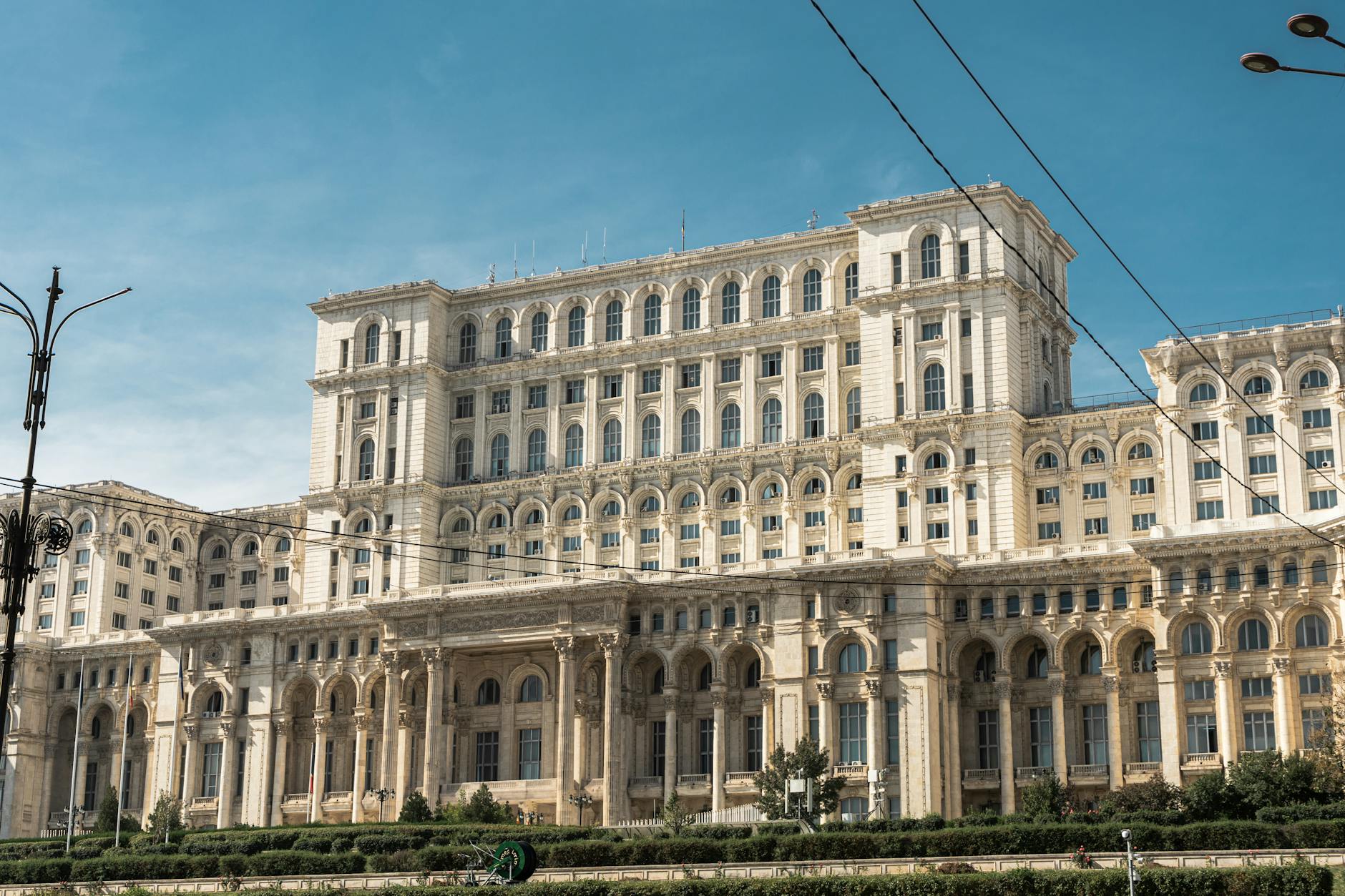
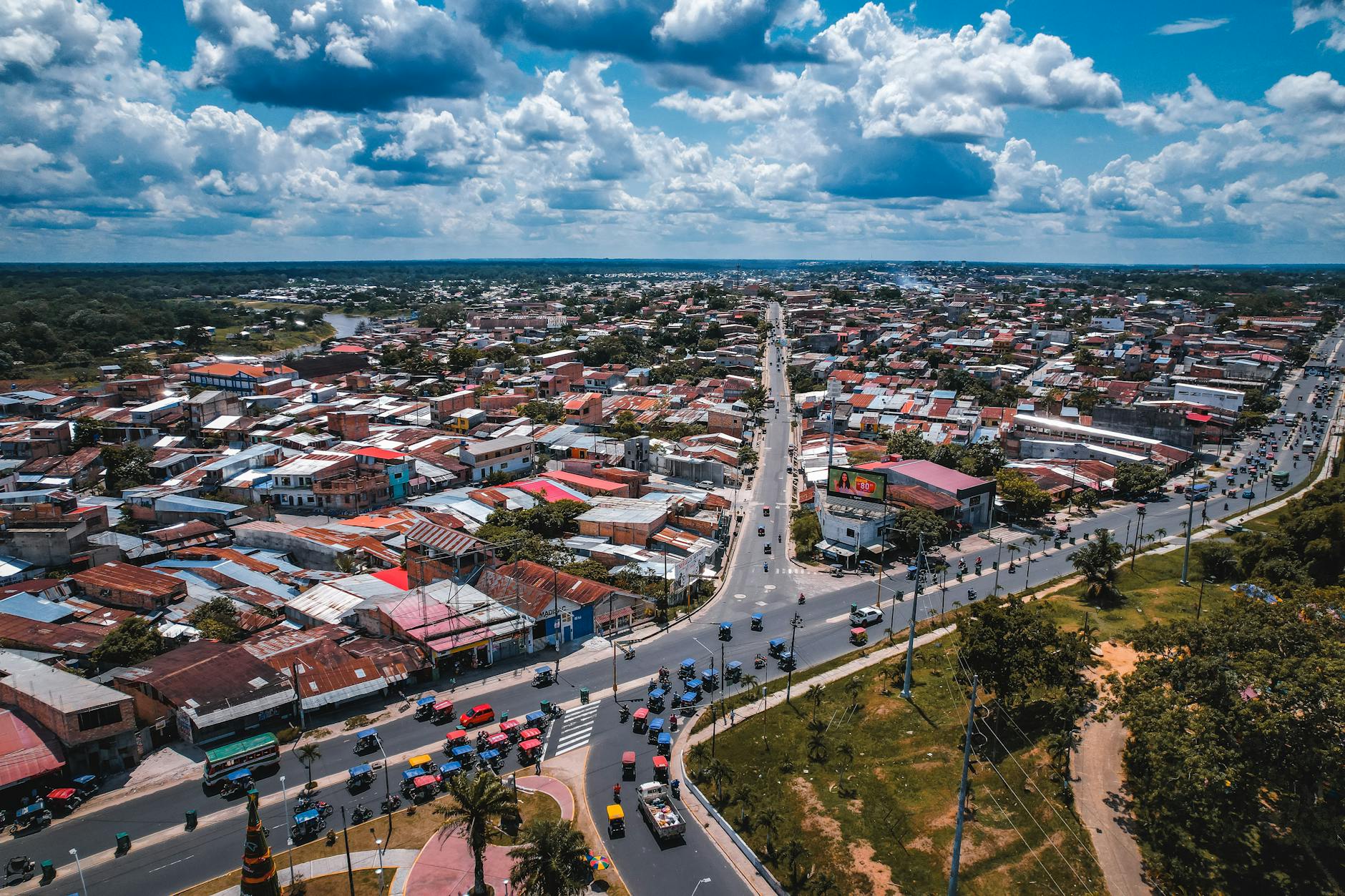
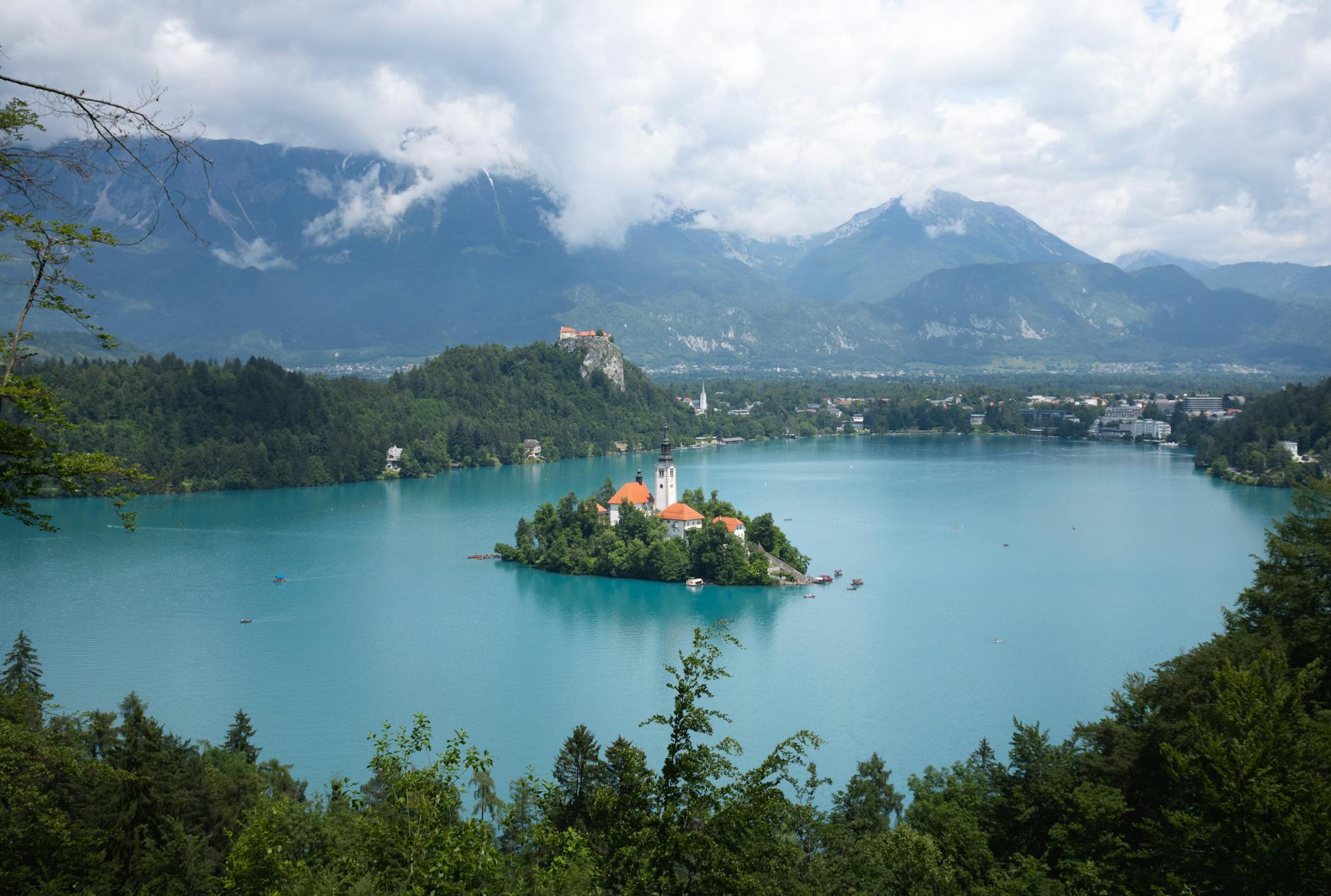
As a digital nomad who’s spent several months in Bucharest, I can confidently say that this city has a unique charm that draws you in and makes you want to stay. Bucharest, the capital of Romania, is a city that seamlessly blends its rich history with modern amenities, making it an attractive destination for remote workers. The city’s vibrant atmosphere, coupled with its affordability and decent internet speeds, has earned it a spot as a popular hub for digital nomads. With a Nomad Score of 63/100, Bucharest offers a great balance of culture, history, and nightlife, making it an excellent choice for those looking to experience the best of Eastern Europe.
As a Bucharest digital nomad, you’ll find that the city has a lot to offer, from its stunning architecture to its thriving food scene. The city’s population of 1,877,155 people is a mix of young professionals, students, and families, creating a dynamic and diverse community. With Romanian (ro) and English (en) being the primary languages spoken, you’ll find it relatively easy to navigate the city and communicate with locals.
🏘️ Best Neighborhoods for Digital Nomads
When it comes to choosing a neighborhood to stay in Bucharest, you’ll have plenty of options to suit your lifestyle and budget. Here are three neighborhoods that are particularly popular among digital nomads:
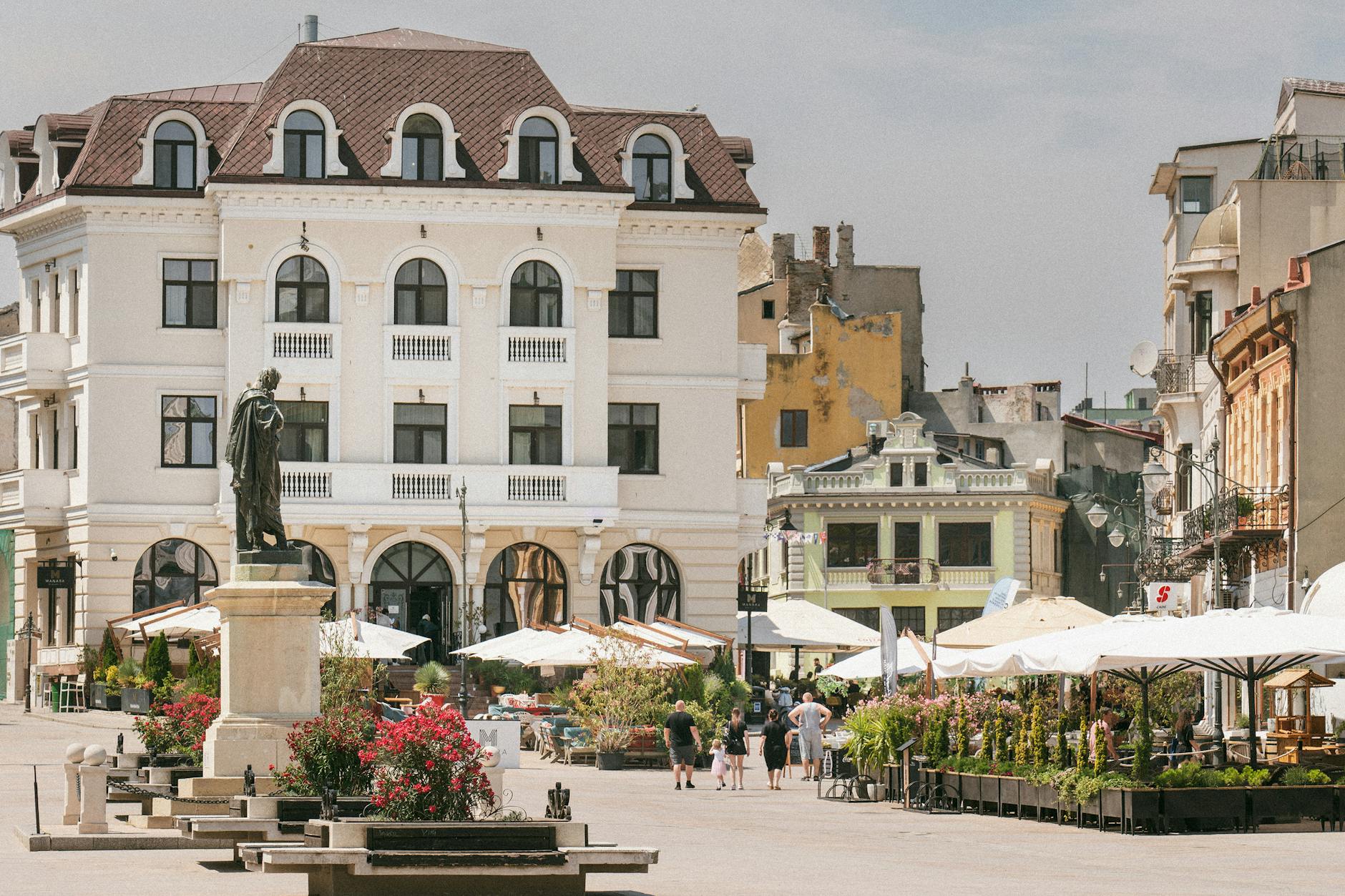
- Lipscani: This historic neighborhood is located in the heart of the city and is known for its vibrant nightlife, trendy bars, and restaurants. You’ll find plenty of coworking spaces, cafes, and shops in the area, making it an ideal spot for remote workers. Rent for a one-bedroom apartment in Lipscani can range from 1,500 to 2,500 RON (approximately $350-$570 USD) per month.
- Floreasca: This upscale neighborhood is located in the north of the city and is popular among young professionals and families. It’s known for its beautiful parks, trendy restaurants, and high-end shops. Rent for a one-bedroom apartment in Floreasca can range from 2,000 to 3,500 RON (approximately $450-$800 USD) per month.
- Cotroceni: This charming neighborhood is located in the west of the city and is known for its historic buildings, quaint streets, and lively atmosphere. It’s a popular spot for students and young professionals, with plenty of affordable accommodation options available. Rent for a one-bedroom apartment in Cotroceni can range from 1,200 to 2,000 RON (approximately $270-$450 USD) per month.
Cost of Living Breakdown
The cost of living in Bucharest is relatively low compared to other European cities. Here’s a breakdown of what you can expect to pay for typical expenses:
- Rent: 1,500-3,500 RON (approximately $350-$800 USD) per month for a one-bedroom apartment
- Food: 10-20 RON (approximately $2.50-$4.50 USD) for a meal at a mid-range restaurant, 5-10 RON (approximately $1.20-$2.50 USD) for a coffee or snack
- Transportation: 2.5 RON (approximately $0.60 USD) for a single bus ticket, 70 RON (approximately $16 USD) for a monthly public transportation pass
- Coworking: 100-200 RON (approximately $22-$45 USD) per month for a coworking space membership
Overall, the cost of living in Bucharest is around 30-50% lower than in Western European cities, making it an attractive destination for digital nomads on a budget.
Internet & Coworking
Bucharest has a well-developed internet infrastructure, with average speeds of 49 Mbps. You’ll find plenty of coworking spaces, cafes, and libraries with reliable internet connections. Some popular coworking spaces include:
- Impact Hub Bucharest: Located in the heart of the city, this coworking space offers a range of membership options, from 100 RON (approximately $22 USD) per month for a basic membership to 500 RON (approximately $110 USD) per month for a dedicated desk.
- TechHub Bucharest: This coworking space is located in the Floreasca neighborhood and offers a range of membership options, from 150 RON (approximately $33 USD) per month for a basic membership to 300 RON (approximately $66 USD) per month for a dedicated desk.
- Cafeneaua Actorilor: This charming cafe is located in the Lipscani neighborhood and offers a quiet and comfortable spot to work, with reliable internet and a range of coffee and snacks available.
Bucharest has a growing digital nomad community, with plenty of meetups, events, and Facebook groups to connect with like-minded individuals. Some popular groups include:
- Bucharest Digital Nomads: This Facebook group has over 1,000 members and is a great place to connect with other remote workers, find accommodation, and get tips on the best places to eat and drink.
- Nomad List Bucharest: This group has over 500 members and is a great place to find information on the best coworking spaces, cafes, and neighborhoods to stay in.
- Bucharest Expats: This group has over 2,000 members and is a great place to connect with other expats and digital nomads, find accommodation, and get tips on the best places to eat and drink.
Culture & Lifestyle
Bucharest has a rich cultural scene, with plenty of museums, galleries, and historical landmarks to explore. The city is also known for its vibrant nightlife, with plenty of bars, clubs, and live music venues to choose from. Some popular cultural attractions include:
- The National Museum of Art: This museum features a collection of Romanian and international art, with works by artists such as Brancusi and Picasso.
- The Romanian Athenaeum: This stunning concert hall is home to the George Enescu Philharmonic Orchestra and hosts a range of classical music concerts throughout the year.
- The Cismigiu Park: This beautiful park is a popular spot for picnics, walks, and people-watching, and is home to a range of cafes and restaurants.
When it comes to food, Bucharest has a delicious and affordable culinary scene, with plenty of traditional Romanian dishes to try. Some popular restaurants include:
- Caru’ cu Bere: This historic restaurant is located in the Lipscani neighborhood and serves a range of traditional Romanian dishes, including sarmale, mamaliga, and ciorba.
- La Mama: This cozy restaurant is located in the Cotroceni neighborhood and serves a range of traditional Romanian dishes, including mititei, ardei umpluti, and papricas.
- Bistro Romana: This modern bistro is located in the Floreasca neighborhood and serves a range of contemporary Romanian dishes, including salads, soups, and main courses.
As a digital nomad, you’ll need to ensure that you have the necessary visa to stay in Romania. The country offers a range of visa options, including:
- Tourist visa: This visa is valid for up to 90 days and can be obtained at the border or in advance through the Romanian embassy or consulate.
- Long-stay visa: This visa is valid for up to one year and can be obtained through the Romanian embassy or consulate.
- Digital nomad visa: Romania does not currently offer a specific digital nomad visa, but you may be eligible for a long-stay visa or a work visa if you can demonstrate that you have a remote job or are self-employed.
💡 Practical Tips
Here are some practical tips to help you navigate Bucharest as a digital nomad:
- SIM cards: You can purchase a SIM card from a range of providers, including Orange, Vodafone, and Telekom. Prices start from around 10 RON (approximately $2.50 USD) per month for a basic plan.
- Transportation: Bucharest has a well-developed public transportation system, including buses, trams, and metro lines. You can purchase a monthly pass for 70 RON (approximately $16 USD) or pay 2.5 RON (approximately $0.60 USD) for a single ticket.
- Safety: Bucharest is generally a safe city, but as with any city, you should take precautions to protect yourself and your belongings. Avoid walking alone in dimly lit areas at night and keep an eye on your belongings in crowded areas.
- Weather: Bucharest has a temperate climate, with hot summers and cold winters. The best time to visit is in the spring or autumn, when the weather is mild and pleasant.