🌍 Overview
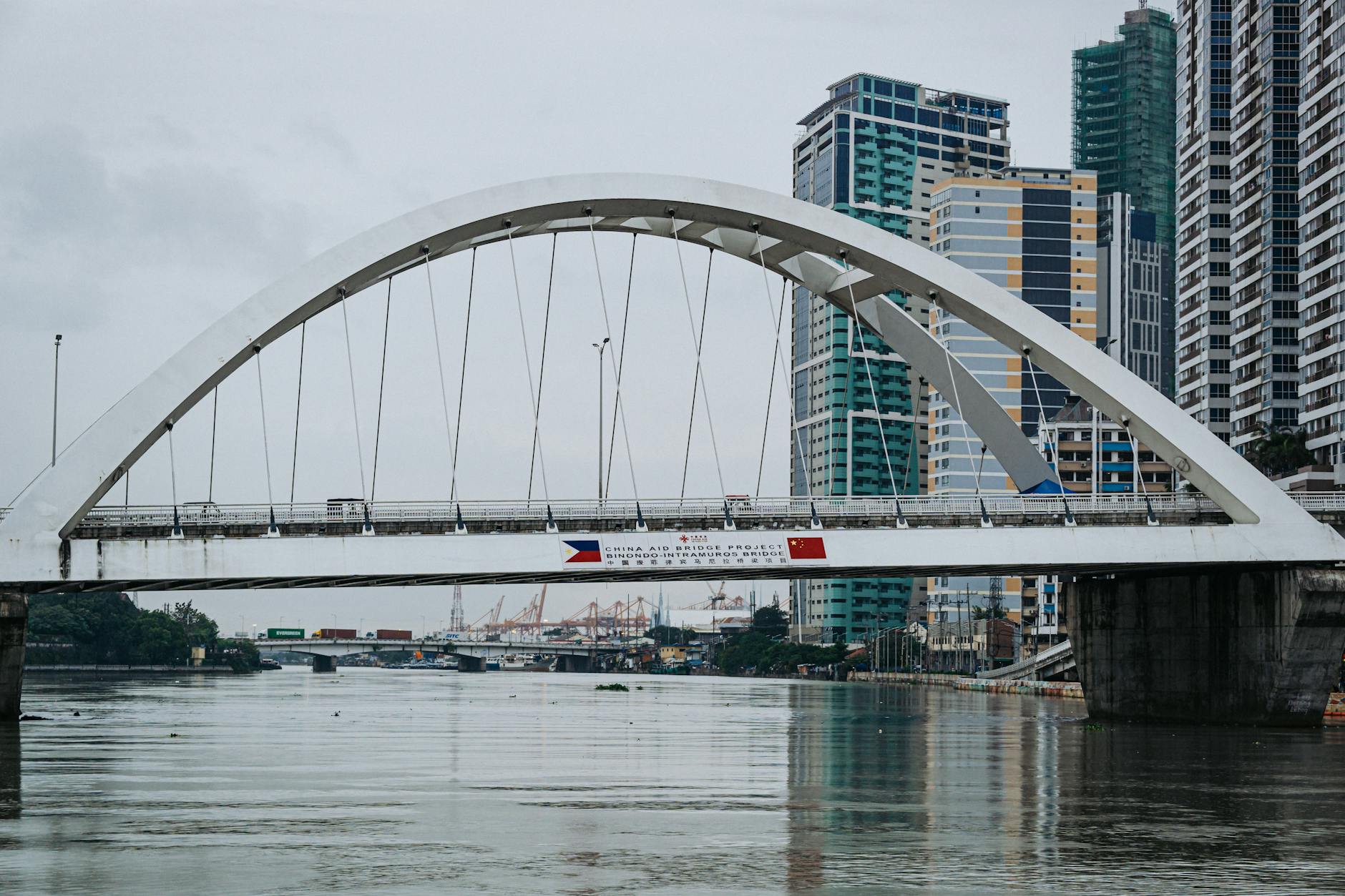
As a digital nomad, I’ve had the pleasure of calling Manila, Philippines my home for several months, and I can confidently say that it’s a city that will leave you with a mix of emotions. On one hand, the traffic and pollution can be overwhelming, but on the other hand, the rich history, vibrant culture, and warm hospitality of the Filipino people will make you fall in love with this city. Manila is a popular destination for digital nomads, and for good reason - the cost of living is relatively low, the internet speed is decent, and the nightlife is thriving. As a Manila digital nomad, you’ll find that the city has a lot to offer, from its historic landmarks like Intramuros and Fort Santiago, to its modern malls and entertainment complexes.
Manila for remote workers is an attractive option, with a growing expat community and a wide range of coworking spaces to choose from. The city’s culture is a unique blend of Spanish, American, and Asian influences, which is reflected in its food, architecture, and way of life. As a digital nomad, you’ll find that Manila is a city that’s always on the go, with a vibrant energy that’s hard to resist. Whether you’re looking to explore the city’s historic landmarks, try the local cuisine, or simply relax on the beach, Manila has something to offer.
🏘️ Best Neighborhoods for Digital Nomads
When it comes to choosing a neighborhood to stay in Manila, there are several options to consider. Here are a few of my favorites:
- Bonifacio Global City (BGC): This is one of the most popular neighborhoods for digital nomads, with a wide range of coworking spaces, restaurants, and bars. BGC is a modern and upscale area, with a lot of amenities and a great vibe. Rent for a one-bedroom apartment in BGC can range from PHP 25,000 to PHP 40,000 (around $500 to $800 USD) per month.
- Makati: This is another popular neighborhood for digital nomads, with a lot of coworking spaces and a thriving nightlife. Makati is a bit more laid-back than BGC, but still has a lot to offer. Rent for a one-bedroom apartment in Makati can range from PHP 20,000 to PHP 35,000 (around $400 to $700 USD) per month.
- Ermita: This neighborhood is a bit more budget-friendly, with rent for a one-bedroom apartment ranging from PHP 15,000 to PHP 25,000 (around $300 to $500 USD) per month. Ermita is a bit more laid-back than BGC and Makati, but still has a lot to offer, including a great selection of restaurants and bars.
Cost of Living Breakdown
The cost of living in Manila is relatively low, making it an attractive option for digital nomads. Here’s a breakdown of some typical expenses:
- Rent: As mentioned earlier, rent for a one-bedroom apartment can range from PHP 15,000 to PHP 40,000 (around $300 to $800 USD) per month, depending on the neighborhood and amenities.
- Food: Eating out in Manila can be very affordable, with a meal at a local restaurant costing around PHP 100 to PHP 200 (around $2 to $4 USD). Groceries can also be relatively cheap, with a basket of basic items costing around PHP 500 to PHP 1,000 (around $10 to $20 USD) per week.
- Transportation: Transportation in Manila can be a bit challenging, but there are several options available, including jeepneys, taxis, and ride-hailing apps like Grab. A one-way fare on a jeepney or taxi can cost around PHP 20 to PHP 50 (around $0.40 to $1 USD), while a ride-hailing app can cost around PHP 100 to PHP 200 (around $2 to $4 USD) per trip.
- Coworking: Coworking spaces in Manila can range from PHP 500 to PHP 2,000 (around $10 to $40 USD) per day, depending on the amenities and location.
Internet & Coworking
Internet speed in Manila is decent, with an average speed of 47 Mbps. There are several coworking spaces to choose from, including:
- WeWork: This is a popular coworking space with several locations in Manila, including BGC and Makati. Prices start at around PHP 2,000 (around $40 USD) per day.
- The Coffee Bean & Tea Leaf: This coffee shop has a great selection of coffee and tea, and also offers a comfortable workspace with reliable internet. Prices start at around PHP 100 (around $2 USD) per hour.
- Acceler8: This coworking space is located in BGC and offers a range of amenities, including high-speed internet, meeting rooms, and a gym. Prices start at around PHP 1,500 (around $30 USD) per day.
Manila has a growing digital nomad community, with several meetups and events to attend. Some popular groups include:
- Manila Digital Nomads: This Facebook group has over 1,000 members and is a great place to connect with other digital nomads in the city.
- Nomad List Manila: This group has over 500 members and is a great place to find information on coworking spaces, accommodation, and other resources for digital nomads.
- Manila Expats: This group has over 2,000 members and is a great place to connect with other expats and digital nomads in the city.
Culture & Lifestyle
Manila is a city with a rich culture and history, and there’s always something to do or see. Some popular attractions include:
- Intramuros: This historic walled city is a must-visit, with its stunning architecture and rich history.
- Fort Santiago: This historic fort is a great place to learn about the city’s history and culture.
- Greenhills: This shopping mall is a great place to find affordable souvenirs and try some local cuisine.
The food scene in Manila is also amazing, with a wide range of delicious dishes to try. Some popular local dishes include:
- Adobo: This savory stew is a staple of Filipino cuisine and is made with meat or seafood, vinegar, and soy sauce.
- Lechon: This whole roasted pig is a popular dish at special occasions and is served with a variety of sauces and sides.
- Sinigang: This sour soup is made with tamarind broth and a variety of vegetables and proteins.
As a digital nomad, you’ll need to obtain a visa to stay in the Philippines for an extended period. The most common type of visa for digital nomads is the 9(a) Tourist Visa, which allows you to stay in the country for up to 59 days. You can apply for this visa at the Philippine embassy or consulate in your home country, or you can apply for a visa on arrival at the airport.
There is also a Special Resident Retiree’s Visa (SRRV), which is a type of visa that allows foreign nationals to live in the Philippines for an extended period. This visa is available to foreigners who are at least 35 years old and have a minimum net worth of $75,000.
💡 Practical Tips
Here are some practical tips to keep in mind when living in Manila:
- SIM cards: You can buy a SIM card at the airport or at a local store, and it’s a great way to stay connected with friends and family back home. A SIM card can cost around PHP 100 to PHP 500 (around $2 to $10 USD), depending on the provider and data package.
- Transportation: As mentioned earlier, transportation in Manila can be a bit challenging, but there are several options available, including jeepneys, taxis, and ride-hailing apps like Grab.
- Safety: Manila can be a bit rough around the edges, but it’s generally a safe city. Just be aware of your surroundings and take the usual precautions to stay safe.
- Weather: Manila has a tropical climate, with high temperatures and high humidity throughout the year. The best time to visit is during the dry season, which runs from December to May.