🌍 Overview
Arequipa, Peru, is a hidden gem for digital nomads looking for a unique blend of culture, history, and adventure. As a seasoned digital nomad who has called Arequipa home, I can attest that this city has a special vibe that draws you in and makes you want to stay. With a population of over 1 million people, Arequipa is a bustling metropolis nestled in the foothills of the Andes, offering breathtaking views and a relaxed atmosphere that’s hard to find in other major cities. As an Arequipa digital nomad, you’ll have access to a growing community of like-minded individuals, a relatively low cost of living, and a wide range of activities to keep you engaged.
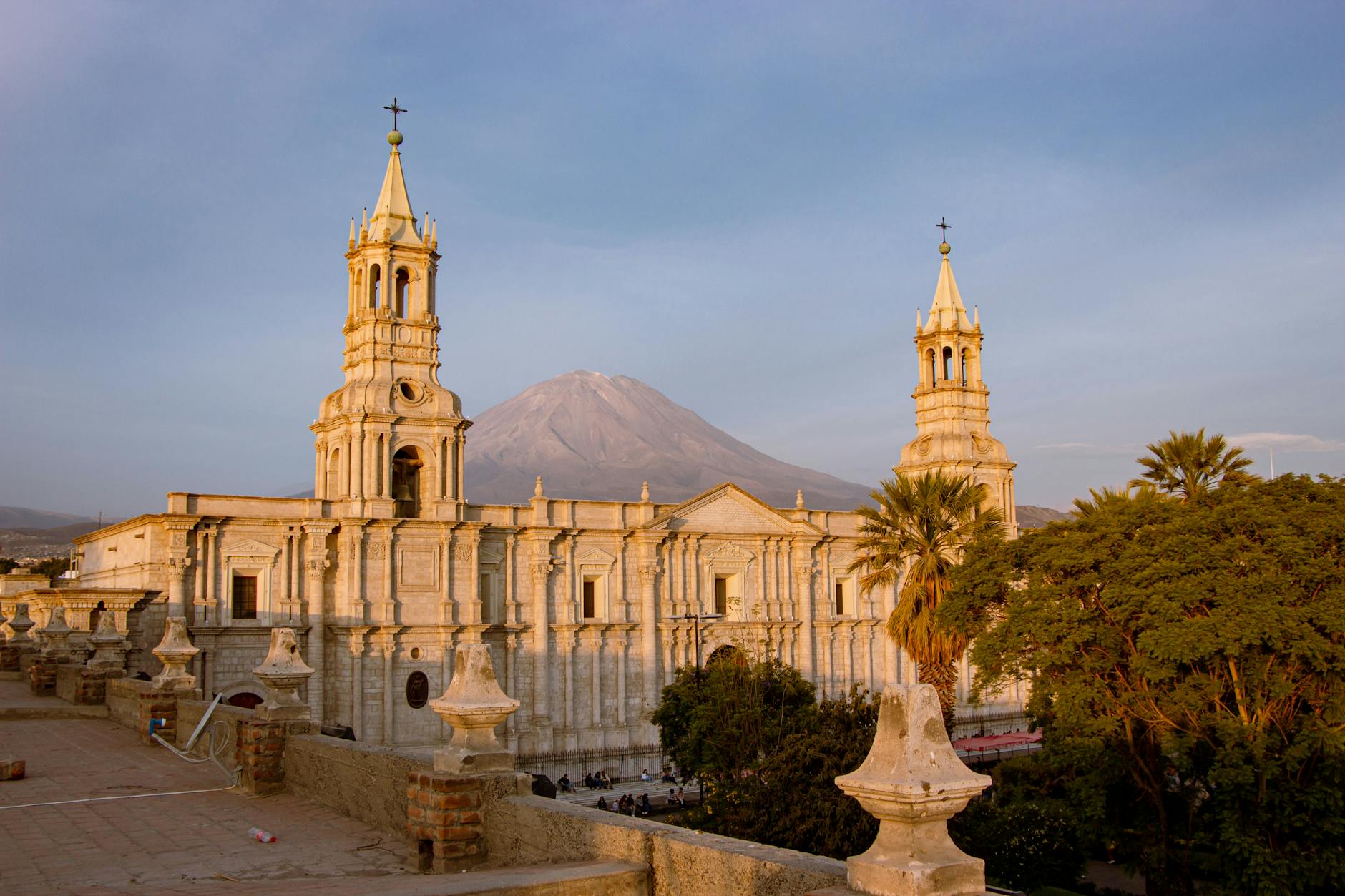
One of the reasons nomads love Arequipa is its rich cultural heritage. The city is often referred to as the “White City” due to its stunning colonial architecture, which is made from white volcanic rock. The historic center is a UNESCO World Heritage Site, and you can spend hours exploring the narrow streets, visiting ancient monasteries, and taking in the vibrant local markets. Whether you’re interested in history, food, or outdoor adventures, Arequipa has something for everyone.
🏘️ Best Neighborhoods for Digital Nomads
When it comes to choosing a neighborhood in Arequipa, digital nomads have several options to consider. Here are three areas that stand out for their character, safety, and amenities:
- Cerro Colorado: This upscale neighborhood is located on a hill overlooking the city, offering stunning views of the surrounding landscape. Cerro Colorado is known for its modern homes, trendy cafes, and boutique shops. Rent for a one-bedroom apartment in this area can range from 800 to 1,200 soles (~ $220-$330 USD) per month.
- San Lazaro: This charming neighborhood is located in the heart of the city, within walking distance to the historic center. San Lazaro is a popular area for tourists and locals alike, with its colorful streets, lively markets, and traditional restaurants. You can find a one-bedroom apartment in San Lazaro for around 500-800 soles (~ $140-$220 USD) per month.
- Yanahuara: This picturesque neighborhood is located just outside the city center, offering a more relaxed and peaceful atmosphere. Yanahuara is known for its stunning views of the surrounding mountains, its vibrant local market, and its traditional Andean cuisine. Rent for a one-bedroom apartment in Yanahuara can range from 400-700 soles (~ $110-$190 USD) per month.
Cost of Living Breakdown
The cost of living in Arequipa is relatively low compared to other major cities in Peru. Here’s a breakdown of typical expenses for digital nomads:
- Rent: 243 USD per month for a one-bedroom apartment (as mentioned earlier, prices can vary depending on the neighborhood)
- Food: 10-15 soles (~ $2.70-$4 USD) for a meal at a local restaurant, 50-100 soles (~ $14-$28 USD) for a week’s worth of groceries
- Transport: 1-2 soles (~ $0.27-$0.55 USD) for a bus ride, 10-20 soles (~ $2.70-$5.50 USD) for a taxi ride
- Coworking: 50-100 soles (~ $14-$28 USD) per day for a desk at a coworking space
Overall, the cost of living in Arequipa is around 1,500-2,500 soles (~ $410-$690 USD) per month, depending on your lifestyle and preferences.
Internet & Coworking
Arequipa has a growing number of coworking spaces and cafes with reliable internet. Some popular options include:
- Hub Arequipa: a modern coworking space with high-speed internet (up to 100 Mbps) and a community of entrepreneurs and remote workers. Prices start at 50 soles (~ $14 USD) per day.
- Cafe Libro: a cozy cafe with fast internet (up to 50 Mbps) and a wide selection of books and coffee. Prices start at 10 soles (~ $2.70 USD) per hour.
- La Casa de los Abuelos: a historic mansion turned coworking space with reliable internet (up to 30 Mbps) and a relaxed atmosphere. Prices start at 20 soles (~ $5.50 USD) per day.
Arequipa has a small but growing community of digital nomads, with several meetups and events throughout the year. Some popular groups include:
- Arequipa Digital Nomads: a Facebook group with over 1,000 members, where you can connect with other remote workers, find job opportunities, and get tips on living in Arequipa.
- Nomads in Arequipa: a meetup group that organizes regular events, such as hikes, language exchange, and coworking sessions.
- Arequipa Expats: a group for expats and digital nomads to connect, share experiences, and get advice on living in Arequipa.
Culture & Lifestyle
Arequipa is a city with a rich cultural heritage, where you can experience the best of Peruvian cuisine, music, and traditions. Some local customs to keep in mind include:
- Siempre derecho: a local expression that means “always straight” or “always honest,” reflecting the city’s values of integrity and fairness.
- La comida arequipeña: the local cuisine is known for its spicy dishes, such as rocoto relleno (stuffed peppers) and chupe de camarones (shrimp soup).
- La vida nocturna: the nightlife in Arequipa is lively, with many bars, clubs, and live music venues to choose from. Some popular spots include La Casa de la Música and El Barrio.
Dating in Arequipa can be a fun and exciting experience, with many locals eager to meet new people. However, it’s essential to respect local customs and traditions, especially when it comes to relationships and social etiquette.
As a digital nomad, you’ll need to obtain a tourist visa to enter Peru. The visa is typically valid for 183 days, and you can apply for an extension if needed. There is no specific digital nomad visa available in Peru, but you can apply for a rentista visa if you have a steady income and can prove your financial independence.
💡 Practical Tips
Here are some insider tips to help you navigate Arequipa like a local:
- Get a SIM card: you can purchase a SIM card from a local provider like Claro or Movistar for around 20-50 soles (~ $5.50-$14 USD).
- Use public transport: the bus system in Arequipa is efficient and affordable, with fares starting at 1 sole (~ $0.27 USD).
- Be prepared for altitude sickness: Arequipa is located at an altitude of over 2,300 meters, so it’s essential to acclimatize and stay hydrated.
- Learn some Spanish: while many locals speak some English, it’s always helpful to learn a few basic phrases in Spanish to navigate the city and interact with locals.