🌍 Overview
Maseru, the capital city of Lesotho, is a hidden gem for digital nomads looking for a unique blend of culture, history, and adventure. As a Maseru digital nomad, I can attest that this city has a certain charm that draws you in and makes you want to stay. With a population of 359,753, Maseru is a small but vibrant city that offers a great balance of urban and rural life. The city’s rich cultural heritage, stunning natural beauty, and welcoming locals make it an attractive destination for remote workers. In this guide, we’ll explore what makes Maseru an excellent choice for digital nomads and provide practical information to help you make the most of your stay.
🏘️ Best Neighborhoods for Digital Nomads
When it comes to choosing a neighborhood to stay in Maseru, there are several options to consider. Here are three neighborhoods that are popular among digital nomads:
- Maseru West: This neighborhood is located near the city center and offers easy access to amenities like restaurants, cafes, and shops. Rent for a one-bedroom apartment in Maseru West can range from LSL 1,200 to LSL 2,000 (approximately $80 to $130 USD) per month.
- Thetsane: This neighborhood is a bit farther from the city center but offers a more laid-back atmosphere and stunning views of the surrounding mountains. Rent for a one-bedroom apartment in Thetsane can range from LSL 1,000 to LSL 1,800 (approximately $65 to $120 USD) per month.
- Makhaleng: This neighborhood is located near the university and is popular among students and young professionals. Rent for a one-bedroom apartment in Makhaleng can range from LSL 800 to LSL 1,500 (approximately $50 to $100 USD) per month.
Each of these neighborhoods has its own unique character, and the best one for you will depend on your personal preferences and priorities.
Cost of Living Breakdown
The cost of living in Maseru is relatively low compared to other cities in Southern Africa. Here’s a breakdown of typical expenses for a digital nomad:
- Rent: LSL 1,200 to LSL 2,500 (approximately $80 to $165 USD) per month for a one-bedroom apartment
- Food: LSL 50 to LSL 100 (approximately $3 to $6 USD) per meal for a traditional Basotho dish like papa and stew
- Transport: LSL 10 to LSL 20 (approximately $0.65 to $1.30 USD) per ride for a taxi or minibus
- Coworking: LSL 500 to LSL 1,000 (approximately $33 to $65 USD) per month for a membership at a coworking space
Overall, the cost of living in Maseru is very affordable, and digital nomads can expect to live comfortably on a budget of LSL 5,000 to LSL 10,000 (approximately $330 to $660 USD) per month.
Internet & Coworking
Internet speeds in Maseru are relatively fast, with an average speed of 46 Mbps. There are several coworking spaces and cafes with good internet connectivity, including:
- The Hub: A coworking space located in the city center with fast internet and a community of entrepreneurs and remote workers. Membership costs LSL 500 per month (approximately $33 USD).
- Cafe What: A popular cafe with good internet and a relaxed atmosphere. Coffee costs LSL 20 to LSL 50 (approximately $1.30 to $3.30 USD) per cup.
- Vodacom: A telecom company with a range of internet plans, including a prepaid option that costs LSL 100 (approximately $6.60 USD) per GB.
The digital nomad community in Maseru is small but growing, with a number of meetups and events organized by groups like:
- Maseru Digital Nomads: A Facebook group with over 100 members, where digital nomads can connect, share tips, and organize meetups.
- Lesotho Entrepreneurs: A group that organizes networking events and workshops for entrepreneurs and remote workers.
Culture & Lifestyle
Maseru has a rich cultural heritage, with a blend of traditional Basotho customs and modern influences. Some popular cultural attractions include:
- The National Museum: A museum that showcases the history and culture of Lesotho, with a range of exhibits and artifacts. Entry costs LSL 20 (approximately $1.30 USD) per person.
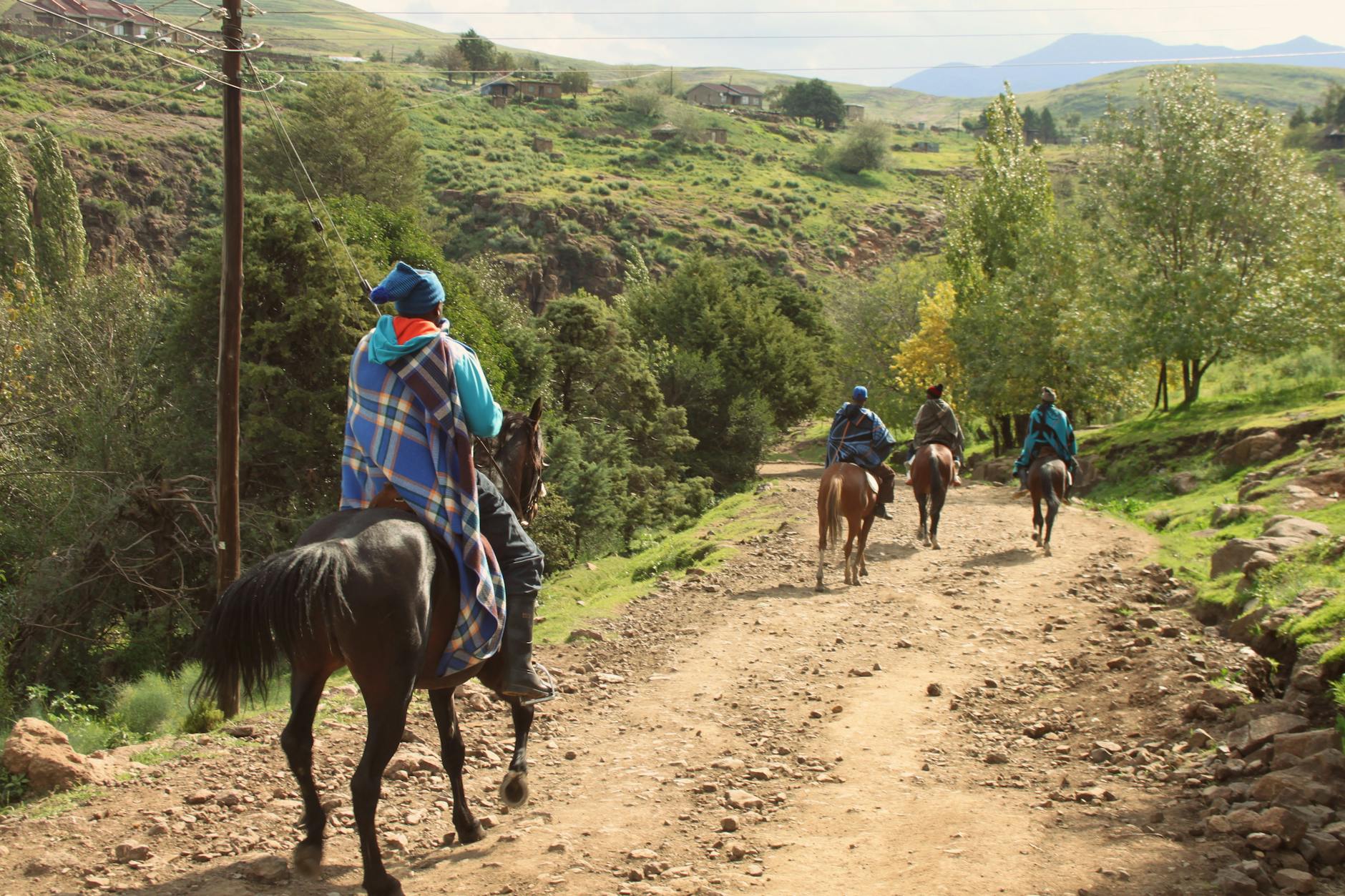
- The Basotho Hat: A traditional Basotho hat that is a symbol of the country’s culture and heritage. You can buy one at a local market for LSL 100 to LSL 200 (approximately $6.60 to $13.20 USD).
- The Morija Arts and Cultural Festival: A annual festival that showcases the best of Basotho music, dance, and art. Tickets cost LSL 50 to LSL 100 (approximately $3.30 to $6.60 USD) per person.
The food scene in Maseru is also worth exploring, with popular dishes like papa and stew, and braai (barbecued meat). Some popular restaurants include:
- The Peoples’ Place: A restaurant that serves traditional Basotho dishes, with meals costing LSL 50 to LSL 100 (approximately $3.30 to $6.60 USD) per person.
- The Cafe: A cafe that serves a range of international dishes, with meals costing LSL 100 to LSL 200 (approximately $6.60 to $13.20 USD) per person.
Lesotho offers a range of visa options for digital nomads, including:
- Tourist visa: A visa that allows you to stay in the country for up to 30 days, with a cost of LSL 200 (approximately $13.20 USD) per person.
- Work visa: A visa that allows you to work in the country for up to 12 months, with a cost of LSL 1,000 (approximately $66 USD) per person.
It’s worth noting that visa requirements can change, so it’s always a good idea to check with the Lesotho embassy or consulate in your home country for the latest information.
💡 Practical Tips
Here are some practical tips for digital nomads living in Maseru:
- SIM cards: You can buy a SIM card from a local telecom company like Vodacom or Econet, with a cost of LSL 100 (approximately $6.60 USD) per GB.
- Transport: Taxis and minibuses are a popular mode of transport in Maseru, with a cost of LSL 10 to LSL 20 (approximately $0.65 to $1.30 USD) per ride.
- Safety: Maseru is generally a safe city, but it’s always a good idea to take precautions like avoiding walking alone at night and keeping valuables secure.
- Weather: Maseru has a subtropical climate, with warm summers and cool winters. The best time to visit is during the spring (September to November) or autumn (March to May), when the weather is mild and pleasant.