🌍 Overview
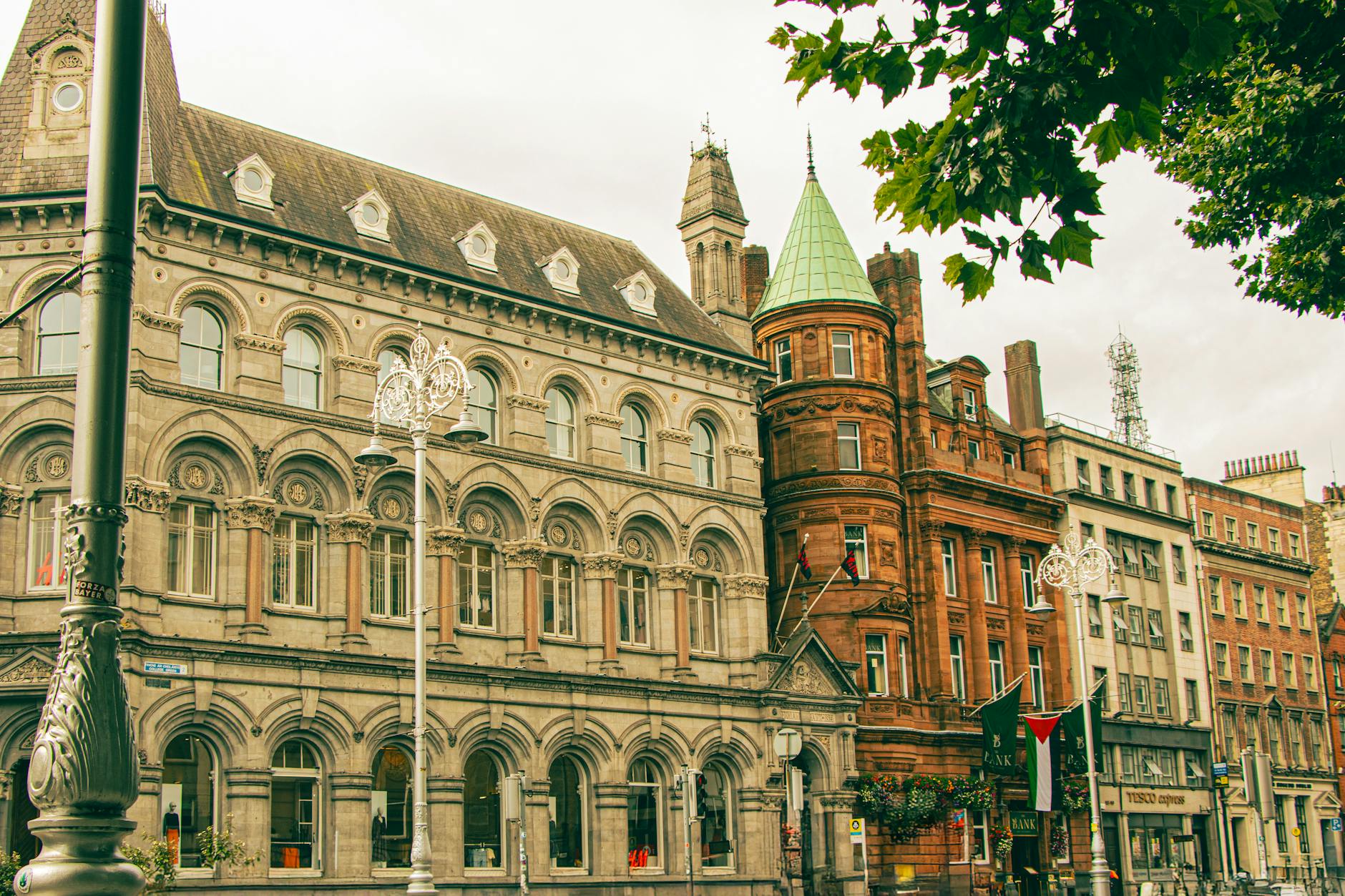
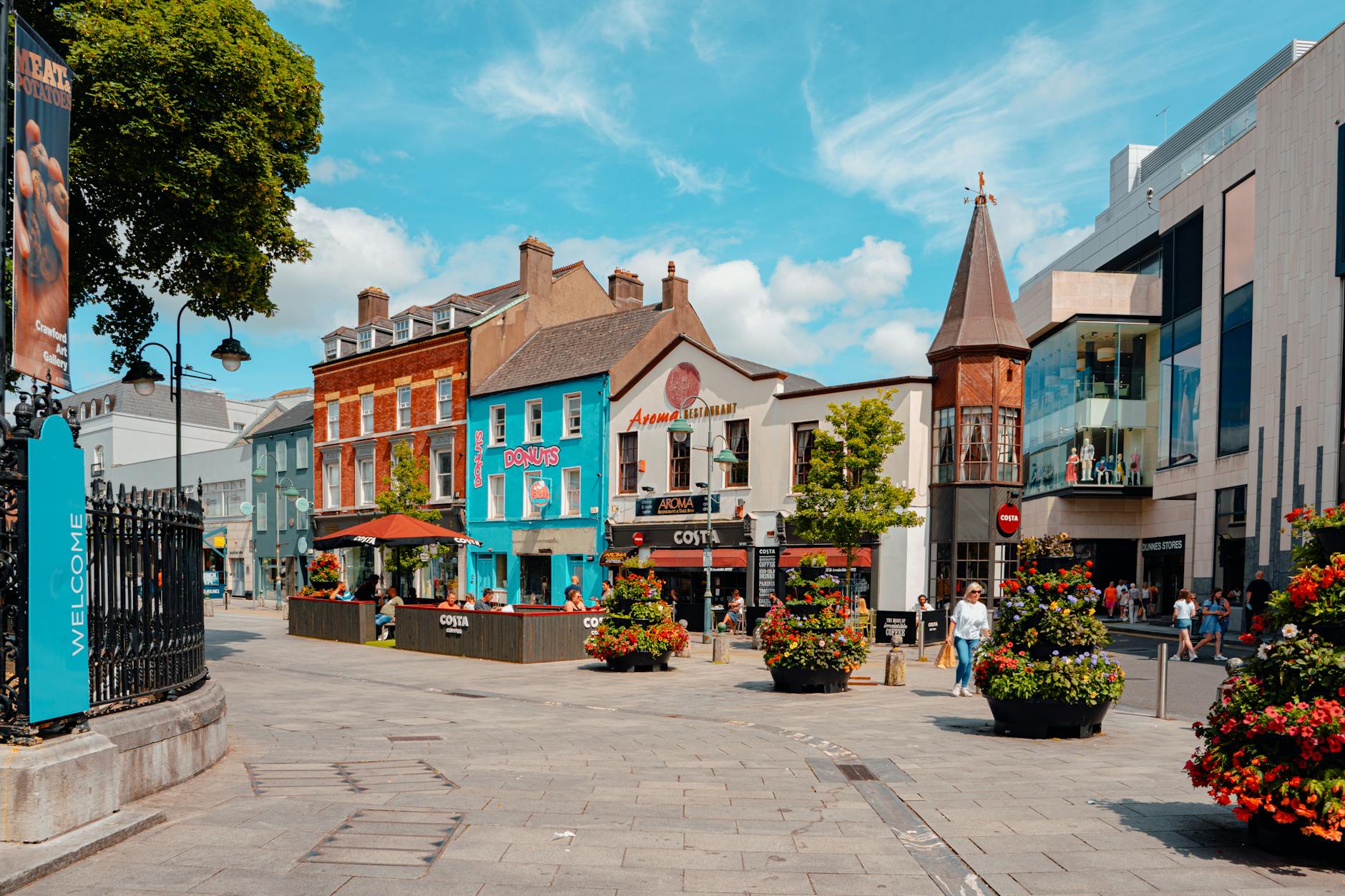
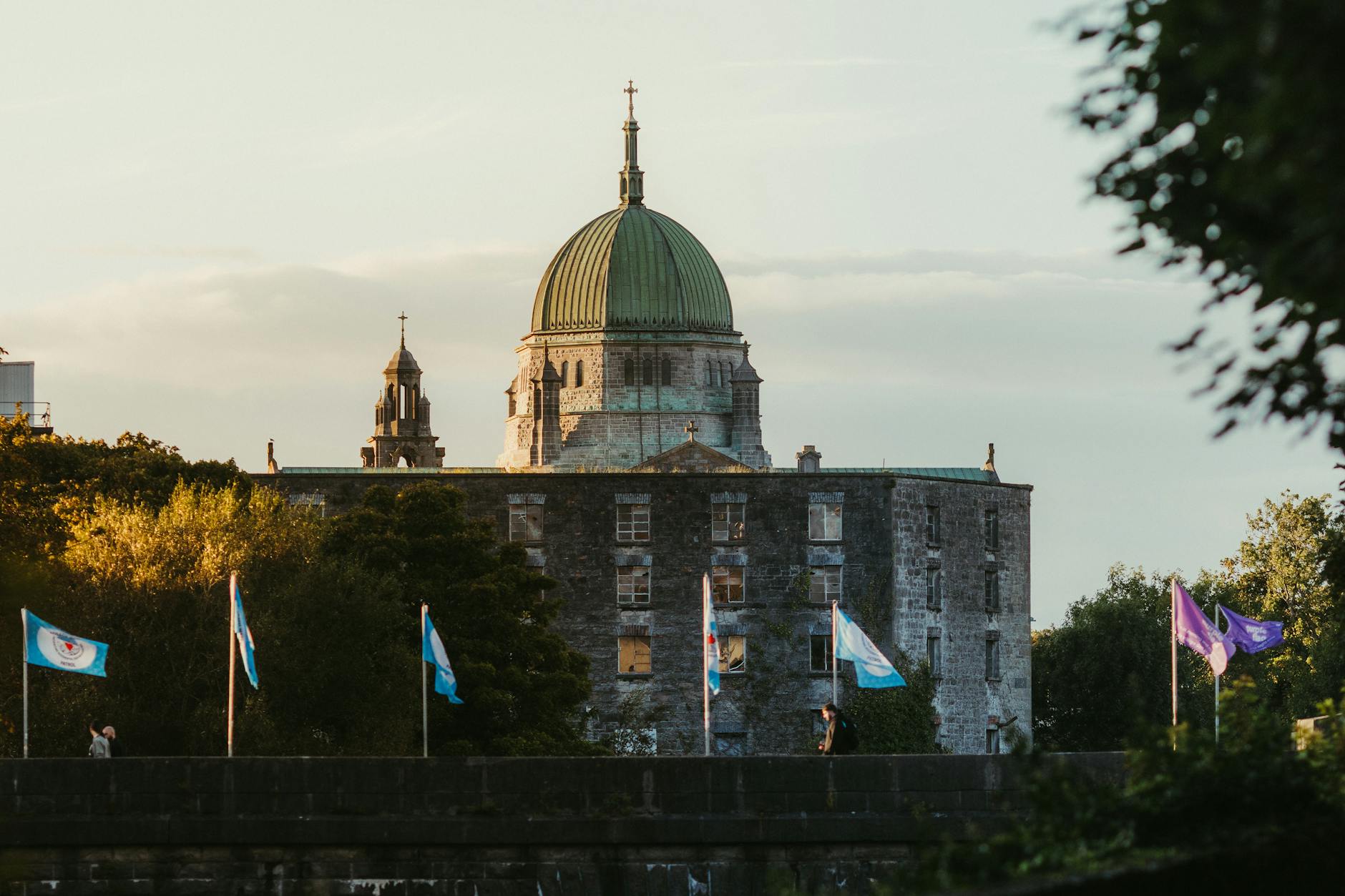
As a digital nomad, I’ve had the pleasure of calling Dublin, Ireland home for several months, and I can confidently say that it’s a city that will captivate your heart. With its rich history, vibrant culture, and friendly locals, Dublin is an ideal destination for remote workers looking to experience the best of Europe. The city’s unique blend of traditional pubs, modern coworking spaces, and stunning natural beauty makes it an attractive spot for digital nomads. From the charming streets of Temple Bar to the scenic coastal walks of Howth, Dublin has a way of making you feel like you’re part of the community. As a Dublin digital nomad, you’ll find that the city’s laid-back atmosphere and welcoming locals make it easy to settle in and get work done.
🏘️ Best Neighborhoods for Digital Nomads
When it comes to choosing a neighborhood to live and work in Dublin, there are several options to consider. Here are a few of my favorite areas:
- Portobello: This trendy neighborhood is located just south of the city center and is known for its vibrant atmosphere, independent cafes, and eclectic shops. Rent prices in Portobello are relatively high, with a one-bedroom apartment costing around €1,800-€2,200 per month (approximately $2,000-$2,500 USD).
- Rathmines: This charming neighborhood is located about 3 kilometers south of the city center and is known for its beautiful parks, historic buildings, and lively atmosphere. Rent prices in Rathmines are slightly lower than in Portobello, with a one-bedroom apartment costing around €1,500-€1,800 per month (approximately $1,700-$2,000 USD).
- Smithfield: This up-and-coming neighborhood is located just west of the city center and is known for its vibrant arts scene, independent cafes, and stunning views of the city. Rent prices in Smithfield are relatively affordable, with a one-bedroom apartment costing around €1,200-€1,500 per month (approximately $1,400-$1,700 USD).
Cost of Living Breakdown
The cost of living in Dublin can be relatively high, especially when it comes to rent and food. However, with some careful budgeting and planning, it’s possible to live comfortably in Dublin without breaking the bank. Here are some estimated costs to help you plan your stay:
- Rent: As mentioned earlier, rent prices in Dublin can be high, with a one-bedroom apartment costing around €1,500-€2,200 per month (approximately $1,700-$2,500 USD).
- Food: Eating out in Dublin can be expensive, with a meal in a mid-range restaurant costing around €15-€25 per person (approximately $17-$28 USD). However, grocery shopping can be more affordable, with a weekly shop costing around €50-€75 (approximately $57-$85 USD) for basic items.
- Transportation: Dublin has a comprehensive public transportation system, with a monthly pass costing around €130 (approximately $147 USD). You can also purchase a Leap Card, which can be used to pay for individual journeys, with a single journey costing around €2.50 (approximately $2.80 USD).
- Coworking: Coworking spaces in Dublin can be expensive, with a hot desk costing around €200-€300 per month (approximately $220-$330 USD). However, some spaces offer discounts for long-term memberships or students.
Internet & Coworking
As a digital nomad, having fast and reliable internet is essential. Fortunately, Dublin has a well-developed internet infrastructure, with average speeds of around 45 Mbps. Here are some of my favorite coworking spaces and cafes in Dublin:
- The Fumbally Stables: This coworking space is located in the heart of Dublin’s digital hub and offers a range of membership options, including hot desks and private offices.
- Dogpatch Labs: This coworking space is located in the CHQ Building and offers a range of membership options, including hot desks and private offices.
- The Bald Barista: This cafe is located in the heart of Dublin’s city center and offers fast and reliable internet, as well as a range of specialty coffee drinks.
Dublin has a thriving digital nomad community, with a range of meetups and events to attend. Here are a few of my favorite groups:
- Dublin Digital Nomads: This Facebook group is a great place to connect with other digital nomads in Dublin and stay up-to-date on upcoming events and meetups.
- Remote Workers Ireland: This group is a great place to connect with other remote workers in Ireland and stay up-to-date on upcoming events and meetups.
- Dublin Startup Scene: This group is a great place to connect with other entrepreneurs and startups in Dublin and stay up-to-date on upcoming events and meetups.
Culture & Lifestyle
Dublin is a city that’s steeped in history and culture, with a range of museums, galleries, and historical landmarks to explore. Here are a few of my favorite things to do in Dublin:
- Visit the Guinness Storehouse: This iconic brewery is a must-visit for any beer lover, with a range of interactive exhibits and a rooftop bar with stunning views of the city.
- Explore the Temple Bar area: This charming neighborhood is known for its narrow streets, lively pubs, and eclectic shops.
- Take a stroll along the Liffey River: This scenic walk offers stunning views of the city and is a great place to clear your head and get some exercise.
As a digital nomad, you’ll need to ensure that you have the correct visa to live and work in Dublin. Ireland offers a range of visa options, including the Critical Skills Employment Permit and the General Employment Permit. You can apply for a visa online or through the Irish Naturalisation and Immigration Service.
💡 Practical Tips
Here are a few practical tips to help you make the most of your time in Dublin:
- Get a SIM card: You can purchase a SIM card at most phone shops or online, with prices starting from around €10 (approximately $11 USD) per month.
- Use public transportation: Dublin’s public transportation system is comprehensive and affordable, with a monthly pass costing around €130 (approximately $147 USD).
- Be prepared for the weather: Dublin’s weather can be unpredictable, with rain and wind common throughout the year. Be sure to pack warm and waterproof clothing.
- Learn some Irish phrases: While English is the primary language spoken in Dublin, it’s always appreciated when visitors make an effort to learn a few Irish phrases, such as “craic” (fun) and “sláinte” (cheers).