🌍 Overview
As a seasoned digital nomad, I’ve had the pleasure of calling Split, Croatia, my home for several months. This stunning coastal city has stolen my heart, and I’m not alone. Many remote workers and travelers have fallen in love with Split’s unique blend of history, culture, and natural beauty. With a Nomad Score of 85/100, it’s no wonder why Split is a top destination for digital nomads. The city’s relaxed vibe, warm climate, and stunning beaches make it an ideal spot to work, play, and soak up the Mediterranean lifestyle.
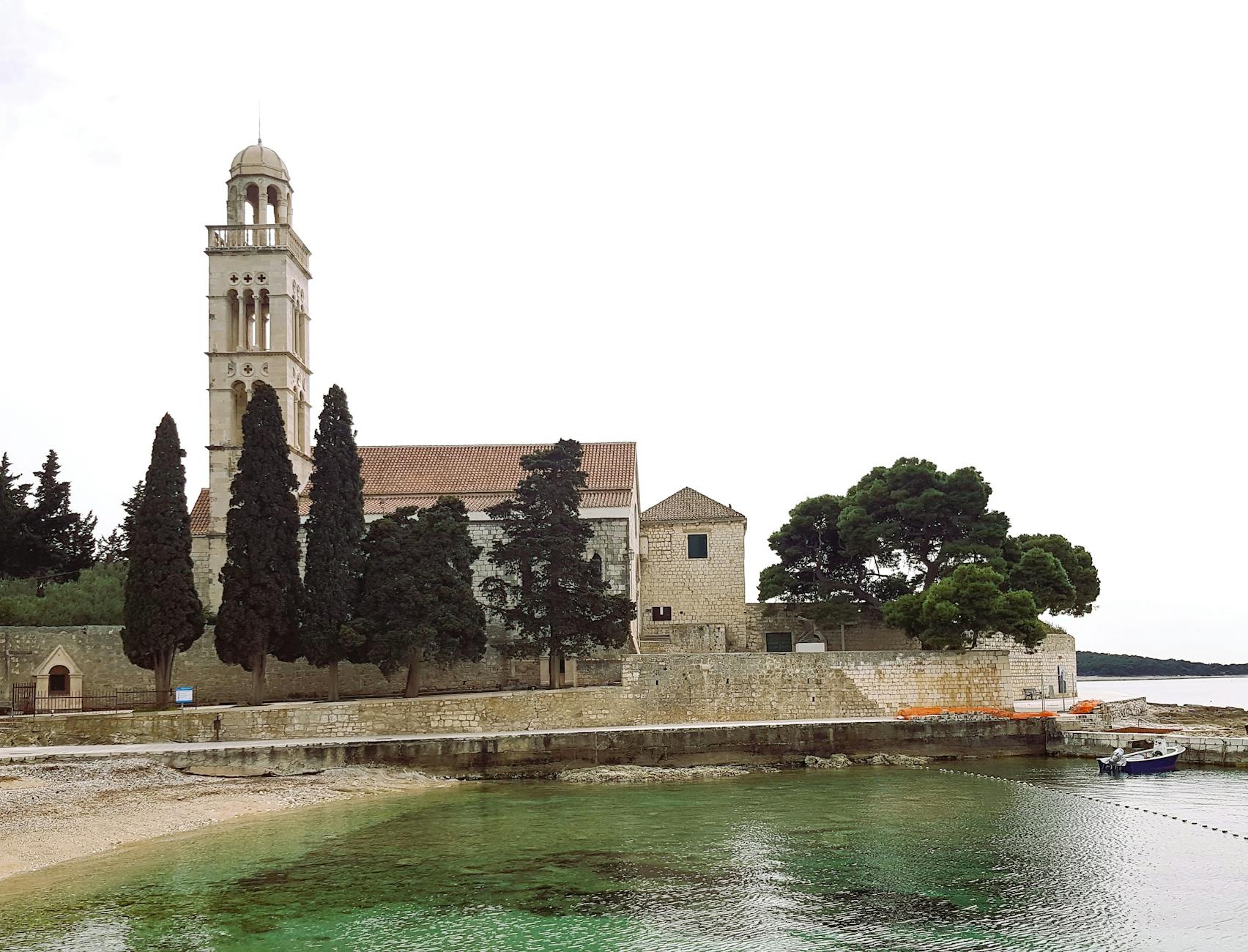
Split’s rich history dates back to the Roman Empire, and its well-preserved architecture is a testament to its fascinating past. The city’s compact old town is filled with narrow streets, charming cafes, and picturesque piazzas, making it easy to explore on foot. As a digital nomad, you’ll appreciate the city’s laid-back atmosphere, which allows you to easily balance work and play. Whether you’re looking to immerse yourself in local culture, try new water sports, or simply enjoy the sun-kissed beaches, Split has something for everyone.
🏘️ Best Neighborhoods for Digital Nomads
When it comes to choosing a neighborhood in Split, digital nomads have several options to consider. Here are a few of my favorite areas:
- Bačvice: This charming neighborhood is located just a short walk from the city center and is known for its beautiful beach, lively atmosphere, and stunning views of the Adriatic Sea. Rent prices in Bačvice are relatively affordable, with a one-bedroom apartment costing around 5,500 HRK ($792 USD) per month.
- Varoš: This historic neighborhood is a favorite among locals and digital nomads alike. Its narrow streets are lined with charming cafes, restaurants, and shops, and it’s just a short walk from the city center. Varoš is a bit more expensive than Bačvice, with a one-bedroom apartment costing around 6,500 HRK ($936 USD) per month.
- Mejaš: This up-and-coming neighborhood is located just a short walk from the city center and is known for its trendy cafes, restaurants, and bars. Mejaš is a bit more affordable than Varoš, with a one-bedroom apartment costing around 5,000 HRK ($720 USD) per month.
Cost of Living Breakdown
The cost of living in Split is relatively affordable, especially when compared to other European cities. Here’s a breakdown of what you can expect to pay for typical expenses:
- Rent: A one-bedroom apartment in the city center will cost around 5,500 HRK ($792 USD) per month. A three-bedroom apartment will cost around 10,000 HRK ($1,440 USD) per month.
- Food: Eating out in Split can range from 50 HRK ($7 USD) for a meal at a local restaurant to 200 HRK ($29 USD) for a meal at a mid-range restaurant. Groceries will cost around 500 HRK ($72 USD) per week for basic items.
- Transportation: A monthly public transportation pass will cost around 200 HRK ($29 USD). Taxis are also relatively affordable, with a ride from the city center to the airport costing around 150 HRK ($22 USD).
- Coworking: Coworking spaces in Split typically cost around 1,500 HRK ($216 USD) per month for a hot desk. Private offices will cost around 3,000 HRK ($432 USD) per month.
Internet & Coworking
Split has a well-developed internet infrastructure, with speeds ranging from 20-50 Mbps. As a digital nomad, you’ll have no problem staying connected and productive. Here are a few of my favorite coworking spaces and cafes:
- WeWork Split: This popular coworking space is located in the city center and offers hot desks, private offices, and meeting rooms. Prices start at around 1,500 HRK ($216 USD) per month.
- Hub Split: This coworking space is located in the Varoš neighborhood and offers a range of membership options, including hot desks and private offices. Prices start at around 1,000 HRK ($144 USD) per month.
- Cafe Bar Central: This charming cafe is located in the city center and offers fast internet, delicious coffee, and a cozy atmosphere. It’s a great spot to work, relax, and people-watch.
Split has a thriving digital nomad community, with many meetups, events, and Facebook groups to connect with like-minded individuals. Here are a few of my favorite resources:
- Split Digital Nomads: This Facebook group is a great place to connect with other digital nomads, ask questions, and find out about upcoming events.
- Nomad Coffee: This monthly meetup is a great way to connect with other digital nomads and remote workers over coffee and conversation.
- Split Tech Meetup: This monthly meetup is a great way to learn about the latest tech trends and connect with other professionals in the industry.
Culture & Lifestyle
Split is a city that’s deeply rooted in tradition and culture. As a digital nomad, you’ll have the opportunity to experience the local way of life and immerse yourself in the city’s vibrant atmosphere. Here are a few things to keep in mind:
- Local Customs: Split is a predominantly Catholic city, and you’ll notice that many locals attend church services on Sundays. You’ll also notice that mealtimes are sacred, with lunch typically served between 12-2 pm and dinner between 7-10 pm.
- Food Scene: Split is known for its delicious seafood, and you’ll find plenty of restaurants serving up fresh fish, mussels, and other local specialties. Be sure to try some of the local wines, such as Malvazija and Pošip.
- Dating: Split is a popular destination for singles, and you’ll find plenty of opportunities to meet new people. The city’s social scene is lively, with many bars, clubs, and events to choose from.
- Nightlife: Split’s nightlife scene is vibrant and varied, with everything from laid-back beach bars to lively clubs and live music venues. Be sure to check out the famous Bačvice beach parties, which take place during the summer months.
As a digital nomad, you’ll need to consider your visa options when planning your stay in Split. Here are a few things to keep in mind:
- Tourist Visa: Citizens of many countries, including the US, Canada, and EU nations, can enter Croatia without a visa and stay for up to 90 days.
- Digital Nomad Visa: Croatia offers a digital nomad visa, which allows remote workers to stay in the country for up to 12 months. To apply, you’ll need to meet certain requirements, such as having a valid passport, proof of health insurance, and a minimum income of around 17,500 HRK ($2,500 USD) per month.
💡 Practical Tips
Here are a few practical tips to keep in mind when living and working in Split:
- SIM Cards: You can purchase a SIM card at most convenience stores or phone shops. A prepaid SIM card with 10 GB of data will cost around 100 HRK ($14 USD).
- Transportation: Split has a well-developed public transportation system, with buses and ferries connecting the city to surrounding areas. You can purchase a monthly public transportation pass for around 200 HRK ($29 USD).
- Safety: Split is a relatively safe city, but as with any destination, it’s always a good idea to take precautions. Be mindful of your belongings, especially in crowded areas, and avoid walking alone at night.
- Weather: Split has a Mediterranean climate, with warm summers and mild winters. The best time to visit is during the spring and fall, when the weather is pleasant and the crowds are smaller.