🌍 Overview
Brussels, the capital of Belgium, has emerged as a hidden gem for digital nomads seeking a unique blend of culture, history, and modern amenities. As a remote work hub, Brussels offers a distinct charm that draws in nomads from around the world. The city’s relatively low cost of living, with a 1-bedroom apartment averaging around $724/month, makes it an attractive option for those looking to stretch their budget. Additionally, the city’s digital nomad infrastructure, scoring 73/100, provides a solid foundation for remote workers to thrive. The Brussels nomad scene is also growing, with a variety of coworking spaces, social events, and meetups catering to the community.
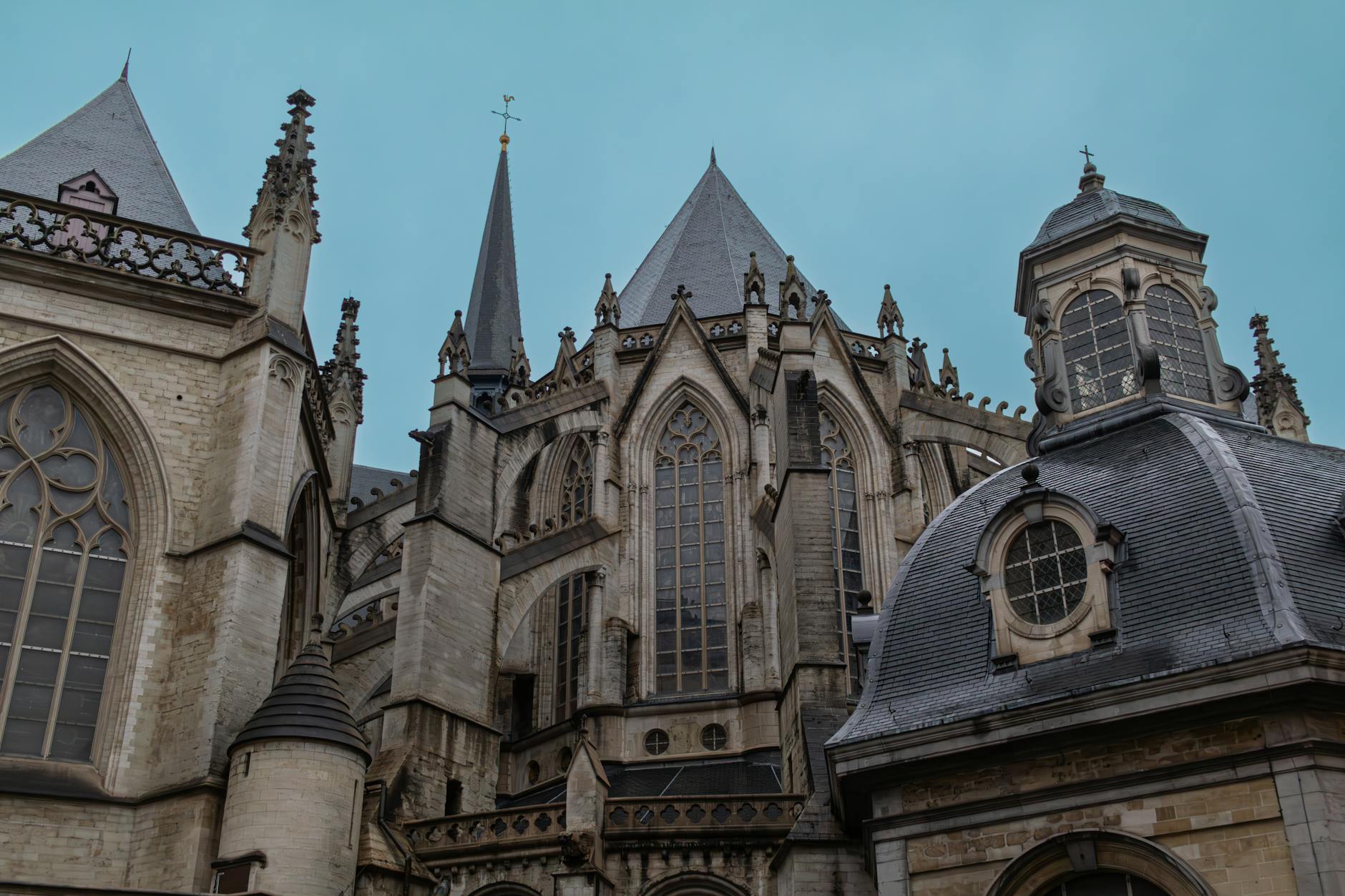
One of the primary draws for digital nomads in Brussels is the city’s exceptional internet quality, with average speeds of 37 Mbps. While fiber availability is not yet widespread, many coworking spaces and cafes offer reliable and fast connections, making it easy to stay productive. The city’s cultural attractions, scoring 40/100, may not be as extensive as other European capitals, but Brussels’ unique blend of French, Dutch, and German influences creates a fascinating and eclectic atmosphere. From the Grand Place to the Atomium, there’s no shortage of historic landmarks and quirky neighborhoods to explore.
As a digital nomad in Brussels, you can expect a relatively laid-back vibe, with a strong emphasis on community and socializing. The city’s social/nightlife scene, scoring 32/100, may not be as vibrant as other destinations, but there are still plenty of opportunities to meet like-minded individuals and make connections. Whether you’re interested in exploring the city’s famous beer culture, sampling delicious Belgian cuisine, or simply soaking up the atmosphere, Brussels has something to offer every kind of remote worker.
🏘️ Best Neighborhoods
Saint-Gilles
Saint-Gilles is a charming neighborhood that offers a unique blend of bohemian chic and upscale living. The area is known for its beautiful parks, trendy bars, and eclectic restaurants. Rent-wise, you can expect to pay around $700-900 per month for a 1-bedroom apartment. Internet quality is generally good, with many cafes and coworking spaces offering reliable connections. The neighborhood is popular with digital nomads due to its laid-back atmosphere, proximity to the city center, and abundance of coworking spaces.
Ixelles
Ixelles is a bustling neighborhood that’s home to a diverse community of students, professionals, and families. The area is known for its vibrant nightlife, with numerous bars, clubs, and live music venues. Rent prices are slightly higher than in Saint-Gilles, with 1-bedroom apartments averaging around $900-1,200 per month. Internet quality is excellent, with many fiber-optic connections available. Ixelles is a great choice for digital nomads who want to be in the heart of the action, with plenty of opportunities to meet new people and make connections.
Schaerbeek
Schaerbeek is a charming neighborhood that’s often overlooked by tourists, but it’s a hidden gem for digital nomads. The area is known for its beautiful parks, quaint cafes, and historic architecture. Rent prices are relatively affordable, with 1-bedroom apartments averaging around $600-800 per month. Internet quality is generally good, with many coworking spaces and cafes offering reliable connections. Schaerbeek is a great choice for digital nomads who want a more laid-back atmosphere, with plenty of opportunities to explore the city’s lesser-known neighborhoods.
Jette
Jette is a quieter neighborhood that’s located just outside the city center. The area is known for its beautiful parks, historic architecture, and family-friendly atmosphere. Rent prices are relatively affordable, with 1-bedroom apartments averaging around $500-700 per month. Internet quality is generally good, with many coworking spaces and cafes offering reliable connections. Jette is a great choice for digital nomads who want a more relaxed pace of life, with plenty of opportunities to explore the city’s surrounding neighborhoods.
Digital Nomad Guide
Brussels has a thriving digital nomad community, with numerous coworking spaces, social events, and meetups catering to remote workers. Some popular coworking spaces include BeCentral, The Library, and CoStation, with monthly rates ranging from $200-500. Internet quality is generally excellent, with many coworking spaces offering fiber-optic connections with speeds over 50 Mbps. The nomad community scene is also growing, with popular meetups and events organized by groups like Digital Nomads Brussels and Remote Workers Belgium.
For cafe lovers, some popular spots include Café des Épices, La Mer à Boire, and Le Pain Quotidien, which offer reliable Wi-Fi, comfortable seating, and a range of food and drink options. Visa options for remote workers in Belgium include the “Professional Card” and the “Work Visa”, which require a minimum income of around $2,500 per month and a valid health insurance policy. Banking and practical setup tips include opening a Belgian bank account, registering with the local authorities, and obtaining a Belgian SIM card.
🎨 Culture & Vibe
Brussels is a city that’s steeped in history and culture, with a unique blend of French, Dutch, and German influences. Local customs and etiquette include greeting people with a handshake or a kiss on the cheek, using formal titles and last names, and respecting the city’s many cultural and historical landmarks. The food scene is also a highlight, with must-try dishes like waffles, fries, and moules-frites. The best neighborhoods for food include the Saint-Gilles and Ixelles areas, which offer a range of restaurants, cafes, and street food vendors.
The nightlife and social scene in Brussels is relatively low-key, but there are still plenty of opportunities to meet new people and make connections. Popular areas include the Grand Place, the Saint-Gilles neighborhood, and the trendy bars and clubs of the Ixelles area. Arts and cultural attractions include the Magritte Museum, the Royal Museums of Fine Arts, and the Bozar cultural center. Language-wise, English proficiency is relatively high, with around 50% of the population speaking English as a second language. However, learning some basic French or Dutch phrases can go a long way in enhancing your experience and interacting with the locals.
⭐ Highlights
- Visit the Grand Place, a UNESCO World Heritage Site and one of the most beautiful squares in Europe. Best time to visit: early morning or late evening to avoid the crowds.
- Explore the Atomium, a iconic landmark that offers stunning views of the city. Insider tip: book your tickets online in advance to avoid long queues.
- Sample the city’s famous beer culture at the Delirium Café, which offers over 3,000 different beers. Best time to visit: weekdays to avoid the tourist crowds.
- Visit the Magritte Museum, which showcases the works of the famous Belgian surrealist artist. Insider tip: book a guided tour to get a deeper understanding of the artist’s life and work.
- Take a stroll through the beautiful parks and gardens of the Saint-Gilles neighborhood, which offer a peaceful escape from the city’s hustle and bustle. Best time to visit: spring and summer to see the gardens in full bloom.
- Attend a concert or festival at the Bozar cultural center, which offers a range of cultural events and activities throughout the year. Insider tip: check the center’s website for upcoming events and book your tickets in advance.
💡 Practical Tips
Visa requirements for digital nomads in Belgium vary depending on your nationality, but most nationalities require a valid passport and a minimum income of around $2,500 per month. US citizens, for example, can stay in Belgium for up to 90 days without a visa, while EU citizens can live and work in Belgium without any restrictions. Getting around the city is relatively easy, with a range of public transport options including buses, trams, and metro lines. The best way to get around is by purchasing a MOBIB card, which offers unlimited travel on public transport for a fixed monthly fee.
Safety considerations include being mindful of pickpocketing and petty crime in tourist areas, as well as avoiding certain neighborhoods at night. The best time to visit Brussels is during the spring and summer months, when the weather is mild and sunny. Local tips and warnings include being respectful of the city’s cultural and historical landmarks, as well as avoiding any behavior that may be considered rude or impolite. Money matters include using ATMs and credit cards, as well as being mindful of the city’s tipping culture, which is generally around 10% in restaurants and cafes. Healthcare and insurance considerations include purchasing a valid health insurance policy, as well as registering with the local authorities and obtaining a Belgian health insurance card.