🌍 Overview
As a digital nomad, I’ve had the pleasure of calling Brussels, Belgium, my home for several months. This vibrant city has a unique charm that draws remote workers from all over the world. With its rich history, cultural landmarks, and thriving food scene, Brussels is an ideal destination for those who crave a mix of tradition and modernity. The city’s relatively low cost of living, excellent internet connectivity, and welcoming community make it an attractive spot for digital nomads. As a Brussels digital nomad, you’ll find plenty of opportunities to explore, learn, and grow, both personally and professionally.
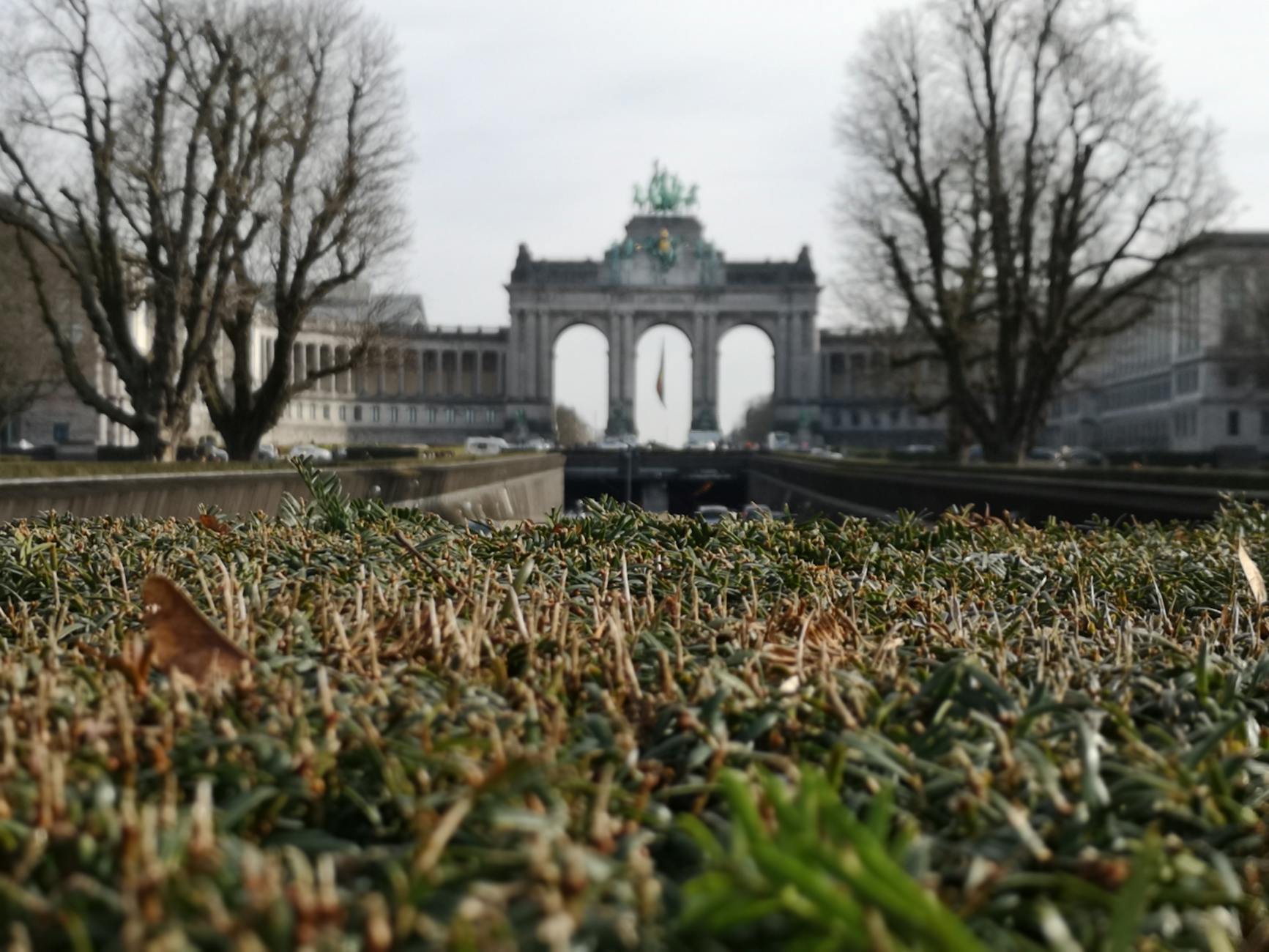
Brussels is a city that seamlessly blends its medieval past with its modern, cosmopolitan present. From the picturesque Grand Place to the sleek, modern architecture of the European Quarter, there’s always something new to discover. The city’s compact size makes it easy to get around, and its excellent public transportation system ensures that you’re never far from the action. Whether you’re interested in history, art, food, or nightlife, Brussels has something for everyone.
🏘️ Best Neighborhoods for Digital Nomads
When it comes to choosing a neighborhood in Brussels, digital nomads have a range of options to suit different tastes and budgets. Here are three areas that are particularly popular with remote workers:
- Saint-Gilles: This charming neighborhood is known for its beautiful architecture, lively atmosphere, and vibrant nightlife. Saint-Gilles is home to many cafes, restaurants, and bars, making it an ideal spot for socializing and meeting new people. Rent prices are relatively affordable, with a one-bedroom apartment costing around €900-€1,200 (approximately $1,000-$1,370 USD) per month.
- Ixelles: Located just south of the city center, Ixelles is a trendy neighborhood that’s popular with young professionals and families. The area is known for its upscale shops, restaurants, and cafes, as well as its beautiful parks and green spaces. Ixelles is a bit pricier than Saint-Gilles, with a one-bedroom apartment costing around €1,200-€1,800 (approximately $1,370-$2,040 USD) per month.
- Molenbeek: This up-and-coming neighborhood is located just west of the city center and is known for its diverse community and vibrant street art scene. Molenbeek is a bit more laid-back than other areas of the city, with a mix of independent shops, cafes, and restaurants. Rent prices are relatively affordable, with a one-bedroom apartment costing around €800-€1,200 (approximately $900-$1,370 USD) per month.
Cost of Living Breakdown
The cost of living in Brussels is relatively low compared to other major European cities. Here’s a breakdown of typical expenses for a digital nomad:
- Rent: A one-bedroom apartment in a central neighborhood like Saint-Gilles or Ixelles can cost around €900-€1,800 (approximately $1,000-$2,040 USD) per month.
- Food: Eating out in Brussels can be relatively affordable, with a meal at a mid-range restaurant costing around €15-€25 (approximately $17-$28 USD) per person. Groceries are also relatively cheap, with a weekly shop costing around €50-€75 (approximately $57-$85 USD) for basic items.
- Transportation: A monthly public transportation pass costs around €50-€60 (approximately $57-$67 USD), while a single ticket costs around €2.50-€3.00 (approximately $2.80-$3.40 USD).
- Coworking: Membership at a coworking space can cost around €200-€500 (approximately $220-$560 USD) per month, depending on the location and amenities.
Internet & Coworking
Brussels has excellent internet connectivity, with average speeds of around 44 Mbps. There are many coworking spaces and cafes throughout the city that offer reliable Wi-Fi and a productive work environment. Some popular options include:
- The Village: A coworking space located in the heart of the city, offering membership from around €200 (approximately $220 USD) per month.
- Betacowork: A coworking space located in the Saint-Gilles neighborhood, offering membership from around €250 (approximately $280 USD) per month.
- Café des Épices: A cozy cafe located in the city center, offering reliable Wi-Fi and a relaxed work environment.
Brussels has a thriving digital nomad community, with many meetups and events taking place throughout the city. Some popular groups and events include:
- Brussels Digital Nomads: A Facebook group with over 1,000 members, hosting regular meetups and events.
- Nomad List Brussels: A community of digital nomads and remote workers, hosting meetups and events at various locations around the city.
- Startup Grind Brussels: A meetup group for entrepreneurs and startup enthusiasts, hosting regular events and networking opportunities.
Culture & Lifestyle
Brussels is a city that’s deeply rooted in tradition and culture. As a digital nomad, you’ll have plenty of opportunities to experience the local way of life, from trying delicious Belgian cuisine to exploring the city’s many museums and cultural landmarks. Some popular local customs and traditions include:
- Beer culture: Belgium is famous for its beer, and Brussels is no exception. From traditional breweries to modern craft beer bars, there’s no shortage of options for beer enthusiasts.
- Food scene: Brussels is known for its delicious waffles, chocolate, and fries, as well as its traditional dishes like waterzooi and carbonade flamande.
- Dating and nightlife: Brussels has a lively nightlife scene, with many bars, clubs, and live music venues to choose from. The city is also a popular destination for singles, with many dating events and meetups taking place throughout the year.
As a digital nomad, you’ll need to ensure that you have the necessary visa and documentation to live and work in Brussels. The most common type of visa for remote workers is the Type D visa, which allows you to stay in Belgium for up to 90 days. For longer stays, you may need to apply for a residence permit, which can be obtained through the Belgian immigration authorities. It’s essential to research and understand the visa requirements before arriving in Brussels.
💡 Practical Tips
Here are some insider tips and practical information to help you navigate life in Brussels:
- SIM cards: You can purchase a SIM card from most mobile phone operators, including Proximus, Orange, and Telenet. Prices start from around €10-€20 (approximately $11-$22 USD) per month.
- Transportation: The city has an excellent public transportation system, including buses, trams, and metro lines. You can purchase a monthly pass or individual tickets from most newsagents or ticket machines.
- Safety: Brussels is generally a safe city, but as with any major city, it’s essential to take precautions to protect yourself and your belongings. Be aware of your surroundings, especially at night, and keep an eye on your belongings in crowded areas.
- Weather: Brussels has a temperate maritime climate, with cool winters and mild summers. Be prepared for rain and wind, especially during the winter months.