🌍 Overview
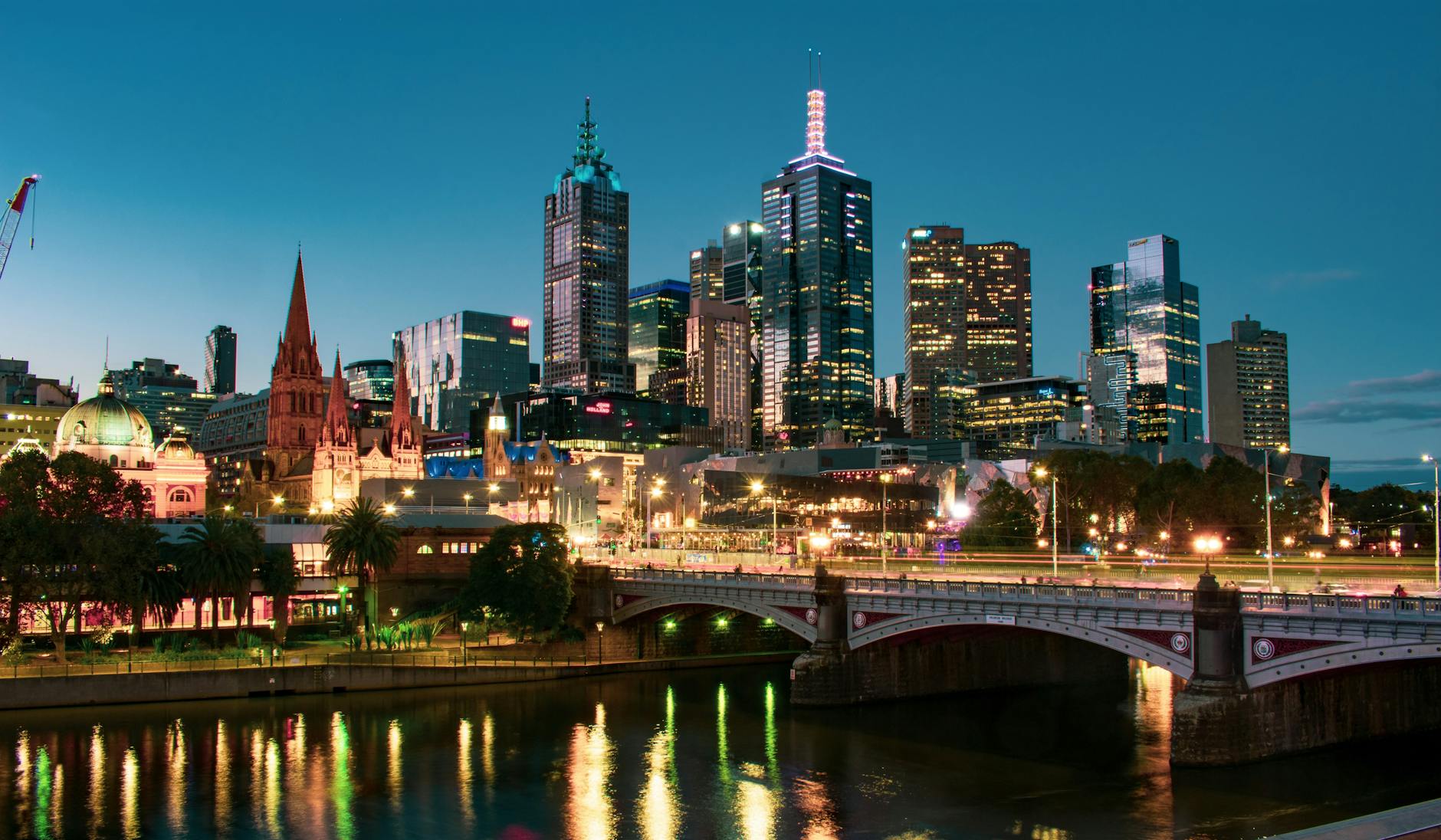
As a digital nomad, I’ve had the pleasure of calling Melbourne, Australia home for several months, and I can confidently say that it’s one of the most vibrant and welcoming cities for remote workers. Melbourne digital nomads love the city’s eclectic mix of culture, food, art, and nightlife, which makes it an ideal destination for those looking for a unique and inspiring experience. With a Nomad Score of 80/100 and a Safety Index of 5580/100, Melbourne is an excellent choice for digital nomads who value a high quality of life and a strong sense of community.
From the street art-covered laneways of the CBD to the trendy cafes and restaurants of Fitzroy, Melbourne has a way of making you feel like you’re part of something special. The city’s cultural scene is thriving, with numerous museums, galleries, and performance venues, including the iconic Melbourne Theatre Company. As a Melbourne digital nomad, you’ll have access to a wide range of events and activities, from live music and comedy shows to food festivals and sporting events.
🏘️ Best Neighborhoods for Digital Nomads
When it comes to choosing a neighborhood to stay in Melbourne, there are several options that are popular among digital nomads. Here are three of my favorite areas:
- Fitzroy: This trendy neighborhood is known for its vibrant atmosphere, street art, and eclectic mix of cafes, restaurants, and shops. Fitzroy is a hub for creatives and entrepreneurs, making it an excellent choice for digital nomads who want to be part of a like-minded community. Rent for a one-bedroom apartment in Fitzroy can range from $1,200 to $1,800 AUD ($850 to $1,250 USD) per month.
- Carlton: Located just north of the CBD, Carlton is a charming neighborhood with a strong Italian influence. The area is home to numerous cafes, restaurants, and shops, as well as the famous Lygon Street, which is known for its Italian cuisine. Carlton is a great choice for digital nomads who want to be close to the city but also experience a more laid-back atmosphere. Rent for a one-bedroom apartment in Carlton can range from $1,000 to $1,500 AUD ($700 to $1,050 USD) per month.
- St Kilda: This seaside suburb is a popular choice among digital nomads who want to be close to the beach and enjoy a more relaxed lifestyle. St Kilda is home to numerous cafes, restaurants, and bars, as well as the famous St Kilda Beach, which is perfect for swimming, surfing, or simply soaking up the sun. Rent for a one-bedroom apartment in St Kilda can range from $1,200 to $1,800 AUD ($850 to $1,250 USD) per month.
Cost of Living Breakdown
The cost of living in Melbourne can vary depending on your lifestyle and personal preferences. Here’s a breakdown of some typical expenses for digital nomads:
- Rent: As mentioned earlier, rent for a one-bedroom apartment in Melbourne can range from $1,000 to $1,800 AUD ($700 to $1,250 USD) per month, depending on the neighborhood and amenities.
- Food: Eating out in Melbourne can be expensive, with meals at mid-range restaurants costing around $20 to $30 AUD ($14 to $21 USD) per person. However, groceries are relatively affordable, with a weekly shop costing around $50 to $75 AUD ($35 to $52 USD) for basic items.
- Transport: Melbourne has an excellent public transportation system, with a single trip on the tram or bus costing around $3 to $4 AUD ($2 to $3 USD). A monthly public transportation pass can cost around $150 to $200 AUD ($105 to $140 USD).
- Coworking: Coworking spaces in Melbourne can range from $200 to $500 AUD ($140 to $350 USD) per month, depending on the location and amenities.
Internet & Coworking
Melbourne has a well-developed internet infrastructure, with average speeds of 45 Mbps. As a digital nomad, you’ll have access to numerous coworking spaces and cafes with reliable internet. Some popular coworking spaces include:
- WeWork: With several locations throughout the city, WeWork offers a range of membership options, including hot desks and private offices.
- Hub Australia: This coworking space has several locations in Melbourne, including in the CBD and in surrounding suburbs.
- The Commons: This coworking space is located in the heart of the CBD and offers a range of membership options, including hot desks and private offices.
Some popular cafes with reliable internet include:
- Pellegrini’s Espresso Bar: This iconic cafe in the CBD has been serving up excellent coffee and food for over 60 years.
- Manchester Press: This cafe in the CBD is a popular spot for digital nomads, with reliable internet and a range of food and drink options.
- St Ali: This cafe in South Melbourne is a favorite among locals and digital nomads alike, with excellent coffee and food.
Melbourne has a thriving digital nomad community, with numerous meetups and events throughout the year. Some popular groups include:
- Melbourne Digital Nomads: This Facebook group has over 1,000 members and is a great way to connect with other digital nomads in the city.
- Nomads Melbourne: This group hosts regular meetups and events, including coworking sessions and social gatherings.
- Remote Workers Melbourne: This group is specifically for remote workers and digital nomads, with a focus on networking and collaboration.
Culture & Lifestyle
Melbourne is known for its vibrant cultural scene, with numerous museums, galleries, and performance venues. The city is also home to a thriving food scene, with a range of restaurants and cafes serving up everything from traditional Australian cuisine to international flavors. Some popular local customs include:
- Sunday brunch: Melbourne is famous for its Sunday brunch scene, with numerous cafes and restaurants serving up delicious food and drinks.
- Coffee culture: Melbourne is home to some of the best coffee in the world, with numerous cafes and coffee shops throughout the city.
- Street art: Melbourne is known for its vibrant street art scene, with numerous laneways and buildings throughout the city featuring works by local and international artists.
The dating scene in Melbourne is also thriving, with numerous bars, clubs, and social events throughout the city. Some popular spots for meeting new people include:
- The CBD: The central business district is home to numerous bars, clubs, and social events, making it a great place to meet new people.
- Fitzroy: This trendy neighborhood is a hub for creatives and entrepreneurs, making it an excellent spot for meeting like-minded people.
- St Kilda: This seaside suburb is a popular spot for socializing, with numerous bars, clubs, and restaurants along the beach.
As a digital nomad, you’ll need to obtain a visa to enter Australia. The most common visa for digital nomads is the eVisitor visa, which is an electronic visa that allows you to stay in Australia for up to three months. You can apply for an eVisitor visa online, and it’s usually processed within 24 hours. The cost of an eVisitor visa is $20 AUD ($14 USD), and you’ll need to provide proof of onward travel and sufficient funds to support yourself during your stay.
Alternatively, you may be eligible for the Working Holiday visa, which allows you to stay in Australia for up to 12 months and work to support yourself. The cost of a Working Holiday visa is $440 AUD ($310 USD), and you’ll need to meet certain eligibility criteria, including being under the age of 31 and having a valid passport.
💡 Practical Tips
Here are some practical tips for digital nomads living in Melbourne:
- SIM cards: You can purchase a SIM card at most convenience stores or supermarkets, with prices starting from around $10 AUD ($7 USD) for a prepaid plan.
- Transport: Melbourne has an excellent public transportation system, with trams, buses, and trains connecting the city and surrounding suburbs. You can purchase a Myki card at most convenience stores or supermarkets, which can be used to travel on public transport.
- Safety: Melbourne is generally a safe city, but as with any city, it’s always a good idea to take precautions, especially at night. Avoid walking alone in dimly lit areas, and keep an eye on your belongings, especially in crowded areas.
- Weather: Melbourne has a temperate climate, with four distinct seasons. Summer (December to February) can be hot and humid, while winter (June to August) can be cool and rainy. Spring (September to November) and autumn (March to May) are generally mild and pleasant.