🌍 Overview
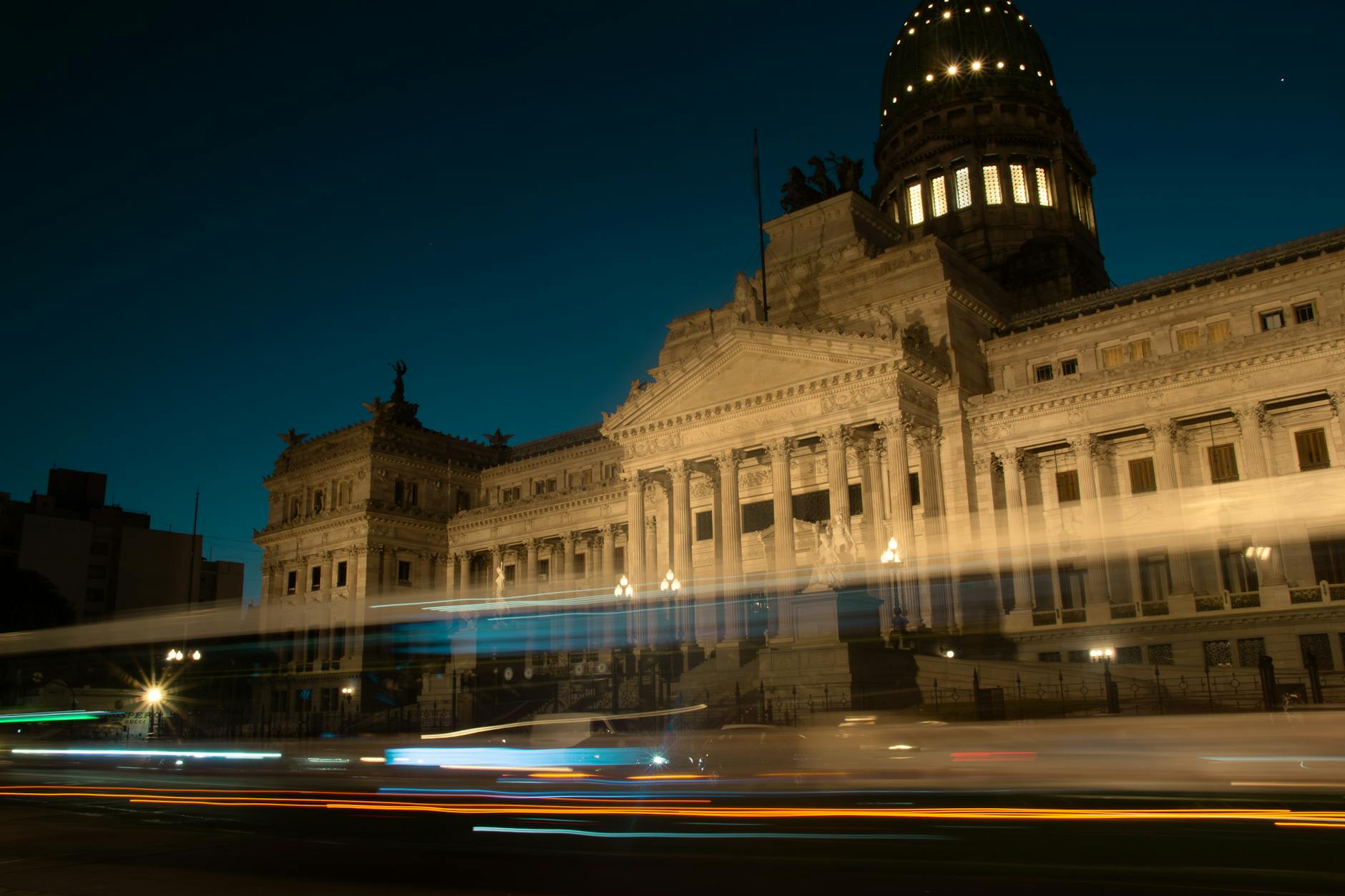
As a seasoned digital nomad, I can attest that Buenos Aires, Argentina, is a city that will captivate your senses and inspire your creativity. With its rich cultural heritage, vibrant nightlife, and delectable food scene, it’s no wonder that many remote workers flock to this South American gem. The city’s energetic vibe is infectious, and its affordability makes it an attractive destination for those looking to stretch their budget. As a Buenos Aires digital nomad, you’ll find that the city’s eclectic neighborhoods, each with its unique character, offer a plethora of options for living, working, and playing.
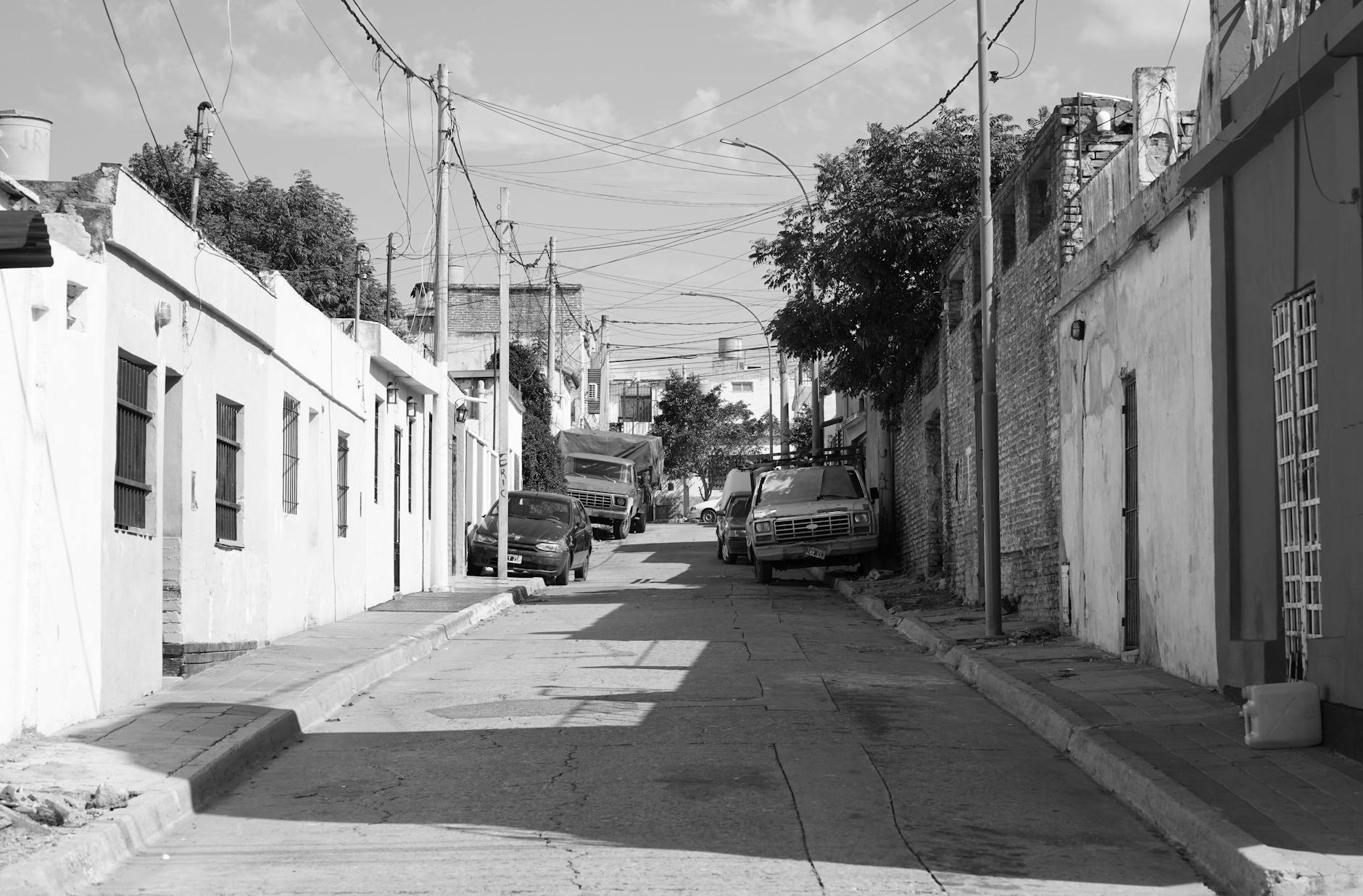
From the colorful streets of La Boca to the trendy bars of Palermo, Buenos Aires is a city that seamlessly blends tradition with modernity. The locals, known as “Porteños,” are warm and welcoming, and you’ll often find yourself immersed in lively conversations over a cup of coffee or a glass of wine. With its high Nomad Score of 85/100, Buenos Aires is an ideal destination for remote workers looking for a city that offers a great balance of work and play. As a Buenos Aires for remote workers, you’ll find that the city’s many coworking spaces, cafes, and cultural events provide ample opportunities to connect with like-minded individuals and build a community.
🏘️ Best Neighborhoods for Digital Nomads
When it comes to choosing a neighborhood to live in, Buenos Aires offers a wide range of options to suit every taste and budget. Here are three of my favorite neighborhoods that are perfect for digital nomads:
- Palermo: This trendy neighborhood is a hub for creatives and entrepreneurs. With its boutique hotels, artisanal cafes, and trendy bars, Palermo is the perfect spot to live, work, and play. Rent for a one-bedroom apartment in Palermo can range from $400 to $700 USD per month (approximately 35,000 to 60,000 Argentine Pesos).
- Recoleta: This upscale neighborhood is known for its stunning architecture, beautiful parks, and vibrant cultural scene. Recoleta is a great option for those looking for a more laid-back atmosphere and easy access to some of the city’s best restaurants and cafes. Rent for a one-bedroom apartment in Recoleta can range from $350 to $600 USD per month (approximately 30,000 to 50,000 Argentine Pesos).
- San Telmo: This historic neighborhood is a favorite among digital nomads who want to experience the authentic Buenos Aires. With its narrow streets, antique shops, and lively street performers, San Telmo is a great spot to soak up the city’s energy and culture. Rent for a one-bedroom apartment in San Telmo can range from $250 to $450 USD per month (approximately 20,000 to 35,000 Argentine Pesos).
Cost of Living Breakdown
One of the biggest advantages of living in Buenos Aires is its relatively low cost of living. Here’s a breakdown of what you can expect to pay for common expenses:
- Rent: As mentioned earlier, rent for a one-bedroom apartment can range from $250 to $700 USD per month, depending on the neighborhood.
- Food: Eating out in Buenos Aires can be very affordable, with a meal at a mid-range restaurant costing around $10 to $15 USD per person. Groceries can cost around $50 to $75 USD per week for basic items.
- Transportation: A monthly public transportation pass can cost around $20 to $30 USD, while a taxi ride can cost around $5 to $10 USD.
- Coworking: Membership at a coworking space can range from $100 to $300 USD per month, depending on the amenities and services offered.
Overall, the cost of living in Buenos Aires is relatively low, making it an attractive destination for digital nomads looking to stretch their budget. With a monthly budget of $1,500 to $2,500 USD, you can live comfortably in Buenos Aires and enjoy all that the city has to offer.
Internet & Coworking
Buenos Aires has a relatively fast internet speed of 47 Mbps, making it easy to stay connected and productive. Here are some of my favorite coworking spaces and cafes:
- WeWork: With several locations throughout the city, WeWork offers a range of membership options and amenities, including high-speed internet, printing services, and networking events.
- La Maquinita: This trendy coworking space in Palermo offers a relaxed atmosphere, fast internet, and a range of membership options.
- Cafe San Juan: This charming cafe in San Telmo is a great spot to work remotely, with fast internet, delicious coffee, and a cozy atmosphere.
Buenos Aires has a thriving digital nomad community, with many meetups and events taking place throughout the city. Here are some of my favorite ways to connect with other remote workers:
- Buenos Aires Digital Nomads: This Facebook group is a great resource for connecting with other digital nomads, finding housing, and getting tips on the best places to work and play.
- Nomad List: This online community is a great way to connect with other digital nomads, find coworking spaces, and get recommendations on the best destinations.
- Meetup: With many meetups taking place throughout the city, you can find events on everything from language exchange to startup networking.
Culture & Lifestyle
Buenos Aires is a city that is deeply rooted in tradition and culture. From the vibrant street art to the stunning architecture, there’s no shortage of things to see and do. Here are some of my favorite cultural experiences:
- Tango: Buenos Aires is the birthplace of tango, and you can find many dance schools and milongas (tango clubs) throughout the city.
- Food: Argentine cuisine is known for its rich flavors and hearty portions, with popular dishes like asado (grilled meats), empanadas (meat or cheese pastries), and choripan (grilled sausage sandwich).
- Nightlife: Buenos Aires is known for its vibrant nightlife, with many bars, clubs, and live music venues to choose from.
As a Buenos Aires digital nomad, you’ll find that the city’s cultural scene is incredibly rich and diverse, with something to suit every interest and taste. Whether you’re a foodie, a history buff, or a party animal, Buenos Aires has something for everyone.
As a tourist, you can enter Argentina without a visa and stay for up to 90 days. If you plan to stay longer, you’ll need to apply for a residence visa. Here are some of the requirements:
- Tourist visa: Valid for up to 90 days, this visa is available to citizens of many countries, including the US, Canada, and EU countries.
- Residence visa: Required for stays longer than 90 days, this visa can be applied for at the Argentine embassy or consulate in your home country.
It’s worth noting that Argentina has a relatively complex visa process, and requirements can change frequently. It’s always a good idea to check with the Argentine embassy or consulate in your home country for the latest information.
💡 Practical Tips
Here are some practical tips to help you navigate life in Buenos Aires:
- SIM cards: You can purchase a SIM card at most phone stores or kiosks, with prices starting from around $10 USD.
- Transportation: The city has a comprehensive public transportation system, including buses, trains, and subways. You can purchase a monthly pass for around $20 to $30 USD.
- Safety: As with any big city, it’s always a good idea to take precautions to stay safe. Avoid walking alone at night, keep an eye on your belongings, and avoid carrying large amounts of cash.
- Weather: Buenos Aires has a temperate climate, with warm summers and mild winters. The best time to visit is during the spring (September to November) or autumn (March to May), when the weather is mild and pleasant.